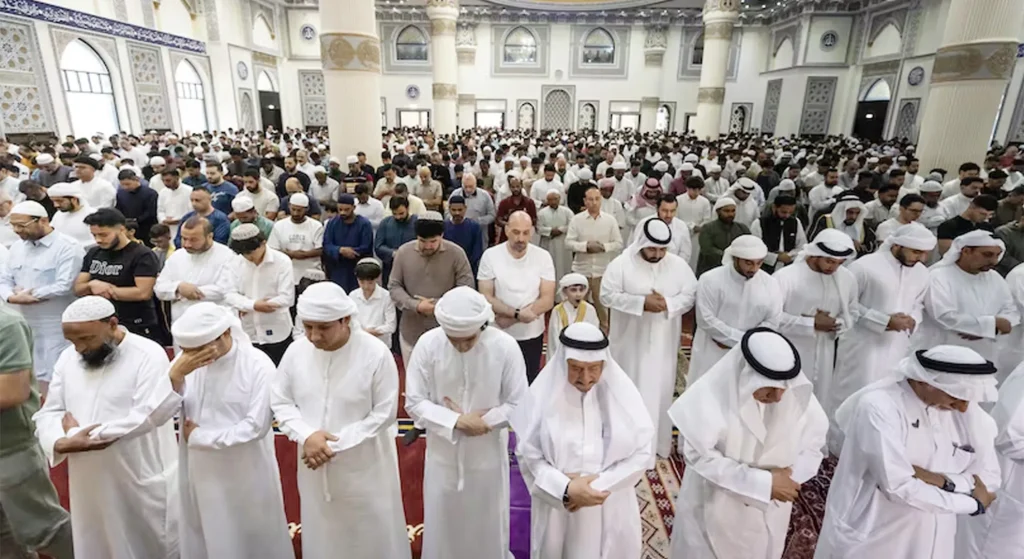
Mosques across the UAE are conducting Salat Al Istisqaa, a special Islamic prayer in which worshippers seek Allah’s mercy and ask for rainfall during periods of dry weather. The prayer reflects the community’s faith and spiritual appeal for relief from drought.
UAE Mosques Hold Special Salat Al Istisqaa Prayer: Understanding Its Significance and Purpose.
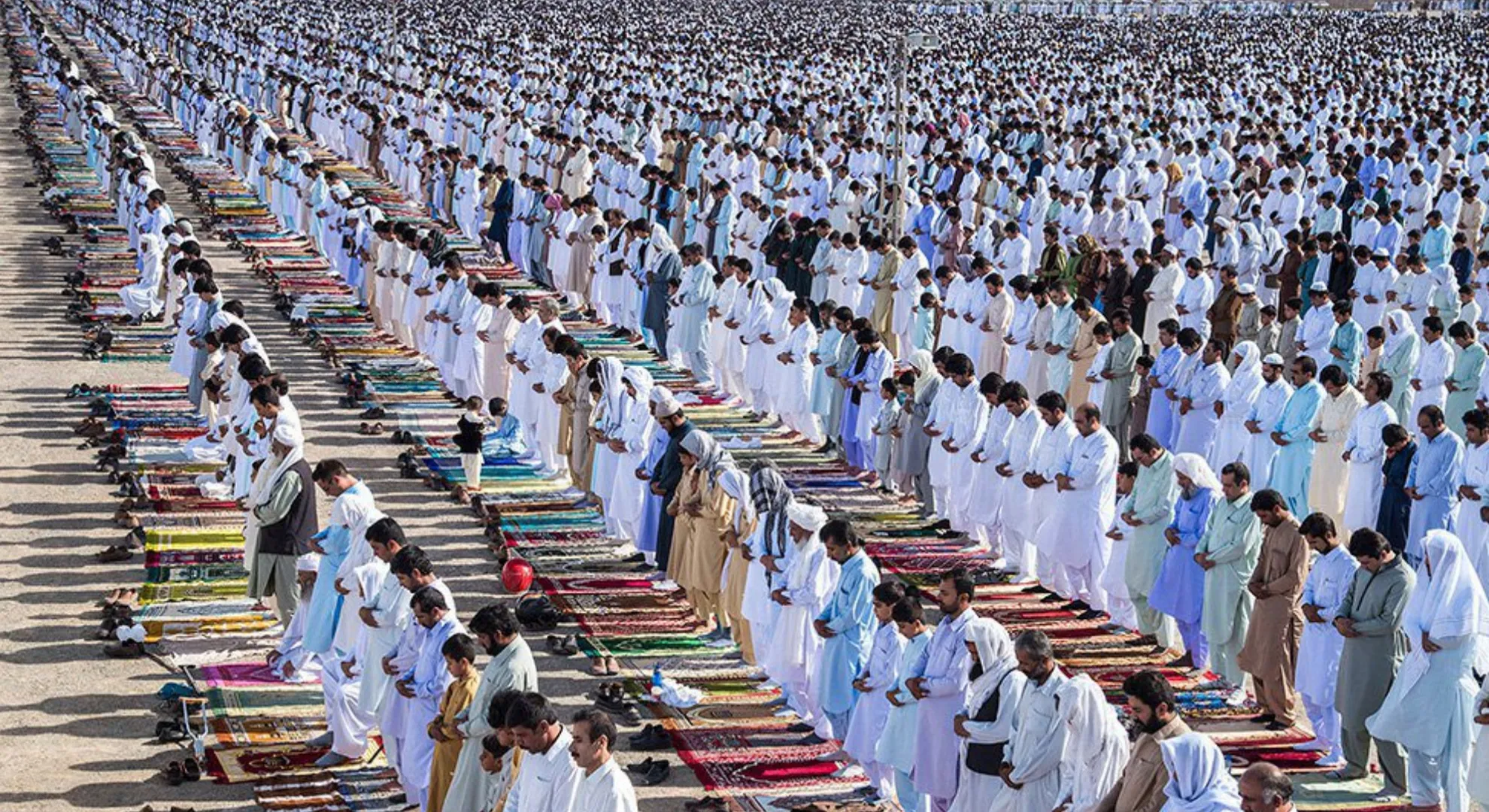
UAE Residents to Offer Special Rain Prayer on Friday: Significance of Salat Al Istisqaa Explained
Mosques throughout the United Arab Emirates are preparing to hold Salat Al Istisqaa, a special Islamic prayer through which Muslims seek Allah’s mercy and pray for rainfall during periods of dry weather. The prayer is an important religious tradition that encourages worshippers to turn to Allah with humility, repentance and sincere supplication.
UAE President Sheikh Mohamed bin Zayed Al Nahyan has called on citizens and residents to participate in the prayer on Friday, October 9. The prayer has been scheduled to take place approximately 30 minutes before the regular Friday congregational prayer.
According to the announced timings, mosques in Dubai will begin Salat Al Istisqaa at 12.15pm, while worshippers in Sharjah are expected to offer the prayer at 11.38am. The timings allow Muslims to gather and seek divine blessings before the weekly Jumuah prayer.
What Is Salat Al Istisqaa?
Salat Al Istisqaa is a special prayer performed by Muslims to ask Allah to send rain when rainfall is delayed or the land experiences dry conditions. It reflects the Islamic belief that Allah is the ultimate source of mercy and sustenance.
The prayer provides an opportunity for worshippers to strengthen their faith, seek forgiveness for their shortcomings and ask for relief through sincere supplication. It also reminds believers of their dependence on Allah and the importance of approaching Him with humility during challenging circumstances.
According to the UAE Fatwa Council, the purpose of Salat Al Istisqaa goes beyond asking for rainfall. It encourages Muslims to renew their spiritual commitment, repent sincerely and recognise the importance of divine mercy in their lives.
Why Do Muslims Perform the Rain Prayer?
The rain prayer is observed when communities seek rainfall and relief from dry weather. In Islam, water is considered an essential blessing, supporting human life, agriculture, animals and the natural environment.
Through Salat Al Istisqaa, worshippers collectively ask Allah to bless the land with rain, bring goodness to the community and preserve the country’s security, prosperity and continued development.
The prayer also serves as a reminder to remain humble and grateful for the blessings available in everyday life. By turning to Allah in supplication, Muslims express their hope for rainfall while seeking forgiveness and spiritual guidance.
The UAE Fatwa Council has highlighted the importance of asking Allah to provide abundant blessings from the heavens and bring forth the goodness of the earth. These prayers reflect the connection between rainfall, the well-being of communities and the resources needed to sustain life.
Following the Teachings of Prophet Mohammed
The practice of Salat Al Istisqaa follows the example and teachings of Prophet Mohammed (peace be upon him), who guided Muslims to seek rainfall from Allah when rain was delayed.
The tradition continues to hold religious significance for Muslim communities, offering a shared opportunity for worshippers to pray for relief and blessings.
By gathering for the prayer, Muslims demonstrate their faith, strengthen their connection with Allah and express their hope for favourable conditions that support people, agriculture and the wider environment.
A Reminder to Be Grateful for Water
Beyond its religious significance, Salat Al Istisqaa highlights the value of water as one of the essential resources required for life. Rainfall supports ecosystems, contributes to agricultural production and helps sustain communities.
The occasion encourages Muslims to reflect on the importance of appreciating the blessings they receive rather than taking them for granted. It also reinforces the value of gratitude, humility and responsible behaviour.
In a country such as the UAE, where water resources require careful management, the message of the rain prayer carries particular relevance. Preserving available water supplies and avoiding unnecessary waste remain important responsibilities for individuals and communities.
Water Conservation Remains an Important Responsibility
Alongside prayer and supplication, the broader message associated with Salat Al Istisqaa encourages the responsible use of natural resources. Worshippers are reminded that seeking divine blessings should go hand in hand with taking practical steps to protect the resources available to society.
Using water carefully at home, reducing unnecessary consumption and supporting conservation efforts can help protect supplies for future generations.
The prayer therefore combines spiritual reflection with an awareness of the importance of water in maintaining the country’s prosperity and environmental well-being.
As mosques across the UAE prepare for Friday’s observance, Salat Al Istisqaa offers Muslims an opportunity to seek Allah’s mercy, pray for rainfall and renew their commitment to gratitude, repentance and responsible stewardship of the resources that sustain life.