Dubai has identified specific neighbourhoods where shared accommodation is permitted, including Al Barsha 1 and Al Karama. Residents looking for shared housing can explore the approved areas while ensuring their living arrangements comply with the emirate’s accommodation regulations and local housing requirements.
Dubai Shared Housing Rules: Areas Permitting Shared Accommodation in Barsha 1 and Karama.
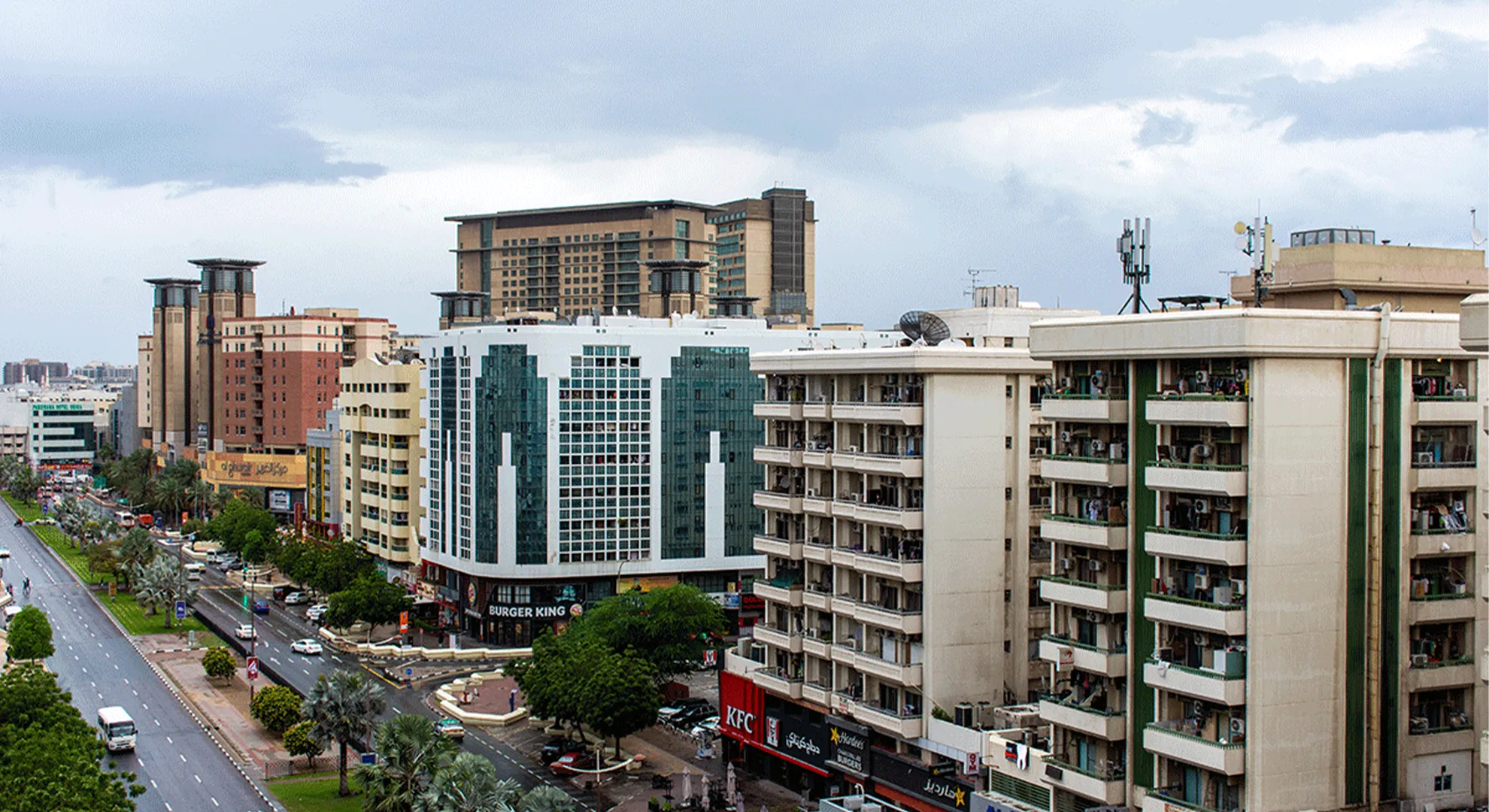
Dubai Shared Housing Rules: Municipality Identifies More Than 44 Areas for Shared Accommodation
Dubai Municipality has announced a list of more than 44 neighbourhoods where shared accommodation may be permitted under the emirate’s updated housing regulations. The new framework specifies the locations where residents can legally share accommodation, with permission limited to certain sections of some neighbourhoods while extending across entire areas in others.
The details were outlined in a circular issued by Dubai Municipality (DM), which sets out the locations covered by the shared housing rules. The announcement provides greater clarity for property owners, tenants and residents seeking shared accommodation in the city.
Under the updated guidelines, shared housing is not automatically permitted throughout every listed neighbourhood. Some locations have restrictions on the specific sections where such arrangements can operate, making it important for residents and landlords to verify the applicable rules before entering into a housing agreement.
Dubai Areas Where Shared Accommodation Is Permitted in Designated Sections
According to the municipality’s circular, shared accommodation is allowed in specified parts of the following neighbourhoods:
- Abu Hail
- Al Baraha
- Al Hamriya
- Mankhool
- Al Jaffiliya
- Al Hudaibiya
- Al Satwa
- Port Saeed
- Hor Al Anz East
- Al Mamzar
- Al Qusais Industrial Areas 1, 2, 3, 4 and 5
- Al Ras
- Al Dhagaya (Deira)
- Al Bateen
- Sabkha
- Eyal Nasser
- Al Murar
- Naif
- Al Rigga
- Al Muteena
- Al Muraqqabat
- Riqqa Al Bateen, near Dubai Creek
- Hor Al Anz
- Al Waheeda in Deira
- Al Rashidiya
- Al Nahda 1
- Al Qusais
- Al Twar 5
- Al Nahda 2
- Muhaisnah 4
- Souq Kabeer
- Umm Hurair 1 and 2
- Al Rafa
- Karama
- Oud Metha
- Jumeirah 1
- Al Badaa
- Al Barsha 1
- Al Warqa 1
The list identifies neighbourhoods where shared accommodation can be considered under the new rules. However, the specific location of a property remains important because approval may apply only to designated sections rather than the entire neighbourhood.
Tenants and landlords should therefore confirm whether an individual building or residential unit falls within an authorised zone before making rental arrangements.
New Rules Divide Shared Accommodation Into Two Categories
Dubai’s updated shared housing framework introduces two distinct classifications: accommodation for individuals and accommodation for families.
Under the regulations, each residential unit must be assigned to one of these categories. A property cannot operate under both classifications simultaneously, meaning landlords must determine the permitted use of a unit before offering it for shared accommodation.
The framework also establishes minimum space requirements to help maintain suitable living conditions for occupants. Each resident must have access to at least five square metres of bedroom space.
In addition to adequate sleeping space, shared accommodation must provide appropriate facilities for everyday household activities. These include kitchens, bathrooms, dining areas, recreational spaces and laundry facilities.
The requirements are intended to ensure that shared residential properties meet the applicable standards for space, amenities and occupancy. Property owners must consider these conditions when preparing a unit for shared housing.
Special Restrictions for Tourist and Commercial Areas
The updated rules also place additional restrictions on shared accommodation in certain tourist and commercial locations across Dubai.
Areas along Baniyas Road, Sheikh Zayed Road, Jumeirah Road and Al Wasl Road are designated for family accommodation only under the stated framework. Individual shared housing arrangements are therefore subject to restrictions in these locations.
This distinction means that the rules applicable to a residential property may depend on its precise location and the category of accommodation authorised for that area.
Anyone planning to rent out a property or move into shared housing should check the permitted classification and applicable conditions before proceeding.
Shared Accommodation Permits Made Mandatory
Under the new framework, properties operating as shared accommodation must obtain the required permit. Property owners and operators are expected to ensure their units comply with the relevant municipal requirements.
Existing properties have been given until September 8, 2027, to regularise their status under the updated regulations. This deadline gives current operators time to bring their arrangements into line with the applicable requirements.
Failure to comply with the rules can result in financial penalties. The stated fines range from Dh500 to Dh500,000, depending on the nature of the violation and the applicable enforcement provisions.
The permit requirement makes regulatory compliance an important consideration for landlords, property managers and tenants involved in shared accommodation arrangements.
What Residents and Landlords Need to Know
The updated framework provides a clearer structure for shared housing in Dubai by identifying permitted locations, separating individual and family accommodation, establishing minimum space standards and requiring properties to obtain the necessary approval.
For tenants, checking the authorised location and accommodation category can help prevent problems when selecting a shared residence. Landlords and operators, meanwhile, should verify the rules applicable to their properties, ensure that facilities meet the prescribed standards and complete the necessary permit procedures.
Although the municipality’s circular lists numerous neighbourhoods, permission may be restricted to specific sections within them. The inclusion of a neighbourhood on the list should not be interpreted as blanket approval for every building or property in that area.
Residents and property owners should consult the relevant municipal guidance to confirm the exact boundaries, permit conditions and requirements applicable to their accommodation.
With the September 2027 compliance deadline approaching, the new framework is an important development for Dubai’s rental market, particularly for residents who rely on shared accommodation and property owners who provide it.