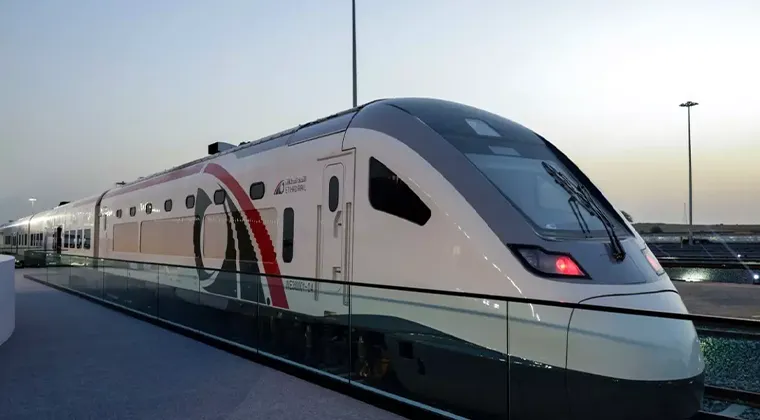
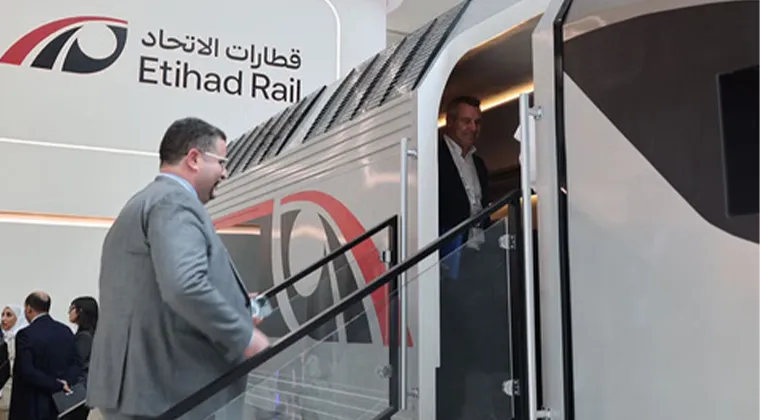
Discover the UAE’s evolving transit landscape as Etihad Rail introduces vital structural upgrades, seamless metro integration in Dubai, and strategic connectivity paths extending toward Abu Dhabi’s major aviation hubs.
Etihad Rail Updates: 5 Major Shifts Involving Dubai Stations, Metro Connections, and Abu Dhabi Airport.
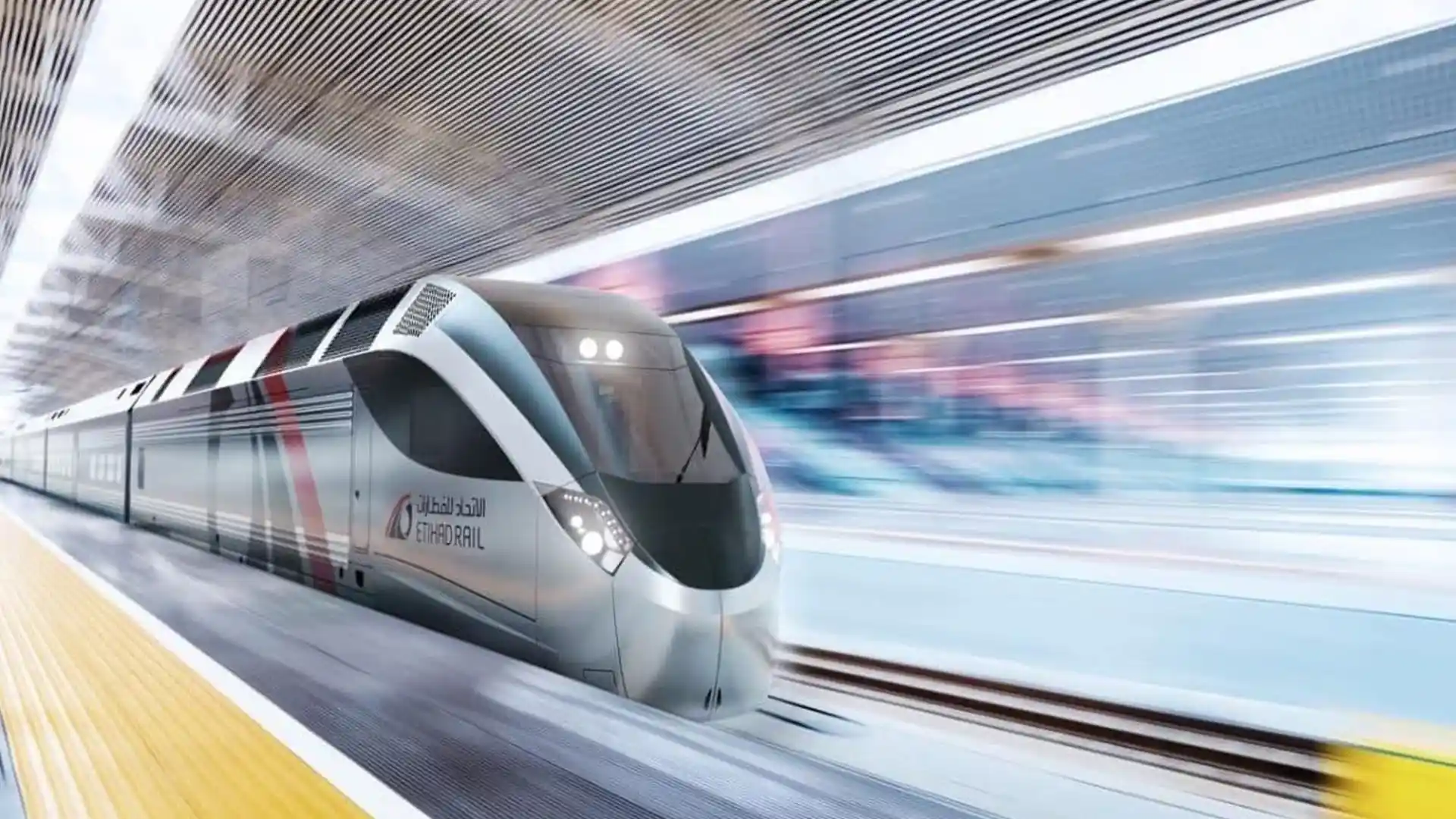
As Dubai prepares to welcome its inaugural national passenger terminal this month, commuters can look forward to integrated metro connections and rapid rail links designed to revolutionize travel across the Emirates.
Etihad Rail’s Dubai Expansion: Five Major Developments Passengers Should Know
The development of the UAE’s national railway network is entering an important new phase, with Dubai preparing for the opening of its long-awaited Etihad Rail passenger station in Al Yalayis. The station is expected to strengthen rail connections between Dubai and other parts of the country, including Abu Dhabi and Fujairah, where passenger stations have already begun operations.
As work on the network continues, authorities have also released more information about possible future stations, high-speed rail services and links with Dubai’s existing public transport system. These developments indicate that the UAE’s rail network is being planned as part of a much wider transportation system rather than as a standalone railway.
Here are five key developments that passengers, commuters and residents should be aware of.
1. Dubai could eventually have a second Etihad Rail station
Dubai’s rail infrastructure could expand beyond the station currently being developed in Al Yalayis. The Roads and Transport Authority (RTA) has confirmed that the emirate may eventually have another Etihad Rail passenger station.
The proposed addition would come on top of the 11 stations that have already been confirmed as part of the wider Etihad Rail passenger network. Authorities have not yet announced the exact location of the potential second Dubai station. However, Dubai’s Rail Network Map for 2032, which was unveiled in April, provides an indication of where such a facility could potentially be located.
The map shows a possible station in the Meydan area. If the proposal goes ahead, the station would form part of Dubai’s wider public transportation network and is expected to have a connection with the planned Dubai Metro Gold Line.
The Gold Line itself is part of Dubai’s longer-term plans to expand the metro system, with completion currently scheduled for 2032. Connecting a future Etihad Rail station in Meydan with the metro would give passengers another way to transfer between intercity rail and the city’s urban transport network.
Such integration would also make rail travel more practical for people whose final destinations are not located close to an Etihad Rail station. Instead of relying entirely on taxis or private vehicles after arriving by train, passengers could potentially continue their journeys using Dubai Metro.
However, it is important to note that the proposed second station remains a future development. Its precise location, design, construction schedule and operational arrangements have not yet been fully disclosed.
2. More information emerges about the proposed high-speed rail service
Another major development concerns plans for a separate high-speed rail service linking Dubai and Abu Dhabi.
The proposed service is expected to operate at considerably higher speeds than the regular passenger trains planned for the Etihad Rail network. According to details provided by the RTA, the high-speed railway would have two stations in Dubai.
One of the proposed stations would be located at Al Maktoum International Airport, while the second would be in Al Jaddaf. These locations would give the high-speed service access to important areas of Dubai and could also provide connections with other forms of public transportation.
The most significant feature of the proposed service is its planned journey time. The high-speed train is expected to complete the trip between Dubai and Abu Dhabi in approximately 30 minutes.
This would represent a substantial reduction compared with conventional road travel between the two emirates, although the actual end-to-end journey time for passengers would depend on factors such as where they begin their journey, how they reach the station and how they travel onward after leaving the train.
The proposed trains would also operate at a much higher speed than standard Etihad Rail passenger services. While conventional Etihad Rail trains are expected to travel at speeds of up to 200 kilometres per hour, the planned high-speed trains would reach speeds of approximately 350 kilometres per hour.
There is still no confirmed launch date for the high-speed service. As a result, the proposed 30-minute journey should currently be viewed as a planned target rather than a service passengers can book or use today.
The project nevertheless represents another significant element of the UAE’s long-term transportation strategy. If developed as planned, it would create a faster rail option between the country’s two largest urban centres while providing additional connections with airports and local transport networks.
3. Etihad Rail is being connected with Dubai Metro
The UAE is also working to ensure that passengers can move between Etihad Rail and Dubai Metro without complicated transfers.
The RTA has indicated that it is coordinating with Etihad Rail to create better connections between the national railway and Dubai’s existing metro network. One of the most notable projects involves a direct pedestrian connection between the upcoming Etihad Rail station and Jumeirah Golf Estates Metro Station on the Red Line.
A dedicated footbridge is being constructed as part of this connection. The aim is to allow passengers arriving by Etihad Rail to reach the metro system directly and continue their journeys across Dubai.
This type of interchange could be particularly useful for passengers travelling into Dubai from other emirates. Rather than arriving at a railway station and then having to arrange separate road transportation, passengers would have the option of transferring to the Metro network.
The Jumeirah Golf Estates station is located on the Red Line, which provides access to several important parts of Dubai. Connecting it directly with the national rail system would therefore give intercity passengers another way to reach destinations within the emirate.
The planned connection also highlights the broader approach being taken toward transportation infrastructure in Dubai. Instead of developing individual systems independently, authorities are increasingly focusing on links between rail, metro, road and other forms of public transport.
For passengers, the practical benefit could be a more straightforward journey involving fewer transfers between unrelated modes of transportation.
As the Etihad Rail network becomes operational, these connections will become increasingly important because the usefulness of an intercity railway depends not only on the train itself but also on how easily passengers can reach their final destinations.
4. Etihad Rail will also be connected to the new Fourth Corridor
Road infrastructure is another part of the UAE’s expanding transportation network.
Dubai has approved plans for a new 80-kilometre Fourth Corridor, which will extend from Al Faya Road toward Al Shanouf Road in Sharjah. The planned route is also expected to connect with the Etihad Rail network.
The project is intended to improve movement between different parts of the UAE and support the growing demand for transportation infrastructure.
According to the details released about the project, the new corridor could reduce journey times by as much as 60 per cent. It is expected to serve more than 3.1 million people once completed.
The connection between the road corridor and Etihad Rail is particularly significant because it shows how the country’s road and railway projects are being planned alongside one another.
While trains can transport large numbers of passengers and goods over longer distances, roads remain essential for connecting homes, businesses, industrial areas and local communities to railway stations. A well-developed road connection can therefore make railway services more accessible to people who live some distance away from stations.
The Fourth Corridor could also help distribute traffic more efficiently by providing another major route through the region. Its connection with Etihad Rail would create an additional link between road transportation and the national railway network.
For commuters and businesses, the combination of improved road access and expanding rail infrastructure could eventually make journeys between different emirates more convenient.
5. Dubai’s rail network is becoming part of a much larger transport system
Taken together, these developments show that Etihad Rail is being incorporated into Dubai’s wider transportation strategy.
The opening of the Al Yalayis passenger station is only one element of the broader expansion. Future plans include the possibility of another station in Meydan, a high-speed Dubai-Abu Dhabi railway with stations at Al Maktoum International Airport and Al Jaddaf, and direct connections between Etihad Rail and Dubai Metro.
At the same time, major road projects such as the Fourth Corridor are being developed with links to the national railway system.
The result is a transportation network in which different modes are intended to complement one another. Intercity trains can connect the emirates, Metro services can carry passengers within Dubai, and roads can provide access to stations and surrounding communities.
The proposed high-speed service would add another layer to this system by focusing on rapid travel between Dubai and Abu Dhabi. With a proposed operating speed of 350 kilometres per hour and a target journey time of around 30 minutes, it would be significantly different from the conventional Etihad Rail passenger service.
However, several of these projects remain in the planning or development stage. Their final designs, opening dates and operational details may change as construction progresses and authorities release further information.
For now, the upcoming Al Yalayis station remains one of the most important milestones in Dubai’s passenger rail plans. Its connection with the wider Etihad Rail network is expected to give residents and visitors a new option for travelling between Dubai and other parts of the UAE.
As additional stations, metro links, roads and potential high-speed services are developed, the national railway is gradually becoming integrated into the UAE’s broader public transportation infrastructure. The coming years are therefore expected to bring significant changes to how passengers travel between Dubai, Abu Dhabi, Fujairah and other parts of the country.
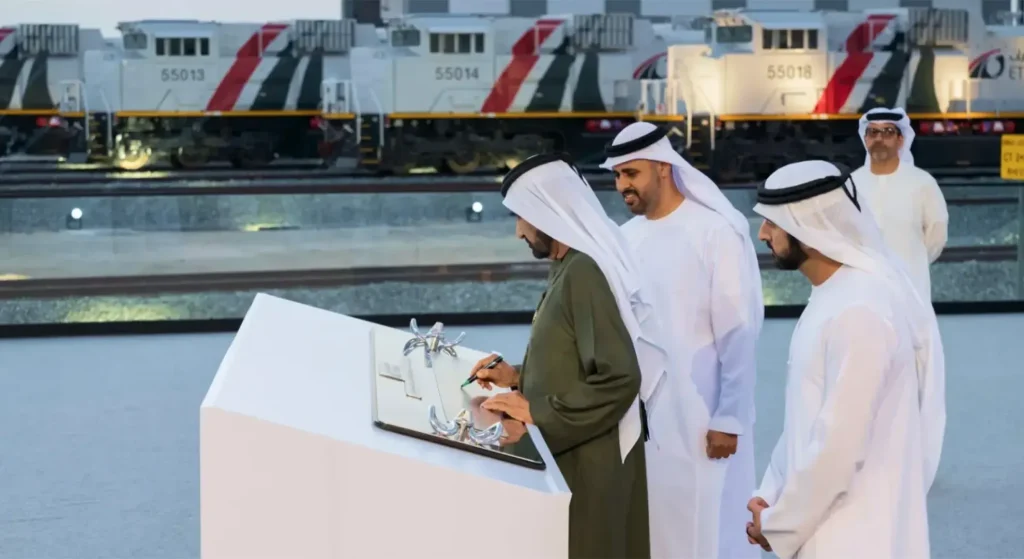
5. Proposed shuttle services to Abu Dhabi airport
Etihad Rail is also looking at ways to make air and rail travel more closely connected, with a particular focus on passengers arriving at or departing from Abu Dhabi’s main international airport.
As part of this effort, the rail network has entered into an agreement with Etihad Airways to explore how the two transportation systems can work together more efficiently. One of the key areas being examined is the possibility of introducing dedicated shuttle buses between Zayed International Airport and the Mohammed Bin Zayed City passenger station.
If introduced, these shuttle services would provide passengers with a convenient connection between the airport and the Etihad Rail network. Travellers arriving at Zayed International Airport would potentially be able to continue their journey by road to the nearby railway station and then board a train to their destination. Similarly, passengers travelling by train could use the proposed shuttle service to reach the airport.
The idea is intended to reduce the difficulties that passengers can face when combining air and rail transportation. At present, travelling between an airport and a railway station may require passengers to arrange separate taxis or other forms of transportation. A dedicated connection could make the transfer more straightforward and create a more coordinated travel experience.
The partnership between Etihad Rail and Etihad Airways goes beyond the proposed bus service. The two organisations are also examining the possibility of creating an integrated booking experience that combines air and rail journeys.
Under such an arrangement, passengers could potentially plan different parts of their journey through a more connected booking system instead of having to organise every stage separately. This could be particularly useful for international travellers who need to combine a flight with a rail journey to reach another part of the UAE.
The agreement was signed during the Arabian Travel Market, highlighting the growing importance of integrated transport services within the country’s tourism and travel infrastructure.
Making airport-to-rail transfers easier
The proposed airport shuttle is significant because convenient connections between different forms of transportation can have a major impact on the overall passenger experience.
A railway station by itself does not necessarily provide a complete travel solution. Passengers also need an efficient way to reach the station from airports, residential areas, hotels and other important locations. By connecting Zayed International Airport with the Mohammed Bin Zayed City station, the proposed shuttle could help bridge this gap.
For visitors arriving in Abu Dhabi, the service could provide an easier transition from air travel to rail travel. Instead of finding a separate means of transport after landing, passengers could potentially use a dedicated transfer service designed specifically to connect the airport with Etihad Rail.
The same system could work in the opposite direction. Passengers travelling from another emirate to Abu Dhabi by train could use the shuttle to reach the airport for onward flights.
Such connections could also become increasingly relevant as the UAE continues to expand its national railway network. As more passenger stations become operational, demand for convenient links between railway stations and airports is expected to grow.
The partnership with Etihad Airways therefore represents an effort to connect two major parts of the country’s transportation infrastructure: aviation and rail.
Dubai station set for September opening
Meanwhile, another major milestone for Etihad Rail is approaching in Dubai.
The Dubai passenger station is scheduled to begin operations on September 30, marking an important step in the expansion of passenger rail services across the UAE. The opening is planned alongside the launch of Al Dhaid Station in Sharjah.
The Dubai station is located in Al Yalayis and is expected to provide passengers with a direct rail connection to other parts of the country. Its opening will further expand the number of destinations that can be reached by passenger train.
For people travelling between Dubai and Abu Dhabi, the railway is expected to offer a journey time of approximately 57 minutes. According to the information released about the service, this could reduce travel times by as much as 40 per cent compared with existing options, depending on the journey and the point of comparison.
The shorter journey time is one of the major features of the passenger rail network. A faster intercity connection could provide an alternative to road travel for commuters, business travellers, tourists and residents travelling between the two emirates.
The introduction of passenger rail also represents a significant development in the UAE’s wider public transportation system. Dubai and Abu Dhabi are major centres for employment, tourism, business and government activity, resulting in substantial daily movement between the two cities.
A direct train service could therefore provide another option for people making this journey.
Nol cards to be accepted for train travel
Another feature expected to make rail travel easier for passengers in Dubai is the planned integration of Etihad Rail with the existing Nol payment system.
Passengers will be able to use their existing Nol cards to pay for train journeys across the rail network. This follows an agreement between Dubai’s Roads and Transport Authority and Etihad Rail that was signed in February 2024.
The use of Nol cards could make the transition from Dubai’s urban public transportation system to intercity rail considerably more convenient.
Nol cards are already used by passengers across Dubai’s public transport network. Allowing the same payment method to be used for Etihad Rail means passengers may not need to maintain a completely separate payment system when travelling between different modes of transportation.
For regular commuters, this type of integration can make the overall travel process simpler. A passenger could use public transportation within Dubai, connect to the Etihad Rail network and continue to another emirate while relying on an integrated payment arrangement.
The development also reflects the wider strategy of connecting Dubai’s Metro, road transport and national railway services.
A more connected national transport network
The combination of airport shuttles, passenger rail services and integrated payment systems demonstrates how the UAE is developing its transportation network as a connected system rather than a collection of separate services.
Etihad Rail is intended to provide intercity rail connections, while local transportation networks such as Dubai Metro and buses can handle shorter journeys. Airport shuttle services could fill another important gap by connecting major aviation hubs with railway stations.
For passengers, the success of this approach will depend heavily on how smoothly these different services work together. Convenient transfers, coordinated schedules, accessible stations and straightforward ticketing can all play an important role in determining how useful the network becomes.
The proposed shuttle connection between Zayed International Airport and Mohammed Bin Zayed City station is therefore an important part of the broader picture. Although the dedicated service is still being studied, its proposed introduction could make it easier for international travellers and residents to combine flights with rail journeys.
At the same time, the upcoming Dubai station and Al Dhaid Station will expand the country’s passenger rail footprint. The expected 57-minute journey between Dubai and Abu Dhabi will provide a new option for one of the UAE’s busiest intercity travel routes.
With Nol card integration also planned, passengers in Dubai will have a more familiar way to access the railway system.
Taken together, these developments point toward a future in which air travel, intercity trains, Metro services, buses and other forms of transportation are increasingly interconnected. Rather than treating each journey as a separate trip, the UAE is working toward a transport system where passengers can move between different modes with fewer obstacles.
The September 30 opening of the Dubai station will therefore be more than the launch of another railway facility. It will represent another stage in the country’s wider effort to establish an integrated national transportation network, connecting major cities, airports and local public transport systems.
As Etihad Rail continues to expand, further details about shuttle operations, integrated ticketing, station facilities and connections with other transport services are expected to emerge. These developments will determine how passengers ultimately use the railway and how effectively it becomes part of everyday travel across the UAE.