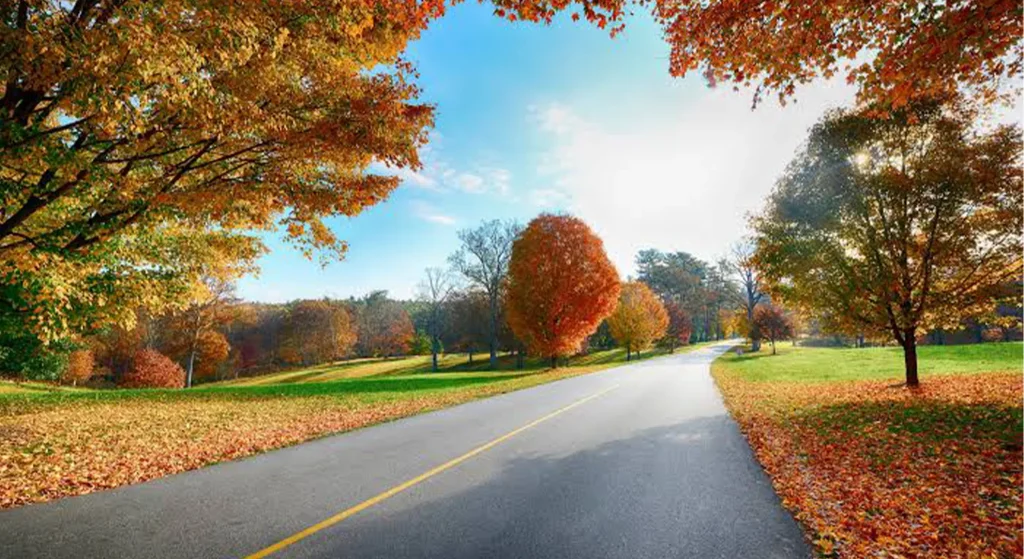
As the United Arab Emirates prepares for the official arrival of autumn this September 23, residents can finally look forward to a welcome shift as scorching summer heat begins to gracefully give way to milder, refreshing temperatures nationwide.
UAE to Welcome Autumn on September 23 as Temperatures Gradually Begin to Cool Across the Country.
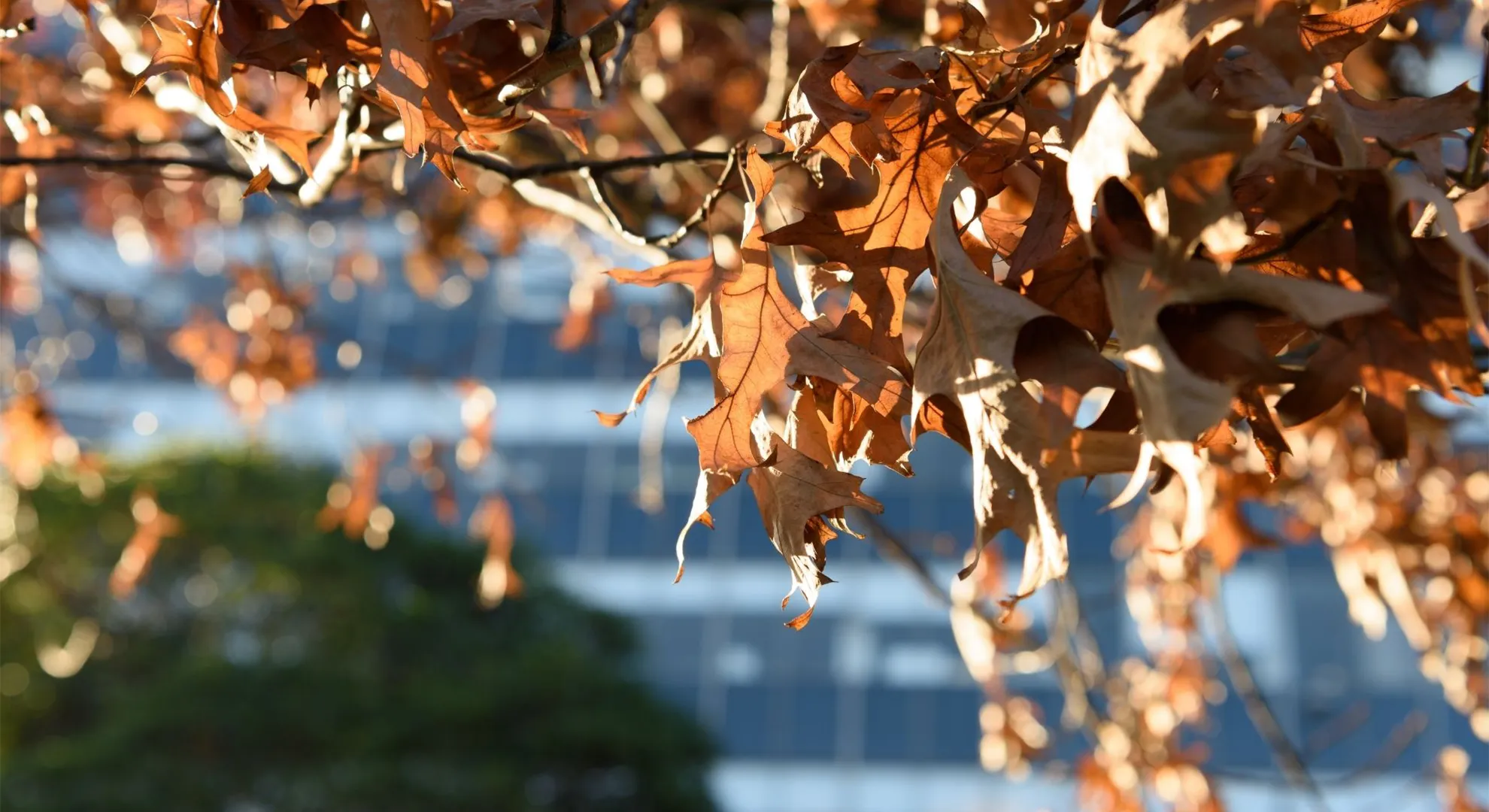
During the initial weeks of the autumn season, atmospheric moisture levels are forecasted to rise noticeably, frequently bringing misty conditions and low-visibility fog that blankets the landscape during the tranquil early morning hours.
Anticipating Autumn: A Comprehensive Look at the UAE’s Seasonal Transition
As the scorching intensity of summer finally begins to lose its grip across the United Arab Emirates, the nation stands on the threshold of a much-anticipated meteorological and astronomical shift. According to precise calculations shared by prominent regional experts, the official arrival of autumn is slated for Wednesday, September 23, bringing with it a welcome sense of relief for residents weary of months of relentless heat.
The Astronomical Arrival of a New Season
The transition from summer to autumn will officially commence in the early hours of the morning, specifically at 4:05 AM. At this precise moment, stargazers and astronomy enthusiasts who look toward the eastern horizon at dawn will be greeted by a magnificent celestial display. A brilliant alignment of notable constellations and star clusters—including Gemini, Taurus, Leo, Sirius, Canopus, and the Pleiades—will adorn the predawn sky, marking the cosmic beginning of the transitional period.
Ibrahim Al Jarwan, Chairman of the Board of Directors of the Emirates Astronomical Society and a respected member of the Arab Union for Astronomy and Space Sciences, has provided a detailed roadmap of what the coming months hold for the region’s climate and weather patterns.
Temperature Fluctuations Throughout the Season
The evolution of temperatures over the course of autumn showcases a dramatic and steady cooling trend as the region moves away from peak summer conditions:
- Early Autumn: As the season kicks off in late September, the average daily high temperature hovers around a warm $39\degree\text{C}$, gradually tapering off to a more manageable low of $26\degree\text{C}$ during the cooler parts of the day.
- Mid-Autumn: By the time early November arrives, the climate shifts noticeably. Daytime highs moderate to a comfortable $31\degree\text{C}$, while overnight and early morning lows dip to a refreshing $18\degree\text{C}$.
- Late Autumn: As the season draws to its close around December 22, coinciding precisely with the winter solstice, temperatures reach their coolest levels. Daytime highs peak at a mild $25\degree\text{C}$, while overnight lows drop to a chilly $13\degree\text{C}$.
Atmospheric Shifts: Humidity, Fog, and Rain
Beyond the dropping thermometer, the shifting seasonal patterns bring distinct atmospheric phenomena across the country:
- Humidity and Morning Fog: During the initial weeks and the first half of autumn, atmospheric moisture levels tend to surge. This increase in humidity frequently gives rise to dense fog formations that blanket parts of the landscape during the tranquil early morning hours, requiring extra caution from commuters.
- The Approach of Winter Clouds: Looking further ahead into the calendar, the skies will begin to transform once again. Winter cloud formations are expected to make their appearance by mid-October. Furthermore, as the season progresses past its midpoint, the statistical likelihood of rainfall begins to rise significantly, hinting at the wetter months ahead.
“The transition into autumn offers a vital climatic reset for the UAE, providing residents with comfortable outdoor conditions while setting the stage for the cooler winter months.”
The Arrival of the Autumn Equinox: Agricultural Renewal and Astronomical Shifts in the UAE
The changing of the seasons across the Arabian Peninsula brings far more than just a welcome drop in temperature; it marks a profound biological and astronomical turning point. As the intense heat of summer steadily recedes, the landscape prepares for a vibrant period of renewal. Drawing from official insights shared with the Emirates News Agency (WAM) by Ibrahim Al Jarwan, this transitional window serves as the cornerstone for agricultural activity, while the skies above undergo precise celestial alignments that govern the rhythm of nature.
The Prime Window for Agricultural Revival
One of the most significant aspects of the early autumn season is its vital importance to agriculture and plant cultivation. According to Al Jarwan, the initial half of the autumn season is widely recognized and celebrated as the absolute best time of the year for planting activities throughout the entire Arabian Peninsula.
During this crucial agricultural window, farming communities and green spaces undergo intense preparation. The soil, cooling down from the scorching summer months, becomes exceptionally receptive to new life. Gardeners and farmers engage in several essential cultivation practices:
- Seedling Transplantation: Delicate young plants started indoors or in protected nurseries are successfully moved to open fields and garden beds to establish strong root systems.
- Sapling Establishment: Young trees and shrubs are planted across farms, orchards, and urban landscapes, benefiting from the moderate weather that helps them avoid heat shock.
- Sowing Seeds: Seeds for the diverse autumn agricultural season are planted widely, setting the stage for robust crop growth and a flourishing harvest in the months ahead.
This harmonious synchronization with nature ensures that flora can root deeply before the deeper chill of winter arrives, maximizing productivity and agricultural success across the region.
The Science and Mechanics of the Autumnal Equinox
Beyond terrestrial growth, autumn is formally heralded by a distinct celestial milestone known as the autumnal equinox. From an astronomical perspective, this event takes place precisely when the sun reaches a position directly perpendicular to the Earth’s equator. As the Earth continues its orbital journey, the sun begins its apparent declination toward the southern hemisphere.
This unique alignment triggers a specific balance in daily illumination across the globe:
- Equal Day and Night: On the exact day of the equinox, the duration of daylight and the duration of nighttime achieve a near-perfect equilibrium, dividing the 24-hour cycle into equal parts of light and darkness.
- Shifting Daylight Hours: This balance is fleeting, however. Just a week following the equinox, a noticeable shift occurs. The balance tips, causing the duration of the night to gradually increase at the expense of daylight, lengthening the dark hours as winter approaches.
Celestial Shadows and the Passage of Time
In addition to shifting daylight hours, the changing angle of the sun creates observable alterations in shadows across the United Arab Emirates. Observers tracking solar positions will notice specific measurements regarding midday shadows at the dawn of the season:
- At the very beginning of autumn, the length of the midday shadow in the UAE closely measures up to roughly half the length of a right-hand shadow.
- As the season progresses and the sun sinks further southward, this shadow dynamic shifts, steadily increasing in length as the days grow shorter and the sun’s path across the sky dips lower.
“The autumnal equinox acts as nature’s metronome, synchronizing agricultural cycles on the ground with precise cosmic movements in the sky above.”