Watch: Torrential Showers Sweep Several Parts of the UAE, Bringing Temporary Relief as the Intense Summer Heat Gradually Eases and temperatures are expected to become more moderate in the coming days.
Watch: Heavy Rain Sweeps Across Parts of UAE as Summer Heat Begins to Ease.
The UAE’s coolest reading today was recorded at Jebel Jais in Ras Al Khaimah, where temperatures dipped to 26.9°C. The mountain area experienced noticeably milder conditions compared with much of the country, offering a brief respite from the prevailing summer heat.
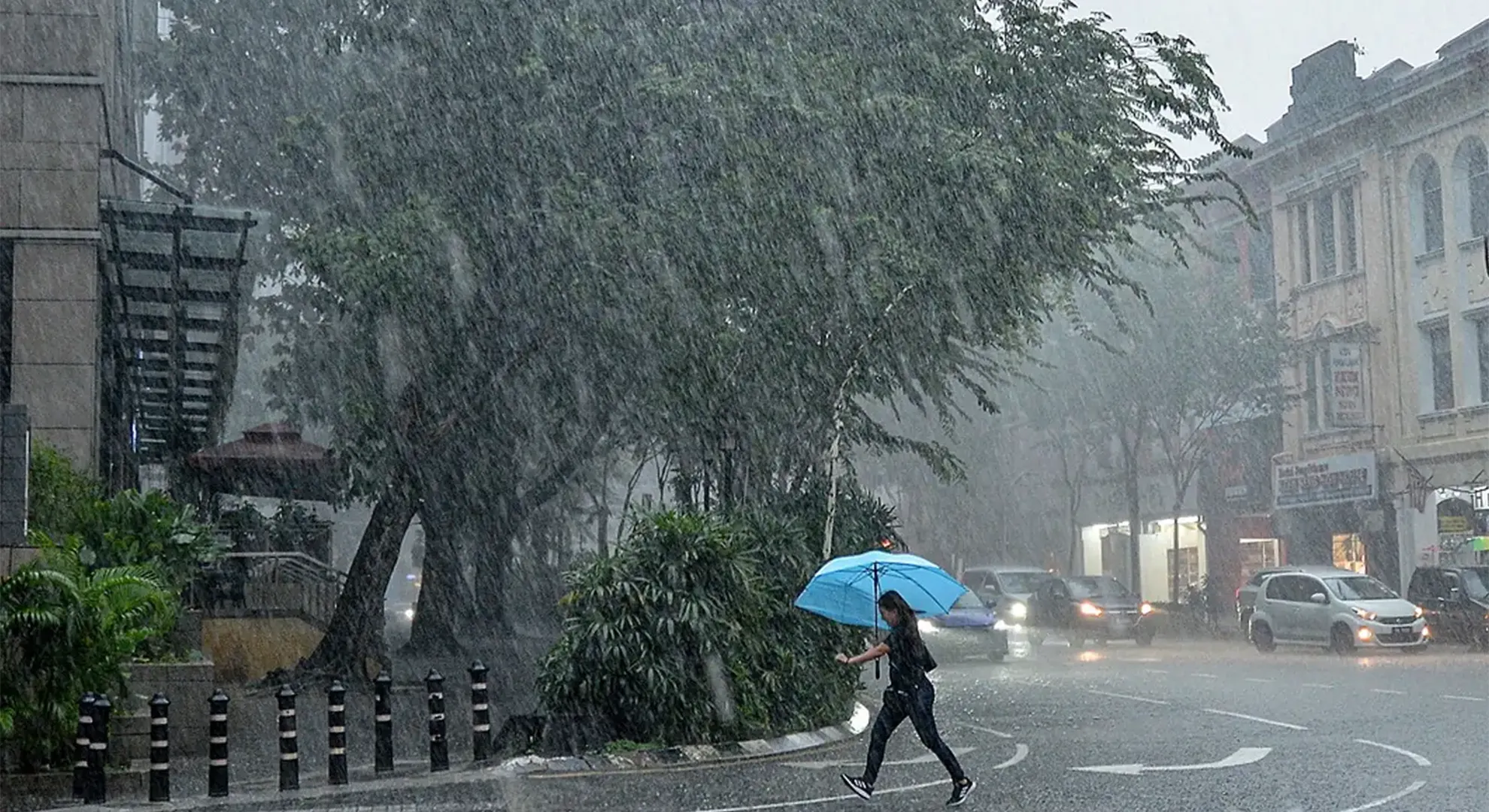
Several parts of the UAE experienced heavy rainfall on Sunday, August 23, as unstable weather conditions brought a noticeable shift to the country’s typical peak-summer pattern. The showers affected areas across the country, with some locations experiencing strong winds and intense downpours.
The weather change came during a period when temperatures across the UAE have remained exceptionally high. The combination of scorching daytime heat and sudden rainfall created contrasting conditions in different parts of the country, with some areas recording intense summer storms while others continued to experience very high temperatures.
The National Centre of Meteorology (NCM) issued weather alerts for several parts of the country, including orange and yellow warnings related to rainfall. The alerts remained in place until 10pm, with residents advised to remain cautious and pay close attention to official weather updates.
Authorities urged members of the public to take extra care when planning outdoor activities during the unstable conditions. People were also advised to remain aware of potentially hazardous weather, particularly in areas experiencing heavy rain, strong winds or reduced visibility.
Videos circulated by the Storm Centre captured the intensity of the weather in Sa’a, located in the Al Ain area. The footage showed significant rainfall moving across the desert landscape, accompanied by strong winds.
The scenes offered a striking contrast to the dry and extremely hot conditions that have characterised much of the UAE’s summer. Sudden rainfall can create challenging conditions on roads and in open areas, particularly when strong winds accompany the showers.
Residents were therefore encouraged to avoid unnecessary exposure to unstable weather and to stay informed about changing conditions through official channels.
Extreme temperature differences
Despite the rainfall experienced in several areas, the UAE continued to record exceptionally high temperatures on Sunday.
The country’s highest temperature reached 49.3°C in Sweihan, in the Al Ain area, at approximately 2.30pm. The reading highlights the intensity of the summer heat that continues to affect the country even as some regions experience thunderstorms and heavy showers.
At the other end of the scale, Jebel Jais in Ras Al Khaimah recorded the UAE’s lowest temperature of the day, with the mercury falling to 26.9°C.
The difference between the country’s highest and lowest readings demonstrates the considerable variation in weather conditions across the UAE. Mountainous areas such as Jebel Jais can experience noticeably cooler temperatures compared with lower-lying parts of the country, particularly during certain weather patterns.
The combination of extreme heat, rainfall and strong winds means residents should remain attentive to weather developments before heading outdoors. Conditions can change quickly during periods of unstable weather, making regular updates from official authorities particularly important.
Authorities urge residents to stay informed
With weather conditions changing across different parts of the UAE, residents have been advised to rely on information provided by official sources rather than unverified reports circulating online.
Authorities have encouraged people to monitor forecasts and warnings issued by the National Centre of Meteorology. Residents should also be prepared to follow instructions from relevant authorities if conditions become hazardous in their areas.
The public has been reminded not to spread rumours or share unconfirmed information about the weather. During periods of heavy rain and strong winds, inaccurate reports can create unnecessary concern and make it more difficult for people to distinguish between genuine warnings and misleading information.
Following official updates can help residents make informed decisions about travel, outdoor activities and other plans. Those living in areas affected by heavy rainfall are also encouraged to exercise additional caution while travelling.
Motorists, in particular, should remain alert when driving during periods of intense rain. Water on roads, sudden reductions in visibility and strong winds can make driving more difficult, while changing conditions may require drivers to adjust their speed and maintain greater distances from other vehicles.
Abu Dhabi takes precautionary measures
The recent unstable weather has also prompted precautionary action in Abu Dhabi.
Abu Dhabi City Municipality temporarily closed public parks, recreational facilities and affiliated beaches as a safety measure. Events at the affected facilities were also suspended until further notice.
The decision was taken in response to changing weather conditions and heavy rainfall reported in several parts of the emirate. Officials said the measures were intended to protect residents and visitors while helping maintain public safety during the unsettled weather.
Temporary closures of public spaces are among the precautionary steps authorities can take when weather conditions become unpredictable. Parks, beaches and recreational areas can present additional risks during periods of strong winds or heavy rain, particularly when conditions deteriorate quickly.
Residents were therefore encouraged to respect temporary restrictions and follow any instructions issued by local authorities.
The precautionary measures also serve as a reminder that weather conditions can vary considerably even within the same emirate. While one area may experience relatively calm conditions, another location can be affected by heavy showers, strong winds or other hazards.
A noticeable change during peak summer
Rainfall during the UAE’s hottest months can be particularly striking because it occurs against a backdrop of extremely high temperatures.
The country’s summer climate is generally associated with intense heat and high humidity, especially in low-lying coastal areas. However, atmospheric changes can occasionally result in cloud development, rainfall and strong winds in parts of the country.
Sunday’s weather provided a clear example of this contrast. While temperatures climbed close to 50°C in Sweihan, heavy showers were recorded elsewhere, including the Al Ain region.
The rainfall also produced dramatic scenes in desert areas, where strong winds and showers temporarily transformed the normally dry landscape.
For residents, such weather can bring temporary relief from the heat, but heavy rainfall can also create potentially dangerous conditions. The sudden transition from extremely hot and dry weather to intense showers means people should not assume that rain automatically signals safe or comfortable outdoor conditions.
Instead, residents are encouraged to check the latest forecast before travelling or organising outdoor activities.
What residents should keep in mind
During periods of unstable weather, residents can take several simple precautions to reduce potential risks. Keeping track of official weather alerts is particularly important when orange or yellow warnings have been issued.
People planning to spend time outdoors should reconsider their plans if heavy rainfall, strong winds or hazardous conditions are expected. Those already outside should seek appropriate shelter if weather conditions deteriorate.
Drivers should also exercise caution during heavy showers. Wet roads, standing water and reduced visibility can make journeys more challenging, especially when rain becomes intense within a short period.
Residents should avoid relying on unofficial social media posts for safety information. While videos and photographs can provide a useful picture of conditions in different areas, official forecasts and alerts remain the most reliable source for warnings and instructions.
Authorities have also stressed the importance of avoiding rumours. Sharing inaccurate information during severe weather can cause confusion and may distract from genuine safety messages.
Weather conditions remain closely monitored
The latest rainfall comes as UAE authorities continue monitoring atmospheric conditions across the country. Weather systems can develop and move between different areas, meaning forecasts and warnings may be updated as conditions evolve.
The National Centre of Meteorology plays a central role in tracking these changes and issuing alerts when necessary. Residents are encouraged to regularly check official forecasts rather than relying on a single weather update, particularly when planning journeys or outdoor activities.
The contrasting temperatures recorded on Sunday also underline the importance of checking conditions for a specific location. Weather in one part of the UAE may differ significantly from conditions just a few kilometres away, particularly between desert, coastal and mountainous areas.
For those in Abu Dhabi, Al Ain, Ras Al Khaimah and other areas affected by the changing weather, remaining cautious and informed is especially important.
Rain brings a temporary break from the heat
The arrival of heavy showers in parts of the UAE has offered a dramatic change from the intense summer conditions that have dominated the country in recent weeks.
However, the rainfall should not be viewed as an end to the summer heat. Temperatures remain extremely high in many areas, as demonstrated by the 49.3°C reading recorded in Sweihan.
At the same time, Jebel Jais provided a much cooler contrast, recording the country’s lowest temperature of 26.9°C.
The wide variation in temperatures and weather conditions highlights the UAE’s diverse landscape and the rapidly changing nature of summer weather.
As authorities continue monitoring the situation, residents are encouraged to remain cautious, check official forecasts and follow instructions issued by local authorities. Those planning outdoor activities should take weather alerts into account and be prepared to change their plans if conditions worsen.
For now, the heavy rain serves as another reminder that even during the UAE’s hottest period of the year, weather conditions can change quickly. Staying informed and following official safety guidance remains the best way for residents and visitors to navigate these changing conditions safely.
Why does the UAE experience rain during the height of summer?
Rainfall during the hottest part of the UAE’s summer may seem unusual, particularly when daytime temperatures are approaching 50°C. However, high temperatures do not automatically prevent rain from developing. Under the right atmospheric conditions, intense summer heat can actually help create the clouds needed for showers and thunderstorms.
According to the National Centre of Meteorology (NCM), weather patterns affecting the region can draw additional moisture from the Sea of Oman. This moisture can combine with the intense heating of the land during the day, creating an environment that is favourable for the development of convective clouds.
The UAE’s eastern mountain ranges can also play an important role in this process. As warm, moist air moves towards the mountains, the terrain can encourage the air to rise. When the rising air cools and atmospheric conditions are suitable, clouds can develop and grow vertically.
These clouds may produce rainfall with varying intensity. Some areas could experience relatively light showers, while others may see heavier downpours accompanied by gusty winds or thunderstorms.
The timing of these showers is also significant. Convective activity is often more likely during the afternoon because the ground has been strongly heated throughout the morning and early part of the day. This heating can increase instability and encourage air to rise.
As a result, residents may see clouds building over mountainous and inland areas during the afternoon before showers develop.
Low-pressure systems add to the changing conditions
The development of rain is not caused by high temperatures alone. Larger atmospheric systems can also influence the weather across the UAE.
The NCM said an extension of a surface low-pressure system from the east is expected to affect conditions across the country. A weak upper-air low-pressure system is also influencing the atmosphere.
Low-pressure systems can contribute to atmospheric instability and help create conditions that are more favourable for cloud formation. When these systems interact with moisture, heat and local geography, the chances of convective cloud development can increase.
This helps explain why heavy rainfall can occur in the UAE even while other parts of the country continue to experience extremely high temperatures.
Weather conditions can also vary considerably from one emirate to another. A location experiencing intense sunshine and extreme heat may be relatively close to another area receiving heavy showers. The country’s combination of mountains, desert and coastal environments contributes to these local variations.
How intense summer heat helps create clouds
The idea that very hot weather can contribute to rainfall may initially sound contradictory. In reality, strong surface heating is one of the ingredients that can encourage convective clouds to develop.
During the summer, the UAE’s land surface becomes extremely hot under prolonged sunshine. The air close to the ground warms as a result. Warm air is lighter than cooler air, so it can rise into the atmosphere.
If sufficient moisture is available, the rising air can cool and condense as it moves higher. This process can lead to the formation of clouds.
When the atmosphere is unstable enough, these clouds can continue growing vertically. Larger convective clouds may then produce heavy rain, strong winds and, in some cases, thunderstorms.
However, heat alone is not enough.
The atmosphere also needs an adequate supply of moisture and other favourable conditions. Without moisture, extremely hot air may simply remain hot and dry without producing meaningful rainfall.
Moisture is a key ingredient
One of the most important factors behind summer rainfall is the availability of moisture.
The UAE is surrounded by large bodies of water, including the Arabian Gulf and the Sea of Oman. Under certain weather patterns, humid air can move inland and provide the moisture required for cloud development.
The Sea of Oman can be particularly relevant when atmospheric circulation draws moisture towards the eastern parts of the Arabian Peninsula.
Once humid air reaches areas experiencing strong surface heating, the combination can become favourable for convection.
Humidity therefore acts as an important component in the process. Warm air that contains sufficient moisture can rise, cool and condense, helping clouds form and develop.
The presence of mountains can further enhance this process by forcing moist air upwards.
The role of the eastern mountains
The UAE’s eastern mountain region can have a significant influence on local summer weather.
Mountainous terrain changes how air moves through the atmosphere. When humid air approaches elevated terrain, it can be forced to rise. Rising air expands and cools, increasing the potential for condensation and cloud formation when sufficient moisture is present.
This is one reason why parts of the eastern UAE can experience summer showers while other areas remain dry.
The interaction between terrain and atmospheric conditions can also result in highly localised rainfall. A storm may develop over or near mountainous areas without producing significant rain across the entire country.
For residents, this means weather conditions can change considerably over relatively short distances.
Why temperatures can remain extremely high during rainfall
Another interesting feature of UAE summer weather is that heavy rain and extreme temperatures can occur on the same day.
The presence of rainfall in one part of the country does not necessarily mean temperatures will fall everywhere. While clouds and showers may temporarily cool an affected area, locations outside the rainfall zone can continue experiencing intense heat.
This explains how the UAE can record temperatures close to 50°C while simultaneously seeing heavy showers elsewhere.
The weather system may cover only certain parts of the country, and rainfall can be highly localised. Some areas may experience a significant downpour, while others nearby see only clouds or no rain at all.
This contrast is particularly common during convective weather events.
Summer heat does not automatically mean dry conditions
The relationship between temperature and rainfall is more complicated than simply assuming that hotter conditions mean drier weather.
For rainfall to develop, several atmospheric ingredients need to come together. These include sufficient moisture, humidity, instability, suitable wind patterns and supportive conditions at different levels of the atmosphere.
The NCM has explained that intense summer heating can encourage convective cloud development, but heat by itself cannot generate rain.
Moisture is essential. Atmospheric instability is also important because it allows warm air to continue rising. Upper-level weather systems can provide additional support, while winds help transport moisture and influence the movement and development of clouds.
When these factors coincide, rainfall can occur even when surface temperatures are exceptionally high.
What is the Suhail star and why is it significant?
The weather pattern is also changing as the Suhail star becomes visible in the sky.
Suhail, sometimes referred to as the “Star of Yemen”, has traditionally been associated with the seasonal transition in the Arabian Peninsula. Its appearance is often linked in local culture and weather traditions with the gradual movement away from the most intense phase of summer.
The star is expected to rise on August 24. According to the traditional understanding, its appearance marks the beginning of a roughly 40-day period of gradual seasonal transition.
This period is commonly known as “Sufriya”.
While the appearance of Suhail does not mean that summer temperatures immediately disappear, it is traditionally regarded as an indicator that the region is beginning to move towards comparatively milder conditions.
In practical terms, the transition is gradual rather than sudden. The UAE can continue experiencing very high temperatures even after Suhail becomes visible, but temperatures may begin to moderate over time.
Summer temperatures expected to gradually ease
The arrival of Suhail is therefore being watched closely as the UAE moves beyond the most intense phase of the summer season.
Temperatures are expected to gradually decline, although the country will still experience hot conditions. The transition towards cooler weather generally happens over time rather than overnight.
Residents should therefore not expect an immediate end to extreme heat simply because the star becomes visible.
Instead, the period marks a gradual shift in seasonal conditions. Nights and early mornings may eventually become more comfortable, while daytime temperatures slowly move away from their summer peaks.
The exact pace of this transition can vary depending on weather systems and local conditions.
Could cloud seeding have contributed to the rainfall?
Questions about cloud seeding often arise whenever significant rainfall occurs in the UAE.
The NCM previously told INSIDER 18 that cloud-seeding flights had been carried out during an earlier period of rainfall when suitable clouds were identified.
Cloud seeding is conducted under specific conditions and requires clouds that are considered appropriate for such operations. It is not a process that can create rain from completely clear skies.
The NCM has emphasised the importance of natural atmospheric conditions in the formation of rainfall. For clouds to develop sufficiently, there must already be an appropriate combination of moisture, instability and other meteorological factors.
This distinction is particularly important during periods of heavy summer rain. The presence of cloud-seeding operations does not mean that high temperatures or clear skies can simply be transformed into rainfall.
Several atmospheric ingredients must align
The formation of rain in the UAE is the result of multiple processes working together.
First, strong sunlight heats the land surface. This creates rising warm air and can increase atmospheric convection.
Second, moisture must be available. Humid air from nearby seas can provide the water vapour required for clouds to form.
Third, the atmosphere must be unstable enough to allow rising air to continue moving upwards rather than quickly settling back towards the surface.
Fourth, wind patterns need to be favourable. Winds can transport moisture, influence cloud development and determine where rainfall eventually occurs.
Finally, conditions higher in the atmosphere can play a role. Upper-air troughs and low-pressure systems can contribute to instability and provide additional support for cloud growth.
When these ingredients occur together, towering convective clouds can form. Such clouds can produce intense showers, gusty winds and thunderstorms despite the extremely high temperatures at ground level.
Why rainfall can be highly localised
One of the most noticeable characteristics of summer rainfall in the UAE is how unevenly it can be distributed.
A storm may produce heavy rain in one town or neighbourhood while nearby areas remain completely dry. This is because convective clouds can develop in relatively confined areas rather than covering the entire country.
The influence of mountains, local heating, moisture and wind can all determine where clouds form and how they move.
For this reason, residents should avoid assuming that weather conditions reported in one part of the UAE will necessarily occur in another.
Someone in an eastern mountainous area could experience heavy rain while people in coastal or western areas continue to see clear skies and high temperatures.
A seasonal transition is beginning
The combination of recent rainfall, changing atmospheric conditions and the appearance of Suhail points towards a gradual shift in the UAE’s weather pattern.
The country is still firmly within its hot season, and temperatures can remain extremely high. However, the atmospheric setup is becoming more favourable for occasional cloud development and rainfall in certain areas.
The appearance of Suhail is also traditionally viewed as a sign that the most intense phase of summer is beginning to pass.
For residents, this does not mean that hot weather is immediately over. Instead, it signals the beginning of a longer transition towards more moderate conditions.
As the weeks progress, temperatures are expected to gradually ease, although hot and humid days will continue for some time.
What residents should expect
Residents can expect weather conditions to remain variable, particularly in areas where moisture and instability combine with strong daytime heating.
Afternoon cloud formation may continue in some locations, with the possibility of rainfall varying from one area to another. Eastern and mountainous regions may remain more susceptible to convective activity when the necessary atmospheric conditions are present.
At the same time, other parts of the UAE can continue experiencing very high temperatures.
People planning outdoor activities should therefore continue checking official forecasts and weather alerts. Sudden changes in conditions can produce heavy rain or strong winds within a relatively short period.
The safest approach is to rely on updates from the NCM and follow any instructions issued by local authorities.
Heat, moisture and changing seasons
The UAE’s summer rainfall demonstrates that extreme heat and rain are not necessarily mutually exclusive. The atmosphere can support significant cloud development when heat, moisture, instability, terrain and suitable weather systems interact.
As the Suhail star rises, the country is also entering a period traditionally associated with a gradual change in weather conditions. The transition will take time, but temperatures are expected to begin moving away from their seasonal extremes.
For now, residents may continue to experience a mixture of intense heat, humidity, clouds, strong winds and occasional rainfall depending on their location.
The changing conditions offer an early indication that the UAE’s weather is beginning to move towards its next seasonal phase. While summer is not ending immediately, the combination of atmospheric changes and the traditional arrival of Suhail suggests that a gradual shift towards cooler conditions is on the way.