Sharjah’s Ruler has encouraged the younger generation to live within their means, warning against taking on unnecessary loans simply to afford expensive vehicles or maintain a lavish lifestyle.
Sharjah Ruler Urges Young People to Avoid Debt and Focus on Responsible Spending Instead of Luxury Cars.
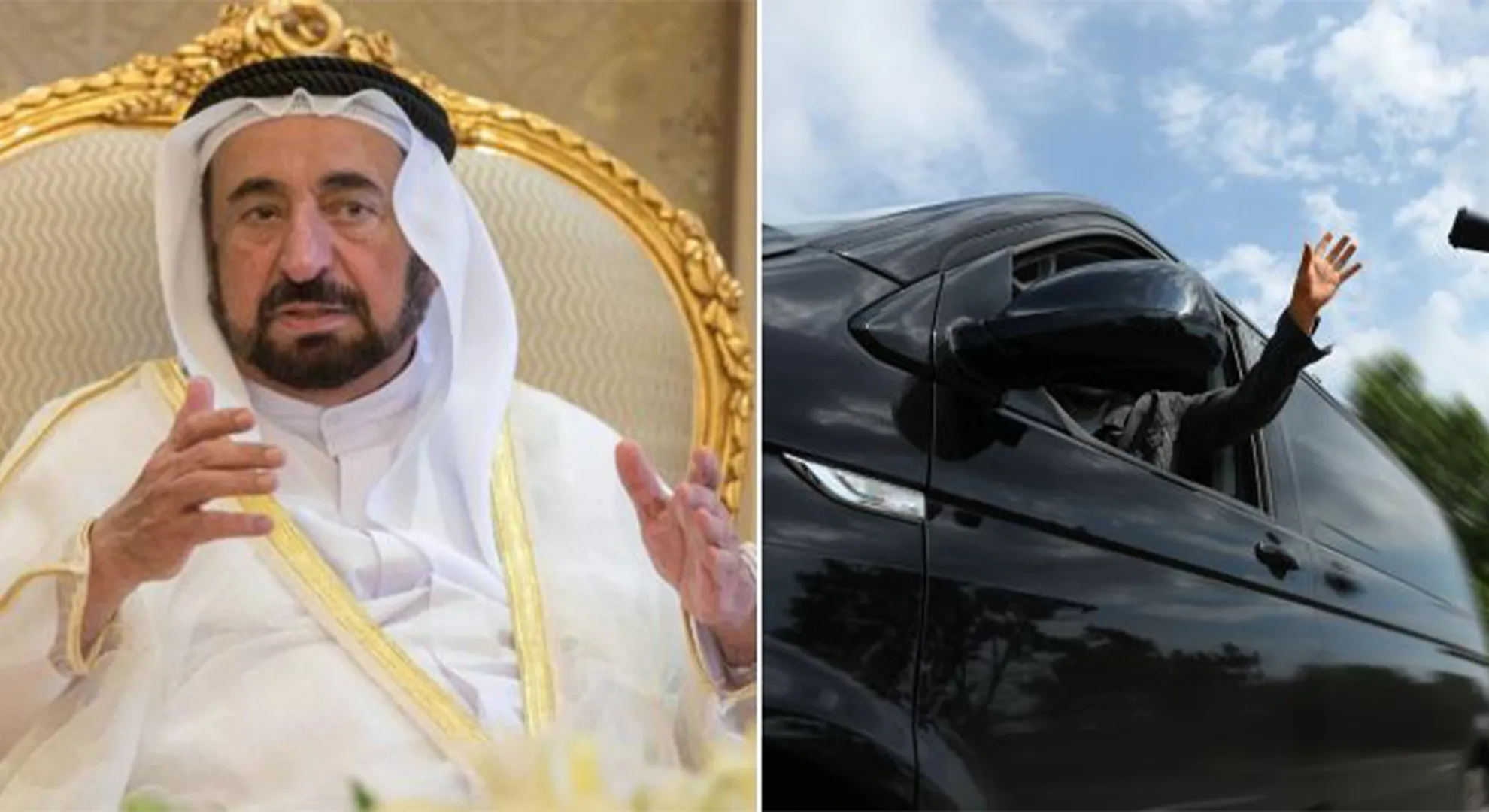
Sheikh Dr Sultan emphasises that education provides the foundation for career growth and success, while extending his best wishes to students as they pursue their professional ambitions.
Sharjah Ruler Encourages Youth to Prioritise Education, Family and Financial Responsibility
Young people should concentrate on building a strong foundation for their future rather than feeling pressured to spend beyond their means on luxury vehicles, Sheikh Dr Sultan bin Mohammed Al Qasimi, Supreme Council Member and Ruler of Sharjah, said on Wednesday.
His remarks came as the UAE marked International Youth Day, with the Sharjah Ruler using a direct-line programme to offer advice to younger members of society about education, employment, family life and responsible financial planning.
Sheikh Dr Sultan encouraged young people to think carefully about their priorities during the early stages of their working lives. Instead of taking on substantial financial commitments simply to own an expensive car, he urged them to focus on developing their careers, continuing their education, establishing families and creating a stable future.
He cautioned young people against committing themselves to loans or instalment plans that could become difficult to manage. According to his advice, purchasing a vehicle that is beyond one’s financial capacity can place unnecessary pressure on an individual, particularly when other expenses and responsibilities are also beginning to grow.
The Sharjah Ruler advised young people not to allow the desire to display wealth or keep up with others to influence their financial decisions. He encouraged them to move away from what he described as a culture of showing off and instead adopt a more practical approach to spending.
For young people who have only recently entered the workforce, he suggested that patience and gradual progress could ultimately provide greater financial security. Rather than trying to immediately purchase the most expensive vehicle available, they should allow themselves time to increase their income and strengthen their financial position.
Sheikh Dr Sultan said that there was nothing wrong with aspiring to own a luxury vehicle in the future. However, he stressed that such purchases should come after a person has established a stable financial base and can comfortably afford the associated costs.
He explained that within a few years, a young person who manages their finances carefully may be in a position to purchase a high-end car without placing themselves under excessive financial pressure.
His message was not intended to discourage young people from enjoying the benefits of their work. Instead, he urged them to ensure that expensive purchases do not come at the expense of more important long-term goals.
Building a family and securing a home were among the priorities he highlighted. He encouraged young people to think beyond immediate material possessions and consider the type of life they want to create over the coming years.
For those at the beginning of their careers, financial choices can have a significant impact on their ability to pursue these goals. Large monthly instalments can reduce the amount of money available for housing, education, family expenses, savings and other essential commitments.
By avoiding unnecessary debt at an early stage, young people can potentially give themselves greater flexibility as their careers develop.
The Sharjah Ruler also placed strong emphasis on education, describing it as an important factor in career progression. He highlighted the value of obtaining recognised academic qualifications and continuing to improve one’s knowledge and skills.
He explained that educational achievements can play a role in professional advancement. As employees gain additional qualifications, they may become eligible for promotions and greater responsibilities within their careers.
Sheikh Dr Sultan referred to qualifications ranging from diplomas and higher diplomas to master’s degrees and PhDs. He noted that each level of education can contribute to a person’s professional development and help them progress within their chosen field.
His comments reflect the broader idea that career development is not necessarily limited to a person’s first job or initial qualification. Continuing education can provide opportunities to expand knowledge, strengthen professional capabilities and qualify for positions with greater responsibility.
For young people deciding how to spend their time and resources, the advice places education among the investments that can deliver long-term benefits.
Rather than focusing exclusively on immediate financial rewards or material possessions, young people can use the early stages of their careers to build qualifications and experience that may support them throughout their working lives.
The Sharjah Ruler’s remarks also emphasised the importance of taking a long-term view of personal success. A young employee may not have the income necessary to afford every luxury at the beginning of their career, but this does not mean that such goals are permanently out of reach.
With experience, professional development and increased qualifications, income and career opportunities can improve over time. This gradual approach can allow people to enjoy greater financial freedom without taking on excessive debt.
His advice also highlights the importance of distinguishing between what a person wants and what they can realistically afford. Luxury vehicles may be attractive, but the cost of owning a car extends beyond the initial purchase price.
Monthly repayments, insurance, maintenance, fuel and other expenses can add to the overall financial commitment. For someone who is just beginning their career, these costs may place considerable pressure on their monthly budget.
Young people can therefore benefit from considering the wider financial consequences of major purchases before committing themselves to long-term instalment arrangements.
The Sharjah Ruler encouraged young people to be patient and avoid measuring their success by the possessions they acquire. Owning an expensive car should not be treated as the primary indicator of professional or personal achievement.
Instead, he suggested that young people should focus on creating a secure and meaningful life, including establishing a family, securing suitable housing and building a successful career.
These objectives require planning and stability, which can be made more difficult if an individual accumulates unnecessary financial obligations at an early stage.
The comments also serve as encouragement for young people who may feel social pressure to maintain a particular lifestyle. In an environment where luxury cars and expensive possessions can be highly visible, individuals may sometimes feel that they need to match the spending habits of their peers.
Sheikh Dr Sultan’s message was to resist that pressure and make decisions based on personal circumstances rather than appearances.
A person who has only recently started earning should not feel compelled to spend a large portion of their income on a vehicle simply to impress others. Instead, income can be directed towards more lasting goals, including savings, education, housing and family needs.
Financial discipline during the early years of employment can also provide greater opportunities later. As earnings increase, a person may be able to afford luxuries without compromising their financial stability.
The Sharjah Ruler’s comments therefore combined financial advice with a broader message about personal development. He encouraged young people to build their lives gradually and to recognise that professional and financial success generally takes time.
Education was presented as one of the key tools that can accelerate this development. Higher qualifications can expand a person’s knowledge and may open doors to new career opportunities.
He pointed out that employees with additional academic qualifications may receive promotions as they advance from one level of education to another. Diplomas, higher diplomas, master’s degrees and doctoral qualifications can all contribute to professional progression, depending on the career and organisation.
The message is particularly relevant to young people who are considering whether to continue their studies after completing an initial qualification. Further education can require time, effort and financial investment, but it can also strengthen professional skills and improve long-term career prospects.
Sheikh Dr Sultan’s advice suggests that young people should view education as an investment in themselves rather than simply another requirement to complete.
Knowledge and professional skills can remain valuable throughout a person’s career. Unlike many material possessions, education can continue to provide benefits as individuals move between roles and take on new responsibilities.
The Sharjah Ruler also encouraged young people to think about how their decisions today could influence their future families. Establishing a household involves responsibilities that extend beyond personal spending.
Housing, family expenses, education and other commitments can require careful financial planning. Taking on large debts for non-essential purchases before these responsibilities arise may limit a person’s ability to meet them comfortably later.
For this reason, maintaining reasonable spending habits during the early stages of adulthood can provide a stronger foundation for future family life.
His remarks also carried a message of moderation. He did not suggest that young people should completely avoid luxury or deny themselves enjoyable experiences. Instead, he encouraged them to wait until their financial circumstances allow them to make such purchases comfortably.
The idea is that a luxury car can be a reward for financial and professional progress rather than a source of financial strain at the beginning of a career.
A young person may eventually be able to afford the vehicle they want after gaining experience, increasing their income and establishing a stable household. At that point, the purchase may be less likely to interfere with essential responsibilities.
The advice also encourages young people to avoid judging themselves by what others own. Career paths and financial circumstances differ from one person to another, and comparing lifestyles can encourage unnecessary spending.
Instead, young people can measure progress through achievements such as gaining qualifications, developing professional expertise, building savings, supporting their families and securing a home.
The emphasis on education further reinforces the importance of investing in long-term personal growth. A person who continues learning can potentially develop new capabilities and become better prepared for changes in the workplace.
As industries evolve and professional requirements change, employees may need to update their knowledge or obtain additional qualifications. A commitment to education can therefore help young people remain adaptable throughout their careers.
Sheikh Dr Sultan’s message ultimately placed future stability above immediate appearances. He urged young people to think about where they want to be several years from now rather than focusing solely on what they can purchase today.
His advice was also framed around patience. Beginning a career is only the first step in a person’s professional journey. Income and opportunities can grow over time, allowing individuals to gradually improve their standard of living.
Rather than rushing into significant financial commitments, young people can take time to establish themselves, develop their careers and understand their financial responsibilities.
The guidance also highlights the importance of making informed choices about debt. Borrowing can sometimes be necessary for major purchases, but taking on debt for discretionary items can reduce financial flexibility.
Young people who are considering instalment plans can benefit from assessing whether the monthly payments fit comfortably within their income and whether the purchase could interfere with more important goals.
The broader message is one of responsible independence. Young people are encouraged to enjoy the benefits of their work while also recognising the responsibilities that come with adulthood.
Education, career development, family and housing can provide a stronger foundation for long-term success than the temporary status associated with an expensive vehicle.
Sheikh Dr Sultan’s comments also reflect the importance of creating realistic expectations for young workers. Not everyone needs to achieve every material goal immediately after entering employment.
Career development is a process, and financial circumstances can change as people gain experience. A person who begins with modest means can gradually improve their position through education, hard work and careful planning.
The Sharjah Ruler’s advice therefore encourages young people to focus on building rather than displaying wealth. The goal is to create genuine financial security instead of creating the appearance of wealth through borrowing.
His remarks on education reinforce this approach. Academic qualifications can contribute to career progression, while professional experience and skills can further strengthen a person’s prospects.
By combining education with responsible financial behaviour, young people can improve their ability to achieve personal and professional goals.
The advice also highlights the connection between career success and family stability. A secure career can provide the income needed to support a household, while responsible spending can ensure that earnings are not consumed by unnecessary financial commitments.
For young people planning to marry or establish a family, avoiding excessive debt can leave more room for future expenses and unexpected circumstances.
The message delivered on International Youth Day was therefore broader than a warning about expensive cars. It was an appeal for young people to think carefully about priorities, make responsible financial decisions and invest in their long-term development.
Sheikh Dr Sultan encouraged the younger generation to remain focused on education and professional advancement while preparing for important stages of life such as marriage and home ownership.
His comments suggest that material success should come as a result of personal and professional progress rather than being pursued at any cost.
A young person does not need to prove their success through an expensive car or other luxury items. Instead, success can be demonstrated through qualifications, career achievements, financial independence, family stability and the ability to plan confidently for the future.
The advice also carries a message of optimism. Young people who are beginning their careers may not have the resources to afford everything they want immediately, but they can work towards those goals over time.
With patience, education and responsible financial management, they may eventually reach a position where luxury purchases become affordable without creating excessive pressure.
For now, the focus should remain on building the foundations that make such future choices possible.
Sheikh Dr Sultan’s remarks ultimately encourage young people to take a measured approach to adulthood: learn continuously, develop professionally, establish a stable family life, plan for a home and manage money carefully.
Rather than allowing social expectations to dictate spending habits, young people can determine their own priorities and work towards sustainable success.
The message is particularly relevant to those at the beginning of their working lives, when financial habits and career decisions can have long-lasting consequences.
By prioritising education and professional growth, avoiding unnecessary debt and delaying major luxury purchases until they are financially comfortable, young people can create greater opportunities for themselves in the years ahead.
The Sharjah Ruler’s central message was therefore one of balance. Young people should not deny themselves every comfort, but they should also avoid placing themselves under unnecessary financial pressure merely to maintain an appearance of success.
With time, career progression and stronger financial foundations, the luxuries they aspire to can become achievable without compromising more important responsibilities.
His advice ultimately calls on the younger generation to invest in what can strengthen their future: knowledge, skills, careers, families, homes and financial stability. These priorities, he suggested, can provide a more lasting measure of success than an expensive car purchased through burdensome debt.
Sharjah Ruler Highlights Education as Key to Youth Development and Career Growth
Sheikh Dr Sultan bin Mohammed Al Qasimi, Supreme Council Member and Ruler of Sharjah, has encouraged young people to continue investing in their education, emphasising that knowledge and academic development can play a major role in helping individuals build successful careers.
In his message to the younger generation, the Sharjah Ruler stressed that education should remain a long-term priority. He described learning and acquiring knowledge as important tools that can prepare young people for professional advancement and help them progress through different stages of their working lives.
He also extended his best wishes to young people as they pursue their studies and career ambitions, encouraging them to remain committed to developing their knowledge and skills.
The remarks came on International Youth Day, observed globally on August 12. The annual occasion provides an opportunity to highlight issues affecting young people, recognise their contribution to society and discuss ways of supporting their development and future opportunities.
For Sharjah, the message comes at a time when the emirate is continuing to strengthen its education system across different age groups. Education has remained an important area of development, with new initiatives being introduced to improve learning opportunities from early childhood through higher education.
Among the initiatives announced this year is a plan to establish Early Childhood Centres designed to bring nursery and kindergarten services together in a single facility. The proposed centres are intended to provide children with a more coordinated transition between the different stages of early education.
The initiative seeks to address challenges that can arise when children move from nursery education into kindergarten. Bringing the two stages together under one facility is expected to create a more organised pathway for young learners and make the transition easier for families.
The plans were announced alongside an approved government nursery admission programme for the 2026–2027 academic year. Under the new plan, the number of children accepted into government nurseries is expected to rise by 18 per cent compared with the previous academic year.
The increase in admissions reflects the emirate’s continued efforts to expand access to early childhood education and provide more families with opportunities to enrol their children in government nursery programmes.
The proposed Early Childhood Centres are also intended to help close gaps between nursery and kindergarten provision. Under the current arrangements, some nurseries may not have kindergarten sections, which can create difficulties for families when children reach the next stage of their education.
To address this issue while the new centres are being developed, children enrolled in nurseries that do not provide kindergarten education will be able to continue their studies through government schools.
This temporary arrangement is designed to ensure that children do not face interruptions in their education because of differences in the services offered by individual nurseries.
The broader objective is to establish a more integrated early education system in which children can move smoothly from one stage to another. Early childhood education is widely regarded as an important foundation for later learning, making access to suitable facilities a key consideration for education planning.
The expansion of early learning opportunities also forms part of a wider approach in Sharjah that places education at the centre of social and economic development.
While the emirate is working to strengthen education for young children, it is also supporting opportunities for students pursuing higher education.
Earlier on Wednesday, Sheikh Dr Sultan approved 470 scholarships for students from different countries to study at Al Qasimia University during the 2026–2027 academic year.
The scholarship programme will provide students from around the world with an opportunity to pursue undergraduate studies in Sharjah. By welcoming students from different national and cultural backgrounds, the initiative contributes to the creation of a diverse academic community.
The scholarships are intended to give students access to an educational environment that combines academic learning with Islamic values based on tolerance, while also encouraging openness and understanding between different cultures.
Students from different parts of the world will therefore have the opportunity to study alongside one another, exchange experiences and gain exposure to different perspectives while pursuing their academic goals.
The initiative also reflects Sharjah’s wider approach to higher education, which places emphasis not only on academic knowledge but also on cultural understanding and respectful engagement between communities.
Al Qasimia University offers undergraduate programmes across five colleges. Students receiving scholarships can pursue studies in areas including Sharia and Islamic Studies, Arts and Humanities, Economics and Management, Communication, and Holy Quran.
The College of Sharia and Islamic Studies provides academic opportunities focused on Islamic scholarship and related fields. The College of Arts and Humanities covers disciplines connected with culture, languages, humanities and related areas of study.
Students interested in business and economic subjects can pursue programmes through the College of Economics and Management, while those interested in media and related fields can study through the College of Communication.
The university also includes the College of Holy Quran, providing specialised opportunities for students interested in Quranic studies and related areas of academic learning.
The range of programmes allows scholarship recipients from different backgrounds to pursue academic fields suited to their interests and future ambitions.
The scholarship initiative also strengthens Sharjah’s role as a destination for international students. By providing opportunities to students from different countries, the emirate is building an academic environment in which individuals can learn from one another while gaining professional and personal experience.
For international students, studying in another country can provide benefits that extend beyond formal education. Exposure to a new environment can help students develop independence, communication skills and a broader understanding of different cultures.
The combination of academic study and cultural exchange can also contribute to greater understanding between communities.
The scholarship programme therefore represents more than an opportunity to obtain a university qualification. It also creates an environment in which students from diverse backgrounds can interact and learn together.
The emphasis on education across different stages is consistent with Sheikh Dr Sultan’s message to young people on International Youth Day. His remarks placed learning at the heart of personal and professional development, while Sharjah’s latest education initiatives demonstrate efforts to strengthen opportunities from early childhood through university.
The Early Childhood Centres initiative focuses on the beginning of a child’s educational journey, while the scholarship programme provides opportunities for students at the higher education level.
Together, these developments illustrate the importance placed on education at different stages of life.
For younger children, the focus is on creating a smooth and supportive introduction to formal education. For university students, the emphasis is on providing opportunities to gain advanced knowledge and prepare for future careers.
The increased nursery admissions planned for the 2026–2027 academic year are expected to provide additional places for families seeking government education options.
An 18 per cent increase compared with the previous year represents a significant expansion in available admissions. The move is intended to respond to demand and support families during the early years of their children’s education.
The proposed centres will also seek to address the practical challenges associated with moving from nursery to kindergarten. By bringing both stages together, the authorities aim to make the process more convenient and structured.
Until the new facilities are ready, children who attend nurseries without kindergarten sections will have access to government schools so that their education can continue without unnecessary disruption.
This approach is intended to provide continuity for children and reassurance for parents as Sharjah develops its new early childhood facilities.
The focus on early learning also highlights the importance of establishing a strong educational foundation. Experiences during the early years can help children develop basic academic, social and communication skills that support future learning.
As children progress through the education system, their needs become more specialised. Higher education institutions such as Al Qasimia University provide opportunities for students to deepen their knowledge in specific academic and professional fields.
The scholarship programme approved by Sheikh Dr Sultan can therefore be viewed as part of the emirate’s broader efforts to expand access to higher education and attract students from outside the UAE.
International scholarships can also strengthen academic connections between countries by bringing students from different regions into the same educational environment.
The presence of students from diverse backgrounds can contribute to cultural exchange and create opportunities for greater understanding. Students can learn about different traditions, experiences and perspectives while developing their academic knowledge.
The university’s emphasis on tolerant Islamic values and openness to cultures adds another dimension to the programme. Students can pursue their studies in an environment that combines academic learning with values centred on respect and coexistence.
For young people, such opportunities can contribute to both career preparation and personal development.
Sheikh Dr Sultan’s message on International Youth Day therefore fits into a wider educational vision in Sharjah. His emphasis on learning as a means of professional advancement reflects the importance of qualifications and knowledge in preparing young people for the future.
As individuals progress through their careers, additional education can help them acquire specialised expertise and qualify for positions involving greater responsibility.
The Sharjah Ruler has previously highlighted the relationship between academic qualifications and professional progression, noting that employees can advance as they obtain higher levels of education.
This approach encourages young people to see education as an ongoing process rather than something that ends when they obtain their first qualification.
The modern workplace is constantly changing, and employees may need to develop new skills throughout their careers. Continued education and professional training can help individuals respond to these changes and remain prepared for new opportunities.
For young people entering the workforce, building a strong educational foundation can therefore be an important first step towards long-term professional growth.
The emphasis on education also reflects its wider social importance. A strong education system can help prepare individuals to contribute to their communities, participate in the economy and take on responsibilities in different areas of society.
By expanding opportunities at the nursery, school and university levels, Sharjah is working to create an education system that supports individuals throughout different stages of their development.
The latest initiatives also show that education planning involves more than increasing the number of places available. It includes improving transitions between educational stages, supporting families and providing students with opportunities to pursue higher studies.
The proposed Early Childhood Centres are an example of this approach. Rather than treating nursery and kindergarten as completely separate stages, the new model aims to bring them together in a more coordinated setting.
The scholarship programme represents another aspect of the same broader vision by providing international students with access to university education.
The 470 scholarships approved for the 2026–2027 academic year will give students from various countries an opportunity to study in Sharjah and become part of its academic community.
The range of colleges at Al Qasimia University also means that students can select programmes covering religious studies, humanities, business, communication and Quranic studies.
Such diversity in academic offerings allows students with different interests and career goals to pursue suitable areas of study.
The international nature of the scholarship programme can also strengthen Sharjah’s educational links with other countries. Students who study in the emirate may eventually return to their home countries with new qualifications, professional skills and experiences gained during their time in the UAE.
The programme can therefore contribute to the development of individuals while also creating connections between communities.
As International Youth Day places attention on the needs and aspirations of young people, the focus on education is particularly relevant. Young people represent an important part of society, and providing them with opportunities to learn and develop can help them participate more effectively in the future workforce.
Sheikh Dr Sultan’s message encourages young people to remain committed to this process and to view education as an investment in their own future.
His closing message was one of encouragement, wishing young people success as they pursue their academic and professional ambitions.
The combination of his message and Sharjah’s latest education initiatives presents a broader picture of an emirate seeking to support learning at multiple stages of life.
From early childhood centres designed to improve the transition between nursery and kindergarten to university scholarships for students from around the world, the initiatives cover a wide range of educational needs.
The government nursery expansion planned for the 2026–2027 academic year is expected to provide more opportunities for families, while the proposed early childhood facilities aim to make the transition between educational stages more seamless.
At the higher education level, the 470 scholarships at Al Qasimia University will provide international students with opportunities to gain undergraduate qualifications in a diverse academic setting.
Together, these efforts reinforce the message that education can serve as a foundation for individual development, professional advancement and wider social progress.
For young people, the central message remains clear: continuing to learn, gaining useful qualifications and developing professional skills can create stronger opportunities for the future.
Sharjah’s ongoing investment in education, meanwhile, aims to ensure that learners have access to suitable opportunities from their earliest years through university.
As the emirate continues to develop its education system, initiatives covering early childhood, school education and higher learning are expected to remain important elements of its broader development agenda.
The latest announcements also demonstrate the role of education in bringing people and communities together. Through international scholarships and a multicultural academic environment, students can gain knowledge while developing greater awareness of different cultures and perspectives.
Ultimately, the emphasis on education reflects a long-term approach to youth development. By supporting children from the beginning of their educational journey and providing young adults with opportunities to pursue university studies, Sharjah is seeking to create pathways that can help individuals achieve their academic, professional and personal goals.