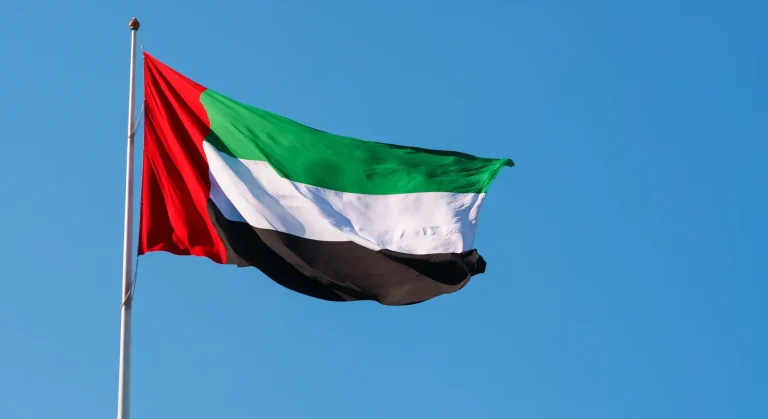
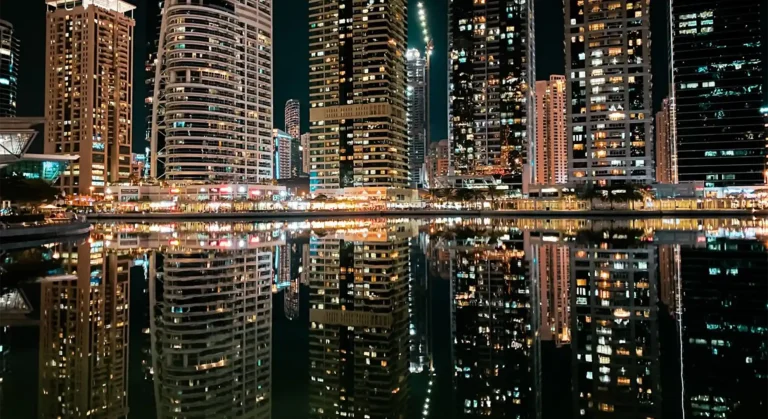
The UAE is expected to continue experiencing intense summer temperatures in August, despite the annual appearance of the Suhail star, which traditionally signals a gradual shift towards cooler weather.
Why the UAE Will Remain Hot in August Even After the Appearance of the Suhail Star.
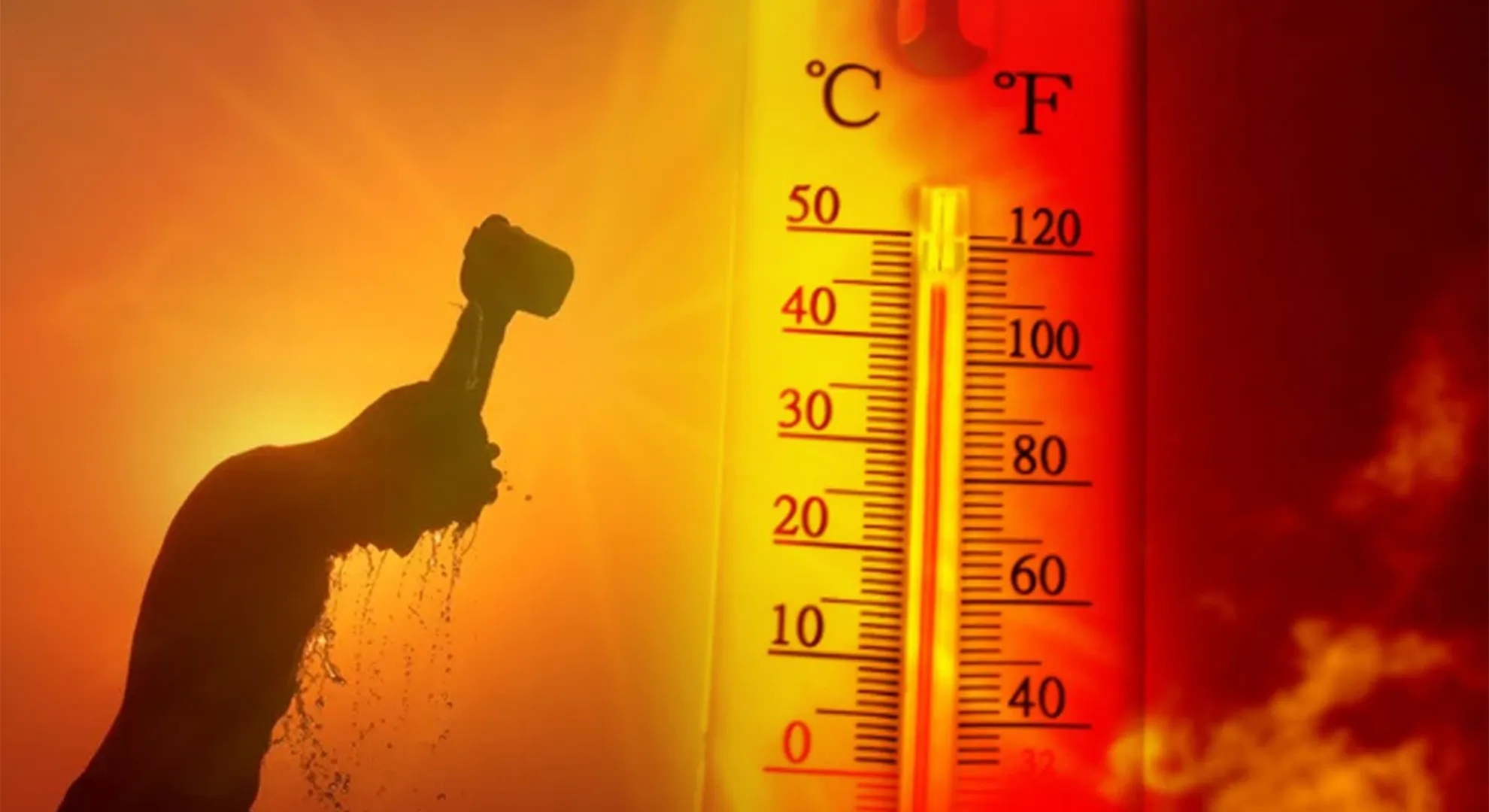
The UAE has now moved beyond the hottest phase of its customary summer season, although residents can still expect high temperatures and persistent heat across the country.
UAE Weather Expected to Ease Gradually as Suhail Star Signals Seasonal Change
Residents across the UAE could start noticing a gradual shift in weather conditions over the next few weeks as the country moves past the most severe part of the summer season. However, the arrival of relatively milder weather is expected to be a gradual process rather than an immediate change.
The appearance of the Suhail star is traditionally viewed as an important seasonal indicator in the Arabian Peninsula. This year, the star is expected to become visible on August 24, marking a period when residents traditionally begin to notice changes in atmospheric conditions.
While the arrival of Suhail is often associated with the eventual retreat of the intense summer heat, experts have clarified that its appearance does not mean that temperatures will suddenly become cool. Instead, the weather is expected to improve progressively as the weeks pass.
Ibrahim Al Jarwan, chairman of the Emirates Astronomy Society, explained that the period following the appearance of Suhail should bring a gradual moderation in temperatures rather than an abrupt end to the summer heat.
According to Al Jarwan, residents should not expect cold conditions immediately after the star appears. The change is more likely to be reflected in a gradual improvement in the overall feel of the weather, with temperatures beginning to ease and atmospheric conditions becoming somewhat more comfortable.
The shift may become increasingly noticeable around the time Suhail rises, which is expected to occur in roughly 10 days. Although daytime temperatures are forecast to begin trending downward, residents may still experience uncomfortable conditions because humidity can remain relatively high.
Humidity is an important factor when assessing how hot the weather feels. Even when recorded temperatures begin to decline, increased moisture in the air can make outdoor conditions feel warmer and more oppressive than the thermometer suggests.
This means that the arrival of Suhail should be viewed as the beginning of a transition rather than an immediate change to cooler weather. The UAE will continue to experience summer-like conditions for some time, but the most extreme phase of the season is expected to be behind the country.
The UAE has already moved beyond the peak of its traditional summer heat period, known locally as Ayam Al Ghayth. This intense period generally lasts for around six weeks, beginning in early July and continuing until approximately August 10.
Ayam Al Ghayth is traditionally associated with some of the harshest weather conditions of the UAE summer. During this period, temperatures can reach exceptionally high levels, while nights can also remain extremely warm.
The intensity of the heat experienced during this period was evident this year, with temperatures reaching particularly high levels in early August.
On August 5, temperatures in the UAE climbed beyond 51°C, highlighting the severity of the summer conditions. Such extreme readings demonstrate why the transition towards more moderate weather is expected to be gradual.
Night-time conditions have also been challenging. Minimum temperatures have risen to around 35°C in some areas, meaning that residents have had little relief from the heat even after sunset.
The combination of very high daytime temperatures and elevated overnight readings can make the summer period particularly demanding, especially for people who work outdoors or spend extended periods outside.
Although the end of the peak heat period represents an important seasonal milestone, residents should not assume that extreme heat will disappear immediately. August remains one of the hottest months of the year in the UAE, and high temperatures can continue even after the traditional peak has passed.
The appearance of Suhail is therefore better understood as a sign of gradual seasonal progression. Historically, the star has been used by communities across the region as a natural indicator of changing weather patterns.
For generations, the emergence of Suhail has been associated with the beginning of a gradual shift away from the most intense summer conditions. Its appearance has traditionally provided people with a reference point for anticipating changes in the weather.
Modern weather forecasting now provides much more detailed information about temperatures, humidity, winds and other atmospheric conditions. Nevertheless, Suhail continues to have cultural and astronomical significance and remains widely recognised as a seasonal marker.
The expected appearance of the star on August 24 is therefore attracting attention from residents who are looking forward to a gradual improvement in outdoor conditions.
However, experts have cautioned against interpreting the event as the immediate arrival of cooler temperatures. The transition from the peak of summer to more moderate weather takes time, and the UAE’s climate means that heat can persist well into the later part of the season.
Residents may notice small changes first, such as slightly lower temperatures during certain periods or a gradual improvement in conditions during the early morning and evening hours. More noticeable relief is expected to develop progressively rather than within a single day.
Humidity could also remain a significant factor during the transition. Even if temperatures fall, higher moisture levels can cause the weather to feel uncomfortable, particularly during the daytime.
The perceived temperature can therefore remain high even when official readings show a gradual decline. People spending time outdoors may continue to experience strong heat and should remain cautious until conditions become consistently more moderate.
The seasonal transition also does not mean that summer precautions can immediately be abandoned. Residents should continue taking appropriate measures when exposed to high temperatures, particularly during the hottest parts of the day.
People working outdoors should remain aware of heat conditions, stay hydrated and take suitable breaks where necessary. Similarly, residents planning outdoor activities should continue checking weather forecasts rather than assuming that the appearance of Suhail means the heat has ended.
The gradual decline in temperatures will become more apparent as the UAE moves further into the later stages of summer. As the season progresses, the intensity of the heat is expected to decrease, eventually creating more favourable conditions for outdoor activities.
For many residents, this transition is highly anticipated because the UAE’s summer can make prolonged outdoor activity difficult. The combination of high temperatures, strong sunshine and humidity can result in uncomfortable conditions for much of the day.
The period following Suhail’s appearance traditionally marks the beginning of a more noticeable change. However, residents should understand that the star itself does not directly cause temperatures to fall. Instead, its appearance coincides with the seasonal transition associated with changing atmospheric and astronomical conditions.
The timing of Suhail has long been observed by communities in the Arabian Peninsula. Its appearance has traditionally been used to identify changes in the annual weather cycle, particularly the gradual movement away from the harshest summer period.
In modern times, the star remains an important cultural and astronomical reference, even though residents now have access to detailed scientific weather forecasts.
The latest observations indicate that the UAE is entering a period of transition. The country has already passed the approximate peak of Ayam Al Ghayth, and temperatures are expected to gradually moderate from the extreme levels recorded during early August.
However, the process will not happen immediately. August heat can remain intense, and residents should expect continued periods of very high temperatures even as the overall trend begins to improve.
The recent temperature records illustrate the scale of the conditions the UAE has experienced. Temperatures exceeding 51°C represent an exceptionally hot environment, while overnight lows of around 35°C indicate that the heat has remained persistent around the clock.
Such conditions are among the reasons the arrival of the seasonal transition is closely watched each year.
As temperatures gradually decline, the difference between daytime and nighttime conditions may become more noticeable. Evening and early-morning periods could eventually become more comfortable before the daytime heat begins to ease more substantially.
For residents, the most significant change may be felt progressively rather than suddenly. A small reduction in temperatures combined with changing humidity and atmospheric conditions can make outdoor weather feel somewhat different even before a major decline in the thermometer readings occurs.
Al Jarwan’s comments emphasise this point. The transition should be viewed as a moderation of conditions rather than the arrival of winter-like weather.
The UAE will still be dealing with summer conditions after Suhail appears, but the country will be moving further away from the most extreme part of the season.
This gradual pattern is typical of the region’s climate. Seasonal changes occur over time, and the arrival of a traditional astronomical marker does not automatically produce an immediate change in temperature.
Residents who are hoping for cooler weather will therefore need to remain patient. More substantial relief is expected later as the summer gradually gives way to the milder conditions associated with the following season.
Until then, high temperatures and humidity will remain part of daily life across much of the UAE. People should continue to plan outdoor activities carefully and remain aware of weather conditions.
The transition is nevertheless an encouraging seasonal sign. After weeks of intense heat, even modest changes in temperature and atmospheric conditions can be noticeable.
The appearance of Suhail on August 24 is expected to provide another indication that the country is moving towards the next stage of its annual weather cycle.
For now, residents should not interpret the star’s appearance as an immediate end to the heat. Instead, it marks the beginning of a gradual process during which temperatures are expected to ease over time.
The UAE’s peak summer period has already passed, with Ayam Al Ghayth ending around August 10 after several weeks of particularly intense conditions. The record-breaking temperatures experienced during this period underline just how severe the summer heat has been.
With temperatures crossing 51°C on August 5 and nighttime lows reaching around 35°C, the country has experienced some of the most challenging weather of the year.
The coming weeks should bring a slow improvement, although humidity could continue to make the weather feel warmer than the actual temperature suggests.
Residents can therefore expect a mixed transition, with some signs of moderation alongside continued periods of strong heat.
As Suhail rises later this month, attention will increasingly turn towards the gradual easing of summer conditions. While the change will not be immediate, the appearance of the star remains a significant seasonal marker and a reminder that the most intense part of the UAE summer is now behind the country.
The eventual decline in temperatures will bring greater opportunities for outdoor activities and more comfortable conditions, but residents should continue to exercise caution until the heat becomes consistently less severe.
For the time being, the message from experts is clear: Suhail signals a gradual change, not an overnight transformation. The UAE is moving beyond the peak of summer, but residents will still need to contend with heat and humidity before noticeably cooler weather arrives.
Humidity Could Keep UAE Weather Uncomfortable Despite Gradual Fall in Temperatures
The UAE is expected to enter a gradual period of weather transition as temperatures begin to ease following the peak of summer. However, residents should not expect the decline in temperatures to immediately translate into comfortable outdoor conditions, as humidity levels are likely to rise during the same period.
According to Ibrahim Al Jarwan, chairman of the Emirates Astronomy Society, increasing moisture in the atmosphere could make the weather continue to feel considerably warmer than the actual temperature recorded by thermometers.
This means that even as temperatures begin to move down from the extreme levels recorded during the height of summer, residents may still experience a strong feeling of heat. The combination of temperature and humidity can significantly influence how hot conditions feel to the human body.
The expected increase in humidity is a typical feature of the UAE’s transition from the hottest part of summer towards the cooler months. As temperatures gradually decline, moisture levels in the atmosphere can increase, creating conditions that may feel heavy and uncomfortable, particularly during the early morning and evening.
Al Jarwan explained that humid air during the summer can hold substantially more moisture than air at the same relative humidity during cooler periods. This difference is important because warmer air has a greater capacity to retain water vapour.
For example, air at a temperature of 40°C and relative humidity of 80 per cent can contain approximately 50 grams of water per cubic metre. By comparison, air at 20°C with the same relative humidity contains less than 15 grams of water per cubic metre.
The figures demonstrate why humidity can remain an important factor even when temperatures begin to fall. The atmosphere can continue carrying a large amount of moisture, which may make outdoor conditions feel more oppressive.
Residents may therefore notice that a lower temperature reading does not necessarily mean that the weather feels significantly cooler. The amount of moisture in the air can influence comfort levels and make the heat feel stronger than expected.
This is particularly relevant in coastal parts of the UAE, where humidity can become especially noticeable. Areas near the sea may experience increased moisture, and the combination of warm temperatures and humid air can make conditions feel uncomfortable for longer periods.
The seasonal rise in humidity is expected to become more prominent as the UAE approaches September and October. These months are generally regarded as some of the most humid periods of the year in the country.
During this time, residents may notice heavier moisture in the air, particularly during the early hours of the day. Humidity can also contribute to reduced visibility when conditions are suitable for fog formation.
Early-morning fog could begin appearing from late August, with such conditions expected to become more frequent during September. The development of fog depends on several atmospheric factors, including temperature, moisture and wind conditions.
Dew may also become more noticeable as humidity increases. When atmospheric moisture encounters cooler surfaces, water droplets can form, particularly during the overnight and early-morning hours.
These changes are part of the seasonal transition and do not necessarily indicate that the UAE has entered its cooler season. Instead, they reflect the changing relationship between temperature and moisture as summer gradually gives way to autumn.
Although temperatures are expected to trend downward, residents should also be prepared for occasional periods when the heat temporarily intensifies again.
Al Jarwan highlighted the traditional concept known as Zafarat Al Qayth, which refers to short periods of renewed heat that can occur during the later part of summer.
These brief hot spells can occur even after the main peak of summer has passed. Residents may therefore experience a few days when temperatures rise again before the overall downward trend resumes.
The occurrence of such episodes does not mean that the broader seasonal transition has been reversed. Instead, they are considered temporary fluctuations within the larger pattern of gradual cooling.
This means that residents should not be surprised if the weather becomes noticeably hotter for short periods during the transition. Such increases can happen before conditions eventually settle into a more consistent autumn pattern.
The seasonal transition is expected to become more stable around the autumn equinox on September 23. The equinox marks a significant point in the annual astronomical cycle, when day and night are approximately equal in length.
Following this period, evenings in the UAE are expected to become progressively more pleasant. The change is likely to be more noticeable after sunset, when temperatures can begin falling more comfortably compared with the conditions experienced during the peak summer months.
However, daytime temperatures are expected to take longer to moderate. The UAE’s climate means that the heat can persist well into autumn, particularly during the daytime.
More noticeable improvement in daytime conditions is expected later in the year, with November likely to bring a clearer moderation in temperatures. The broader cooling trend is then expected to continue through the following weeks and into mid-December.
This means that the transition from extreme summer heat to consistently pleasant weather will take place gradually over several months.
Residents may therefore experience several different phases during the transition. Initially, temperatures may decline while humidity rises, creating conditions that remain uncomfortable despite lower thermometer readings.
This may then be followed by increasing frequency of more pleasant evenings, while daytime temperatures continue to remain relatively high.
As autumn progresses, the difference should become more apparent, with cooler evenings gradually accompanied by more moderate daytime temperatures.
By November, the reduction in daytime heat is expected to become increasingly noticeable. Outdoor activities that are difficult during the peak summer period may become more manageable as temperatures moderate.
The broader cooling trend is expected to continue into December, when the UAE typically experiences significantly more comfortable weather compared with the height of summer.
For residents, the important point is that the appearance of cooler weather will not occur all at once. Seasonal changes in the UAE are gradual, and different aspects of the weather can change at different rates.
Temperature, humidity, wind patterns, fog and dew can all contribute to how residents perceive the transition.
The expected increase in humidity is particularly significant because it can make the early stages of the transition feel less comfortable than people might expect.
Someone looking at a lower temperature forecast may assume that outdoor conditions will immediately become pleasant. However, if humidity is high, the apparent heat can remain substantial.
The amount of water vapour in the atmosphere can affect the body’s ability to cool itself through evaporation. When the air contains more moisture, sweat may evaporate less efficiently, which can make warm conditions feel more uncomfortable.
This is one reason why humidity becomes an important consideration during the UAE’s late-summer period.
The expected fog and dew also provide visible signs of the increasing moisture content in the atmosphere. Early-morning fog can form when air near the ground cools sufficiently for moisture to condense into tiny water droplets.
When visibility is reduced by fog, motorists may need to exercise additional caution, particularly during early-morning journeys.
The frequency of such conditions can vary from one location to another and depends on local weather conditions. Coastal and low-lying areas may experience different conditions from inland locations.
Residents should therefore continue monitoring local forecasts during the transition period rather than relying solely on general seasonal expectations.
The possibility of temporary heat spikes is another reason to remain prepared. Zafarat Al Qayth is traditionally associated with late-summer bursts of heat that occur after the main peak has passed.
These episodes may briefly push temperatures upward before the general cooling trend resumes. They should not necessarily be interpreted as a return to the full intensity of summer.
Instead, they are short-term variations within the broader seasonal pattern.
The UAE’s weather can change considerably over relatively short periods, particularly during the transition between major seasons. Residents may experience a mixture of hot days, humid mornings, increasingly pleasant evenings and occasional periods of renewed heat.
This variation is expected to gradually become less pronounced as autumn advances.
Around the autumn equinox on September 23, the seasonal transition should become increasingly apparent. The evenings are expected to provide greater relief as nighttime temperatures become more moderate.
For many residents, the improvement in evening conditions will likely be one of the first noticeable signs that summer is losing its intensity.
People who have avoided outdoor activities during the hottest months may gradually find evenings more suitable for walks, exercise and other activities.
However, daytime heat will remain a factor for some time. The decline in daytime temperatures is expected to happen more slowly, with stronger moderation becoming more noticeable later in autumn.
By November, residents are expected to experience a clearer change in daytime conditions. Temperatures should be more moderate, making the weather increasingly comfortable compared with August and the peak summer period.
The cooling process will then continue into December, when the UAE traditionally experiences some of its most favourable outdoor weather.
This gradual progression demonstrates why the appearance of seasonal indicators should not be interpreted as an immediate change in all weather conditions.
Suhail and other traditional markers can indicate that the annual cycle is moving towards cooler conditions, but actual weather changes take place over time.
The atmosphere responds to broader seasonal changes, and temperature and humidity patterns evolve gradually.
The period from late August through September can therefore be considered a transitional stage. Heat remains present, but the most extreme summer conditions are gradually losing their dominance.
Humidity may temporarily offset the benefits of falling temperatures, making the weather feel warmer than expected.
This is particularly important for people who spend significant amounts of time outdoors. Even with slightly lower temperatures, high humidity can contribute to discomfort and increase the perceived heat.
Residents should continue taking precautions during hot and humid conditions, especially during the afternoon when temperatures remain at their highest.
Adequate hydration and sensible planning of outdoor activities remain useful until temperatures become consistently moderate.
The possibility of fog also means that the transition can affect travel conditions. Early-morning visibility may occasionally be reduced, particularly when moisture levels are high and atmospheric conditions favour fog formation.
Motorists should therefore remain attentive to weather alerts and visibility conditions when travelling during the early hours.
As September progresses, the combination of humidity, occasional fog and gradually falling temperatures will become increasingly characteristic of the changing season.
October is also expected to remain humid, even as the overall temperature trend continues downward.
This means that the UAE’s weather may not immediately feel cool despite the progression towards autumn. Instead, residents will experience a gradual shift in the balance between heat and moisture.
By November, the cooling effect should become more evident during both the daytime and nighttime.
The improvement in conditions will continue into December, when temperatures are expected to be considerably more comfortable than during the summer.
The late-summer transition is therefore a period of changing conditions rather than a single weather event. Temperatures may fall, humidity may rise, fog may appear and occasional heat spells may occur.
All of these factors can happen while the overall seasonal trend continues towards cooler weather.
The traditional concept of Zafarat Al Qayth helps explain why brief periods of heat can still occur after the main summer peak. These temporary episodes are part of the expected variability of the season and do not necessarily indicate that the cooling process has stopped.
Residents should therefore expect some fluctuations rather than a steady day-by-day decline in temperature.
The most noticeable improvement is likely to come in stages. First, the extreme summer heat begins to weaken. Next, evenings become increasingly comfortable. Later, daytime temperatures begin to moderate more substantially.
By mid-December, the broader cooling pattern is expected to be well established.
The changing conditions also demonstrate the influence of humidity on the UAE’s climate. Even as temperatures decline, increased moisture can maintain a strong sensation of heat.
Understanding this relationship can help residents interpret weather forecasts more effectively. A lower temperature reading does not always mean that conditions will feel cooler, particularly when humidity is high.
Similarly, a brief increase in temperature does not necessarily mean that the seasonal trend has reversed.
The UAE is gradually moving away from the hottest part of the year, but the transition requires patience.
Residents can expect the weather to evolve over the coming months, with late August and September likely to bring a mixture of persistent warmth, increasing humidity and occasional signs of changing conditions.
Fog and dew may become more frequent as moisture levels increase, while brief periods of intense heat could still occur.
After the autumn equinox, evenings are expected to become progressively more pleasant, providing the first stronger signs of relief from the summer conditions.
Daytime temperatures, however, will take longer to decline significantly.
The more noticeable moderation expected in November should mark a further step towards the UAE’s cooler season, while the overall cooling trend is expected to continue into December.
For now, residents should continue to expect warm and humid weather even as the thermometer begins to show a gradual decline.
The seasonal transition is underway, but cooler conditions will arrive in stages. The combination of rising humidity and occasional late-summer heat spells means that the UAE will remain warm for some time before the more comfortable conditions associated with autumn and winter become firmly established.
Ultimately, the coming months are expected to bring a gradual transformation rather than an abrupt change. Humidity will remain an important part of the weather picture, short-lived heat surges may occur, and fog and dew could become more common.
As September progresses into October and November, the overall pattern should increasingly favour more comfortable conditions, particularly during the evening.
By the middle of December, the UAE is expected to be firmly into its broader seasonal cooling phase, bringing a much more noticeable contrast with the extreme heat experienced during the summer.
A traditional calendar marker
Suhail Star Marks Seasonal Transition as UAE Moves Away From Peak Summer Heat
The appearance of Suhail, internationally recognised as Canopus, is traditionally associated with the changing seasons across the Arabian Peninsula. However, the star itself does not influence atmospheric conditions or directly bring about a change in temperature.
Instead, its annual appearance has historically been used as a natural reference point in the traditional Arabian calendar. For generations, people in the region have observed Suhail as a sign that the most intense period of summer is gradually coming to an end and that the weather will eventually begin moving towards more moderate conditions.
The connection between Suhail and the changing weather is therefore based on its role as a seasonal marker rather than a cause of meteorological change. Its appearance happens around the time when the UAE and other parts of the Arabian Peninsula begin experiencing a gradual shift away from the peak summer period.
Ibrahim Al Jarwan, chairman of the Emirates Astronomy Society, has highlighted this distinction, explaining that astronomical observations have traditionally helped communities understand the passage of time and the progression of the seasons.
Suhail has long held cultural and practical significance in the region. Before modern forecasting systems became available, people relied on observations of stars, winds, temperatures and other natural patterns to identify changes in the annual cycle.
The rising of particular stars provided useful reference points for communities whose daily activities were closely connected to the natural environment. These observations helped people anticipate broad seasonal changes and plan activities accordingly.
Although modern meteorological science now provides detailed information about weather conditions, traditional astronomical markers continue to have cultural importance.
The appearance of Suhail is one such marker. It does not suddenly lower temperatures or alter atmospheric conditions, but its arrival coincides with a period when the region begins moving away from the harshest part of summer.
The transition is gradual, and residents should not expect an immediate change in weather simply because Suhail has appeared in the sky.
Al Jarwan has also explained that references to other constellations, including Virgo, Libra and Scorpio, should be understood in a similar way. These astronomical references have traditionally been used to identify periods of the year rather than being regarded as forces that control weather patterns.
In local seasonal knowledge, these constellations broadly correspond with September, October and November. Their appearance and position in the night sky have historically provided people with another way of identifying different stages of the annual calendar.
This traditional system reflects the close relationship that earlier communities maintained with astronomical observations. Before modern calendars and forecasting technology became widespread, the movement of celestial objects offered a dependable way to track the passage of time.
The use of constellations as seasonal indicators does not mean that the stars themselves cause changes in temperature, humidity, rainfall or wind. Instead, their visibility or position happens to correspond with particular periods of the year.
This distinction is important when discussing the traditional role of Suhail and other celestial markers. The stars act as reference points, while actual weather changes are driven by atmospheric and geographical processes.
The UAE’s transition away from peak summer heat is therefore not caused by the appearance of Canopus. Instead, the star’s annual appearance occurs at approximately the same time that the region naturally begins moving towards a different stage of the seasonal cycle.
For residents, this means that the arrival of Suhail can be viewed as an indication that the most extreme heat is gradually losing its intensity, but it should not be interpreted as an immediate end to summer conditions.
The UAE can continue experiencing high temperatures after Suhail becomes visible. August and September can still bring significant heat, particularly during the daytime.
Humidity can also become an important factor during this period. Even when temperatures begin to decline, increased moisture in the air can make conditions feel uncomfortable.
Fog and dew may also become more common as atmospheric moisture increases. These changes can occur during the same broader period in which temperatures begin to moderate.
Residents may therefore experience a mixture of conditions as the UAE moves from peak summer towards autumn. The thermometer may show gradual reductions in temperature, while humidity can remain high and occasional hot spells may continue.
The transition should consequently be viewed as a process rather than a single event.
The traditional observations associated with Suhail, Virgo, Libra and Scorpio provide a framework for understanding the progression of the year, but modern weather forecasts remain the appropriate source for information about current atmospheric conditions.
Weather patterns can vary from year to year, and temperatures do not follow an identical pattern every season. Short-term heatwaves, humidity changes, fog and other weather events can occur even while the broader seasonal trend points towards cooler conditions.
For this reason, residents should continue to check current forecasts and weather advisories rather than relying solely on traditional seasonal indicators.
Nevertheless, the cultural significance of Suhail remains strong. Its appearance has traditionally been welcomed as a sign that the severe summer period is beginning to recede.
For communities living in a region known for extremely hot summers, the seasonal appearance of Suhail has historically carried practical importance.
The star became a familiar reference in traditional knowledge, helping people recognise that a change in the annual cycle was approaching.
Today, that tradition continues to attract interest even though residents have access to modern weather stations, satellite observations and advanced forecasting systems.
The scientific understanding is clear: stars do not directly determine weather. However, the timing of their appearance can provide a useful indication of the time of year.
This is why Suhail remains associated with the end of the most intense summer conditions across the Arabian Peninsula.
The same principle applies to the traditional use of other constellations. Virgo, Libra and Scorpio have been associated with different periods of the year and can serve as astronomical signposts.
Their traditional association with September, October and November reflects the way communities historically divided the year according to visible changes in the sky and seasonal conditions.
These observations formed part of a broader body of local environmental knowledge passed down through generations.
While such knowledge does not replace modern scientific forecasting, it provides valuable insight into the region’s cultural history and the ways people once interpreted seasonal changes.
The current transition also requires some patience from UAE residents. The decline from peak summer temperatures is expected to happen gradually, meaning that hot conditions will not disappear immediately.
Temperatures may begin to edge downward over the coming weeks, but the reduction could be offset at times by higher humidity.
This combination can make the weather feel warmer than expected, even when recorded temperatures are lower than those experienced during the hottest period of the year.
Morning conditions may also begin to change. Increasing humidity can contribute to the formation of dew and fog when atmospheric conditions are suitable.
Fog can occasionally reduce visibility, particularly during the early hours of the day, making it important for motorists to remain attentive to local weather conditions.
At the same time, occasional bursts of heat may continue during the late summer transition.
These short periods of renewed warmth do not necessarily indicate that the seasonal cooling process has stopped. They are temporary variations that can occur within the broader movement towards cooler conditions.
Residents should therefore expect some fluctuations rather than a steady decline in temperature every day.
The more significant change will become clearer as autumn progresses. Evenings are generally expected to become more pleasant first, while daytime temperatures will take longer to moderate.
As September and October pass, the overall conditions should gradually become more comfortable.
By November, the decline in daytime heat is expected to become more noticeable, bringing the UAE closer to its cooler season.
The broader seasonal cooling trend is then expected to continue towards the middle of December.
This progression demonstrates why Suhail is better understood as a marker of seasonal timing than as a weather-producing phenomenon.
Its appearance coincides with the beginning of a period of gradual change, but the actual development of weather conditions depends on atmospheric factors.
The star itself does not trigger lower temperatures, increase humidity or create fog. Instead, its annual appearance happens at a point in the calendar when seasonal conditions are naturally beginning to change.
For modern residents, the combination of traditional knowledge and scientific forecasting provides a fuller understanding of the transition.
Traditional markers such as Suhail offer cultural context, while meteorological forecasts provide information about the immediate weather conditions people can expect.
Both can coexist, provided the distinction between seasonal indicators and causes of weather is understood.
As the UAE moves further beyond the peak of summer, residents can expect gradual improvement rather than an overnight transformation.
The intense heat experienced during the height of summer is beginning to ease, but warm conditions will remain for some time.
Humidity may continue to make the weather feel hotter than the actual temperature, while occasional hot spells can temporarily interrupt the broader cooling trend.
Fog and dew may also become more noticeable as moisture levels rise.
These conditions are all part of the transition towards autumn and eventually the cooler months.
The arrival of Suhail therefore provides a useful reminder that the annual weather cycle is progressing, but residents will still need to wait before consistently cooler conditions become established.
For now, the most intense phase of summer is gradually receding. However, patience remains necessary as the UAE moves through the transitional period.
The coming weeks are likely to bring a combination of slightly lower temperatures, increased humidity and occasional variations in heat.
As the season advances, the balance will gradually shift towards more comfortable weather, particularly during the evenings.
By the time the UAE reaches the later part of autumn, the cooling trend should become much more pronounced.
The traditional appearance of Suhail will have served its familiar role as a seasonal reference, signalling that the region has begun moving beyond the peak of summer.
Its importance lies not in controlling the weather, but in marking a period that has long been associated with seasonal change.
For generations, observations of Suhail and other constellations helped people understand where they were in the annual cycle. Today, those traditions remain part of the region’s cultural heritage while modern science explains the atmospheric processes responsible for changing weather.
As the UAE continues its gradual transition, residents should remain prepared for warm and humid conditions in the short term. The eventual arrival of cooler weather will take place progressively rather than all at once.
The message is therefore one of gradual change: the worst of the summer heat is beginning to fade, but humidity, fog and brief periods of renewed heat can still occur before the cooler season becomes firmly established.