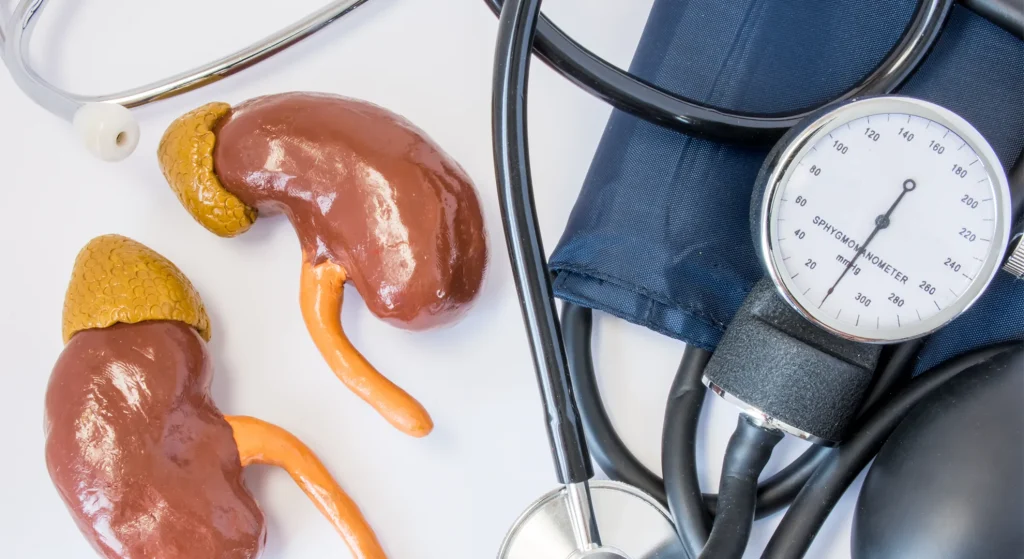
Healthcare specialists in the UAE are encouraging people to undergo regular blood pressure screenings, warning that untreated hypertension can gradually damage the kidneys and increase the risk of serious kidney disease.
UAE Medical Professionals Encourage Early Screening as Hypertension Threatens Kidney Health.
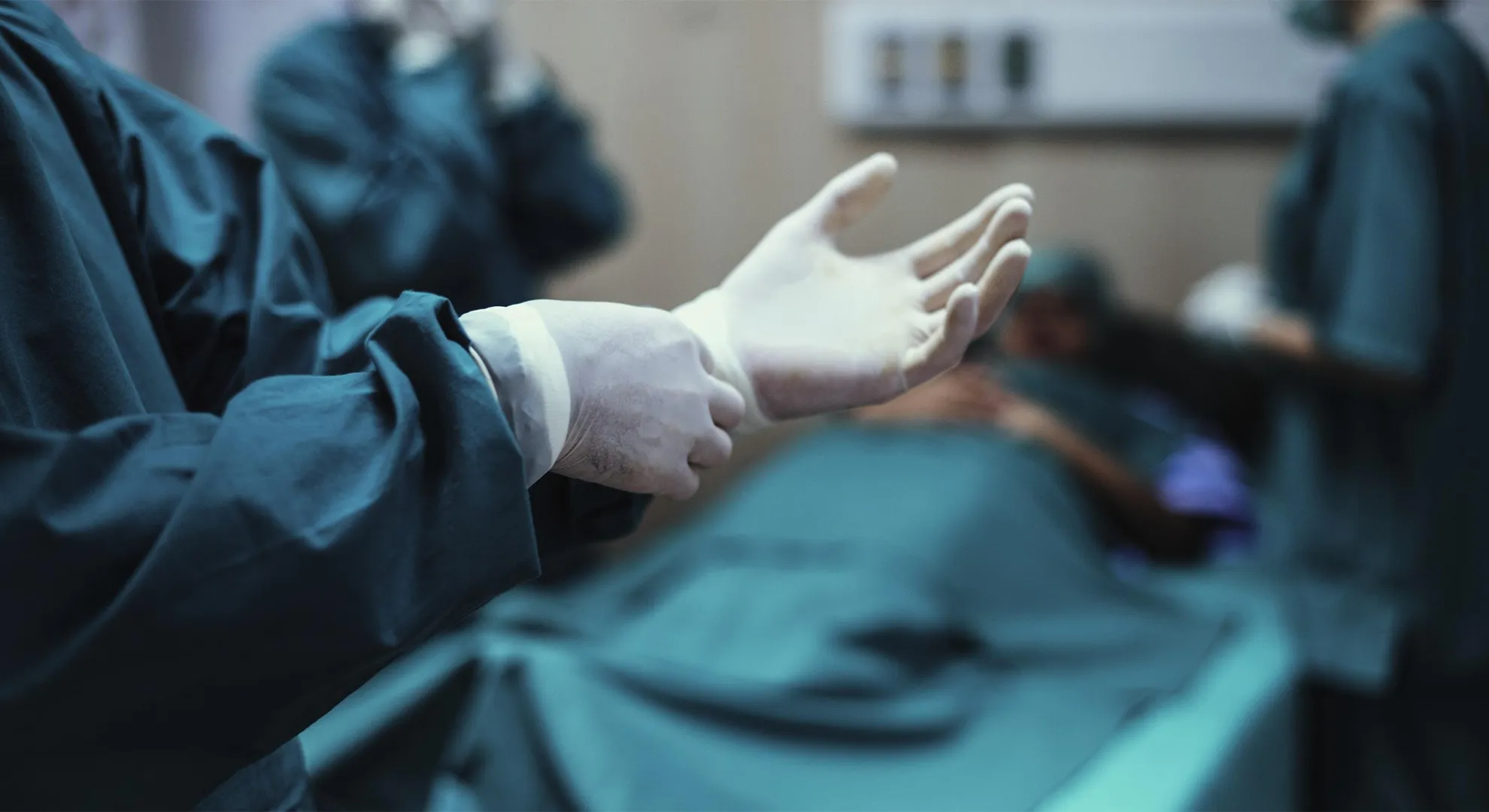
Medical professionals warn that silent symptoms, demanding daily schedules, and insufficient blood pressure checks contribute to a large number of undetected hypertension cases among residents.
UAE Doctors Emphasise Early Blood Pressure Testing to Help Protect Kidney Health
Health experts in the UAE are encouraging residents to make regular blood pressure monitoring a priority, warning that uncontrolled hypertension can quietly damage the kidneys for years before any obvious symptoms appear. Although high blood pressure is widely recognised as a major risk factor for heart disease and stroke, many people remain unaware that it is also one of the leading causes of chronic kidney disease.
Medical professionals explain that hypertension is often referred to as a “silent killer” because it usually progresses without causing noticeable discomfort. Many individuals continue with their daily lives feeling perfectly healthy while the condition slowly affects vital organs. Among the organs most vulnerable to prolonged high blood pressure are the kidneys, whose delicate network of blood vessels can suffer irreversible damage over time.
Doctors across the UAE say increasing awareness of this hidden risk is essential. They recommend that adults, particularly those with a family history of hypertension, diabetes, obesity or kidney disease, undergo routine blood pressure checks and periodic kidney function tests. Detecting problems early can significantly reduce the likelihood of serious complications and improve long-term health outcomes.
According to estimates from the World Health Organization (WHO), nearly 600 million adults worldwide are living with undiagnosed hypertension. This represents roughly 44 percent of all people affected by high blood pressure, highlighting a major global public health challenge. Health professionals say the UAE reflects this worldwide trend, with many residents discovering they have hypertension only during routine medical examinations or after experiencing complications linked to the condition.
One reason hypertension frequently goes unnoticed is that it rarely produces warning signs during its early stages. Unlike many illnesses that cause pain or visible symptoms, elevated blood pressure can remain undetected for years. As a result, many people do not seek medical advice until damage has already occurred.
Doctors say demanding work schedules, sedentary lifestyles and the tendency to postpone preventive health screenings contribute to delayed diagnosis. Busy professionals often overlook routine medical appointments because they feel healthy and do not believe testing is necessary. Unfortunately, hypertension can continue to progress silently throughout this period.
Dr Abdul Jabbar, Consultant in Internal Medicine and Endocrinology at Medcare Al Safa, explained that persistent high blood pressure places constant strain on the kidneys’ intricate system of blood vessels. These tiny vessels play a crucial role in filtering waste products, toxins and excess fluids from the bloodstream while helping maintain the body’s chemical balance.
He explained that when blood pressure remains consistently elevated, the walls of these small blood vessels gradually become damaged. Over time, this reduces their ability to filter blood efficiently. As kidney function declines, harmful waste products can accumulate in the body, potentially leading to chronic kidney disease and, in advanced cases, complete kidney failure requiring dialysis or transplantation.
According to Dr Jabbar, the absence of early symptoms makes both hypertension and kidney disease particularly dangerous. Most patients experience no obvious warning signs while damage is occurring, meaning the conditions are often discovered only after significant loss of kidney function.
He noted that many people feel completely healthy despite having elevated blood pressure for years. By the time symptoms such as swelling, fatigue, changes in urination or shortness of breath appear, substantial kidney damage may already have taken place. This is why routine health assessments remain one of the most effective ways to identify problems before they become severe.
Medical experts stress that blood pressure measurement is a quick, simple and inexpensive procedure that can be performed during regular healthcare visits. Kidney function can also be evaluated through blood and urine tests, allowing doctors to detect early signs of damage before permanent complications develop.
Specialists say early diagnosis provides an opportunity to control hypertension through lifestyle changes, medication or a combination of both. Managing blood pressure effectively can slow or even prevent further kidney damage while reducing the risk of heart attacks, strokes and other cardiovascular diseases.
Doctors recommend maintaining a healthy body weight, following a balanced diet rich in fruits and vegetables, reducing salt intake, exercising regularly and avoiding tobacco products. Limiting alcohol consumption, managing stress and getting adequate sleep can also contribute to healthier blood pressure levels.
Individuals with diabetes require particular attention because diabetes and hypertension frequently occur together and significantly increase the likelihood of kidney disease. Regular monitoring becomes even more important for people living with either condition, especially as they grow older.
Healthcare professionals also encourage residents not to rely solely on the absence of symptoms as an indication of good health. Feeling well does not necessarily mean blood pressure is within a healthy range. Only accurate measurement can confirm whether hypertension is present.
Family history is another important factor that should not be ignored. People whose parents or close relatives have hypertension or kidney disease may face a higher risk and should discuss appropriate screening schedules with their healthcare providers.
Doctors say employers can also play an important role by promoting workplace wellness initiatives, including regular health screenings and educational programmes that encourage employees to monitor their blood pressure. Such initiatives can help identify undiagnosed cases earlier and reduce the long-term burden of chronic disease.
Public awareness campaigns are equally important because they help people understand the connection between high blood pressure and kidney health. While many individuals associate hypertension with heart disease, fewer realise that damaged kidneys can further worsen blood pressure, creating a cycle that becomes increasingly difficult to control without medical treatment.
Experts advise adults to have their blood pressure checked regularly, even if they feel healthy. Those already diagnosed with hypertension should follow prescribed treatment plans, attend scheduled medical appointments and avoid discontinuing medication without consulting their doctor.
Routine kidney screening is particularly valuable for people who have long-standing hypertension, diabetes or other risk factors. Simple laboratory tests can provide valuable information about kidney function and allow doctors to intervene before permanent damage develops.
Medical specialists emphasise that chronic kidney disease often progresses gradually, making prevention far more effective than treating advanced illness. Once significant kidney function has been lost, restoring normal function may not be possible, highlighting the importance of early detection.
The message from UAE healthcare professionals is clear: regular blood pressure monitoring and timely kidney screening can save lives. By identifying hypertension early and managing it appropriately, residents can greatly reduce their chances of developing chronic kidney disease, kidney failure and other serious health complications.
Doctors hope greater awareness will encourage more people to schedule routine health checks rather than waiting for symptoms to appear. Since hypertension frequently develops without obvious warning signs, preventive care remains the most reliable way to protect both heart and kidney health. Early action, they say, offers the best opportunity to preserve kidney function, maintain overall wellbeing and avoid potentially life-threatening complications in the future.
If you’d like, I can also rewrite it in a more journalistic Gulf News/INSIDER 18 style, making it read like a completely original news report.
Limited Awareness and Missed Diagnoses Continue to Fuel Hypertension Cases
Healthcare professionals in the UAE say one of the greatest challenges in tackling hypertension is that the condition often develops without producing noticeable symptoms. Because people usually feel healthy during its early stages, many do not seek medical advice or routine check-ups until complications have already emerged. This lack of early warning signs, together with demanding work schedules and limited participation in preventive health screening programmes, has resulted in a large number of residents unknowingly living with high blood pressure.
Medical specialists explain that hypertension can remain undetected for several years while gradually affecting the body’s blood vessels and major organs. Unlike illnesses that cause immediate pain or discomfort, elevated blood pressure rarely interferes with day-to-day activities during its initial stages. As a result, many individuals continue their normal routines without realising that the condition is silently progressing.
Doctors say the fast-paced lifestyle followed by many residents in the UAE also contributes to delayed diagnosis. Long working hours, family responsibilities and busy schedules often leave little time for regular medical appointments. Since many people do not experience symptoms, preventive health checks are frequently postponed or ignored altogether. Experts warn that waiting until symptoms develop may allow significant damage to occur before treatment begins.
Dr Ganesh Dhanuka, Specialist in Internal Medicine and Nephrology at International Modern Hospital Dubai, said hypertension remains one of the most underdiagnosed chronic health conditions worldwide. He stressed that improving public awareness and expanding access to routine screening programmes are essential steps in reducing the long-term burden of cardiovascular and kidney diseases.
Referring to estimates published by the World Health Organization (WHO), Dr Dhanuka noted that around 600 million adults globally are believed to have high blood pressure without knowing it. This represents approximately 44 percent of all individuals living with hypertension, illustrating the widespread nature of the problem. These figures demonstrate that millions of people continue to face serious health risks simply because their condition has not yet been identified.
According to Dr Dhanuka, the UAE reflects a similar pattern. Although healthcare services and diagnostic facilities are widely available, many cases of hypertension remain undetected until individuals undergo routine health examinations, employment medical assessments or investigations for unrelated illnesses. By that stage, some patients may already have developed complications affecting the kidneys, heart, eyes or brain.
He also pointed to findings from the UAE National Health Survey, which revealed that nearly three out of every ten adults had elevated blood pressure or were already taking medication to control hypertension. The survey highlights that high blood pressure remains a common health concern across the country and reinforces the importance of preventive healthcare measures.
Dr Dhanuka explained that while various research studies may focus on different age groups, regions or time periods, their conclusions are broadly consistent. Evidence repeatedly shows that a considerable proportion of people either remain unaware they have hypertension or struggle to keep their blood pressure within recommended limits despite receiving treatment. This ongoing gap in diagnosis and effective management continues to place pressure on healthcare systems and increases the risk of avoidable complications.
He emphasised that raising awareness should extend beyond encouraging occasional blood pressure measurements. Public education should also help people understand the potential consequences of uncontrolled hypertension and the importance of following treatment plans once diagnosed. Regular monitoring, healthy lifestyle habits and adherence to prescribed medications all play an important role in reducing long-term risks.
Another common misconception, doctors say, is that hypertension primarily affects older adults. While advancing age remains an important risk factor, younger individuals are increasingly being diagnosed with elevated blood pressure. Specialists warn that lifestyle changes, including reduced physical activity, unhealthy eating habits and rising obesity rates, have contributed to growing numbers of hypertension cases among younger adults.
Dr Abdul Jabbar, Consultant in Internal Medicine and Endocrinology at Medcare Al Safa, said it is important for younger people not to assume they are protected simply because of their age. High blood pressure can develop in adults of almost any age, particularly when other risk factors are present.
According to Dr Jabbar, excess body weight significantly increases the likelihood of developing hypertension because it places additional strain on the cardiovascular system. Obesity often occurs alongside other health conditions, including diabetes and high cholesterol, further increasing the risk of heart disease and kidney damage.
Diabetes is another major contributor. Persistently high blood sugar levels can damage blood vessels throughout the body, while hypertension further accelerates this process. When both conditions occur together, the risk of kidney disease, heart attacks and strokes rises substantially.
Smoking also remains an important risk factor. Tobacco use damages blood vessels, reduces their flexibility and contributes to the development of cardiovascular disease. Even individuals with only mildly elevated blood pressure may experience greater health risks if they smoke regularly.
Chronic psychological stress may also influence blood pressure over time. Although temporary increases in blood pressure during stressful situations are normal, prolonged exposure to stress, combined with poor sleep, unhealthy eating habits or lack of exercise, may contribute to persistently elevated readings in some individuals.
Family history should not be overlooked either. People with parents or close relatives who have hypertension or cardiovascular disease may have a higher likelihood of developing the condition themselves. Doctors recommend that these individuals begin regular blood pressure monitoring earlier and maintain routine follow-up with healthcare professionals.
Medical experts agree that prevention and early diagnosis remain the most effective strategies for reducing the impact of hypertension. Simple blood pressure measurements performed during annual health examinations or community screening campaigns can identify many undiagnosed cases before complications develop.
Doctors encourage residents to view routine health screenings as an investment in their future wellbeing rather than waiting until symptoms appear. Since hypertension frequently progresses silently, regular monitoring provides the best opportunity to detect changes early and begin treatment before permanent damage occurs.
Healthcare professionals believe greater public awareness, combined with healthier lifestyles and wider participation in preventive screening programmes, can significantly reduce the number of undiagnosed hypertension cases across the UAE. Early detection not only helps protect the heart and blood vessels but also lowers the risk of kidney disease, stroke and numerous other serious medical complications associated with uncontrolled high blood pressure.
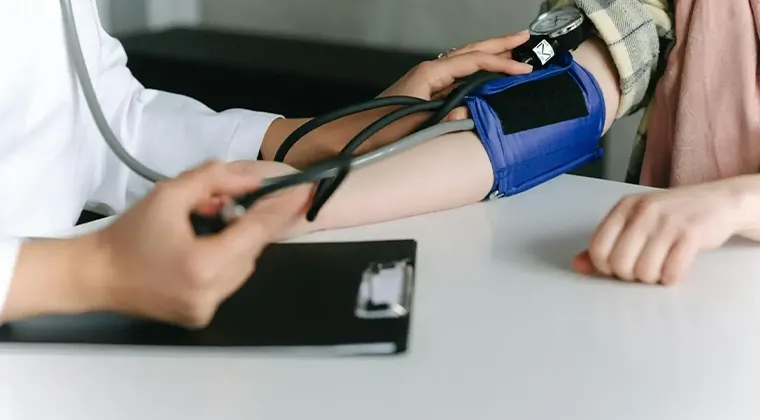
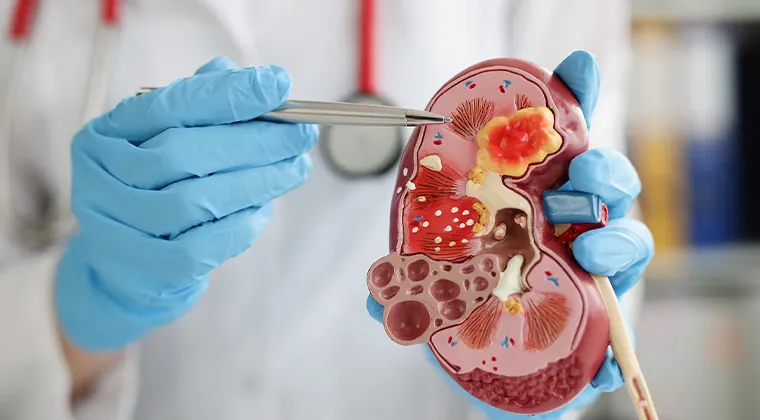
Regular Health Screenings Can Help Prevent Long-Term Kidney and Heart Damage
Healthcare professionals across the UAE are reinforcing the importance of routine blood pressure monitoring, saying that regular medical examinations remain one of the most effective ways to identify hypertension before it causes lasting harm. Because high blood pressure frequently develops without noticeable symptoms, many people are unaware they have the condition until it is discovered during a routine check-up or after complications have already affected major organs.
Medical specialists explain that hypertension can progress silently for years, gradually damaging blood vessels throughout the body. During this period, patients often continue with their normal daily activities without experiencing pain or discomfort, creating a false sense of security. By the time symptoms eventually appear, significant injury may already have occurred to the kidneys, heart, brain or eyes.
Doctors say preventive healthcare plays a crucial role in reducing these risks. Routine health assessments not only help detect elevated blood pressure but also allow physicians to identify early signs of kidney impairment before permanent damage develops. Early diagnosis enables timely treatment that can slow disease progression and significantly improve long-term health outcomes.
Dr Azeem Ahamed, Specialist Nephrologist at Aster Clinic, Bur Dubai, said delayed diagnosis remains a common challenge in clinical practice. According to him, healthcare providers regularly see patients whose hypertension is identified only after they undergo a routine medical examination for employment, insurance purposes or an unrelated health concern. Others are diagnosed only after complications have developed, making treatment more complex.
He explained that hypertension rarely causes symptoms during its early stages, which is why many individuals do not recognise the need for regular blood pressure monitoring. Feeling healthy often leads people to assume their blood pressure is normal, even though the condition may have been present for several years.
Dr Ahamed noted that modern lifestyles also contribute to missed opportunities for early diagnosis. Long working hours, demanding professional commitments and busy family responsibilities often cause people to postpone routine health appointments. Preventive healthcare may be viewed as a lower priority when there are no obvious signs of illness, allowing hypertension to remain undetected.
Medical experts say regular blood pressure checks should become part of every adult’s healthcare routine. Measuring blood pressure is a quick, painless and inexpensive procedure that can provide valuable information about cardiovascular health. Detecting elevated readings early allows doctors to recommend lifestyle modifications, prescribe medication when necessary and monitor patients before complications arise.
Healthcare specialists generally recommend that adults aged 40 years and older have their blood pressure assessed regularly, even if they feel completely healthy. Since the risk of hypertension increases with age, routine screening becomes increasingly important in later life.
However, younger adults should not assume they are free from risk. Doctors explain that several medical conditions and lifestyle factors can significantly increase the likelihood of developing hypertension at an earlier age. Individuals living with diabetes, obesity or cardiovascular disease require closer monitoring because these conditions often occur alongside high blood pressure and increase the risk of kidney damage.
People with a family history of hypertension, kidney disease or heart disease are also encouraged to undergo periodic blood pressure assessments. A genetic predisposition can increase the chances of developing hypertension, making early monitoring particularly valuable.
Smoking remains another major risk factor highlighted by medical professionals. Tobacco use damages blood vessels, contributes to hardening of the arteries and increases the workload on the heart. Combined with elevated blood pressure, smoking substantially raises the risk of serious cardiovascular and kidney complications.
Doctors also advise patients who have already been diagnosed with hypertension to undergo regular kidney function testing. Monitoring kidney health enables healthcare providers to identify early changes before symptoms appear and adjust treatment plans when necessary.
Routine kidney assessment typically includes blood tests that measure serum creatinine, a substance used to evaluate how efficiently the kidneys filter waste from the bloodstream. Physicians may also calculate the estimated glomerular filtration rate (eGFR), an important indicator of overall kidney function. In addition, urine testing for albumin helps detect small amounts of protein that may leak into the urine when the kidneys begin to sustain damage.
Specialists say these investigations provide valuable information about kidney health even when patients feel perfectly well. Identifying abnormalities early allows doctors to introduce medications and lifestyle measures that may slow disease progression and preserve kidney function for many years.
Although early kidney disease often develops without symptoms, doctors urge residents not to ignore warning signs if they do occur. Persistently elevated blood pressure should always be evaluated by a healthcare professional, particularly when accompanied by swelling in the ankles or feet, changes in urination or declining kidney function identified through laboratory tests.
Other symptoms that warrant medical assessment include urine that appears unusually foamy, which may indicate excess protein loss, as well as the presence of blood in the urine. While these symptoms do not always indicate kidney disease, they should never be dismissed without appropriate medical evaluation.
Healthcare professionals caution, however, that relying on symptoms alone is not an effective strategy because many patients with early kidney damage experience no noticeable changes whatsoever. The absence of discomfort does not necessarily mean the kidneys are functioning normally, reinforcing the importance of routine laboratory testing for individuals at increased risk.
Dr Ahamed emphasised that early diagnosis remains the strongest defence against irreversible kidney damage. Once substantial kidney function has been lost, restoring normal function may no longer be possible. Detecting hypertension and kidney disease during their earliest stages provides doctors with the opportunity to introduce treatments that can slow progression, reduce complications and improve quality of life.
He explained that simple screening measures performed during a routine medical appointment can have a significant impact on future health. A blood pressure measurement, combined with basic kidney function tests, requires little time but may identify problems before permanent injury develops.
Medical experts say early intervention not only helps protect kidney function but also reduces the risk of heart attacks, strokes, heart failure and other serious complications commonly associated with uncontrolled hypertension. Effective treatment often combines prescribed medication with healthier lifestyle choices, including reducing salt intake, maintaining a healthy weight, engaging in regular physical activity, avoiding tobacco products and limiting alcohol consumption.
Doctors encourage residents to view preventive healthcare as an essential part of maintaining long-term wellbeing rather than seeking medical attention only after symptoms develop. Regular health assessments offer an opportunity to detect silent conditions, monitor existing risk factors and receive personalised advice on protecting overall health.
Healthcare specialists agree that routine blood pressure monitoring and periodic kidney evaluations remain among the simplest yet most effective tools for preventing chronic disease. By identifying hypertension early and taking appropriate action, patients can greatly reduce their risk of permanent kidney damage and avoid treatments such as dialysis or kidney transplantation later in life.
The message from UAE doctors is clear: preventive screening saves lives. A few minutes spent checking blood pressure today may help prevent years of illness in the future, allowing individuals to preserve kidney function, maintain cardiovascular health and enjoy a better quality of life for years to come.