Two UAE-operated oil tankers were hit during an Iranian missile strike, resulting in the death of an Indian crew member and heightening fears over regional shipping safety.
Iranian Missile Strike Hits Two UAE Oil Tankers, Indian Crew Member Dies.
The Ministry of Foreign Affairs conveyed its deepest condolences to the relatives of the Indian victim and expressed sympathy with the Government and citizens of India during this difficult time.
One Killed After Iranian Missiles Strike Two UAE Tankers in Strait of Hormuz
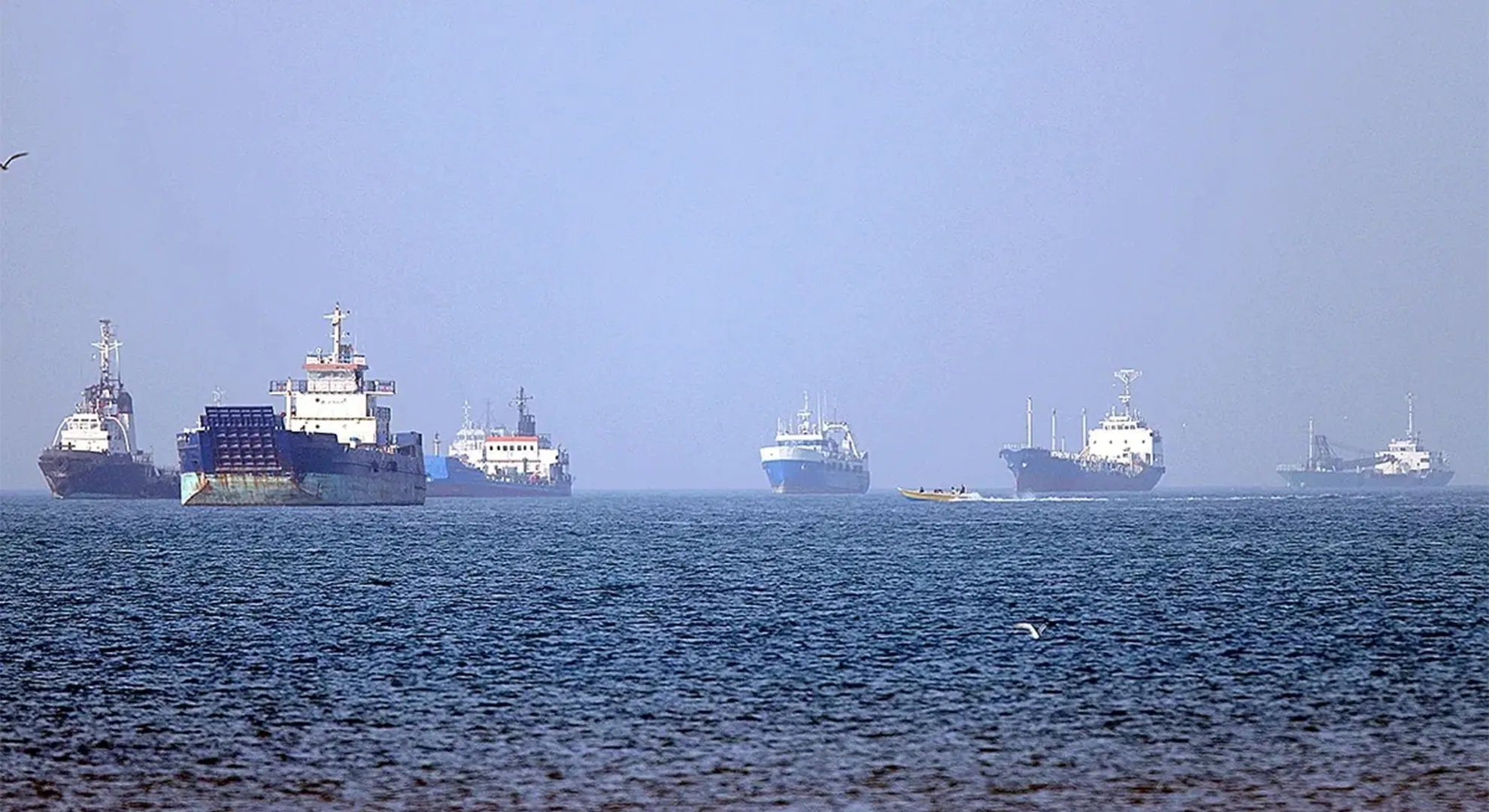
The UAE has confirmed that two of its commercial oil tankers were struck by Iranian cruise missiles while sailing through the Strait of Hormuz, an incident that has further intensified security concerns in one of the world’s most strategically important shipping corridors.
According to a statement issued by the UAE Ministry of Defence (MoD) early Tuesday, the vessels were navigating the southern shipping route within Omani territorial waters when they came under attack. The ministry identified the affected tankers as Mombasa and Al Bahiyah, both of which sustained damage following the missile strike.
The attack claimed the life of an Indian crew member serving aboard the Mombasa, while eight other crew members were injured. Officials said the injured included four Indian nationals and two Ukrainian nationals, with four victims reported to be in critical condition. Emergency response teams provided immediate assistance after the incident, and efforts were launched to stabilise the situation on both ships.
Authorities said the missile strikes triggered fires on board the vessels, causing structural damage and disrupting operations. However, firefighting teams successfully brought the blazes under control before they could spread further. Officials added that both tankers suffered material losses but confirmed that emergency measures prevented an even more serious outcome.
In its statement, the Ministry of Defence strongly condemned the attack, describing it as a serious escalation that threatens maritime security and regional stability. The ministry stressed that the UAE retains the right to take appropriate action in response to the incident, in accordance with international law and its responsibility to safeguard national security.
The statement emphasised that the country would adopt all necessary measures to protect its sovereignty, territorial integrity and strategic interests. Officials reiterated that ensuring the safety of UAE citizens, residents and commercial assets remains a top priority amid the growing regional tensions.
The ministry also assured the public that the UAE’s armed forces and security agencies are maintaining the highest level of operational readiness. Defence authorities said they are fully prepared to respond to any developments that could endanger the country’s security or disrupt regional stability.
At the same time, officials urged residents to rely only on verified information released by government agencies. They warned against sharing rumours, speculation or unconfirmed reports on social media, stressing that inaccurate information could contribute to unnecessary public concern during an already volatile situation.
The latest attack marks another significant escalation in the Strait of Hormuz, a narrow waterway that serves as one of the world’s busiest energy transport routes. The incident comes after weeks of rising military tensions between Iran and a US-Israeli coalition, a conflict that has significantly increased security risks across the Gulf region.
Hostilities have intensified since fighting erupted on February 28, when military operations involving the United States and Israel targeted Iranian positions. Since then, retaliatory actions and military exchanges have expanded beyond their initial locations, affecting shipping routes, military installations and regional security.
On July 13, the United States reportedly carried out a third consecutive night of military strikes targeting Iranian sites. The operations followed renewed measures announced by US President Donald Trump, including the reinstatement of restrictions on Iranian maritime activity and a proposal to impose a 20 percent security fee on vessels using the Strait of Hormuz.
Iranian military leaders rejected the proposal, arguing that the future of the strategically important waterway could not be determined by external powers. Senior officials from Iran’s joint military command insisted that the United States had no authority over navigation in the strait and warned against any foreign intervention in regional maritime affairs.
As diplomatic tensions have continued to deteriorate, the conflict has spread well beyond its original battlefield. Iranian military operations have reportedly targeted US military installations in several countries, contributing to broader instability across the Middle East and raising concerns among governments and international shipping companies.
The renewed violence has also cast uncertainty over a temporary agreement reached between the United States and Iran last month. That understanding had aimed to reduce military confrontations and facilitate the reopening of the Strait of Hormuz to ensure uninterrupted commercial shipping. However, the latest missile attack has raised fresh questions about whether those commitments can still be maintained.
Security analysts warn that any disruption to shipping through the Strait of Hormuz carries significant implications for the global economy. The narrow passage connects the Persian Gulf with international markets and serves as a critical transit point for crude oil, liquefied natural gas and other energy exports.
Before the latest conflict began earlier this year, approximately one-fifth of the world’s oil and natural gas shipments travelled through the Strait of Hormuz every day. More than 15 million barrels of crude oil and petroleum products were transported daily via the route, representing billions of dollars in international trade and playing a vital role in maintaining global energy supplies.
Any prolonged disruption to traffic through the strait could place additional pressure on international energy markets, increase shipping insurance costs and affect fuel prices worldwide. Maritime security experts note that attacks on commercial vessels not only endanger the lives of seafarers but also create broader economic risks for countries that depend heavily on uninterrupted energy exports.
The UAE has not yet announced specific retaliatory measures but has reiterated its commitment to protecting maritime navigation and ensuring the safety of commercial shipping operating in regional waters. Officials said relevant authorities continue to assess the incident while coordinating with international partners and neighbouring countries to maintain security across key shipping lanes.
As investigations continue, authorities remain focused on assisting the injured crew members, assessing the full extent of the damage to the affected vessels and strengthening protective measures for maritime traffic passing through one of the world’s most strategically important waterways.
The incident underscores the fragile security environment in the Gulf and highlights the growing challenges facing international shipping as geopolitical tensions continue to escalate. With the Strait of Hormuz remaining a critical artery for global energy supplies, governments and industry leaders are closely monitoring developments for any further impact on regional stability and international trade.
UAE strongly condemns attack
UAE Condemns Attacks on Tankers and Calls for Immediate Restoration of Maritime Security
The UAE Ministry of Foreign Affairs (MoFA) has strongly criticised the missile attacks targeting oil tankers in the Strait of Hormuz, describing the incident as a serious threat to regional security and international maritime stability. In an official statement, the ministry expressed its firm rejection of the attacks and called on Iran to immediately stop what it described as unjustified acts of aggression against commercial vessels.
The ministry stressed that safeguarding the security of maritime routes is essential not only for countries in the Gulf region but also for the wider global economy. Officials highlighted that the Strait of Hormuz is a critical international waterway through which a significant portion of the world’s energy supplies passes every day. Any disruption to shipping activity in the area, they said, could have consequences far beyond the region.
MoFA urged Iran to demonstrate full commitment to ending all military actions and to support an immediate and comprehensive halt to hostilities. The ministry also called for the complete and unconditional reopening of the Strait of Hormuz, emphasising that unrestricted navigation through the waterway is necessary to protect international trade, maintain energy supplies and prevent further economic uncertainty.
According to the UAE, ensuring freedom of movement through key maritime routes is a shared international responsibility. The ministry said all countries must respect international laws governing navigation and avoid actions that could endanger civilian vessels, crew members or commercial activities.
The statement also conveyed the UAE’s condolences to the family of the Indian crew member who lost his life in the attack. The ministry extended its sympathy to the Government and people of India following the death and expressed support for those affected by the incident. It also wished a swift recovery to the injured crew members who suffered injuries during the attack.
The UAE government reaffirmed its commitment to protecting human life and supporting those impacted by the incident. Officials said assistance efforts would continue for the affected individuals while authorities assessed the wider implications of the attack on maritime safety.
MoFA further stated that the strike against commercial vessels represents a serious breach of international obligations. The ministry referred to United Nations Security Council Resolution 2817, which highlights the importance of maintaining freedom of navigation and opposes any attempts to attack civilian shipping or interfere with established international sea routes.
The UAE said that targeting commercial vessels undermines the basic principles of maritime security and creates unacceptable risks for sailors, shipping companies and countries dependent on international trade. The ministry emphasised that civilian ships carrying essential goods and energy resources must never become targets during political or military disputes.
The statement warned that using the Strait of Hormuz as a means of applying economic pressure or attempting to influence international markets represents a dangerous escalation. According to the UAE, turning a major global trade route into an instrument of coercion threatens not only neighbouring countries but also economies around the world.
Officials described attacks on commercial shipping as actions that could be considered a form of piracy because they interfere with the safe passage of vessels operating under international maritime regulations. The UAE stressed that such actions endanger regional populations, disrupt economic activity and create uncertainty within global energy markets.
The ministry reiterated that stability in the Gulf is closely connected to international economic security. Since the Strait of Hormuz serves as a vital route for transporting oil and gas supplies, any disruption to its operations can affect energy prices, shipping costs and global markets.
The UAE called on the international community to uphold the principles of maritime law and work together to prevent further threats to commercial navigation. Officials said cooperation between nations is essential to maintaining safe and open sea routes and ensuring that shipping lanes remain protected from military escalation.
The ministry also reaffirmed the UAE’s commitment to regional peace and stability. While defending its right to protect national interests and security, the UAE said it remains focused on supporting measures that reduce tensions and prevent further escalation.
The government stressed that diplomatic efforts and respect for international agreements are necessary to resolve disputes and restore confidence among countries in the region. It urged all parties involved to prioritise dialogue and avoid actions that could deepen instability.
The UAE maintained that protecting freedom of navigation is not only a regional concern but a global priority. The uninterrupted movement of commercial vessels through international waterways supports economic growth, energy security and the livelihoods of millions of people worldwide.
As investigations into the tanker attacks continue, UAE officials said they will continue monitoring developments closely and coordinating with international partners to strengthen maritime security measures. The government reiterated that attacks on civilian shipping cannot be accepted and that maintaining safe navigation routes remains essential for regional and global stability.
The UAE’s response reflects growing concerns over the impact of rising tensions in the Gulf and the potential consequences for international trade. With the Strait of Hormuz remaining one of the world’s most strategically important maritime passages, authorities continue to emphasise the need for restraint, accountability and respect for international maritime rules.