
Officials in Fujairah have intensified efforts against counterfeit trade, confiscating more than 900 fake products since the beginning of 2026 as part of ongoing inspections aimed at protecting consumers and supporting legitimate businesses.
Fujairah Authorities Confiscate More Than 900 Counterfeit Items Since the Start of 2026.
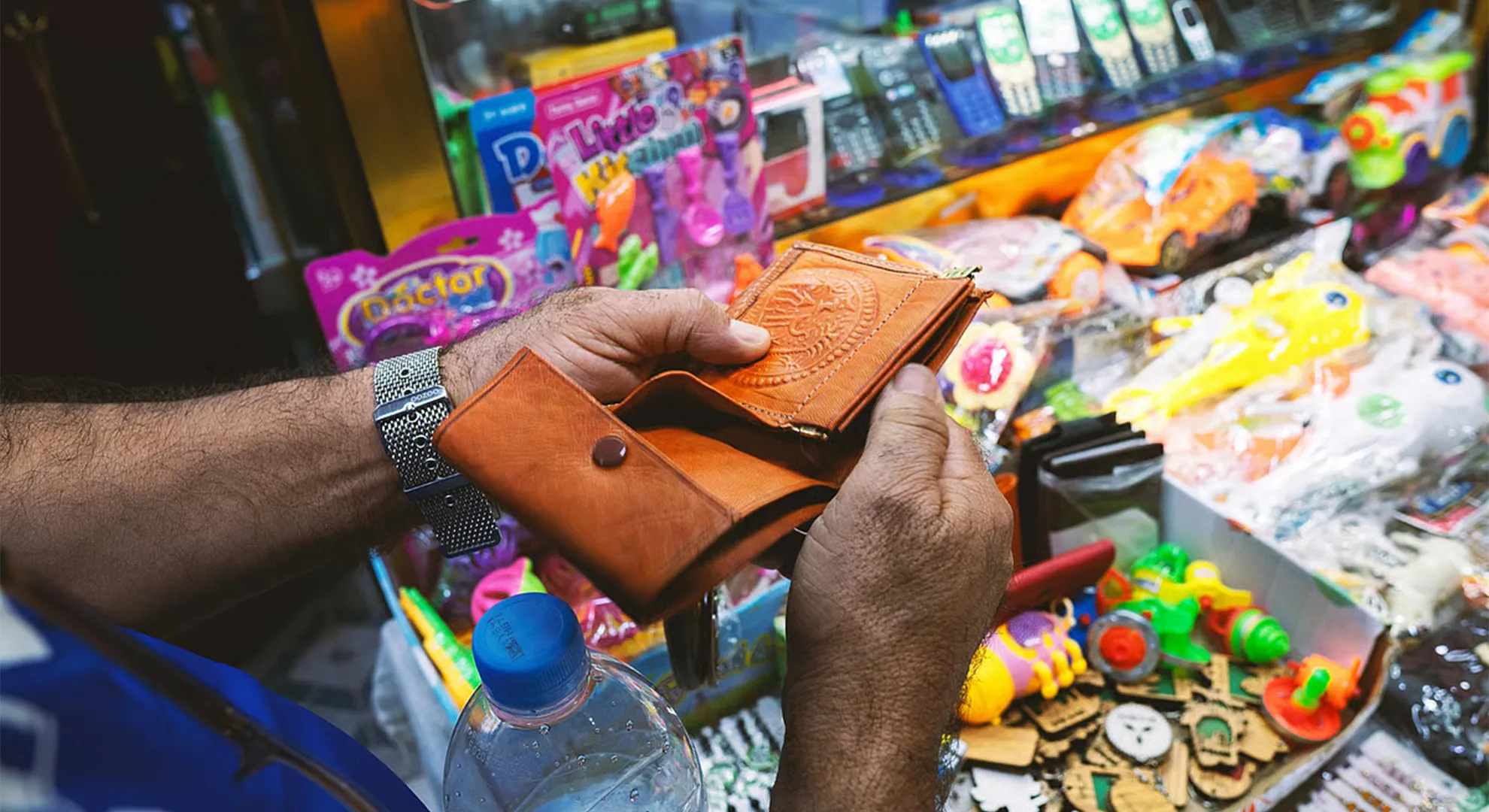
The seized counterfeit goods included imitation luxury-brand merchandise, with apparel, footwear, and other fashion-related items among the products confiscated during the enforcement operation.
Fujairah Steps Up Anti-Counterfeit Drive, Seizing Hundreds of Fake Goods in 2026
Authorities in Fujairah have intensified their campaign against counterfeit merchandise, removing more than 900 fake products from the local market during inspection operations conducted since the beginning of 2026. The enforcement efforts form part of the emirate’s broader strategy to safeguard consumers, uphold intellectual property rights, and ensure that only authentic products are available for sale.
Municipal inspection teams have been carrying out regular visits to commercial establishments across Fujairah, checking businesses for goods that may violate trademark laws or mislead shoppers. During these inspections, officials discovered a large quantity of imitation products that closely resembled well-known international brands.
Among the confiscated items were counterfeit luxury-brand products, including clothing, footwear, and other fashion-related merchandise. Authorities said such goods not only infringe on trademark rights but can also deceive consumers who may unknowingly purchase fake products believing they are genuine.
Officials confirmed that enforcement measures have been initiated against businesses found selling or distributing counterfeit merchandise. The municipality emphasized that it will continue taking legal action against violators in accordance with the applicable laws and regulations governing commercial activities and intellectual property protection in the UAE.
According to the authorities, the inspection campaigns were conducted in multiple phases throughout the year. The first operation, launched in January 2026, resulted in the seizure of several counterfeit products carrying unauthorized trademarks. The campaign marked the beginning of a sustained effort to identify and remove fake goods from retail outlets operating across the emirate.
A second inspection campaign was carried out on May 12, during which enforcement teams uncovered an even larger quantity of counterfeit merchandise. The operation resulted in the confiscation of more than 900 imitation sports shoes, along with 19 counterfeit sandals and eight fake suits. The products were removed from circulation to prevent them from reaching consumers.
Municipal officials said the inspections are designed not only to detect counterfeit goods but also to encourage retailers to comply with commercial regulations and respect trademark protections. Businesses are expected to source products from legitimate suppliers and ensure that the merchandise they sell meets legal standards.
Counterfeit products remain a concern in many markets because they can undermine consumer confidence, damage the reputation of legitimate brands, and negatively affect fair competition. In some cases, imitation products may also fail to meet quality or safety standards, making enforcement efforts an important part of protecting the public.
The municipality reiterated its commitment to maintaining a transparent and trustworthy marketplace through continuous monitoring and periodic inspection campaigns. Officials noted that surveillance efforts will continue throughout the year, with inspection teams visiting commercial outlets to identify violations and ensure compliance with relevant laws.
Authorities also stressed the importance of cooperation between government agencies, businesses, and the public in combating counterfeit trade. Retailers are encouraged to comply with trademark regulations, while consumers play an important role by remaining vigilant when making purchases.
Residents have been advised to carefully examine products before buying them, particularly items marketed as premium or luxury brands. Officials recommend purchasing goods only from reputable retailers and authorized sellers to reduce the risk of unknowingly buying counterfeit merchandise.
Consumers are also encouraged to pay attention to unusually low prices, poor packaging, spelling mistakes on labels, or other signs that may indicate a product is not authentic. If shoppers suspect that a product is counterfeit or encounter misleading advertisements promoting fake goods, they are urged to report the matter to the relevant authorities so appropriate action can be taken.
The municipality reaffirmed that protecting consumers and preserving confidence in the local marketplace remain among its highest priorities. Through regular inspections, legal enforcement, and public awareness efforts, Fujairah aims to limit the spread of counterfeit products and support businesses that operate in compliance with the law.
Officials said these campaigns reflect the emirate’s ongoing commitment to enforcing intellectual property rights and maintaining a fair commercial environment where legitimate businesses can compete without being undermined by counterfeit trade. Inspection teams will continue monitoring retail outlets and responding to reports of suspected violations as part of their efforts to keep fake products out of the market.
The United Arab Emirates has continued to reinforce its legal framework to combat commercial fraud and protect consumers by introducing stronger regulations targeting counterfeit and substandard products. The country’s efforts are aimed at creating a transparent marketplace, safeguarding intellectual property rights, and ensuring that goods sold to the public meet approved quality and safety standards.
A key part of this strategy is Federal Decree-Law No. 42 of 2023 on Combating Commercial Fraud, which provides a comprehensive legal basis for tackling the manufacture, import, distribution, and sale of counterfeit or unsafe products. The legislation reflects the UAE’s commitment to strengthening consumer confidence while supporting legitimate businesses that comply with national laws and international standards.
The decree-law outlines a wide range of prohibited activities involving counterfeit and adulterated goods. It is designed to address every stage of the supply chain, ensuring that individuals or businesses cannot evade liability by participating in only one part of the distribution process. Authorities have emphasized that the law targets not only those who manufacture fake products but also anyone involved in bringing such goods into the market.
According to Article 4 of the legislation, a variety of commercial activities involving counterfeit merchandise are strictly forbidden. These include importing, manufacturing, producing, displaying, marketing, selling, storing, transporting, distributing, promoting, or possessing counterfeit, adulterated, or spoiled products. The law also extends to attempts to engage in these prohibited activities, meaning that unsuccessful efforts to commit such violations may still result in legal consequences.
By covering the entire lifecycle of counterfeit goods, the legislation seeks to prevent illegal products from entering retail markets and reaching consumers. Officials have repeatedly stated that counterfeit merchandise poses risks not only to intellectual property rights but also to consumer health and safety, particularly when products fail to meet quality standards or are falsely represented as genuine.
The UAE’s anti-counterfeit strategy extends beyond physical retail outlets. Authorities have increasingly focused on digital platforms where counterfeit products may be advertised or sold to consumers. With the rapid growth of e-commerce and social media marketplaces, enforcement agencies have expanded their monitoring efforts to identify unlawful commercial activities conducted online.
In line with these efforts, Dubai Police recently reminded the public that advertising, promoting, or selling counterfeit products through social media platforms is a violation of UAE law. Officials explained that individuals and businesses using digital channels to market fake merchandise may face legal accountability. The warning serves as a reminder that online marketplaces are subject to the same regulations that apply to traditional retail businesses.
Law enforcement agencies have encouraged social media users to exercise caution when purchasing products advertised through unofficial accounts or online sellers. Consumers are advised to verify the authenticity of retailers before making purchases and to be wary of unusually low prices or offers that appear too good to be true. Such precautions can help reduce the risk of purchasing counterfeit goods.
Authorities have also encouraged residents to report suspicious online advertisements or sellers offering imitation products. Public cooperation is considered an important element in identifying violations and enabling enforcement teams to take prompt action against offenders.
Consumer protection efforts are not limited to Dubai. Across the UAE, local authorities continue to monitor commercial activities and respond to complaints related to counterfeit products, misleading advertisements, and other consumer rights issues.
In Ras Al Khaimah, official figures showed that consumer protection authorities handled a significant number of complaints throughout 2025. According to government data, a total of 937 consumer complaints were received during the year. Officials reported that approximately 95 percent of these cases were successfully resolved, demonstrating the effectiveness of the emirate’s complaint-handling and enforcement mechanisms.
The high resolution rate reflects ongoing efforts to respond quickly to reports submitted by residents and businesses. Consumer protection departments work closely with inspection teams to investigate alleged violations, verify complaints, and take appropriate enforcement measures whenever necessary.
Among the complaints recorded in Ras Al Khaimah, 28 involved counterfeit products bearing registered trademarks. These cases concerned merchandise suspected of infringing intellectual property rights by using unauthorized brand names or trademarks. Such violations can mislead consumers while causing financial and reputational harm to legitimate trademark owners.
Authorities stated that inspection teams were deployed immediately after receiving reports concerning counterfeit goods. Investigators carried out field inspections to verify the complaints, examine the products in question, and determine whether businesses had violated applicable commercial regulations. Where violations were confirmed, appropriate legal procedures were initiated in accordance with UAE laws.
Rapid response remains a central feature of the country’s consumer protection strategy. By acting quickly on complaints, authorities aim to prevent counterfeit products from remaining on store shelves or circulating through supply chains. Prompt inspections also help discourage future violations by demonstrating that enforcement agencies actively monitor commercial activities.
The UAE has consistently placed consumer protection among its national priorities, recognizing the importance of maintaining public confidence in the country’s retail and commercial sectors. Counterfeit products can negatively affect both consumers and legitimate businesses by creating unfair competition, reducing trust in the marketplace, and undermining intellectual property rights.
In addition to financial losses suffered by trademark owners, counterfeit goods may also pose health and safety risks depending on the type of product involved. While some fake items imitate luxury fashion products, others may include electronics, cosmetics, medicines, automotive parts, or children’s products that fail to comply with required safety standards. Such risks highlight the importance of removing counterfeit goods from the market before they reach consumers.
To address these challenges, federal and local authorities continue to carry out routine inspections across commercial establishments, warehouses, distribution centres, and retail outlets. Inspection campaigns are often supported by public awareness initiatives that educate consumers about the risks associated with counterfeit products and encourage them to purchase goods from trusted retailers.
Businesses are also reminded of their legal responsibilities under UAE law. Companies operating within the country are expected to ensure that their products are sourced from authorized suppliers and that all goods offered for sale comply with trademark, consumer protection, and commercial regulations. Retailers found dealing in counterfeit merchandise may face legal action, financial penalties, confiscation of goods, or other measures provided for under applicable legislation.
Public participation remains another important component of the UAE’s anti-counterfeit strategy. Authorities encourage residents to report suspicious products, misleading advertisements, or businesses suspected of selling fake merchandise. Consumer complaints provide valuable information that helps inspection teams identify violations and initiate investigations more efficiently.
Officials have also advised shoppers to remain vigilant when making purchases, particularly when buying products marketed as premium or luxury brands. Examining product packaging, checking labels, verifying authorized retailers, and comparing prices with official sellers can help consumers identify potentially counterfeit merchandise. Significant price differences, poor-quality packaging, spelling errors, missing warranty information, or unusual product features may all serve as indicators that an item is not genuine.
The UAE continues to invest in stronger regulatory systems, enhanced inspection programmes, and closer cooperation between government agencies responsible for consumer protection, customs enforcement, intellectual property, and law enforcement. These coordinated efforts are intended to reduce commercial fraud while supporting a competitive and fair business environment.
Officials have repeatedly emphasized that protecting consumers requires a combination of effective legislation, consistent enforcement, business compliance, and public awareness. As commercial markets continue to evolve, particularly with the expansion of online retail, authorities are adapting their enforcement strategies to address new methods used to distribute counterfeit products.
Through comprehensive legislation such as Federal Decree-Law No. 42 of 2023, regular inspection campaigns, rapid responses to consumer complaints, and continuous public awareness efforts, the UAE aims to strengthen market integrity and ensure that consumers can purchase goods with greater confidence. The country’s ongoing initiatives underscore its broader commitment to protecting intellectual property rights, promoting fair competition, and maintaining high standards of quality and safety across all sectors of the marketplace.