The UAE employment market has recorded a 26% reduction in job openings that offer monthly salaries below Dh10,000, reflecting a noticeable shift in hiring patterns for lower-income positions.
UAE job opportunities offering salaries below Dh10,000 see a 26% decline.
The Naukrigulf Hiring Index indicates that high-paying positions and technology-related roles remained relatively stable, despite a 23% decline in overall recruitment activity during April and May this year.
UAE Job Market Sees Greater Impact on Lower-Paid Roles as High-Salary Positions Remain More Stable
Employment opportunities in the UAE with monthly salaries of up to Dh10,000 experienced the largest decline in recruitment activity during April and May 2026, recording a 26 per cent drop compared with the same period last year. The decline was linked to the economic uncertainty created by the regional military conflict, according to a newly released report published on Monday.
The latest findings from the Naukrigulf Hiring Index highlight that while the overall job market faced pressure during this period, the impact was not evenly distributed across all salary categories. Lower-income positions experienced a sharper reduction in hiring demand, whereas professional and senior-level roles with higher compensation packages showed greater stability.
According to the report, positions offering monthly salaries between Dh11,000 and Dh20,000 witnessed a decline of approximately 22 per cent compared with the previous year. Jobs in the Dh21,000 to Dh40,000 salary range recorded a smaller reduction of around 19 per cent, showing that mid-level and experienced roles were comparatively more protected from the slowdown.
The decline became even less significant among higher-paying positions. Employment opportunities with salaries ranging from Dh41,000 to Dh80,000 per month decreased by only 11 per cent, indicating continued demand for skilled professionals and specialised talent despite challenging market conditions.
At the top end of the salary scale, jobs offering between Dh80,000 and Dh150,000 per month remained almost unchanged, falling by just 5 per cent. The report suggests that companies continued to prioritise hiring for critical leadership positions, specialist roles and highly skilled professionals, even during a period of economic uncertainty.
A limited number of positions in the market offer salaries exceeding Dh150,000 per month. Although hiring in this category dropped by around 23 per cent, Naukrigulf explained that the decline should be viewed carefully because the overall number of such positions is very small. As a result, even minor changes in vacancies can create a larger percentage movement. The report also noted that employers continue to show interest in recruiting candidates for these premium roles.
The UAE and wider Gulf region experienced slower economic activity following the escalation of the regional military conflict on February 28. The uncertainty affected several important industries, including aviation, tourism, international trade and other business sectors that rely heavily on regional and global movement.
As companies responded to changing economic conditions, many private sector organisations adopted a more cautious approach to recruitment. Some businesses reduced workforce expansion plans, while others delayed hiring decisions until market conditions became clearer.
However, the hiring data indicates that the slowdown was more concentrated among lower-paid positions, while specialised roles and high-value employment opportunities maintained stronger demand. The trend reflects a growing preference among employers for experienced professionals who can provide specialised skills and contribute directly to business growth.
The findings also suggest that companies are becoming more selective in their recruitment strategies, focusing on quality hiring rather than increasing workforce numbers. While economic challenges have affected overall employment activity, demand remains present for candidates with technical expertise, leadership capabilities and industry-specific experience.
Overall, the Naukrigulf Hiring Index shows a mixed picture of the UAE employment landscape. Although recruitment levels declined across several categories, higher-paying jobs demonstrated stronger resilience, highlighting continued opportunities for skilled workers even during periods of uncertainty.
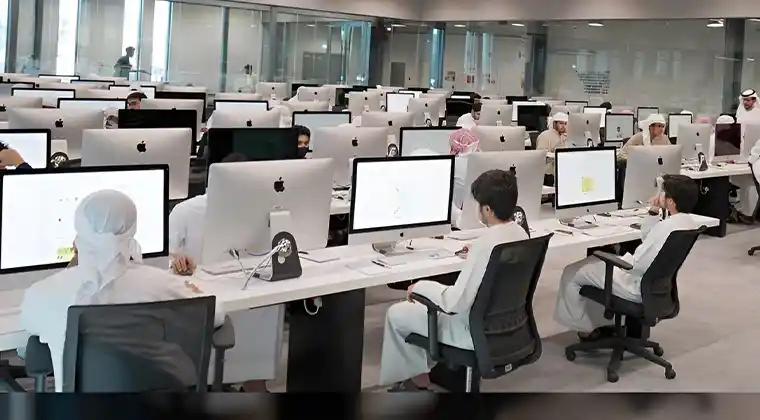

Tech jobs are doing better than most
UAE Recruitment Activity Declines, But Technology Sector Shows Strong Resilience Amid Market Challenges
The UAE employment market experienced a noticeable slowdown during April and May 2026, with overall hiring activity declining by 23 per cent compared with the same period in the previous year. According to the Naukrigulf Hiring Index, the reduction in recruitment momentum was largely connected to the ongoing regional conflict, which has created uncertainty across several economic sectors since February.
The report examined hiring trends across key Gulf markets and analysed data collected from a large employment database. The study was based on more than 220,000 job advertisements posted annually by over 7,000 companies operating in the UAE, Qatar and Oman, providing insights into changing recruitment patterns across different industries and job categories.
Despite the overall decline in employment opportunities, the report found that certain sectors demonstrated stronger stability than others. Technology-related careers continued to attract demand from employers, with digital transformation and specialised technical skills remaining important priorities for businesses.
Information technology and digital-focused roles recorded a relatively smaller decline compared with the wider job market. Hiring for IT and digital positions decreased by only 6 per cent, showing that companies continued to invest in technology talent despite broader economic pressures. Technology-specific roles performed even better, registering a decline of just 3 per cent during the period.
Some advanced technology fields experienced positive growth despite the challenging environment. Positions related to artificial intelligence, machine learning, cybersecurity and data-related expertise increased by approximately 20 per cent. The rise reflects continued business demand for professionals who can support automation, digital security, analytics and innovation-driven projects.
Engineering roles also demonstrated comparatively stronger performance. Recruitment in the engineering sector declined by around 16 per cent, a smaller decrease than many other professional categories. The continued demand for engineering expertise highlights the importance of technical skills in supporting infrastructure, energy, construction and industrial projects across the region.
However, several traditional business functions experienced much sharper declines. Sales and marketing positions were among the most affected categories, with hiring falling by 42 per cent. The drop indicates that companies became more cautious about expanding commercial teams and focused on controlling costs during uncertain market conditions.
Human resources and finance roles also faced significant pressure, with both sectors recording a decline of approximately 34 per cent. The reduction suggests that many organisations delayed expansion plans, adjusted workforce strategies and adopted more careful financial management approaches in response to changing economic conditions.
The impact of the slowdown varied significantly across industries. The oil, gas and energy sector recorded the largest decline among major industries, with hiring activity falling by around 30 per cent. Although the energy sector remains a major contributor to Gulf economies, companies appeared to take a more cautious approach to recruitment during this period.
Healthcare and pharmaceutical industries also experienced a decline, with hiring activity dropping by 24 per cent. While healthcare remains an essential sector, recruitment levels were affected by broader market conditions and changing business priorities.
The real estate and construction sectors recorded a decrease of about 20 per cent in hiring activity. These industries, which are closely linked to investment, development activity and economic confidence, experienced slower recruitment as businesses adjusted to the uncertain environment.
Overall, the latest Naukrigulf Hiring Index reflects a mixed employment landscape across the Gulf region. While economic challenges and regional instability affected recruitment levels, certain high-demand fields continued to demonstrate strength. Technology, artificial intelligence, cybersecurity, data and engineering roles remained comparatively resilient, showing that demand for specialised skills continues even during periods of slower hiring.
The findings indicate that employers are becoming increasingly selective, prioritising candidates with specialised knowledge and skills that can directly support business growth and efficiency. As companies navigate changing economic conditions, professionals in technology-driven and highly specialised fields are likely to remain among the most sought-after talent groups in the region.
Hiring Preferences in the UAE: Employers Focus on Skills While Nationality Plays a Limited Role
The latest recruitment trends in the UAE show that most employers continue to focus primarily on skills, experience and suitability for the role rather than a candidate’s nationality. According to the Naukrigulf Hiring Index, nearly 68 per cent of companies posting vacancies in the country do not mention any preferred nationality while searching for employees.
The data suggests that the majority of organisations maintain an open approach to recruitment and consider candidates from different backgrounds as long as they meet the required qualifications and professional expectations. This approach reflects the UAE’s diverse workforce environment, where companies regularly hire talent from across the world to meet business needs.
Among employers that do indicate a nationality preference in their job advertisements, Arab candidates remain the most preferred group. They account for approximately 21 per cent of all job postings where a specific nationality requirement is mentioned. European and South Asian candidates each represent around 6 per cent of such hiring preferences, according to the report.
The overall pattern has remained largely consistent compared with the previous year, indicating that employer preferences have not undergone any major changes despite fluctuations in the job market. Companies continue to seek candidates based on industry requirements, professional expertise and the availability of suitable talent.
Employers showing a preference for Arab professionals are mainly recruiting for roles in engineering, sales and marketing, and information technology. These sectors continue to require experienced professionals with technical knowledge, communication skills and industry-specific expertise to support business operations and expansion.
For companies seeking European candidates, the demand is concentrated mainly in technology and healthcare-related positions. These sectors often require specialised experience, advanced technical capabilities and international exposure, which may influence employers’ hiring decisions.
The recruitment trends highlight that nationality preferences, where they exist, are often connected to the specific requirements of industries rather than being a broad hiring strategy. Different sectors require different skill sets, certifications and professional backgrounds, which shape the type of candidates employers seek.
Sharad Sindhwani, Executive Vice President and Business Head at Naukrigulf, explained that employment trends across the Gulf region are developing differently depending on the country, industry and category of work. He noted that while overall recruitment activity has slowed compared with the previous year, several areas continue to show strong demand from employers.
According to Sindhwani, technology-related positions in the UAE have demonstrated greater stability compared with the wider employment market. The continued need for digital expertise, cybersecurity knowledge, artificial intelligence capabilities and technology-driven solutions has helped these roles remain attractive to businesses.
He also highlighted that Qatar has experienced positive momentum in sectors such as financial services, construction and manufacturing. These industries have continued to create employment opportunities as businesses invest in growth and development projects.
Meanwhile, Oman has maintained strong demand in industrial and consumer-oriented sectors. The country’s employment landscape continues to benefit from opportunities in areas connected to manufacturing, industry and services that directly support consumer needs.
The findings indicate that recruitment across the Gulf is becoming increasingly specialised, with employers placing greater importance on candidates who possess relevant skills and sector-specific experience. While overall hiring numbers have been affected by economic uncertainty, demand remains strong in areas where companies require specialised talent.
The report also demonstrates that the Gulf employment market is not moving in a single direction. Some industries are experiencing slower recruitment, while others continue to expand and attract professionals. As companies adjust to changing market conditions, candidates with technical expertise, adaptability and strong professional backgrounds are likely to remain highly competitive.
Overall, the Naukrigulf Hiring Index suggests that employers across the UAE and the wider Gulf region are adopting a more targeted approach to recruitment. While nationality preferences appear in some job advertisements, the majority of companies continue to prioritise qualifications, experience and the ability to contribute effectively to business goals.