The UAE Central Bank has approved DDSC to collaborate with cryptocurrency exchanges that fall under VARA regulation, enabling regulated partnerships within the country’s digital asset ecosystem.
UAE Central Bank Clears DDSC for Cooperation with Exchanges Regulated by VARA.
DDSC has proven its ability to operate at institutional scale, processing more than Dh150 million in transactions so far, reflecting the strength, stability, and readiness of its underlying ecosystem to handle large-scale operations.
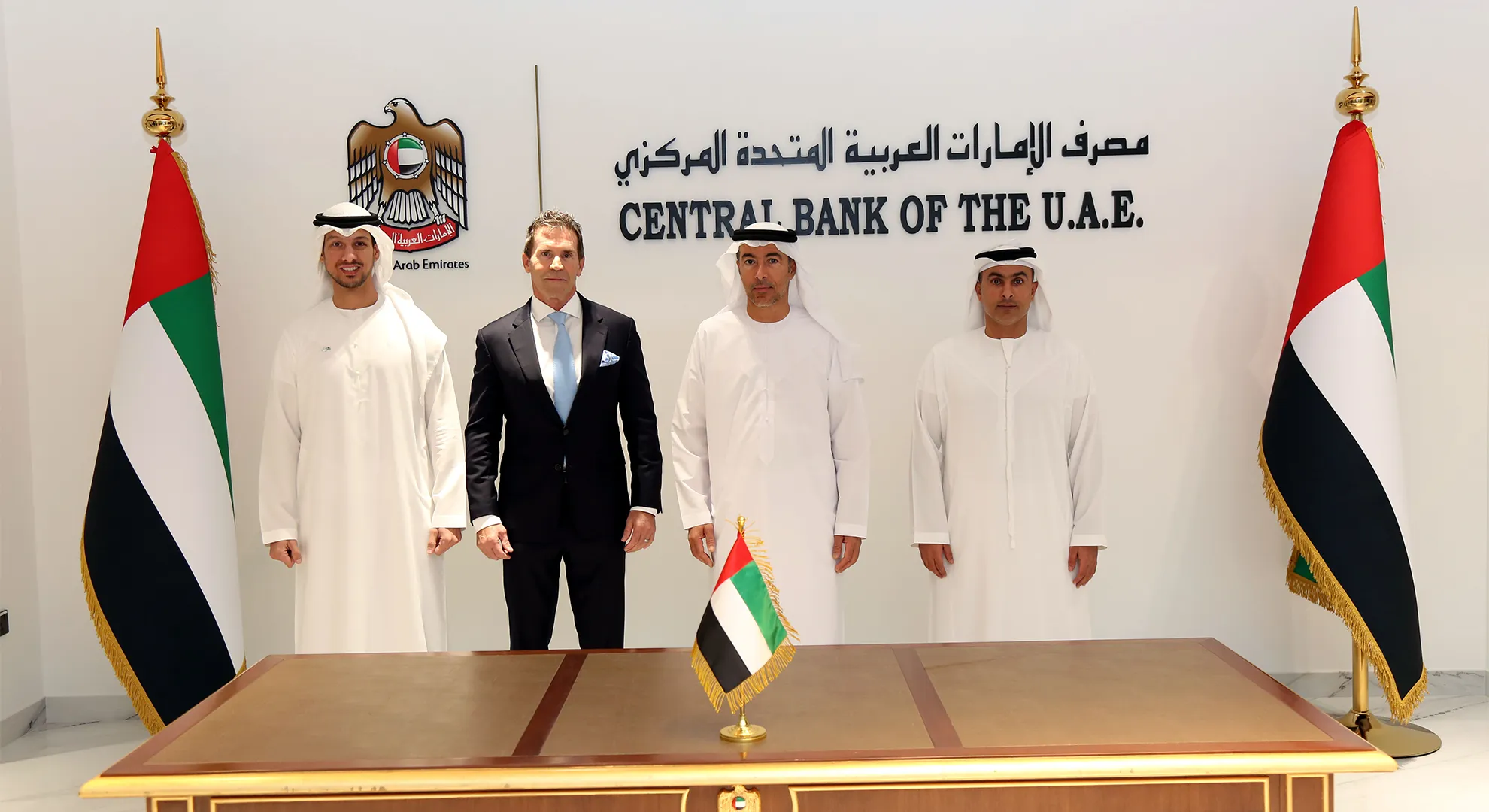
DDSC, a UAE dirham-pegged stablecoin developed through a strategic partnership between International Holding Company (IHC), First Abu Dhabi Bank (FAB), and Sirius International Holding, has secured a No Objection Certificate (NOC) from the Central Bank of the United Arab Emirates (CBUAE). This regulatory approval marks a significant milestone for the project, as it allows DDSC to move forward with plans to be listed and operational on selected digital asset exchange platforms that are regulated by the Virtual Assets Regulatory Authority (VARA).
The approval from the central banking authority represents an important step in the country’s evolving digital financial ecosystem, particularly in relation to regulated stablecoin initiatives. By granting the NOC, the CBUAE has provided a preliminary green light for DDSC to proceed under defined compliance conditions, ensuring that its deployment aligns with national financial regulations and oversight frameworks.
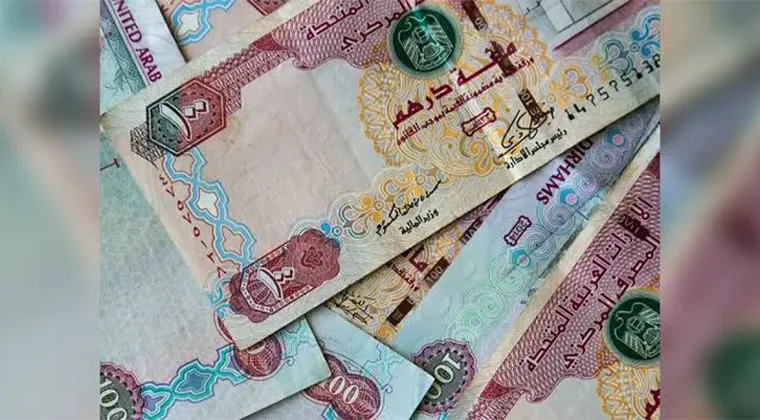
DDSC is designed as a stable digital asset fully backed by the UAE dirham, maintaining a strict one-to-one peg with the national currency. This structure ensures that each unit of DDSC is equivalent in value to one UAE dirham, providing stability and predictability for users engaging in digital transactions. The stablecoin model is intended to combine the efficiency of blockchain-based payments with the reliability of traditional fiat currency backing.
The settlement infrastructure for DDSC operates on ADI Chain, an institutional-grade Layer-2 blockchain developed by the ADI Foundation. This blockchain network is designed to support high-volume financial transactions with enhanced scalability, security, and efficiency. By leveraging Layer-2 technology, ADI Chain aims to reduce transaction costs and improve processing speed while maintaining compatibility with institutional requirements.
Since its initial rollout, DDSC has already demonstrated significant operational capacity. According to available data, the system has processed transactions exceeding Dh150 million, highlighting its ability to function effectively at an institutional scale. This level of transaction volume reflects not only early adoption but also the underlying strength of the technological and financial infrastructure supporting the stablecoin.
The performance metrics recorded to date are seen as an indicator of the system’s scalability and resilience. Scalability refers to the platform’s ability to handle increasing transaction volumes without compromising efficiency or performance, while resilience refers to its capacity to maintain stability and reliability under varying operational conditions. Together, these attributes are considered essential for any digital asset intended for widespread financial use.
Operational readiness is another key aspect demonstrated by DDSC’s early activity. The ability to process substantial transaction volumes in a controlled and compliant environment suggests that the ecosystem is prepared for broader deployment across regulated platforms. This readiness is particularly important in the context of financial systems, where stability, compliance, and security are critical requirements.
Subject to fulfilling all conditions outlined in the No Objection Certificate, DDSC is expected to be deployed on selected exchanges regulated by VARA. This means that the stablecoin will become available through authorised digital asset trading platforms operating under the supervision of Dubai’s virtual asset regulatory framework. These platforms are required to adhere to strict compliance standards, including anti-money laundering (AML) regulations, know-your-customer (KYC) procedures, and operational security requirements.
Once fully integrated into these regulated exchange environments, DDSC will allow users to access, purchase, and redeem the stablecoin through compliant and monitored channels. This accessibility is expected to enhance user confidence by ensuring that all transactions involving DDSC take place within a regulated ecosystem that prioritises transparency and financial integrity.
The introduction of DDSC into VARA-regulated platforms is also expected to contribute to the broader development of the UAE’s digital asset landscape. By bridging traditional financial systems with blockchain-based infrastructure, the stablecoin aims to support more efficient payment flows, cross-platform interoperability, and improved liquidity within the digital economy.
In addition, the collaboration between major financial and investment institutions such as IHC, FAB, and Sirius International Holding highlights the growing institutional interest in blockchain-based financial solutions within the UAE. Their involvement reflects a coordinated effort to develop regulated digital currency instruments that align with national financial strategies and regulatory standards.
The use of ADI Chain as the settlement layer further reinforces the institutional focus of the project. Unlike public blockchains designed primarily for retail use, institutional Layer-2 networks are engineered to meet the demands of large-scale financial operations. These include higher throughput, enhanced privacy controls, and compliance-friendly architecture, all of which are essential for integration with regulated financial systems.
As the project moves toward broader deployment, the focus will remain on ensuring full compliance with regulatory requirements set by both the Central Bank of the UAE and VARA. This dual-layer oversight structure is intended to ensure that DDSC operates within a secure, transparent, and legally compliant framework, reducing risks associated with digital asset transactions.
The development of DDSC also reflects the UAE’s broader ambition to position itself as a global hub for digital finance and blockchain innovation. By supporting regulated stablecoin initiatives, the country is aiming to foster innovation while maintaining strong oversight of financial stability and consumer protection.
In summary, DDSC’s receipt of a No Objection Certificate from the Central Bank of the UAE represents a key milestone in its journey toward full market deployment. With its dirham-backed structure, institutional blockchain infrastructure, and early demonstration of large-scale transaction capability, the stablecoin is positioned to become an important component of the UAE’s regulated digital asset ecosystem once it meets all final regulatory conditions.
Beyond institutional use
The collaboration with selected platforms operating under regulatory oversight is expected to significantly broaden the practical use cases of DDSC beyond its initial institutional framework. While the stablecoin has already demonstrated its capability in large-scale financial environments, its next stage of development focuses on extending accessibility to a wider range of users, including businesses, merchants, and individual consumers within the United Arab Emirates.
Once DDSC becomes available through authorised and VARA-regulated exchange platforms, it is expected to function not only as a tool for institutional settlement but also as a medium for everyday financial transactions. This includes routine activities such as customers making payments to retail merchants, businesses settling invoices with suppliers, and individuals transferring funds to one another in a secure and regulated digital environment.
All of these transactions would be denominated in UAE dirhams, ensuring that users continue to operate within a familiar national currency framework. At the same time, the underlying settlement process would occur on blockchain infrastructure, allowing transactions to be executed more efficiently than traditional payment systems. This combination of familiar currency usage and advanced digital settlement technology is expected to improve both convenience and speed for users across different segments of the economy.
For retail participants and businesses operating within the UAE, this development introduces a new form of payment experience that merges traditional financial stability with modern technological efficiency. Instead of relying solely on conventional banking systems, which can involve multiple intermediaries and longer processing times, users will be able to benefit from near-instant settlement capabilities enabled by blockchain technology. At the same time, the value of transactions remains anchored to the UAE dirham, providing consistency and reducing exposure to currency volatility.
The introduction of DDSC into regulated exchange environments also represents an important step in expanding the role of stablecoins within the domestic financial ecosystem. Unlike widely used global stablecoins that are typically denominated in foreign currencies such as the US dollar, DDSC is specifically designed to operate within the UAE’s national currency system. This makes it particularly relevant for local economic activity, where transactions are already conducted in dirhams and where currency stability is a key requirement.
By offering a digital asset directly tied to the UAE dirham, DDSC provides an alternative to existing dollar-based stablecoins that dominate international digital asset markets. This local currency alignment is expected to improve efficiency for domestic payments by eliminating the need for currency conversion in many cases. It also enhances the relevance of the stablecoin within the UAE economy, as it directly reflects the country’s monetary system rather than relying on external currency pegs.
In addition to improving transactional efficiency, DDSC is also expected to contribute to the strengthening of the UAE’s broader digital financial infrastructure. As adoption grows, the stablecoin could support a more integrated ecosystem where digital payments, blockchain settlement systems, and regulated financial platforms operate in greater harmony. This integration has the potential to reduce friction in financial processes and improve overall liquidity within the digital economy.
From a regulatory perspective, the availability of DDSC on VARA-supervised platforms ensures that all transactions involving the stablecoin remain within a controlled and compliant environment. These platforms are required to adhere to strict regulatory standards, including customer verification processes, anti-money laundering controls, and operational transparency requirements. This framework is intended to protect users while maintaining confidence in the integrity of digital financial systems.
The expansion of DDSC into retail and commercial use cases follows its earlier success at the institutional level, where it has already demonstrated strong performance in handling large-scale transactions. This progression reflects a phased approach to deployment, where initial testing and institutional adoption serve as a foundation for broader market integration.
Speaking about this next stage of development, Syed Basar Shueb, Chief Executive Officer of International Holding Company (IHC), noted that the transition marks an important evolution in the use of DDSC. He explained that after proving its effectiveness in institutional environments, the stablecoin is now positioned to extend its reach to a wider audience through regulated platforms. According to him, this expansion is designed to enable faster, more efficient, and fully compliant digital transactions denominated in UAE dirhams.
His remarks highlight the strategic intent behind the project, which is not only to create a digital asset but also to build a regulated payment instrument capable of serving multiple layers of the economy. By moving from institutional adoption toward broader public accessibility, DDSC is expected to play a more visible role in everyday financial activity within the country.
The emphasis on speed and efficiency is particularly significant in the context of modern payment systems. Traditional financial transfers, especially cross-institutional or cross-border ones, can often involve delays due to intermediary processes. Blockchain-based settlement, by contrast, allows for direct value transfer between parties with reduced processing time, potentially improving the overall efficiency of financial interactions.
At the same time, the regulatory framework ensures that this efficiency does not come at the expense of oversight or security. The integration of DDSC within VARA-regulated platforms means that innovation is being introduced within a structured environment, where compliance and consumer protection remain central priorities.
As the ecosystem develops further, DDSC is expected to support a wide range of economic activities, from retail purchases and business payments to peer-to-peer transfers. This versatility positions it as a potential bridge between traditional financial systems and emerging digital asset infrastructure.
Overall, the planned expansion of DDSC into regulated exchange platforms represents a significant step in the evolution of the UAE’s digital currency landscape. By combining local currency stability, blockchain efficiency, and strong regulatory oversight, the initiative aims to create a practical and scalable model for digital payments that can serve both institutional and retail users across the country.
The recent regulatory approval and planned rollout of DDSC on selected VARA-regulated exchange platforms has been described by senior banking and investment executives as an important step in widening access to regulated digital payment solutions within the United Arab Emirates. According to industry leaders involved in the initiative, this development is expected to significantly expand the ability of both businesses and individual users to carry out secure financial transactions using UAE dirhams in a digital environment.
Futoon Hamdan AlMazrouei, Group Head of Personal, Business, Wealth, and Privileged Client Banking at First Abu Dhabi Bank (FAB), noted that the approval represents a meaningful enhancement in the accessibility of regulated digital payment channels. She explained that by opening up access to DDSC through exchange platforms operating under the supervision of the Virtual Assets Regulatory Authority (VARA), the financial ecosystem becomes more inclusive and better equipped to support digital transactions conducted in the national currency.
She further highlighted that the introduction of DDSC into regulated trading environments is expected to strengthen the overall infrastructure for digital payments in the country. By integrating a UAE dirham-backed stablecoin into licensed platforms, both businesses and consumers gain the ability to transact within a secure framework that is governed by established regulatory standards. This, she suggested, contributes to building greater confidence in the use of digital financial tools, particularly as adoption continues to grow across different sectors of the economy.
From her perspective, the key advantage of this development lies in its ability to make regulated digital payment solutions more widely available. Rather than being limited to institutional or highly specialised financial applications, DDSC is now positioned to serve a broader audience. This includes retail users, small and medium-sized enterprises, and larger corporations that are seeking more efficient ways to conduct financial transactions in UAE dirhams.
She emphasised that this expansion aligns with the broader objective of enhancing financial inclusion and modernising payment infrastructure within the country. By leveraging blockchain-based settlement mechanisms while maintaining a direct peg to the UAE dirham, DDSC offers a blend of innovation and stability that is designed to meet the evolving needs of the financial ecosystem.
In a separate statement, Ajay Hans Raj Bhatia, Chief Executive Officer of Sirius International Holding, also commented on the significance of extending DDSC beyond its initial institutional use cases. He described the development as an opportunity to create new pathways for secure, efficient, and reliable financial transactions for both businesses and consumers.
According to him, the broader availability of DDSC represents a transition from a primarily institutional tool to a more widely accessible digital payment instrument. This shift is expected to unlock additional use cases, particularly in everyday financial activity where speed, transparency, and regulatory compliance are increasingly important.
He pointed out that by enabling transactions in UAE dirhams through a regulated digital asset, DDSC helps eliminate some of the inefficiencies associated with traditional payment systems. These inefficiencies can include delays in settlement, reliance on multiple intermediaries, and higher processing costs in certain scenarios. By contrast, blockchain-based settlement allows for more direct and streamlined value transfer between parties.
At the same time, he underscored that the regulatory framework governing DDSC remains central to its design and deployment. Operating within VARA-regulated platforms ensures that all transactions involving the stablecoin are subject to strict compliance standards, including identity verification, anti-money laundering controls, and ongoing monitoring of financial activity. This regulatory oversight is intended to ensure that innovation does not come at the expense of security or transparency.
Bhatia further noted that extending DDSC into broader market segments helps build a more connected and efficient financial ecosystem. As more participants gain access to regulated digital payment tools, the overall system becomes more integrated, allowing for smoother interactions between individuals, businesses, and financial institutions.
He also highlighted the importance of trust in driving adoption of digital financial instruments. By anchoring DDSC to the UAE dirham and ensuring that it operates within a regulated environment, the initiative aims to provide users with confidence that the value of their transactions remains stable and secure. This stability is seen as a key factor in encouraging wider use of digital assets for everyday financial activities.
Both executives, in their remarks, pointed to a common theme: the evolution of DDSC from an institutional-grade financial instrument into a more broadly accessible payment solution. This transition reflects a wider trend within the financial industry, where digital assets are increasingly being integrated into mainstream financial systems under regulatory supervision.
The ability to conduct transactions in UAE dirhams using a blockchain-based system is viewed as a significant advancement in the country’s digital finance strategy. It allows users to benefit from the efficiency of distributed ledger technology while maintaining alignment with the national currency system, thereby reducing complexity in domestic transactions.
As DDSC becomes available on selected regulated exchange platforms, it is expected to play a role in facilitating a range of financial activities, from retail purchases and peer-to-peer transfers to business-to-business payments. This versatility is likely to enhance its utility across different segments of the economy.
The statements from FAB and Sirius International Holding reflect growing institutional confidence in the potential of regulated stablecoins to reshape payment infrastructure. By combining traditional financial expertise with emerging blockchain technology, the initiative seeks to create a system that is both innovative and compliant with established regulatory standards.
Ultimately, the expansion of DDSC is being positioned as a step toward a more efficient, inclusive, and digitally enabled financial ecosystem in the UAE. Through regulated access, currency stability, and blockchain-based settlement, the project aims to support secure and seamless transactions for a wide range of users across the country.