A passport is not the only way to confirm Indian citizenship. Various recognised documents can provide legal proof of citizenship depending on individual circumstances and government requirements.
What Legal Documents Can Establish Indian Citizenship Besides a Passport?
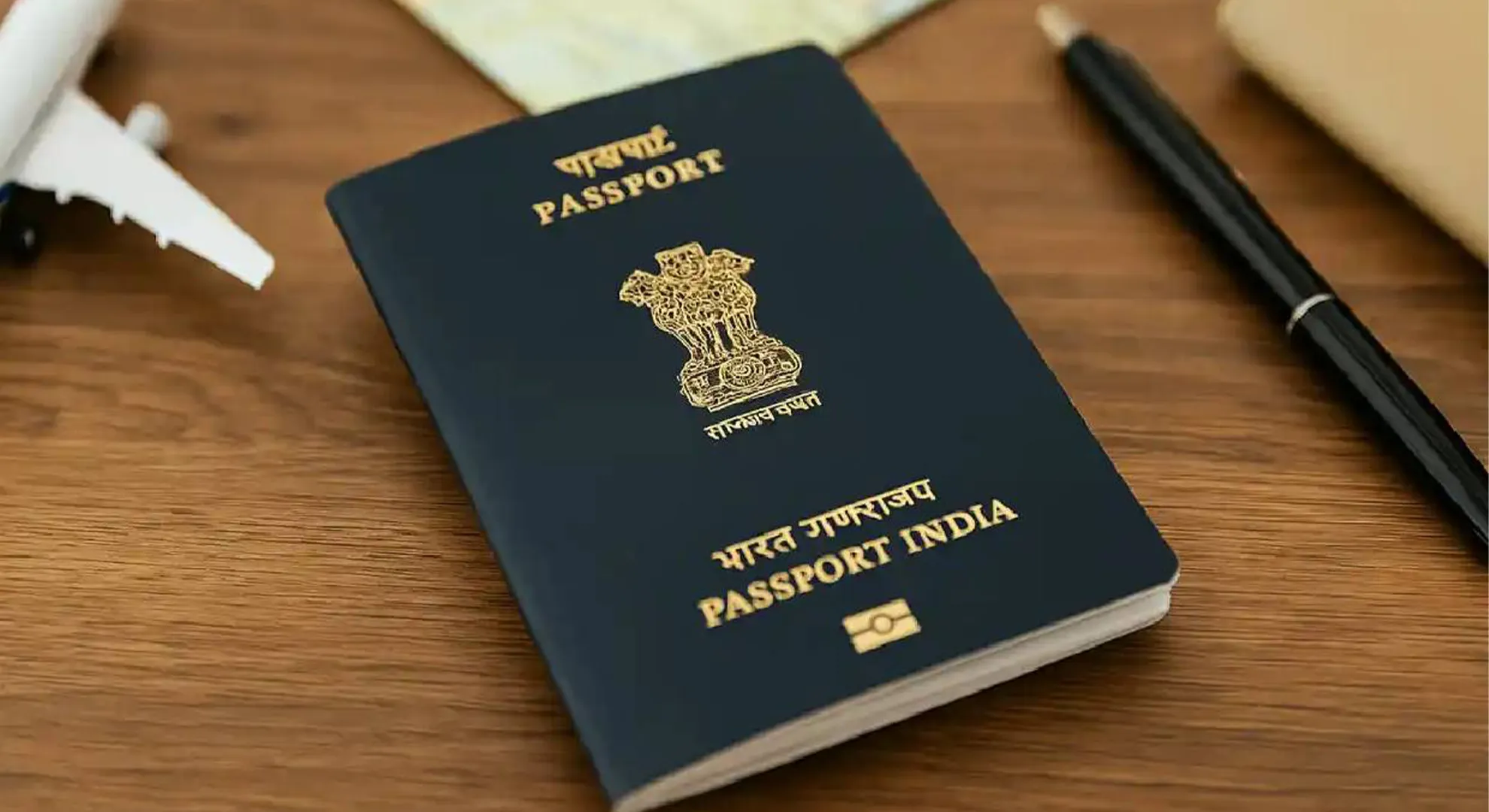
Indian citizens and residents hold various official identification documents provided by the government, including Aadhaar, voter cards and PAN cards. Here is a closer look at these records.
Understanding Which Documents Can Legally Confirm Indian Citizenship
A recent statement by an official from India’s Ministry of External Affairs sparked widespread discussion and debate online after clarifying that an Indian passport should primarily be viewed as a travel document rather than a standalone certificate of citizenship.
The comment surprised many people because obtaining an Indian passport involves a detailed verification process. Applicants are required to provide information related to their identity, address, personal background and other supporting details before the document is issued. Because of these checks, many assumed that holding a passport automatically meant it could serve as official proof of Indian citizenship.
However, legal experts and government guidelines distinguish between the purpose of a passport and the legal determination of citizenship.
An Indian passport is issued by the Ministry of External Affairs under the provisions of the Passports Act, 1967. Its main function is to allow individuals to travel internationally and establish their identity while crossing borders.
Citizenship, on the other hand, is governed separately under the Citizenship Act, 1955, which comes under the authority of the Ministry of Home Affairs. The laws and procedures related to determining whether a person is an Indian citizen fall within this framework.
This difference between travel documentation and citizenship records has created confusion among many people. While a passport is commonly associated with citizenship, its primary legal purpose is not to serve as the final document that establishes citizenship status.
Another factor contributing to the discussion is that, in certain circumstances, passports or travel documents may also be issued to individuals who are not Indian citizens if the government considers it necessary. This further highlights that possession of a passport alone does not always function as conclusive citizenship proof.
The debate has led to a larger question: if a passport is not the only legal way to establish citizenship, then which documents can actually be used for this purpose?
India has a wide range of official documents issued by different government authorities. While many of these documents help confirm identity, residence or eligibility for services, their role in proving citizenship can vary depending on the situation and legal requirements.
Among the most commonly used government-issued documents are Aadhaar cards, voter identification cards, PAN cards and other official records.
The Aadhaar card, issued by the Unique Identification Authority of India (UIDAI), is one of the most widely held identification documents in the country. It is primarily designed to establish identity and provide access to various government and private services. However, Aadhaar itself is not considered a citizenship document, as it can be issued based on residency rather than nationality.
The Voter ID card, also known as the Elector Photo Identity Card (EPIC), has a closer connection to citizenship because voter registration in India requires eligibility under election laws. Since only eligible Indian citizens can generally register as voters, this document is often considered an important record linked to citizenship status.
The PAN card, issued by the Income Tax Department, is mainly used for financial and tax-related purposes. It serves as an important identity document for economic transactions but does not independently establish Indian citizenship.
Other official records, such as birth certificates, citizenship certificates, government registers and certain historical documents, may also play a role in proving citizenship depending on an individual’s circumstances.
The process of establishing citizenship can depend on factors such as the person’s date and place of birth, parental citizenship, registration status and applicable legal provisions.
The recent discussion has highlighted the importance of understanding the difference between identity documents and citizenship documents. Many government-issued cards are designed for specific purposes, and having one does not automatically mean it can legally prove nationality.
For individuals who need to establish citizenship for legal, administrative or official reasons, it is important to rely on documents recognised under citizenship laws rather than assuming that every identity document carries the same legal value.
As public discussion continues, the issue has also encouraged greater awareness about how different government documents function and why separate laws exist for travel, identity verification and citizenship determination.
Understanding these distinctions can help people better navigate official procedures and avoid confusion about which documents provide proof of identity and which ones legally establish citizenship.
Understanding Which Documents Can Prove Indian Citizenship: Aadhaar, PAN, Voter ID and Other Records Explained
Questions around proving Indian citizenship often create confusion because India has several government-issued identification documents, but not all of them serve the same legal purpose. Documents such as Aadhaar cards, PAN cards, voter identification cards and birth certificates are commonly used in daily life, but their ability to establish citizenship depends on the legal framework under which they are issued.
Many people assume that possessing an official identity document automatically confirms nationality. However, identity verification and citizenship verification are separate processes. While some documents prove who a person is or where they live, they may not legally confirm whether the individual is an Indian citizen.
To understand the difference, it is important to examine the purpose of each document and the laws governing citizenship in India.
Aadhaar Card
The Aadhaar card is one of the most widely used identification documents in India. It is issued by the Unique Identification Authority of India (UIDAI) and contains a unique 12-digit identification number linked to an individual’s demographic and biometric information.
Aadhaar was introduced to provide residents with a reliable identity document that could help them access government schemes, financial services and various public and private facilities.
Although Aadhaar is widely accepted as proof of identity and address, it is not considered a document that legally establishes Indian citizenship.
The reason is that Aadhaar is issued based on residency rather than nationality. A person living in India who meets the eligibility requirements can obtain an Aadhaar number, even if that individual is not an Indian citizen.
Therefore, while Aadhaar can confirm a person’s identity details, it does not independently prove that the holder is an Indian national.
PAN Card
The Permanent Account Number, commonly known as PAN, is another important government-issued document used throughout India.
Issued by the Income Tax Department, the PAN is a unique 10-character alphanumeric identification number mainly used for taxation and financial activities. It is required for individuals who pay taxes, file income tax returns or carry out certain financial transactions.
The PAN system helps the government track financial activities and maintain tax records. It is an important document for economic identification but does not function as proof of citizenship.
A PAN card can be issued to individuals who have tax obligations or require a PAN number for financial purposes. Since its purpose is linked to taxation rather than nationality, it cannot be considered evidence of Indian citizenship.
Voter ID Card
The Voter ID card, officially known as the Elector Photo Identity Card (EPIC), is issued by the Election Commission of India.
This document allows eligible citizens to participate in elections at the local, state and national levels. Since voting rights are generally reserved for Indian citizens, many people associate the voter card directly with citizenship.
However, the voter ID card itself is issued by the Election Commission and not by the Ministry of Home Affairs, which handles citizenship-related matters.
The document primarily serves as an electoral identification tool. While being registered as a voter involves eligibility requirements connected to citizenship, the card is not specifically issued under the Citizenship Act as a citizenship certificate.
Because of this distinction, a voter ID card alone may not always serve as the final legal document proving citizenship.
Birth Certificate
A birth certificate is another important official record that provides information about a person’s date and place of birth.
This document can play a significant role in citizenship matters because birth details are one of the factors considered under India’s citizenship laws.
However, being born in India does not automatically guarantee citizenship in every situation. The citizenship status of an individual may depend on factors such as the date of birth and the citizenship status of the parents at the time of birth.
For some individuals, a birth certificate combined with other supporting documents may help establish citizenship. In other cases, additional evidence may be required depending on the circumstances.
This means that a birth certificate confirms birth details, but its role in proving citizenship depends on the legal conditions applicable to that person.
How Indian Citizenship Is Determined
Indian citizenship is governed under the Citizenship Act of 1955, which falls under the authority of the Ministry of Home Affairs.
The law provides several ways through which a person can become an Indian citizen. These include citizenship by birth, descent, registration and naturalisation.
Each category has specific requirements, and eligibility depends on factors such as place of birth, family background and legal status.
Citizenship by Birth
Citizenship by birth applies to individuals born in India, but the rules have changed over time due to amendments in citizenship laws.
Under the current legal framework, eligibility depends on when the person was born and the citizenship status of their parents.
For individuals born after January 26, 1950, and before the beginning of certain amendments introduced later, different conditions apply regarding whether one or both parents were Indian citizens and whether either parent had any prohibited legal status.
For those born after later amendments came into effect, additional requirements may apply, including conditions related to parental citizenship and legal migration status.
Therefore, citizenship by birth is determined not only by location but also by the circumstances surrounding the birth.
Citizenship by Descent
A person born outside India may qualify for citizenship by descent if certain conditions are met.
Generally, this applies when one or both parents are Indian citizens at the time of the child’s birth.
In many cases, the birth must also be registered with an Indian embassy or consulate within the required timeframe.
This process allows children born abroad to maintain a connection with Indian citizenship through their parents.
Citizenship by Registration
The Citizenship Act also allows certain categories of people to apply for citizenship through registration.
This option may apply to individuals who meet specific legal requirements, such as certain persons of Indian origin, spouses of Indian citizens or other categories recognised under the law.
The Ministry of Home Affairs reviews such applications and determines whether the applicant qualifies.
Citizenship by Naturalisation
Foreign nationals who meet the conditions outlined in the Citizenship Act may apply for Indian citizenship through naturalisation.
Applicants must satisfy requirements related to residency, character and other legal conditions before citizenship can be granted.
Naturalisation provides a pathway for eligible individuals who were not originally Indian citizens but wish to become citizens under Indian law.
Can Indian Residents and NRIs Prove Their Citizenship?
The question of which documents can legally establish Indian citizenship has gained attention among residents, non-resident Indians (NRIs) and legal experts.
In December 2019, India’s Press Information Bureau addressed the issue while discussing matters related to the National Register of Citizens (NRC).
The statement explained that citizenship could be established through documents connected to a person’s date of birth and place of birth. However, it also noted that the government had not finalised a specific list of documents that would be accepted in every case.
This means there is currently no single universal document that applies to every citizenship verification situation.
Instead, authorities may examine different records depending on an individual’s circumstances, including birth details, family background and other supporting evidence.
The government has indicated that documents may continue to be reviewed and evaluated as part of citizenship verification procedures.
Why Understanding Document Purpose Matters
The confusion surrounding citizenship proof largely comes from the fact that many official documents serve different purposes.
An Aadhaar card helps establish identity and access services. A PAN card supports financial and tax-related activities. A voter ID allows eligible citizens to participate in elections. A birth certificate records important personal information.
However, none of these documents should automatically be assumed to have the same legal meaning.
Citizenship is a legal status determined under specific laws, while identity documents are created for different administrative purposes.
Understanding these differences is important for individuals who need to provide proof for official procedures.
As discussions around citizenship continue, awareness of the role and limitations of different government documents can help people better understand what each document proves and how citizenship is legally established in India.