Residents across the UAE are venturing into rugged mountain regions, overcoming challenging terrain in search of the country’s highest-quality natural honey harvested from the wild.
The Journey to the UAE’s Finest Honey Takes Residents Across Rugged Mountain Landscapes.
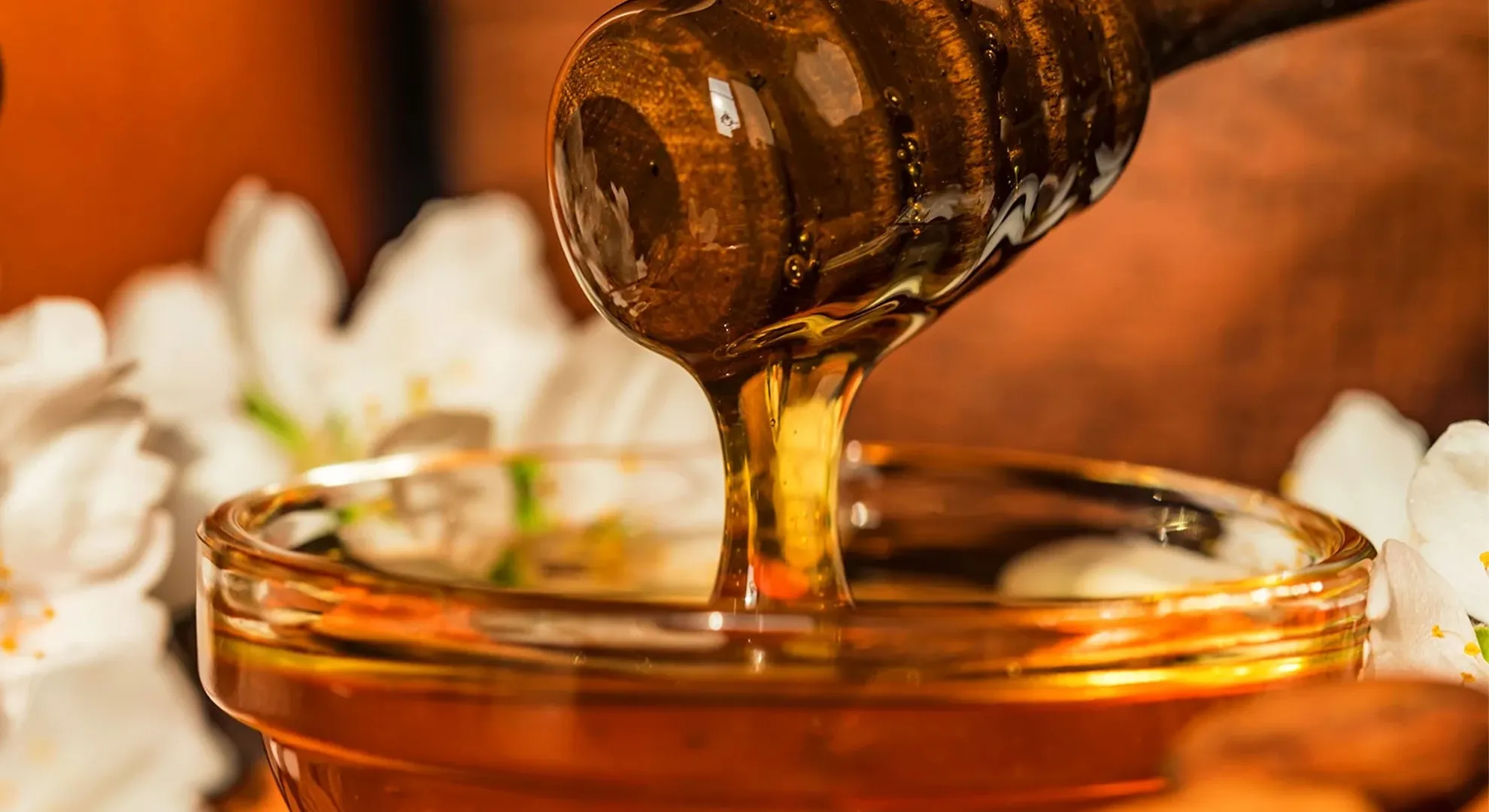
Every jar of honey reflects the unique natural landscape of Ras Al Khaimah and the dedication involved in harvesting it before it reaches consumers.
Ras Al Khaimah’s Honey Tradition Reflects Nature’s Cycles and Generations of Beekeeping Knowledge
Deep within the rocky landscapes of Ras Al Khaimah, where mountain valleys meet coastal areas covered with mangroves, the annual honey season continues to represent a close connection between nature and traditional beekeeping practices. For generations, local beekeepers have relied on their understanding of seasonal changes, flowering patterns and environmental conditions to produce some of the region’s most valued varieties of natural honey.
The honey harvest is not simply a farming activity but a process shaped by patience, experience and careful observation of the surrounding ecosystem. Beekeepers monitor flowering trees and plants throughout the year, waiting for the right conditions before collecting honey from their hives.
Across Ras Al Khaimah, the production cycle follows the natural rhythm of different plant species. As flowers bloom at different times, bees collect nectar from specific trees and plants, creating distinct varieties of honey with unique characteristics, flavours and textures.
The season generally begins during the spring months when flowering activity increases across the emirate’s mountainous and coastal areas. Different types of honey become available at different periods depending on the blooming cycles of local vegetation.
Samar honey, known for its distinctive qualities, is usually collected between the middle of May and the middle of June when Samar trees reach their peak flowering stage. Later in the year, Sidr honey production typically takes place between October and November, when Sidr trees provide another important source of nectar for bees.
Other varieties, including honey produced from mangrove flowers and ghaf trees, appear at different times depending on weather patterns, rainfall levels and the availability of flowering plants.
For beekeepers, timing is one of the most important factors in achieving a successful harvest. A strong flowering season can result in greater honey production, while changes in climate and environmental conditions can directly affect the amount and quality of honey collected.
However, the 2026 honey season has presented several challenges for producers across Ras Al Khaimah. Earlier rainfall patterns created unexpected conditions that affected the flowering cycle of some important mountain trees.
Jamal Rashid Hamdoun, owner of Raghuh Honey, explained that the heavy rains experienced earlier in the year influenced the growth and flowering of trees such as Samar and Sidr. Although rainfall can provide benefits for vegetation, unusual weather patterns can sometimes disrupt the natural timing of flowering.
According to Hamdoun, the reduced flowering activity in certain areas resulted in lower honey production compared with previous seasons. Since bees depend directly on available flowers for nectar collection, any reduction in flowering can have an immediate impact on the quantity of honey produced.
The situation highlights how closely beekeeping remains connected to environmental conditions. Unlike many agricultural activities that can be controlled through irrigation or artificial methods, honey production depends heavily on natural ecosystems and seasonal changes.
Experienced beekeepers often describe honey harvesting as a process that requires flexibility and deep knowledge of nature. They must understand the behaviour of bees, identify suitable locations for hives and track changes in plant growth throughout the year.
Mountain regions in Ras Al Khaimah provide unique conditions for honey production due to their diverse plant life and natural landscapes. The availability of wild trees and flowering plants allows bees to collect nectar from sources that contribute to the distinctive character of local honey.
The emirate’s coastal areas also play an important role, particularly for varieties influenced by mangrove environments. These ecosystems provide a different source of nectar compared with mountain regions, creating honey with its own flavour profile and qualities.
For many local producers, maintaining traditional beekeeping methods is an important part of preserving the region’s heritage. Families have passed down knowledge about hive management, seasonal timing and harvesting techniques through generations.
Modern beekeepers continue to combine traditional experience with improved methods to protect bee populations and maintain production standards. While technology has helped improve monitoring and hive management, success still depends largely on understanding the relationship between bees and their natural surroundings.
The challenges faced during the 2026 season also demonstrate the wider impact of changing environmental conditions on traditional industries. Weather patterns, rainfall levels and temperature changes can influence not only honey production but also the broader ecosystems that support agriculture and wildlife.
Despite lower yields in some locations, beekeepers remain committed to continuing the tradition and preserving the quality of Ras Al Khaimah’s honey. Many believe that each season brings its own challenges and opportunities, with nature ultimately determining the outcome.
Consumers who purchase local honey often value more than just the product itself. Each jar represents the landscape where the bees collected nectar, the seasonal conditions that shaped the harvest and the effort of beekeepers who carefully manage the process.
From remote mountain areas to coastal mangrove environments, Ras Al Khaimah’s honey industry reflects a unique combination of natural resources and human expertise. The work involved in producing honey requires dedication, knowledge and respect for the environment.
As the region’s beekeeping community continues to adapt to changing conditions, the tradition remains an important part of Ras Al Khaimah’s cultural and natural identity. The annual honey harvest serves as a reminder of the connection between people, landscapes and the delicate cycles of nature that make each season different.
Ras Al Khaimah’s Honey Harvest Reflects the Influence of Nature and Changing Seasons
The honey production season in Ras Al Khaimah has once again demonstrated how closely beekeeping remains connected to the region’s natural environment. While some areas experienced challenges due to changing weather conditions, others benefited from favourable circumstances, creating a mixed outcome for local honey producers.
According to beekeeper Jamal Rashid Hamdoun, owner of Raghuh Honey, mountain honey production faced difficulties this year as heavier-than-usual rainfall affected the natural flowering cycle of key trees. The increased rain altered the timing and availability of blossoms, which directly influenced the amount of nectar collected by bees.
Hamdoun explained that many beekeepers working in mountainous areas observed a noticeable decline in honey yields compared with previous seasons. Although rainfall generally supports plant growth, the timing and intensity of the rain played an important role in determining the success of the harvest.
The flowering of mountain trees such as Samar and Sidr is essential for producing some of Ras Al Khaimah’s most valued honey varieties. When these trees produce fewer flowers or experience shorter flowering periods, bees have fewer sources of nectar available, resulting in reduced honey production.
“The increased rainfall changed the flowering patterns and affected nectar availability,” Hamdoun explained. As a result, several mountain locations recorded lower production levels during the season.
The impact was not limited to the quantity of honey collected. Changes in flowering conditions also influenced the overall harvesting process, requiring beekeepers to carefully monitor hive activity and adjust their expectations based on environmental conditions.
However, while mountain honey production experienced a slowdown, the story was very different along Ras Al Khaimah’s coastal mangrove areas. The mangrove honey season delivered an especially strong performance, with beekeepers reporting high production volumes and excellent quality.
Hamdoun described the coastal harvest as one of the highlights of the season, noting that the mangrove environment provided favourable conditions for bee activity. The availability of flowering mangrove plants created a rich source of nectar, allowing bees to produce larger quantities of honey compared with some mountain regions.
The contrast between mountain and coastal production reflects the unique geographical diversity of Ras Al Khaimah. The emirate’s landscape includes dramatic mountains, valleys, desert areas and coastal ecosystems, each supporting different types of vegetation and contributing to a variety of honey products.
This environmental diversity is one of the reasons Ras Al Khaimah has developed a reputation for producing distinctive natural honey. Each variety carries characteristics influenced by the plants from which bees collect nectar and the specific conditions of the area where the hives are placed.
Among the most popular varieties are Samar honey, Sidr honey and mangrove honey. Each type has its own flavour, aroma, colour and texture, reflecting the natural surroundings that shape its production.
Samar honey, collected from the nectar of Samar trees, is highly valued for its rich taste and traditional appeal. Sidr honey, often considered one of the region’s premium varieties, is known for its strong character and association with the wild Sidr trees found in mountainous environments.
Mangrove honey offers a different experience, with qualities influenced by the coastal ecosystem where bees gather nectar from mangrove flowers. Its successful season this year highlights the importance of preserving different natural habitats that support honey production.
For beekeepers, producing honey is not simply about collecting a product; it requires a detailed understanding of nature’s cycles. The location of hives, seasonal timing, weather conditions and plant availability all play important roles in determining the final harvest.
Mountain beekeeping, in particular, requires extensive knowledge of local landscapes. Beekeepers must identify areas where wild plants grow, monitor changes in vegetation and ensure that hives are positioned in locations where bees can access sufficient nectar sources.
The relatively untouched environment of Ras Al Khaimah’s mountain regions contributes to the reputation of its honey. Away from heavily developed areas, wild plants and native trees continue to provide natural resources that influence the quality and character of the honey produced.
Hamdoun noted that mountain honey is appreciated by consumers because of its distinctive qualities. It is recognised for its deep flavour, natural aroma and thicker consistency, which many honey enthusiasts associate with traditional, high-quality production methods.
The combination of wild Sidr and Samar trees, along with seasonal mountain flowers, creates a unique nectar source that gives the honey its special characteristics.
Beyond taste and texture, many customers value the connection between the honey and the landscape from which it originates. Each jar represents the environment where the bees worked, the seasonal conditions that shaped the harvest and the dedication of the beekeepers who manage the process.
The differences between this year’s mountain and mangrove harvests also demonstrate how sensitive honey production is to environmental changes. A successful season depends on a delicate balance between weather, plant growth and bee activity.
For local producers, adapting to these natural variations is part of the tradition of beekeeping. Experienced beekeepers understand that every year brings different challenges and opportunities, and they rely on generations of knowledge to respond to changing conditions.
Despite lower production in some mountain areas, the strong mangrove harvest provided a positive outcome for many producers. The results highlight the importance of Ras Al Khaimah’s diverse ecosystems and the role they play in supporting different forms of honey production.
As interest in natural and locally produced honey continues to grow, Ras Al Khaimah’s beekeeping tradition remains an important part of the emirate’s agricultural and cultural heritage. The seasonal journey from flowering trees and coastal plants to finished honey jars reflects a relationship between people, bees and nature that has developed over generations.
The story of the region’s honey is ultimately a story of adaptation. Whether produced in mountain valleys or along mangrove shores, each variety captures the unique environment that shaped it and the careful work required to bring it from nature to consumers.

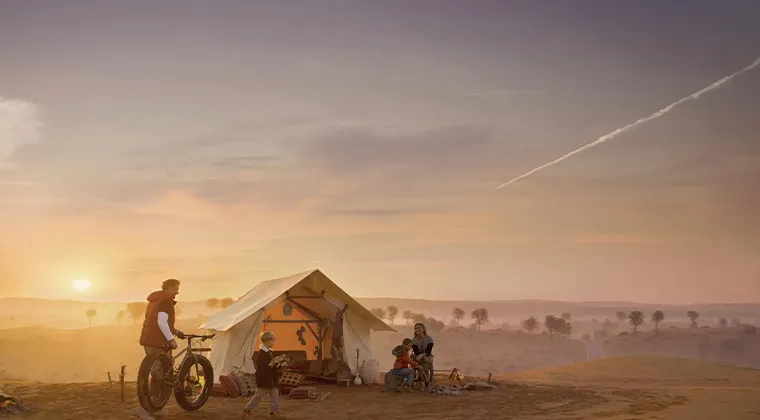
Honey extraction
The Challenging Journey Behind Ras Al Khaimah’s Mountain Honey Harvest
While Ras Al Khaimah’s natural honey is highly valued for its quality and unique flavours, reaching the locations where it is produced is often a demanding task. The journey to mountain hives requires determination, skill and a deep understanding of the region’s challenging landscapes.
Many beekeepers travel through difficult terrain to reach their colonies, often working in areas surrounded by steep hills, uneven pathways and rocky mountain slopes. Accessing these remote locations can be physically demanding, especially when carrying beekeeping tools, protective equipment and supplies needed to manage the hives.
Unlike large-scale farming operations, traditional mountain beekeeping depends heavily on the beekeeper’s ability to adapt to natural conditions. Producers must carefully select hive locations where bees can access flowering plants while also protecting the colonies from environmental challenges.
Moving equipment through mountainous areas requires experience and careful planning. Beekeepers often need to transport heavy materials across rough landscapes, while unpredictable weather conditions can create additional obstacles during the harvesting period.
Sudden changes in temperature, rainfall and wind can affect both bee activity and the timing of the harvest. For this reason, successful honey production depends not only on the health of the bee colonies but also on the beekeeper’s knowledge of seasonal patterns.
Honey enthusiast Saif Al Hebsi, who is familiar with Ras Al Khaimah’s traditional beekeeping practices, explained that weather conditions played a significant role in this year’s Samar honey season.
According to Al Hebsi, the production timeline for Samar honey usually follows a predictable pattern. The process begins when Samar trees start flowering toward the end of May, allowing bees to collect nectar before the honey becomes ready for extraction in June.
However, this year brought different conditions. Increased rainfall affected the normal flowering cycle of Samar trees, delaying the period when flowers became available to bees. As a result, both honey production and harvesting schedules were pushed back.
Al Hebsi explained that the delay demonstrated how closely honey production is connected to nature. Even small changes in weather patterns can influence when trees bloom, how actively bees collect nectar and the final amount of honey produced during the season.
Samar trees are particularly important to Ras Al Khaimah’s honey industry because they grow naturally in mountainous areas. Locations such as Khatt and nearby mountain regions, including areas extending toward Fujairah, provide suitable environments for these trees and support the production of one of the UAE’s most recognised honey varieties.
The connection between the mountain environment and Samar honey is what gives the product its distinctive identity. The surrounding vegetation, natural conditions and remote landscapes all contribute to the characteristics that make mountain honey highly sought after.
Once bees have collected enough nectar and the honey inside the hive has reached maturity, beekeepers begin the extraction process. This stage requires careful attention because harvesting too early can affect the quality of the final product.
Experienced beekeepers first inspect the honeycomb frames to determine whether the honey is ready. One of the main indicators is the presence of a wax seal covering the honey cells. This natural wax layer shows that the bees have completed the process and that the honey has reached the appropriate moisture level.
After confirming that the honey is ready, the frames are carefully removed from the hive. Beekeepers then remove the thin wax layer covering the honey cells, preparing the frames for extraction.
The honey is collected using a centrifugal extractor, a specialised machine that rotates the frames and removes the honey without destroying the structure of the comb. This method allows beekeepers to preserve the comb while efficiently collecting the honey.
Following extraction, the honey goes through a filtering process to remove small natural materials such as pieces of wax or other particles that may be present after harvesting. The filtering process helps ensure that the final product maintains a clean appearance while preserving its natural qualities.
Once processed, the honey is stored, packaged and prepared for distribution. Despite the use of modern equipment during some stages, the overall process continues to depend on traditional knowledge passed through generations of beekeepers.
The production of Ras Al Khaimah’s mountain honey represents more than just a commercial activity. It reflects a relationship between local communities, natural landscapes and the seasonal cycles that determine each year’s harvest.
The difficult journey to reach mountain hives, the patience required to wait for the right flowering periods and the careful process of extracting honey all contribute to the value of the final product.
A video showing honey extraction from Ruʾūs al-Jibāl — meaning “mountain tops” in Ras Al Khaimah — highlights the connection between the region’s dramatic landscapes and its long-standing beekeeping traditions.
From remote mountain locations to the final jar of honey, every stage of production reflects the effort, knowledge and environmental conditions that make Ras Al Khaimah’s honey unique.
From hive to table
From Remote Hives to Market Shelves: The Effort Behind Ras Al Khaimah’s Honey Production
The process of bringing honey from mountain hives to consumers involves far more than simply collecting the final product. For beekeepers operating in Ras Al Khaimah’s remote mountainous areas, the journey continues even after the honey is harvested. Moving the collected honey, equipment and supplies through difficult landscapes requires additional time, effort and careful planning.
Mountain apiaries are often located in areas that are challenging to access, with steep paths, rocky surroundings and limited transportation options. After extraction, beekeepers must carefully transport the honey away from these locations before it can be processed, packaged and delivered to customers.
Unlike honey production in easily accessible areas, mountain harvesting involves additional logistical challenges. Beekeepers may need to carry equipment across uneven terrain, manage transportation difficulties and ensure that the quality of the honey is maintained throughout the process.
These extra steps contribute to the overall value of mountain-produced honey, as the final product represents not only the natural qualities of the region but also the dedication required to collect and prepare it.
Jamal Rashid Hamdoun, owner of Raghuh Honey, explained that honey prices can differ significantly depending on several factors, including the type of honey, availability, harvesting conditions and the location where it is produced.
Premium varieties such as Samar honey are often priced higher due to their popularity, limited production and the specific environmental conditions required for harvesting. The availability of these varieties depends heavily on flowering cycles, weather patterns and the health of the natural habitats where bees collect nectar.
Honey collected from remote mountain areas may also carry a higher price because of the additional work involved. Reaching mountain hives, maintaining colonies in difficult environments and transporting the harvest from isolated locations all increase the effort and resources required.
According to Hamdoun, the value of mountain honey comes not only from its taste and quality but also from the process behind its production. Every stage, from managing the bees to collecting the honey in challenging landscapes, contributes to the uniqueness of the final product.
Despite the physical demands and unpredictable conditions, beekeepers across Ras Al Khaimah continue to preserve their traditional methods while also adopting modern approaches to improve efficiency.
For many families involved in beekeeping, the knowledge required to manage bees and identify suitable harvesting locations has been passed down through generations. Experienced beekeepers often learn from their fathers, grandfathers and other members of their communities, gaining practical skills through years of observation and hands-on work.
Traditional knowledge remains an important part of the industry. Beekeepers understand how seasonal changes affect flowering patterns, how bees respond to environmental conditions and where colonies are most likely to thrive.
At the same time, modern beekeeping practices have become increasingly important. Many producers now combine inherited knowledge with updated techniques, including improved hive management methods, specialised equipment and training programmes designed to enhance honey production.
This combination of old and new approaches allows beekeepers to protect traditional practices while adapting to changing environmental and market conditions.
The work of beekeepers is not limited to producing honey as a commercial product. For many, it is also about protecting a cultural tradition connected to Ras Al Khaimah’s natural environment.
The emirate’s landscape provides a unique setting for honey production. Its mountains, valleys and coastal areas support a variety of plants and trees that contribute to different honey varieties.
Mountain areas covered with Samar and Sidr trees provide nectar sources for some of the region’s most valued honey. Meanwhile, coastal mangrove environments create different conditions that support other varieties with their own distinctive characteristics.
Each type of honey reflects the environment where it was produced. The flavour, aroma, colour and texture are influenced by the plants visited by bees, the climate of the area and the seasonal conditions during production.
For consumers, a jar of Ras Al Khaimah honey represents much more than a natural food product. It carries the story of the landscape, the bees and the people who work to preserve this traditional craft.
The journey begins in remote areas where beekeepers carefully manage their colonies and wait for the right conditions to collect honey. It continues through the difficult process of extraction, transportation, filtering and packaging before reaching markets and households.
Behind every jar is a combination of environmental factors and human effort. Weather conditions, flowering cycles and natural resources determine the harvest, while the skills and dedication of beekeepers determine how successfully the honey is collected and prepared.
For local producers, the challenges are part of what makes the tradition meaningful. Working in mountainous areas requires patience, resilience and a deep connection with nature.
Many beekeepers view their role as caretakers of a long-standing heritage rather than simply producers of honey. By continuing these practices, they help maintain a connection between modern consumers and traditional methods that have shaped the region for generations.
As interest in natural and locally produced honey continues to increase, Ras Al Khaimah’s beekeeping community remains committed to protecting the quality and authenticity of its products.
From the rugged mountain slopes where Samar and Sidr trees grow to the coastal areas where mangroves support different honey varieties, each harvest tells a unique story.
The journey from hive to table is therefore a reflection of both nature and human dedication. Every jar captures the character of Ras Al Khaimah’s diverse environment and the effort required to transform a natural resource into a product enjoyed by consumers.