Travellers using Etihad Rail can now benefit from low-cost bus connections and car hire facilities, making onward journeys simpler, faster and more accessible across the UAE.
Etihad Rail introduces Dh10 shuttle service and car rentals to make passenger journeys easier.
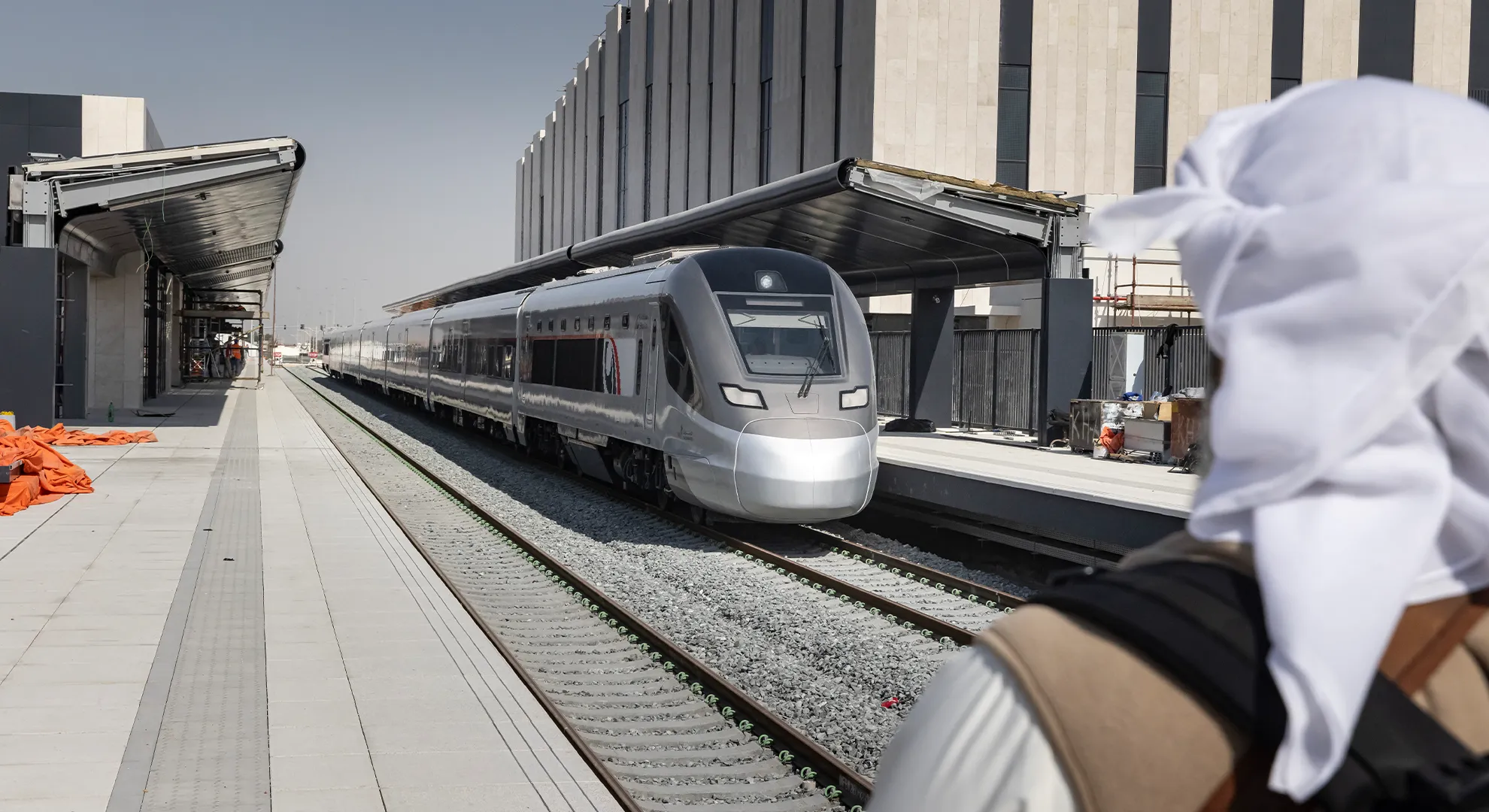
How Etihad Rail is creating smoother city access for passengers by connecting its initial stations with shuttle buses, vehicle rentals and local transport services.
Etihad Rail Expands Passenger Connections Beyond Stations with New Transport Options
Etihad Rail is focusing not only on connecting cities through its passenger network but also on ensuring travellers can easily continue their journeys after arriving at stations. The railway operator is developing a range of last-mile transport solutions designed to make station access smoother and more convenient for passengers.
The introduction of additional transport services aims to address a common challenge faced by rail passengers worldwide — reaching their final destination after leaving the train. By providing links between stations and important city locations, Etihad Rail hopes to create a more complete travel experience that extends beyond the railway platform.
One of the key initiatives is a Dh10 shuttle bus service that will operate from the Mohamed bin Zayed City station in Abu Dhabi. The service is designed to connect passengers with several major destinations across the capital, giving travellers an affordable and reliable option for onward transportation.
The shuttle network will link the station with prominent locations including the headquarters of ADNOC on Corniche Road West, the Abu Dhabi National Exhibition Centre (ADNEC) and Reem Mall. These connections are expected to benefit commuters, business travellers and visitors who may need convenient transport options after completing their train journey.
Passengers will be able to reserve shuttle services through Etihad Rail’s digital platforms, including its official mobile application and website. The booking system is intended to make planning journeys easier by allowing travellers to organise their transportation before reaching the station.
By introducing affordable shuttle options, Etihad Rail aims to reduce dependence on private vehicles and provide passengers with greater flexibility when travelling between rail stations and key urban destinations.
Meanwhile, Fujairah station is set to offer a different range of onward travel facilities from the beginning of passenger operations. The station will include a dedicated rental car service, allowing travellers to access vehicles immediately after arriving.
In addition to rental car facilities, Fujairah station will provide several other transport options, including designated taxi areas, e-hailing pick-up zones and connections to local bus services. These arrangements are designed to ensure passengers have multiple choices depending on their travel needs and final destination.
Adhraa Almansoori, Executive Director of Commercial at Etihad Rail Mobility, explained that the company is working to create a connected transport ecosystem around its passenger stations.
She said Etihad Rail is actively collaborating with relevant public transport authorities to coordinate services such as buses and taxis according to train schedules. The aim is to ensure that passengers arriving at stations are not left waiting for extended periods or facing difficulties reaching their next destination.
According to Almansoori, transportation planning around train arrivals and departures is an important part of building a successful passenger rail service. A train journey should not be viewed as ending when passengers step off the platform; instead, the entire travel experience should include smooth connections to homes, workplaces, hotels and other destinations.
The company also expects to introduce additional rental car partnerships across its wider passenger network in the future. These partnerships will provide travellers with more mobility choices as the rail system expands.
The development of these services reflects Etihad Rail’s broader approach to passenger travel, where connectivity and convenience are considered essential components of the overall experience.
At the first passenger media briefing held by the operator, Almansoori highlighted the importance of creating reliable links between railway stations and surrounding communities. She explained that many passengers will rely on public transport or shared mobility options, making coordination between different transport providers a priority.
For passengers who do not have access to a personal vehicle, these additional services will play an important role in making rail travel more practical. Convenient connections can encourage more people to choose trains for daily commuting, business trips and leisure travel.
The integration of shuttle buses, taxis, rental cars and other transport services also supports the UAE’s wider goals of improving public mobility and creating more sustainable transportation options.
By connecting stations with major commercial, residential and entertainment destinations, Etihad Rail is working to make rail travel a practical alternative for a wider range of passengers.
The Mohamed bin Zayed City station shuttle service demonstrates how smaller transport links can improve accessibility. A passenger may complete the main part of their journey by train, then continue easily through an affordable bus connection rather than arranging separate transportation.
Similarly, the facilities planned at Fujairah station highlight the importance of offering multiple travel choices in areas where passengers may need greater flexibility.
Rental cars, taxis and e-hailing services provide options for travellers who require direct transport to locations not covered by public buses. This approach allows passengers to choose the solution that best matches their schedule and destination.
As Etihad Rail continues developing its passenger network, the focus is expected to remain on creating a seamless travel experience from departure point to final destination.
The success of a railway system depends not only on the trains themselves but also on how effectively stations connect with the communities around them. Easy access, reliable transfers and coordinated transport services are essential to encouraging wider passenger use.
Through its partnerships with transport authorities and mobility providers, Etihad Rail is working towards building an integrated network where different modes of transportation work together.
The introduction of shuttle buses, rental car facilities and coordinated transport services represents a step towards making rail travel more accessible across the UAE.
Rather than viewing stations as final stops, Etihad Rail is developing them as connected mobility hubs where passengers can transition smoothly to their next destination. This approach is expected to strengthen the role of rail within the country’s wider transportation network and provide travellers with more convenient, efficient and flexible ways to move between cities.
Etihad Rail Looks Beyond Transport, Linking Rail Travel with Tourism and Local Growth
Etihad Rail’s plans for passenger connectivity are expanding beyond simply moving travellers between cities. The railway operator is also exploring ways to integrate rail journeys with tourism experiences, local attractions and economic opportunities around its stations.
As the passenger network develops, Etihad Rail is working on creating a broader travel ecosystem where train journeys can become part of a complete experience rather than just a means of transportation.
One of the key areas of focus is cooperation with tourism authorities to develop combined travel packages that connect rail journeys with hotel stays and visitor experiences. These initiatives are aimed at encouraging passengers to explore destinations along the rail network while making travel planning easier.
Adhraa Almansoori, Executive Director of Commercial at Etihad Rail Mobility, said discussions are taking place with tourism partners to create integrated offerings that combine transportation and accommodation.
She explained that linking rail travel with tourism services is not simply an additional feature but an essential part of building a successful passenger network. According to Almansoori, creating these connections will help maximise the value of rail travel by encouraging passengers to use trains for leisure trips as well as regular commuting.
The idea is to make it easier for travellers to plan complete journeys, where transportation, accommodation and local activities can be arranged together through connected services.
Such packages could benefit both passengers and tourism destinations by making different parts of the UAE more accessible. Travellers could potentially reach new locations by train and continue their visits through organised hotel and activity options.
While these larger tourism initiatives are being developed, Etihad Rail is already preparing station teams to support passengers with local recommendations. Staff members are being trained to provide information about nearby restaurants, attractions and activities for travellers who may have free time before their return journey.
This approach aims to transform stations into more than arrival and departure points. Instead, they can become gateways that introduce visitors to surrounding communities and encourage exploration of nearby areas.
For example, passengers arriving at a station with several hours available before their next train may benefit from suggestions on where to eat, visit or spend their time. By providing this local guidance, Etihad Rail hopes to improve the overall passenger experience and strengthen connections between railway stations and nearby businesses.
The focus on creating a complete travel experience comes as the rail network also contributes to employment growth. The launch of passenger operations has created new career opportunities within station management and customer service.
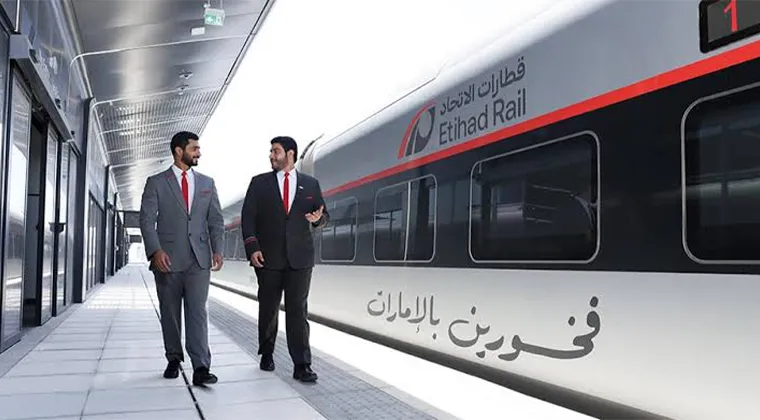
New roles, including station hosts and station masters, have been introduced to support daily operations and assist passengers. These positions are designed to ensure stations operate smoothly while providing travellers with guidance and support throughout their journey.
Station hosts play an important role in improving customer experience by helping passengers navigate facilities, answering questions and providing information about services. Meanwhile, station masters oversee operational activities and help ensure that train movements and station functions run efficiently.
The development of these roles reflects the wider impact of the railway project beyond transportation. As the network grows, it is expected to create additional employment opportunities across areas such as operations, customer service, retail and hospitality.
Etihad Rail is also seeing early interest from businesses looking to establish commercial activities around its new stations. Retailers, restaurants and service providers are exploring opportunities to become part of the growing station environments.
The expectation is that stations could develop into active community spaces where passengers, residents and visitors have access to shops, dining options and other services.
Similar to international railway systems, well-designed stations can become important economic hubs that support surrounding businesses and contribute to local development.
By attracting commercial activity near stations, Etihad Rail aims to create additional value for communities located along the network. The presence of restaurants, retail outlets and other services could make stations more convenient for passengers while generating new opportunities for businesses.
The expansion of these supporting services highlights how the railway project is influencing more than mobility. It is also contributing to tourism growth, job creation and economic activity in areas connected by the network.
For the UAE, the passenger rail system represents a major step toward improving nationwide connectivity. However, the long-term success of the network depends not only on train services but also on how effectively it integrates with other parts of the economy.
Connecting rail travel with tourism, hospitality and local businesses is expected to play an important role in increasing passenger numbers and encouraging wider use of the network.
Tourists, in particular, may benefit from easier access to destinations that were previously more dependent on private vehicles. A reliable rail connection combined with hotel packages and local experiences could make exploring different emirates more convenient.
The approach also supports broader sustainability goals by encouraging more people to choose public transportation instead of individual car journeys.
As Etihad Rail continues expanding its passenger services, the company’s focus is shifting toward creating a connected environment where transport, tourism and commercial activities work together.
The railway is becoming more than a system for travelling from one location to another. It is developing into a platform that supports new experiences, encourages economic activity and creates stronger links between communities.
Through partnerships with tourism authorities, improved station services and growing business interest around rail hubs, Etihad Rail aims to establish a passenger network that delivers value beyond the journey itself.
The future of rail travel in the UAE is expected to involve not only faster and more convenient transportation but also opportunities for passengers to discover destinations, support local businesses and enjoy a more integrated travel experience.