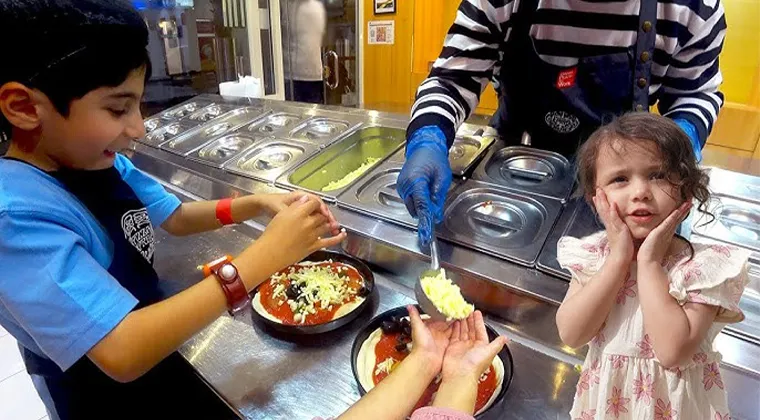
Dubai Municipality has issued guidance outlining key rules for children involved in selling homemade food, emphasizing safety standards, proper hygiene practices, and compliance with regulations for home-based food activities.
Dubai Municipality Highlights Do’s and Don’ts for Children’s Homemade Food Sales.

Dubai Municipality has issued a detailed clarification to Insider 18 explaining the regulations that apply to residents engaging in food sales activities, including informal setups such as home-based stalls or even small stands placed in front gardens. The clarification comes amid a growing social media trend in which children across the city have been seen selling homemade refreshments and baked goods outside their homes, drawing widespread attention and positive reactions online.
In recent weeks, videos shared across various social media platforms have showcased young residents taking part in small entrepreneurial activities. These clips often feature children offering homemade lemonade, freshly prepared juices, cookies, cupcakes, and other simple food items to neighbours and passers-by. Many viewers have praised these initiatives, describing them as creative, encouraging, and reflective of a strong entrepreneurial spirit being nurtured from an early age.
While the trend has been widely appreciated for promoting creativity and business awareness among children, authorities have emphasised that all food-related commercial activity in Dubai is subject to clear regulatory requirements. Dubai Municipality has reiterated that even small-scale or seemingly informal food sales fall under existing laws designed to ensure public safety and maintain consistent hygiene standards across the emirate.
According to the municipality, any activity involving the sale of food or beverages—regardless of scale, location, or intent—requires prior approval and the appropriate licensing. This means that even temporary setups, such as a child-operated lemonade stand placed outside a residential property, are considered commercial activities under the law if money is exchanged for food or drinks.
The first step in this process is obtaining the necessary commercial licence. Dubai Municipality clarified that residents intending to engage in such activities must secure permission through the Dubai Department of Economy and Tourism (DET), the authority responsible for regulating, approving, and issuing licences for business operations in the emirate. Without this formal authorisation, food sales activities are not permitted, even if they are conducted on a small or non-professional scale.
Once the appropriate licence has been granted by the relevant authority, the role of Dubai Municipality becomes more focused on monitoring and enforcement from a public health perspective. The civic body is responsible for ensuring that all licensed food businesses comply with established food safety regulations. This includes oversight of hygiene practices, food handling procedures, storage conditions, preparation environments, and overall safety standards.
The municipality explained that its inspection framework is designed to safeguard consumers and maintain high levels of confidence in the food sector. This system operates through a combination of specialised inspection teams who conduct on-site checks, as well as integrated digital platforms that help track compliance and manage regulatory data efficiently.
These inspection teams are trained to assess a wide range of food safety factors. Their work includes verifying cleanliness standards, checking ingredient storage methods, ensuring proper temperature control where necessary, and confirming that food preparation practices meet approved guidelines. By carrying out these inspections, authorities aim to minimise potential health risks and ensure that all food available to the public is safe for consumption.
Dubai Municipality also highlighted the use of advanced digital systems that support its regulatory functions. These technologies allow for more efficient monitoring of licensed establishments and enable better coordination between different government departments. Through data-driven oversight, inspectors can respond more quickly to potential issues and maintain a consistent level of enforcement across the city.
The municipality stated that this integrated approach—combining human inspection teams with modern digital tools—is regarded as one of the most efficient regulatory models globally. It is designed not only to enforce compliance but also to promote proactive risk prevention, ensuring that food safety concerns are addressed before they can escalate into public health issues.
Officials emphasised that the primary objective of these regulations is to protect the health and wellbeing of residents and visitors in Dubai. Given the diverse and densely populated nature of the city, maintaining strict food safety standards is considered essential to preventing foodborne illnesses and ensuring public trust in the food industry.
While the recent social media trend has highlighted the positive side of community engagement and youth entrepreneurship, authorities have encouraged residents to be aware of the legal framework that governs such activities. The intention is not to discourage creativity or small-scale initiatives, but rather to ensure that any food-related business activity operates within a structured and safe environment.
Dubai Municipality’s clarification serves as a reminder that innovation and entrepreneurship must be balanced with regulatory compliance. Even informal-looking setups, such as homemade food stalls in residential areas, are still considered commercial operations when products are offered for sale. As such, they must adhere to the same foundational rules that apply to larger food businesses.
The clarification also underscores the importance of proper licensing in maintaining a fair and regulated marketplace. By ensuring that all food vendors operate under approved permits, authorities can apply consistent standards across the sector, whether the business is a large restaurant, a home-based catering service, or a small community-based initiative.
In addition, the municipality stressed that compliance with food safety regulations is not only a legal requirement but also a key factor in building consumer trust. Residents purchasing food from any vendor—regardless of scale—expect that proper hygiene and safety measures are in place. Regulatory oversight helps reinforce this trust by ensuring that all operators meet the necessary standards.
As Dubai continues to encourage entrepreneurship and support small business development, authorities have indicated that clear guidelines will remain in place to help individuals understand their responsibilities. Educational initiatives and awareness campaigns are often used to inform residents about licensing procedures and food safety requirements, particularly for home-based businesses.
Ultimately, Dubai Municipality’s message reflects a broader effort to balance community creativity with public safety. While the enthusiasm of young residents engaging in small food-selling activities has been widely appreciated, the underlying regulatory framework ensures that all such activities are conducted in a safe, controlled, and legally compliant manner.
By maintaining this balance, the city aims to foster an environment where innovation and entrepreneurship can thrive without compromising the health and safety of the public. The municipality’s clarification reinforces the importance of following proper procedures and obtaining the necessary approvals before engaging in any form of food sales, regardless of scale or setting.
Home businesses
Dubai Municipality has clarified that it continues to support the concept of home-based businesses, but stressed that such activities must be conducted in full compliance with the relevant licensing rules and regulatory requirements. The authority emphasised that while entrepreneurship at the household level is welcome and encouraged, it must always operate within the legal framework established to govern commercial activities in the emirate.
In its statement, the civic body explained that residents are free to explore small business opportunities from home, provided they first obtain the necessary approvals and adhere strictly to the applicable laws and guidelines. This includes securing the appropriate licences and ensuring that all operations meet the standards set by the competent regulatory authorities. According to the municipality, following these procedures is essential to ensure that home-based enterprises function safely, transparently, and in line with public health and consumer protection regulations.
At the same time, Dubai Municipality highlighted that there are already structured programmes in place designed specifically to support young people and families who are interested in exploring entrepreneurial activities in a controlled and supervised environment. These initiatives are intended to provide a safe and educational platform where children and teenagers can gain early exposure to business concepts, particularly in areas related to food preparation and sales.
One such initiative is the Young Entrepreneur Programme, which has been organised in community locations such as Nad Al Sheba and Al Barsha. These events are designed to offer participants the opportunity to showcase and sell their homemade products in a regulated setting where all necessary oversight mechanisms are in place.
Unlike informal or unregulated sales activities, these programmes are carefully managed by authorities to ensure that all food items being offered meet required safety and hygiene standards. Participants are guided through the process, and their products are monitored under the supervision of Dubai Municipality’s food safety systems. This structured environment allows young entrepreneurs to experience real-world business interactions while ensuring that consumer safety is not compromised.
The municipality explained that these community-based events serve multiple purposes. On one hand, they help nurture entrepreneurial skills among young residents by giving them hands-on experience in areas such as product preparation, pricing, customer interaction, and basic financial understanding. On the other hand, they ensure that all commercial activity remains compliant with food safety regulations and is conducted under controlled conditions.
By providing such supervised platforms, Dubai Municipality aims to strike a balance between encouraging innovation and maintaining strict safety standards. The authority believes that fostering entrepreneurship from a young age can contribute positively to the development of future business leaders, while also promoting a culture of responsibility and compliance.
Food safety remains a central priority in all such initiatives. The municipality’s monitoring systems are designed to ensure that products sold at these events meet strict quality requirements. This includes oversight of preparation methods, storage conditions, ingredient handling, and overall hygiene practices. Through this approach, authorities aim to reduce potential risks and maintain a high level of consumer protection.
Officials noted that these programmes also contribute to broader quality-of-life objectives across the emirate. By integrating educational experiences with regulated commercial opportunities, the initiatives help create a supportive environment where creativity and safety can coexist. Families are given the opportunity to engage in entrepreneurial activities without the risks associated with unlicensed or informal food sales.
Dubai Municipality further reiterated that its approach is not intended to discourage small-scale innovation or community participation. Instead, the goal is to ensure that such activities are carried out responsibly and within a framework that protects both sellers and consumers. The authority stressed that compliance with licensing requirements is a key part of maintaining trust in the local food system.
In addition, the civic body highlighted that regulated initiatives like the Young Entrepreneur Programme help build awareness among participants about the importance of following proper procedures. Children and young participants are introduced to basic concepts of food safety and business responsibility, which can play an important role in shaping their understanding of entrepreneurship in the long term.
These structured experiences also help reduce confusion among residents regarding what is permitted and what requires formal approval. By offering clear, supervised pathways for participation, the municipality ensures that families have access to safe alternatives that align with existing regulations.
Overall, Dubai Municipality’s message reinforces the idea that while home-based and small-scale businesses are encouraged, they must always operate within the established legal and regulatory framework. At the same time, the availability of organised community programmes provides a practical and safe outlet for young aspiring entrepreneurs to explore their interests in food-related ventures under professional supervision.
Through this dual approach—encouraging entrepreneurship while maintaining strict regulatory oversight—the municipality aims to support innovation, protect public health, and enhance community wellbeing across Dubai.
The bottom line
Dubai Municipality has called on all residents to fully comply with the rules and regulations that govern commercial and food-related activities in the emirate. The authority stressed that adherence to legal procedures is essential, even in situations that may appear informal or small in scale, such as children operating a modest food stall outside their home.
The civic body advised parents and guardians to exercise due diligence before permitting any such activity. This includes ensuring that the required approvals and licences have been properly obtained from the relevant authorities. According to the municipality, verifying compliance at the outset helps prevent regulatory issues later and ensures that all food-related activities are conducted in a safe and lawful manner.
Officials explained that licensing is not merely a procedural formality, but rather a foundational step in the regulatory process. Once a licence is issued, it activates a structured system of oversight that brings the activity under official supervision. This includes subjecting the business to food safety inspections carried out by Dubai Municipality’s specialised teams, who are trained to evaluate hygiene standards, handling practices, and overall compliance with health regulations.
By bringing all food-related commercial activities into the licensing framework, authorities are able to maintain consistent monitoring across the sector. This helps ensure that food sold to the public meets established safety standards, regardless of whether it is produced by a large commercial kitchen, a home-based business, or a small temporary setup.
The municipality highlighted that these measures are designed to protect both consumers and sellers. For consumers, licensing and inspection provide assurance that the food they purchase has been prepared under safe and regulated conditions. For sellers, particularly small-scale entrepreneurs, following the proper procedures helps them operate within the law and avoid potential penalties or disruptions to their activities.
In its message, Dubai Municipality reiterated that entrepreneurial enthusiasm is valued and encouraged across the community. The authority recognises the importance of fostering innovation and supporting individuals—especially young people—who show interest in business and creative enterprise. However, it emphasised that this encouragement must always be balanced with responsibility and compliance.
Parents were specifically reminded that even seemingly simple initiatives, such as setting up a lemonade stand or selling homemade snacks in front of a residential property, are still considered commercial activities if goods are being exchanged for money. As such, they fall under the same regulatory framework that governs other food businesses in the emirate.
The municipality’s statement also underscored the importance of awareness among families. By understanding the legal requirements in advance, parents can help guide their children towards safe and approved ways of engaging in entrepreneurial activities. This not only ensures compliance but also serves as an educational opportunity for young individuals to learn about responsibility, regulation, and proper business practices.
Officials further noted that obtaining a licence at the beginning of any food-related activity helps establish a clear and structured process for oversight. Once registered, the activity becomes part of the municipality’s monitoring system, allowing specialised inspection teams to conduct periodic checks and ensure that all standards are being maintained consistently.
This system of oversight is designed to be both preventive and supportive. On one hand, it helps identify and address potential food safety risks before they become serious issues. On the other, it provides guidance to business operators, helping them understand and meet the required standards more effectively.
Dubai Municipality emphasised that this regulatory approach is part of a broader effort to maintain high levels of public health and safety across the emirate. Given the diversity and scale of food-related activities in Dubai, a structured licensing system is considered essential for ensuring uniform standards and protecting the wellbeing of residents and visitors alike.
At the same time, the authority acknowledged the positive value of entrepreneurial initiatives, particularly those that encourage creativity and practical learning among children and young adults. However, it reiterated that such initiatives must always be conducted within the boundaries of the law.
The concluding message of the statement reinforced this balance in clear terms. While the spirit of entrepreneurship is welcomed and appreciated, it must be accompanied by proper documentation and official approval. In simple terms, even a small home-based lemonade stand requires the necessary paperwork before it can operate legally.
By maintaining this approach, Dubai Municipality aims to create an environment where innovation and business ideas can flourish safely, while ensuring that all activities involving food production and sales remain properly regulated and compliant with established standards.