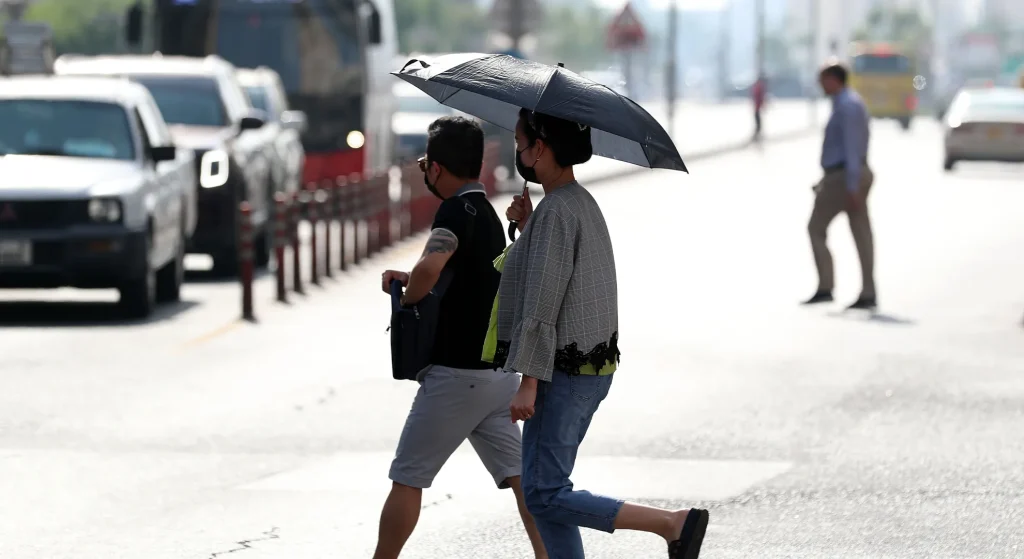
The rise of the Pleiades star on June 7 is expected to signal the start of the UAE’s peak summer period, bringing significantly hotter temperatures and more intense seasonal heat conditions.
June 7 Marks Beginning of Intense Heat Season in UAE with Pleiades Rise.
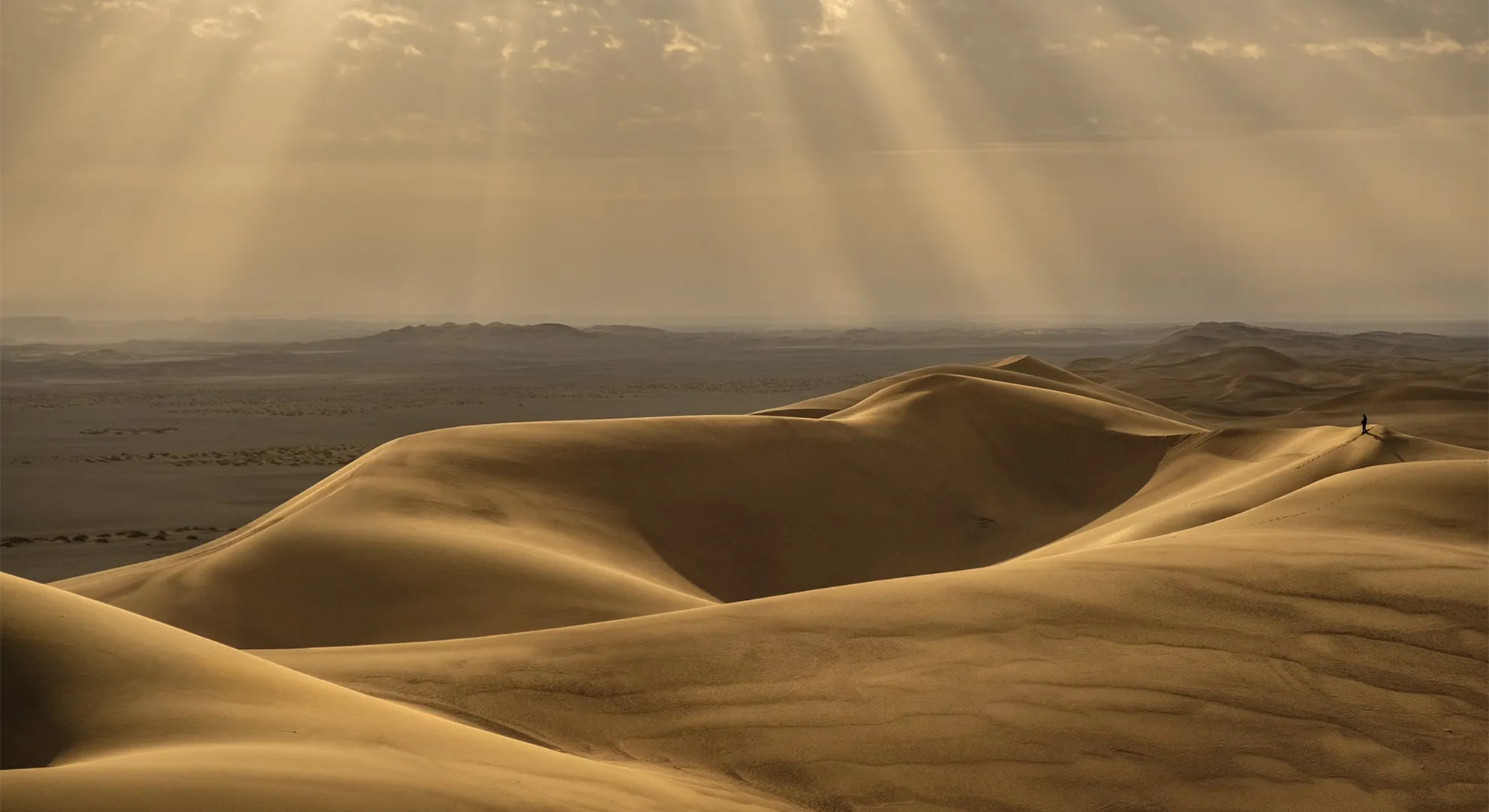
The United Arab Emirates is set to observe the annual appearance of the Pleiades star cluster, which will rise above the eastern horizon at dawn on June 7. This astronomical event is traditionally associated with the beginning of the country’s peak summer season, a period known for a sharp rise in temperatures and increasingly harsh weather conditions.
According to Ibrahim Al Jarwan, Chairman of the Board of Directors of the Emirates Astronomical Society and a member of the Arab Union for Astronomy and Space Sciences, the Pleiades cluster—referred to in Arabic as “Al Thurayya”—holds both scientific and cultural significance in the region. He explained that the cluster will become visible in a specific direction in the early morning sky, a position historically identified by Arab navigators as the “rising of the Pleiades.” This direction is located approximately 25 degrees north of true east, a reference point long used in traditional celestial navigation systems.
Al Jarwan highlighted that the appearance of the Pleiades has been closely linked in Arab heritage to seasonal transitions, particularly the onset of intense summer heat. In traditional understanding, the rising of this star cluster was considered a natural marker separating the end of milder weather from the beginning of the extreme summer period. Historical accounts suggest that communities in the region used to describe the duration of summer as extending from the rising of the Pleiades until the appearance of another prominent star, Suhail, later in the year.
This knowledge, passed down through generations, reflects how early Arab societies relied on astronomical observations to understand seasonal cycles and organise agricultural, travel, and daily life activities. The movement of stars and constellations played an essential role in marking time before the introduction of modern meteorological systems.
Meteorological forecasts and astronomical calculations indicate that the phase known as the “rising of the Pleiades” will last for approximately 13 days, beginning on June 7 and continuing until June 19. During this interval, the star cluster remains visible under specific conditions at dawn before gradually shifting position in the sky.
Beyond this short phase lies a broader seasonal period also associated with the Pleiades, which extends until around July 2. This extended timeframe includes not only the visibility of the cluster itself but also the appearance of nearby celestial bodies, including Aldebaran, often described as its follower in traditional astronomical references. Together, these celestial markers form part of a wider seasonal calendar that has been observed for centuries in the Arabian Peninsula.
The summer season in the UAE is traditionally divided into a series of phases that follow the appearance and movement of specific stars. After the Pleiades period, the calendar moves into stages known as Gemini, Al Marzam, and Al Kulaibiyin. Each of these phases corresponds with gradual changes in weather patterns, particularly rising temperatures, increased aridity, and shifting humidity levels.
During these successive stages, the region typically experiences a steady intensification of heat. Daytime conditions become progressively more extreme, while nights remain warm with limited cooling relief. These climatic shifts are part of a predictable seasonal cycle that residents and meteorologists closely monitor each year.
In the later part of the summer season, the UAE is also affected by humid southeasterly winds locally referred to as “Kous.” These winds contribute to uncomfortable and often exhausting weather conditions by increasing humidity levels and reducing the effectiveness of nighttime cooling. The combination of high temperatures and moisture can make outdoor conditions particularly challenging during this period.
As summer progresses, temperatures eventually begin to ease with the rising of the star Suhail, which traditionally appears in late August. The emergence of Suhail has long been viewed as a sign that the peak of summer is coming to an end and that cooler conditions will gradually return in the following months.
Ibrahim Al Jarwan provided detailed insights into the typical temperature patterns observed during the Pleiades period and the broader summer season. He noted that average daytime temperatures in this phase generally fall within the range of 40°C to 43°C. These high temperatures reflect the intensity of solar exposure during this time of year and are consistent with long-standing climatic trends in the region.
At night, while temperatures do decrease slightly, they remain relatively high compared to many other parts of the world. Average nighttime readings typically range between 28°C and 31°C, offering limited relief from the daytime heat. This persistent warmth, both day and night, contributes to the overall perception of an extended and intense summer season.
The combination of astronomical markers and meteorological observations highlights the deep connection between traditional knowledge systems and modern scientific understanding in the region. While contemporary forecasting methods rely on advanced technology and data analysis, historical references to star movements continue to provide cultural context and seasonal awareness.
The rising of the Pleiades remains an important symbolic event in the UAE’s seasonal calendar, marking not only a shift in weather patterns but also a continuation of long-established observational traditions. It serves as a reminder of how early societies interpreted natural phenomena to understand environmental changes and adapt to them effectively.
As the UAE enters this phase of the year, residents can expect a sustained period of high temperatures, increased humidity in later stages, and a gradual transition through the traditional summer phases that follow the Pleiades cycle. Meteorologists and astronomers alike continue to track these patterns, offering guidance and forecasts that help communities prepare for the demanding conditions of the summer months ahead.
The summer period in the UAE is not only defined by steadily rising temperatures but also by occasional episodes of extreme heat that are locally referred to as “Waghrat.” These heatwave events are typically identified when temperatures climb significantly above the seasonal norm—often by at least four degrees Celsius or more—and persist for a minimum of two consecutive days. During such periods, conditions can become noticeably more intense than usual, placing additional strain on outdoor activities and daily routines.
These heat surges are frequently linked with changes in wind patterns. One of the most common accompanying weather systems is the northwesterly wind known as “Al Bawarih.” When these winds become active, they often carry loose dust and sand across open areas, reducing visibility and contributing to a hazy atmosphere. The combination of elevated temperatures and airborne dust can make outdoor environments particularly challenging, especially in desert and semi-urban regions.
In addition to Al Bawarih, the season may also witness the influence of dry northerly and northwesterly winds known as “Samoom.” These winds are typically hot and arid in nature, and their presence further intensifies the dry conditions that characterise the height of summer. When active, Samoom winds can accelerate evaporation rates, reduce humidity in some areas, and contribute to a more parched and exhausting climate overall.
From an astronomical perspective, the timing of the Pleiades season aligns closely with the sun’s gradual movement towards its northernmost position relative to the Earth. This position corresponds to the Tropic of Cancer, an important geographical and astronomical marker that runs through the southern parts of the UAE. The alignment between celestial movements and seasonal weather patterns has long been recognised in traditional regional knowledge systems.
The summer solstice, which occurs around June 21 each year, represents the point at which the sun reaches its highest position in the northern hemisphere. On this day, the region experiences the longest duration of daylight and the shortest night of the year. This shift in solar positioning has a direct influence on temperature patterns, as extended exposure to sunlight contributes to the accumulation of heat in the atmosphere and on the Earth’s surface.
In regions close to the Tropic of Cancer, including parts of the UAE, the angle of the midday sun becomes particularly steep during this period. As a result, shadows cast by objects can become extremely short, and in some cases, they may appear almost completely absent when the sun is directly overhead. This phenomenon has long been observed and noted by residents, farmers, and travellers as a clear indicator of peak summer conditions.
The relationship between astronomical cycles and agricultural activity has historically been significant in the region. For centuries, seasonal changes guided by the movement of stars and the position of the sun have helped communities determine the timing of key farming activities, particularly those related to date palm cultivation.
Summer is widely regarded as a crucial period for date farming, as it coincides with the ripening and harvesting stages of the fruit. As temperatures rise and daylight hours extend, date palms progress through their natural growth cycle, eventually producing fruit that is ready for collection in different stages depending on the region and variety.
Traditional expressions used by farmers reflect this close connection between climate and agriculture. Phrases such as “Al Dhaid has reached summer” or “Al Ain has reached summer” were historically used to describe the advancement of the season in specific agricultural areas. These sayings indicated that date palms in those regions had entered the ripening phase, signalling that harvesting activities were either underway or approaching.
Such expressions also highlight the fact that the onset of summer conditions was not uniform across all parts of the UAE. Due to variations in geography, soil conditions, and local microclimates, some regions experienced earlier ripening of dates compared to others. This meant that harvesting seasons could begin at different times depending on the location, allowing farmers to stagger their work and manage agricultural resources more effectively.
In traditional agricultural communities, this seasonal awareness was essential for planning labour, irrigation, and transport of produce. Farmers relied heavily on environmental cues, including temperature changes, wind patterns, and celestial observations, to determine the most suitable time for harvesting crops. The integration of astronomical knowledge with agricultural practice formed an important part of life in the region.
Over time, these observational practices became deeply embedded in cultural traditions. Even as modern agricultural techniques and forecasting systems have evolved, many of these historical references continue to be recognised and respected. They serve as a reminder of how earlier generations adapted to the harsh climatic conditions of the Arabian Peninsula using careful observation and accumulated knowledge.
The summer season, therefore, is not defined solely by meteorological data but also by a combination of environmental, astronomical, and cultural indicators. Heatwaves such as Waghrat, wind systems like Al Bawarih and Samoom, and astronomical events such as the movement of the sun towards the Tropic of Cancer all contribute to a broader understanding of seasonal change.
Together, these elements illustrate the complexity of the UAE’s summer climate, where extreme weather conditions intersect with long-established natural cycles. They also demonstrate how human activity, particularly agriculture, has historically been shaped by the need to adapt to these recurring environmental patterns.
As summer advances, the combined effects of heat, wind, and solar intensity define the lived experience of the season. While modern forecasting now provides precise measurements and predictions, traditional knowledge continues to offer valuable context for understanding how these patterns have been observed and interpreted over generations.
In this way, the summer season in the UAE represents both a scientific and cultural phenomenon, linking contemporary meteorological understanding with centuries-old traditions rooted in astronomy and agriculture.