Over the past four years, Sheikh Mohamed’s leadership has guided the UAE from a historic political milestone toward ambitious national growth, modernization, and a forward-looking vision focused on innovation, stability, and global influence.
Four Years of Sheikh Mohamed’s Presidency: From a Landmark Vote to Driving the UAE’s Vision.
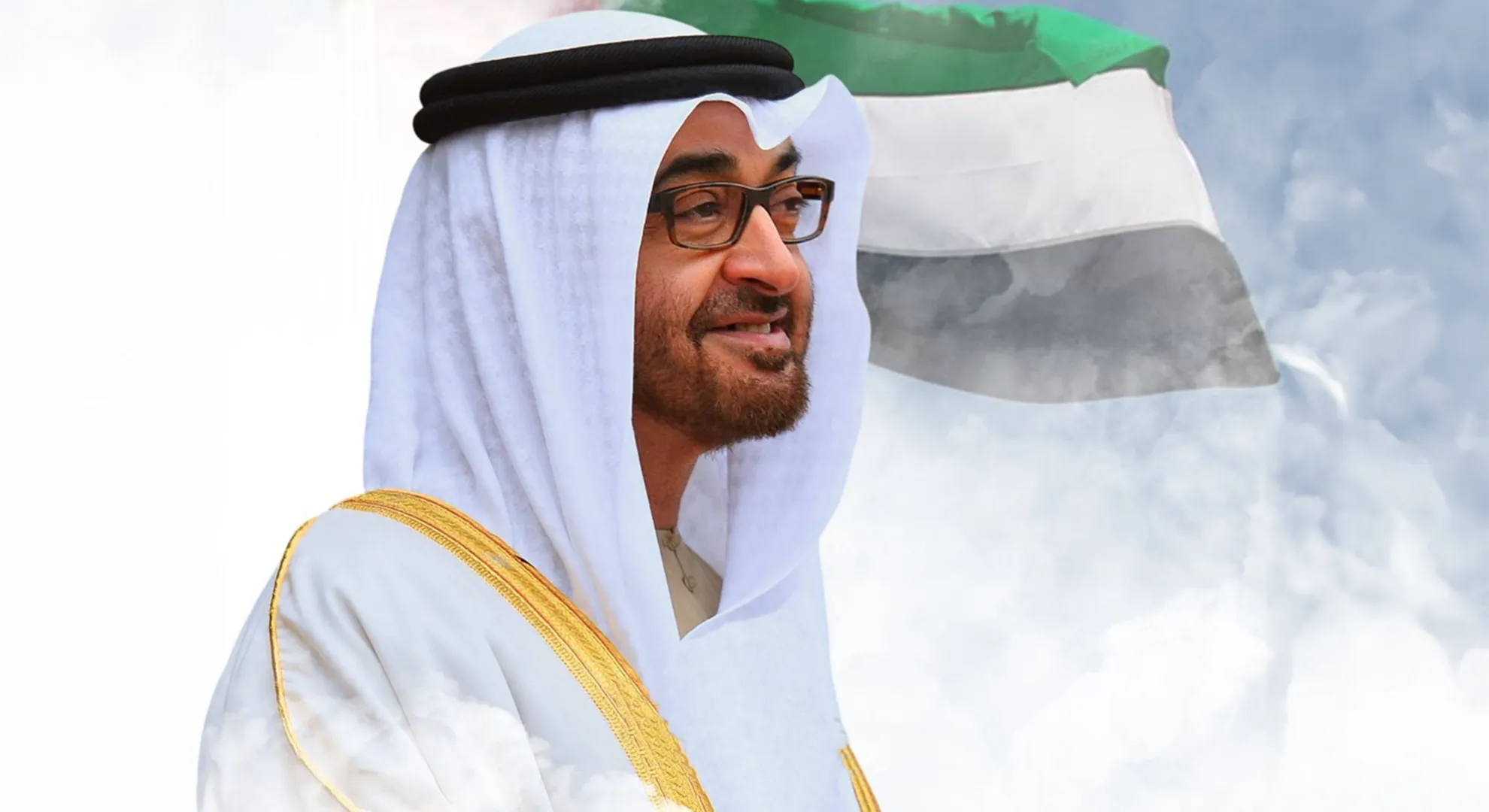
The passing of Sheikh Khalifa bin Zayed Al Nahyan on May 13, 2022, marked a deeply emotional moment in the history of the United Arab Emirates. Leaders from across the Emirates came together not only to mourn the loss of a respected statesman, but also to reaffirm the unity and strength that have long defined the nation’s leadership. In those solemn hours, attention turned toward Sheikh Mohamed bin Zayed Al Nahyan, whose calm presence and sense of responsibility reflected the values of solidarity and continuity that underpin the UAE’s political system.
During the gathering of the rulers, Sheikh Mohamed addressed the leaders with humility and gratitude. Despite the condolences being offered to him following the death of his brother, he emphasized shared loss and collective duty. His words highlighted the close bond among the rulers and underscored the spirit of cooperation that has shaped the federation since its founding. Rather than placing himself above others, he spoke as a partner in service to the nation, asking for wisdom and guidance in leading the country forward during a period of transition.
The moment also revealed the confidence and trust the rulers placed in Sheikh Mohamed’s leadership. Sheikh Mohammed bin Rashid Al Maktoum, Vice-President and Prime Minister of the UAE and Ruler of Dubai, expressed both sympathy and support, describing the transition not only as a time of mourning but also as a moment of reassurance for the country’s future. His remarks reflected the unity among the Emirates and the shared belief that Sheikh Mohamed possessed the experience and vision necessary to lead the UAE into its next phase of development.
Similarly, Sheikh Dr Sultan bin Muhammad Al Qasimi, Ruler of Sharjah, voiced strong support for Sheikh Mohamed’s appointment as President. He praised his leadership qualities and emphasized confidence in his ability to preserve the achievements of the union while guiding the country through future challenges. The endorsement symbolized a collective commitment among the rulers to maintain the stability, prosperity, and unity that have characterized the UAE for decades.
Accepting the responsibility, Sheikh Mohamed responded with a message centered on brotherhood, partnership, and dedication to the people of the UAE. His remarks reinforced the idea that leadership in the country is rooted not only in authority but also in service and cooperation. By presenting himself first as a brother and partner to the rulers, he highlighted a leadership style based on consensus, consultation, and national unity.
Four years after that historic transition, Sheikh Mohamed’s presidency has become closely associated with transformation and long-term vision. Under his leadership, the UAE has accelerated efforts to diversify its economy, strengthen its global partnerships, and position itself as a leading force in innovation and sustainability. The country has continued moving beyond its dependence on oil revenues by investing heavily in technology, renewable energy, advanced industries, tourism, and artificial intelligence.
On the international stage, Sheikh Mohamed has played a significant role in shaping the UAE’s diplomatic influence. His foreign policy approach has emphasized regional stability, strategic partnerships, and constructive dialogue. Over the past several years, the UAE has expanded its role as a mediator and economic partner while maintaining strong relations with countries across the Middle East, Asia, Europe, and the Americas. This balanced diplomatic strategy has strengthened the UAE’s standing as a reliable global partner and an influential voice in regional affairs.
At home, Sheikh Mohamed’s leadership has focused strongly on improving quality of life and creating opportunities for future generations. Significant investments have been directed toward education, healthcare, infrastructure, and housing, with the aim of building a more resilient and competitive society. Youth empowerment has remained a central priority, with national initiatives encouraging entrepreneurship, scientific advancement, and skills development in emerging industries.
Sustainability has also become a defining feature of the UAE’s national agenda under Sheikh Mohamed’s presidency. The country has launched major clean energy projects and intensified efforts to address climate-related challenges while balancing economic growth with environmental responsibility. Hosting international climate discussions and promoting renewable energy investments have further reinforced the UAE’s image as a nation seeking to combine development with sustainability.
Despite his growing international profile, Sheikh Mohamed has maintained a strong connection with Emirati society. Public appearances, community engagement, and regular interaction with citizens have contributed to his image as a leader who remains accessible and attentive to the concerns of the people. This close relationship with the public has helped strengthen national cohesion during a period of rapid change and modernization.
The years since 2022 have therefore represented more than a political transition; they have marked the beginning of a new chapter in the UAE’s journey. The unity displayed by the rulers following the passing of Sheikh Khalifa demonstrated the resilience of the federation and the shared determination to protect the country’s achievements. Under Sheikh Mohamed’s leadership, the UAE has continued to pursue ambitious goals while preserving the principles of unity, tolerance, and progress established by its founding leaders.
As the nation reflects on the years since that defining moment, many view Sheikh Mohamed’s presidency as a period characterized by strategic vision, stability, and forward-thinking leadership. From strengthening the economy and advancing sustainability to enhancing the UAE’s international role, his leadership has sought to prepare the country for a rapidly changing world while remaining rooted in the values that have guided the federation for more than five decades.
Strengthening economic stability and ensuring long-term growth have remained among the top priorities during Sheikh Mohamed bin Zayed Al Nahyan’s presidency. His leadership has focused on transforming the UAE into a diversified, innovation-driven economy that is less reliant on oil revenues and more connected to global markets and emerging industries.
Over the past several years, the UAE has made significant progress in expanding sectors such as technology, finance, tourism, logistics, renewable energy, and advanced manufacturing. These efforts have helped create a more flexible and sustainable economic model capable of adapting to global economic shifts and future challenges. The country’s strategy has centered on encouraging investment, supporting private sector growth, and building a competitive business environment that attracts international companies and talent.
One of the major drivers behind this economic expansion has been the UAE’s Comprehensive Economic Partnership Agreements (CEPAs). Since 2022, the country has signed a series of major trade agreements with strategic partners including India, Indonesia, Turkey, South Korea, and Australia. These agreements have opened new markets for Emirati businesses, strengthened trade relations, and reduced barriers to investment and commerce. As a result, the UAE’s non-oil foreign trade has reached record-breaking levels, surpassing the one trillion dollar milestone and reinforcing the nation’s position as a leading global trade hub.
The domestic economy has also demonstrated notable resilience and momentum. Non-oil sectors have continued to record strong growth, particularly in Abu Dhabi, where economic activity outside the energy sector expanded significantly during 2025. This growth reflects the effectiveness of government policies aimed at encouraging innovation, entrepreneurship, and economic diversification.
Sheikh Mohamed has consistently emphasized that building a competitive and future-ready economy is essential to securing the UAE’s long-term prosperity. His vision focuses not only on economic growth but also on creating opportunities for future generations, strengthening the country’s global standing, and ensuring sustainable development. Through strategic reforms, international partnerships, and continued investment in emerging industries, the UAE has continued to position itself as one of the region’s most dynamic and resilient economies.
Advancing environmental sustainability has emerged as one of the defining priorities of Sheikh Mohamed bin Zayed Al Nahyan’s leadership. Under his direction, the UAE has strengthened its role in global climate discussions and positioned sustainability at the center of its international partnerships and development strategies.
This commitment gained worldwide attention when the UAE hosted the COP28 climate summit in 2023, bringing together global leaders, policymakers, and environmental experts to address the urgent challenges posed by climate change. The conference concluded with the landmark “UAE Consensus,” a significant international agreement that called for accelerating the global transition away from fossil fuels within energy systems. The agreement was widely regarded as a major breakthrough in international climate negotiations and highlighted the UAE’s growing influence in shaping environmental policy on the global stage.
The country has continued to reinforce this vision through diplomatic and sustainability-focused initiatives. In May 2024, Sheikh Mohamed awarded the First Class Order of Zayed II to a number of international figures in recognition of their contributions to climate action and global cooperation. During the event, he reaffirmed that the UAE Consensus represents an important roadmap for advancing sustainability efforts and encouraging collective international action toward a cleaner and more sustainable future.
Under Sheikh Mohamed bin Zayed Al Nahyan’s leadership, the UAE has strengthened its reputation as an influential diplomatic player committed to promoting dialogue, cooperation, and regional stability. His foreign policy approach has focused on building balanced international relationships, encouraging peaceful engagement, and addressing global challenges through collaboration and mutual understanding.
Throughout his presidency, Sheikh Mohamed has expanded the UAE’s global presence through high-level diplomatic initiatives and strategic partnerships. A major milestone came in September 2024 when he conducted the first official state visit to the United States by a sitting UAE President. During meetings with US President Joe Biden at the White House, both leaders reaffirmed the long-standing strategic relationship between the two nations and discussed expanding cooperation in areas such as advanced technology, innovation, investment, and economic development.
Sheikh Mohamed has also played an active role in major international gatherings, reflecting the UAE’s increasing influence on the world stage. His participation in the G20 Summit hosted by India in 2023 highlighted the country’s growing role in discussions surrounding the global economy, sustainable development, and international cooperation.
In the Middle East, the UAE has continued supporting efforts aimed at strengthening regional peace and economic integration. Building on the momentum created by the Abraham Accords, Sheikh Mohamed’s administration has encouraged greater cooperation between nations in the region through trade, diplomacy, and shared development initiatives.
At the same time, humanitarian assistance has remained a key aspect of the UAE’s foreign policy. The country has provided aid and emergency support to communities affected by conflicts, humanitarian crises, and natural disasters, reinforcing its commitment to international solidarity and global humanitarian efforts.
Despite his growing international influence and active role in global diplomacy, Sheikh Mohamed bin Zayed Al Nahyan has continued to place strong emphasis on the wellbeing and aspirations of the Emirati people. His leadership approach is rooted in the belief that a nation’s true strength lies in its citizens, with progress driven by education, opportunity, social stability, and community cohesion.
Throughout his presidency, Sheikh Mohamed has prioritised policies aimed at strengthening human development and improving quality of life across the UAE. Considerable attention has been given to education, youth empowerment, healthcare, and social welfare, reflecting a long-term vision focused on preparing future generations for a rapidly evolving world. His administration has consistently promoted innovation and skills development, encouraging young Emiratis to play a greater role in shaping the nation’s future.
A key component of this vision has been the expansion of initiatives designed to attract talent and encourage economic growth. The UAE’s Golden Visa programme, which offers long-term residency opportunities to investors, entrepreneurs, scientists, creatives, and skilled professionals, has helped position the country as a global destination for talent and innovation. By welcoming expertise from around the world while nurturing local capabilities, the UAE has strengthened its competitiveness in sectors such as technology, business, healthcare, and research.
At the same time, Sheikh Mohamed’s leadership has highlighted the importance of preserving social values and strengthening family bonds within Emirati society. National initiatives centered on cultural identity, social unity, and community wellbeing have become an important part of the country’s development strategy. The declaration of 2026 as the “Year of the Family” reflects this broader commitment to supporting stable families, preserving traditions, and reinforcing social cohesion as the country continues its rapid modernization.
National unity and security have also remained central themes during Sheikh Mohamed’s presidency. In remarks marking the 50th anniversary of the unification of the UAE Armed Forces, he stressed the importance of solidarity, resilience, and preparedness in safeguarding the nation’s achievements. He noted that the UAE’s strength is built not only on its military capabilities but also on the unity of its society and the resilience of its development model, enabling the country to face challenges confidently while continuing its path of growth and stability.
As Sheikh Mohamed enters his fifth year as President, the UAE continues to pursue ambitious goals across economic development, innovation, sustainability, and international cooperation. His leadership has sought to balance rapid modernization with the preservation of national identity and cultural values. Many view this period as a defining chapter in the country’s history, marked by strategic vision, social progress, and a strong commitment to building a prosperous and sustainable future for generations to come.