ADNOC Gas expects to restore nearly 80 per cent of production capacity at the Habshan complex before the close of 2026 after the site suffered damage during the attack.
ADNOC Gas plans to recover 80% of operations at the Habshan facility by the end of 2026 following damage caused by the attack.
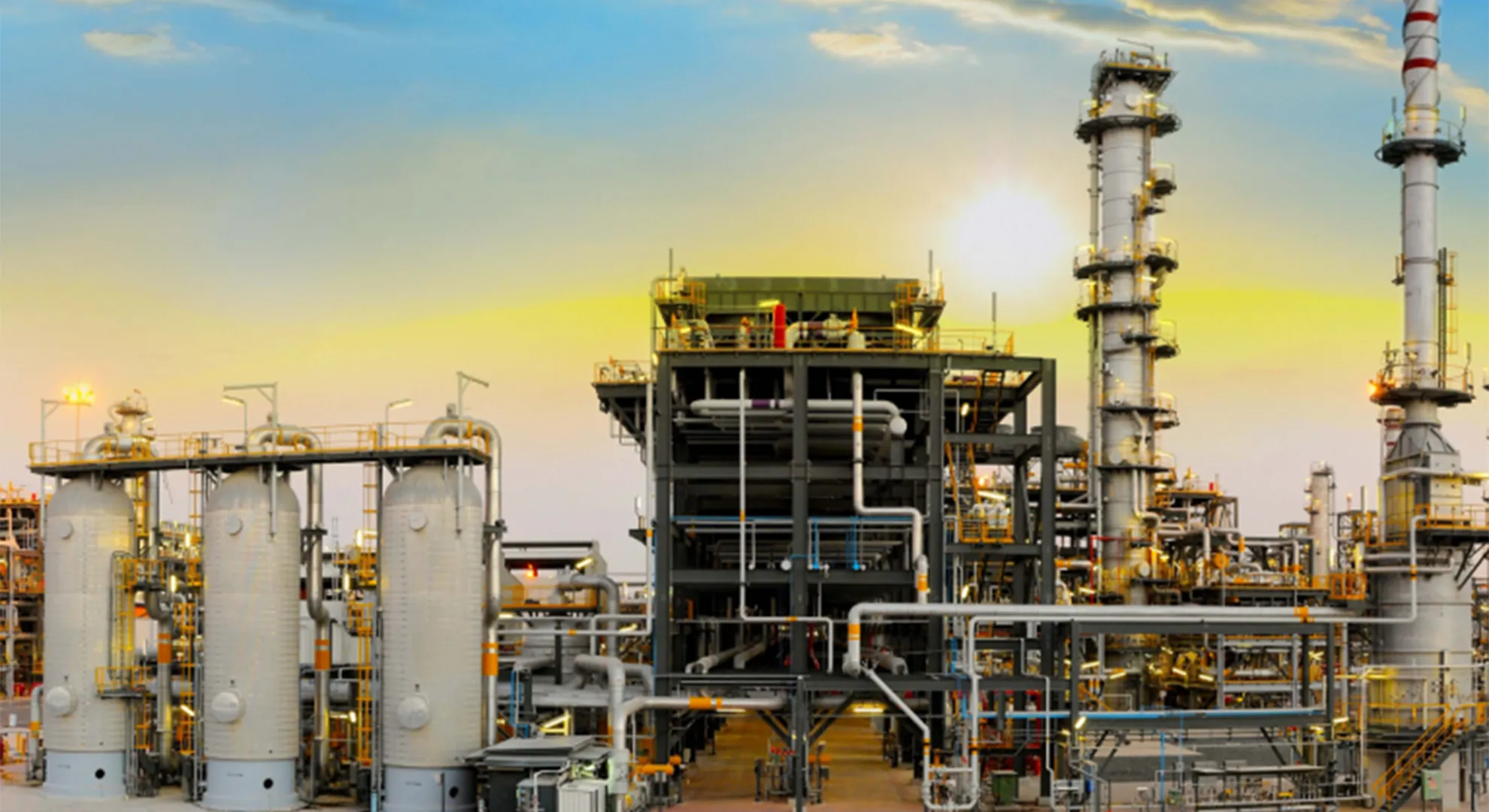
ADNOC Gas announced that it expects to restore around 80 per cent of operations at the Habshan gas processing complex by the end of the year after parts of the facility were damaged by debris resulting from Iranian attacks. The company said recovery and repair efforts are progressing steadily as technical teams continue to assess the full extent of the impact on infrastructure and processing systems.
The Habshan facility, one of the UAE’s key gas processing sites, was affected during separate incidents that occurred on April 3 and April 8. According to the company, falling debris linked to the attacks struck sections of the complex, causing operational disruptions and damage to parts of the site. The April 3 incident also resulted in the death of an Egyptian national, highlighting the serious human impact of the attacks alongside the industrial damage caused.
Despite the disruption, ADNOC Gas stated that emergency response and operational teams acted quickly to stabilise the situation and restore essential functions at the facility. The company reported that approximately 60 per cent of the plant’s processing capacity was brought back online shortly after the incidents. This initial restoration effort was aimed at reducing interruptions to supply and maintaining continuity for customers and industrial operations dependent on the complex.
Company officials said operational teams prioritised employee safety and rapid response measures immediately after the incidents occurred. According to ADNOC Gas, emergency procedures and recovery protocols were implemented effectively to contain the impact and resume operations as quickly as possible. The company also noted that efforts were focused on minimising service disruptions while ensuring that safety standards remained fully enforced throughout the recovery process.
At the same time, the company confirmed that a comprehensive technical review of the damage is still being carried out. Engineers and specialists have been examining the affected areas of the facility to determine the full operational and structural impact caused by the debris. ADNOC Gas indicated that the assessment process is now close to completion, and the findings will help guide the next phase of restoration and repair activities.
The Abu Dhabi-based company added that once the technical evaluation is finalised, it will provide additional updates regarding operational recovery timelines, repair requirements, and overall restoration progress. The assessment is expected to offer a clearer picture of the remaining work needed to return the Habshan complex to higher production levels over the coming months.
The Habshan complex is considered a strategic asset within the UAE’s energy infrastructure and plays an important role in processing and supplying natural gas for domestic and industrial use. Any disruption at the site has the potential to affect broader energy operations, making rapid restoration efforts especially important for maintaining stability in the country’s energy sector.
Industry observers note that the incidents come at a time of heightened geopolitical tensions in the region, with energy infrastructure increasingly exposed to risks associated with regional conflicts and security threats. Despite these challenges, ADNOC Gas has emphasised its commitment to maintaining operational resilience and ensuring the continuity of supply to customers and markets.
The company’s ongoing recovery efforts reflect broader attempts within the UAE energy sector to strengthen infrastructure resilience, improve emergency response systems, and reduce the impact of external disruptions on critical industrial facilities.
ADNOC Gas delivered strong financial results during the first quarter of 2026, reporting net earnings of approximately $1.1 billion despite ongoing geopolitical tensions and shipping disruptions affecting the Strait of Hormuz. The company said its performance demonstrated operational resilience during a period marked by uncertainty in regional energy markets and interruptions to maritime trade routes.
The Abu Dhabi-based energy company also generated around $572 million in free cash flow during the quarter, reflecting stable operational efficiency and disciplined financial management despite difficult market conditions. ADNOC Gas further strengthened its financial position by ending the quarter with approximately $4.2 billion in cash reserves on its balance sheet, providing the company with significant liquidity and flexibility as it navigates ongoing regional disruptions.
In addition to its quarterly earnings performance, the company’s board approved a dividend payment of approximately $941 million, scheduled for distribution in June. The dividend announcement signals confidence in the company’s long-term financial outlook and its ability to continue delivering returns to shareholders despite current geopolitical and logistical challenges affecting the energy sector.
However, ADNOC Gas also warned that second-quarter results are expected to face pressure because of the continued closure of the Strait of Hormuz following Iran’s blockade. The strategic waterway remains one of the world’s most important routes for energy exports, and disruptions to shipping activity have created operational and logistical difficulties for energy producers across the Gulf region.
As a result of these ongoing restrictions, ADNOC Gas said it anticipates weaker financial performance during the second quarter, with projected net income expected to fall within a range of approximately $400 million to $600 million. The company indicated that lower export volumes and transportation disruptions linked to the Strait closure are likely to weigh on short-term earnings.
Despite these challenges, the company remains cautiously optimistic about the outlook for the second half of 2026. ADNOC Gas stated that its forecasts are based on the assumption that the Strait of Hormuz will reopen later in the year, allowing maritime movements and energy exports to gradually normalise. Under that scenario, the company expects stronger global prices for liquefied natural gas (LNG) and liquefied petroleum gas (LPG) to help compensate for deferred shipments and reduced volumes experienced earlier in the year.
The company noted that current expectations for oil and gas prices, based on the Brent crude forward curve, could provide support for revenue recovery if regional shipping conditions improve. ADNOC Gas therefore projects full-year 2026 net income to range between $3.5 billion and $4 billion. According to the company, this estimate already takes into account the anticipated financial impact of the weaker second-quarter performance.
Alongside its financial update, ADNOC Gas highlighted several strategic initiatives aimed at supporting long-term growth and expanding industrial development within the UAE. The company recently signed a major agreement valued at approximately $5 billion with TA’ZIZ to supply natural gas for industrial operations and manufacturing projects. The partnership is expected to play an important role in supporting the UAE’s broader industrial diversification strategy and increasing domestic demand for gas resources.
ADNOC Gas is also continuing to increase investment in local industrial and manufacturing sectors. During the “Make it in the Emirates” initiative, the company announced plans to invest around $55 billion into domestic manufacturing and industrial development. The investment programme is designed to strengthen local supply chains, encourage economic diversification, and support the UAE’s ambitions to expand industrial production capacity.
Chief Executive Officer Fatema Al Nuaimi said the company remains focused on managing the challenges created by disruptions to maritime traffic through the Strait of Hormuz while maintaining confidence in its long-term business fundamentals. She explained that despite the operational difficulties caused by the regional situation, the company’s broader strategic foundations remain strong and continue to support future growth.
Al Nuaimi noted that expanding industrial activity within the UAE has contributed to rising demand for natural gas and related energy products. She also highlighted that the country’s evolving production framework has provided greater operational flexibility, helping the company respond more effectively to changing market conditions and external disruptions.
According to the CEO, ADNOC Gas entered the year with clear priorities aimed at protecting employees, maintaining the reliability of domestic energy supplies, and safeguarding shareholder interests during a period of exceptional uncertainty. She said the company’s first-quarter results reflected the effectiveness of those priorities and demonstrated resilience in the face of difficult external conditions.
Al Nuaimi further stated that disciplined cost management, careful operational planning, and a strong financial position helped support the company’s ability to withstand disruptions linked to geopolitical tensions and shipping restrictions. She emphasised that maintaining safe operations and ensuring continuity of supply remained central objectives throughout the quarter.
Industry analysts say ADNOC Gas’s performance highlights the importance of financial stability and operational flexibility for energy companies operating in regions exposed to geopolitical risk. The closure of the Strait of Hormuz has created significant uncertainty for global energy markets, given the route’s strategic role in transporting oil and gas exports from Gulf producers to international customers.
At the same time, higher energy prices linked to supply concerns may provide partial support for producers able to maintain exports and production levels. Analysts note that LNG and LPG markets in particular have remained sensitive to regional developments, with traders closely monitoring shipping activity and geopolitical tensions in the Gulf.
Despite the short-term pressures expected during the second quarter, ADNOC Gas continues to position itself for long-term expansion through investments in infrastructure, industrial partnerships, and domestic manufacturing. The company’s latest announcements suggest it remains focused not only on navigating immediate disruptions but also on strengthening its role within the UAE’s broader economic and industrial growth strategy.