Saudi Arabia has introduced its latest Hajj package for international pilgrims, offering overseas worshippers a structured set of services and arrangements designed to support their pilgrimage experience, including essential travel, accommodation and related facilities during their stay in the Kingdom.
Saudi Arabia Unveils New Hajj Package for Pilgrims Arriving From Abroad.
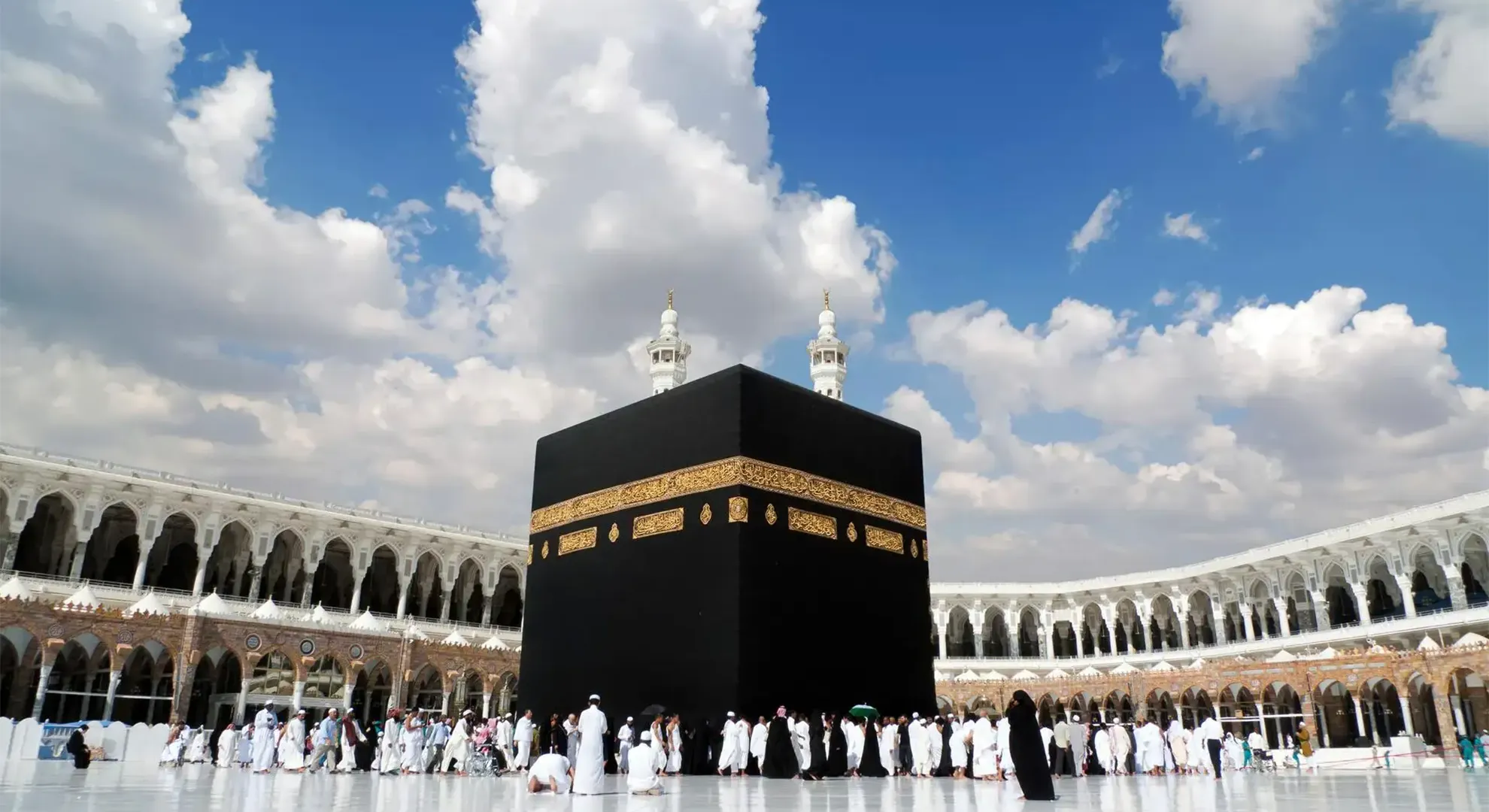
The package brings together four key components aimed at supporting pilgrims throughout their journey: arrangements at the holy sites, accommodation and hospitality services in Makkah and Madinah, transportation between destinations, and food and catering services provided during the pilgrimage.
Saudi Arabia has introduced a new comprehensive Hajj services package aimed at pilgrims travelling to the Kingdom from outside the country. The initiative brings together the main services required during the pilgrimage under one electronic agreement, allowing foreign Hajj offices and authorised agencies to organise arrangements for pilgrims through the Kingdom’s “electronic path” platform.
The newly announced system is designed to provide a more coordinated framework for international Hajj arrangements, covering the pilgrim journey from the time of arrival in Saudi Arabia until departure. Rather than handling the different elements of the pilgrimage through separate arrangements, the package brings the principal services together through a single electronic contract.
According to the Saudi Press Agency, the initiative is intended to give organisations responsible for overseas pilgrims greater flexibility when preparing Hajj programmes. Foreign Hajj affairs offices and agencies can develop packages according to the needs of different groups of pilgrims while working within an established contractual structure.
The new package includes four principal categories of services. These cover arrangements at the holy sites, hospitality and accommodation-related facilities in Makkah and Madinah, transportation services, and catering. Additional enrichment services can also be incorporated where required.
By bringing these elements together, the package provides a framework through which overseas Hajj organisers can coordinate the essential requirements of their pilgrims. The system is designed to provide greater clarity around the services included in each programme while allowing organisers to tailor arrangements for different groups.
The Saudi Ministry said the initiative forms part of the Kingdom’s preparations for the 1448 AH Hajj season, corresponding to 2027. The early introduction of the package reflects preparations for the next pilgrimage season and gives organisations handling international pilgrims more time to arrange the required services.
Hajj is performed during a specific period of the Islamic lunar calendar. The main pilgrimage rites take place between Dhul Hijjah 8 and Dhul Hijjah 13. Because the Hijri calendar follows the lunar cycle rather than the Gregorian calendar, the corresponding dates on the international calendar change from one year to the next.
The exact Gregorian dates for Hajj therefore depend on the lunar calendar and the sighting of the crescent moon. This annual variation is a characteristic of all months in the Islamic calendar and means that the timing of Hajj shifts earlier in the Gregorian year over successive years.
The newly announced package is part of Saudi Arabia’s preparations to manage the large number of international pilgrims who travel to the Kingdom for Hajj each year. Coordinating accommodation, transportation, food and services at the holy sites requires extensive planning, particularly for pilgrims arriving from different countries through various Hajj organisations.
Under the new arrangement, the electronic path platform will serve as the framework for contracting the services included in the package. Foreign Hajj offices and agencies can use the system to establish programmes that correspond to the requirements of their respective pilgrim groups.
The four core service categories provide the foundation of the package. Services at the holy sites form one of the central components, given that pilgrims spend an important part of the Hajj period moving between and staying at the designated sites.
Hospitality services in Makkah and Madinah represent another major element. Accommodation and related hospitality arrangements are essential for international pilgrims, many of whom spend extended periods in the two holy cities before and after completing the main Hajj rituals.
Transportation is also included in the package, providing arrangements for moving pilgrims between relevant locations during their stay. Transport coordination is particularly important during Hajj because large numbers of pilgrims travel between different sites within a limited period.
Catering forms the fourth principal component. Food services are included within the overall package to address the daily requirements of pilgrims during their pilgrimage.
In addition to these core services, the package allows for optional enrichment services. These additional offerings provide scope for Hajj organisers to develop programmes with features suited to the preferences or requirements of specific groups.
The electronic contracting system is also intended to establish a clearer relationship between overseas Hajj organisations and the service arrangements provided in Saudi Arabia. By placing the services within a defined contractual framework, organisers can build programmes around clearly identified components.
The Saudi authorities said the system provides both clarity and flexibility. This allows foreign Hajj affairs offices and agencies to prepare different programmes rather than relying on a single standard arrangement for every pilgrim group.
The launch comes well ahead of the 1448 AH Hajj season. Early preparations are important for international pilgrims because arrangements need to be coordinated across countries, including travel planning, accommodation, transportation and other services.
The announcement is therefore relevant not only to pilgrims but also to the organisations responsible for managing overseas Hajj operations. These organisations can begin preparing their programmes within the new framework as planning for the 2027 pilgrimage progresses.
UAE Hajj registration
Separately, the UAE has already begun preparations for its citizens who wish to perform Hajj in the coming pilgrimage season.
Registration for UAE nationals seeking to undertake Hajj opened on September 14 and remained available until September 25. The registration period was announced by the General Authority of Islamic Affairs, Endowments and Zakat.
Applications will be assessed through an automated screening process. The selection procedure will be based on the criteria and requirements established by the relevant UAE authorities.
The automated process is expected to help determine which applicants will be approved to perform Hajj. Once the screening stage is completed, the names of successful applicants are scheduled to be announced on October 9.
Those selected will then be contacted so they can proceed with the remaining requirements and complete the procedures necessary for their pilgrimage.
The registration and selection process is separate from the Saudi package announced for foreign pilgrims. While Saudi Arabia’s initiative establishes a framework for international Hajj service providers, the UAE process concerns the selection and preparation of UAE citizens seeking to perform the pilgrimage.
For UAE applicants, the period between registration and the announcement of approved names is therefore an important stage in the preparations for the upcoming Hajj season. Applicants who are selected will subsequently need to complete the required arrangements before travelling.
The UAE authorities have established the registration system as part of the country’s annual preparations for managing Hajj participation by its citizens. The automated screening process is intended to apply the approved selection criteria when reviewing applications.
Once the successful applicants are announced, the relevant authorities can proceed with the next stages of the process, including communicating with selected pilgrims and guiding them through the necessary procedures.
Health preparations for Hajj and Umrah travellers
Health preparations are another part of the UAE’s planning for people travelling for religious pilgrimages.
As previously reported by INSIDER 18, people travelling for Hajj and Umrah have been included among the priority groups for seasonal influenza vaccination as part of the UAE’s 2026–27 national influenza campaign.
The inclusion of Hajj and Umrah travellers among the priority groups reflects the health considerations associated with international religious travel. Large gatherings can bring together people from many countries and regions, making preventive health measures an important part of preparation.
UAE health authorities have said that influenza vaccines have already been distributed to healthcare facilities across the country. This means eligible individuals can access vaccination services through participating healthcare providers as the national seasonal campaign continues.
For people preparing for Hajj or Umrah, health planning forms an additional part of their preparations alongside travel, accommodation and pilgrimage arrangements.
The vaccination campaign is taking place as authorities prepare for the 2026–27 influenza season. By including Hajj and Umrah travellers among the priority groups, the UAE is incorporating religious travellers into its broader seasonal public-health programme.
Broader preparations for the next Hajj season
The announcements from Saudi Arabia and the UAE illustrate different stages of preparation for the upcoming Hajj season.
Saudi Arabia’s new electronic package focuses on how services for international pilgrims will be organised and contracted. The system brings together holy-site services, hospitality in Makkah and Madinah, transportation and catering under a unified electronic contract.
For overseas Hajj offices and agencies, the framework provides a mechanism for creating programmes for different categories of pilgrims. The inclusion of optional services also gives organisers room to adapt their programmes according to the needs of individual groups.
The UAE, meanwhile, is progressing with the selection of its own citizens who wish to undertake Hajj. Registration has already closed, and applications are now moving through the automated screening process.
The approved names are expected to be released on October 9, after which selected UAE pilgrims will be contacted to complete the required procedures.
Health preparations are also continuing in the UAE, with Hajj and Umrah travellers included among the priority groups for seasonal influenza vaccination during the 2026–27 campaign.
These measures form part of the broader preparation required before pilgrims begin their journeys. Hajj involves millions of people travelling to a concentrated area over a defined period, making detailed organisation essential.
The Saudi electronic contracting framework addresses the logistical side of that preparation by bringing several major services into one system. The UAE registration process addresses the selection of citizens who will undertake the pilgrimage, while the vaccination campaign adds a health-preparation component for travellers.
The timing of Saudi Arabia’s announcement is significant because the Kingdom is preparing for the 1448 AH Hajj season in 2027. Establishing service arrangements well ahead of the pilgrimage gives international Hajj organisations a structured basis for planning their programmes.
The electronic path platform will allow the various service components to be incorporated into a single contractual arrangement. This includes the services pilgrims require at the holy sites, hospitality facilities in Makkah and Madinah, transportation and catering.
The availability of optional enrichment services also means that organisations can go beyond the four core categories when developing programmes for their groups.
For pilgrims, the practical impact of the system will depend on the programmes prepared by their respective Hajj offices and agencies. These organisations will be able to determine the arrangements offered to different groups within the framework established by the Saudi authorities.
The system is intended to make the contractual process more structured while maintaining flexibility for different pilgrim groups. This is particularly relevant for international Hajj operations, where requirements can vary depending on the country of origin, travel arrangements and the programme selected by pilgrims.
The Hajj pilgrimage itself remains tied to the Islamic lunar calendar. The principal days occur from Dhul Hijjah 8 through Dhul Hijjah 13, while the corresponding dates on the Gregorian calendar change annually.
As the 1448 AH season approaches, preparations will continue in Saudi Arabia and in countries sending pilgrims. International Hajj offices and agencies will be able to work on their programmes using the newly announced electronic framework, while national authorities in countries such as the UAE continue their own registration and preparation processes.
For UAE citizens, the immediate next milestone is the announcement of selected pilgrims on October 9. Those who are approved will then be contacted to complete the remaining requirements.
At the same time, prospective pilgrims can take into account the health guidance associated with seasonal influenza vaccination. The UAE’s inclusion of Hajj and Umrah travellers among priority groups means that vaccination forms part of the health preparations available to people planning religious travel.
The combination of logistical planning, pilgrim selection and health preparation demonstrates the range of arrangements involved before the Hajj season begins.
Saudi Arabia’s latest initiative is centred on simplifying and organising the way overseas pilgrim services are arranged. Instead of treating accommodation, transportation, catering and holy-site services as entirely separate components, the new package provides for their inclusion in one electronic contract.
The approach also gives foreign Hajj offices and agencies greater scope to develop programmes that correspond to the needs of their respective pilgrim groups.
The Saudi authorities’ preparations for the 1448 AH season are therefore already underway, with the electronic package establishing an early framework for international Hajj arrangements.
For UAE citizens, the process is moving through a different phase, with registration completed and the selection process underway. The upcoming announcement of approved applicants will determine which registered citizens can proceed with the next stages of their Hajj preparations.
Meanwhile, health authorities are continuing to make seasonal influenza vaccines available across healthcare facilities as part of the 2026–27 campaign, with Hajj and Umrah travellers included among the groups given priority.
Together, these developments highlight the extensive preparation that takes place ahead of each Hajj season. From international service contracts and accommodation to transportation, catering, pilgrim selection and health measures, multiple systems have to be coordinated before travellers begin their pilgrimage.
The new Saudi package provides international Hajj organisers with a unified electronic framework covering the major services required throughout the pilgrimage. At the same time, UAE authorities are advancing their own arrangements for citizens who have applied to perform Hajj.
As preparations continue for the 1448 AH pilgrimage, prospective pilgrims and the organisations supporting them will move through the next stages of booking, selection, documentation, travel planning and health preparation before the pilgrimage period begins.
The Saudi initiative, together with the UAE’s registration and health measures, forms part of the early preparations for the next Hajj season and the large-scale movement of pilgrims expected to travel to the Kingdom for the annual pilgrimage.