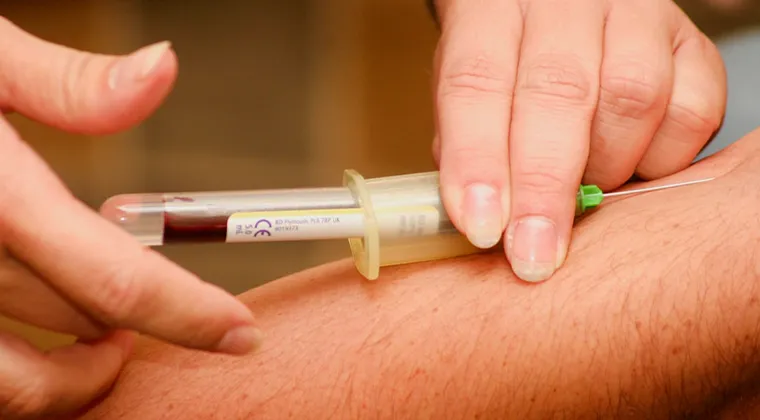
The UAE has broadened this year’s seasonal vaccination campaign beyond influenza, adding protection against a wider range of respiratory illnesses. The updated initiative aims to encourage greater awareness, improve prevention efforts and help residents stay protected during the respiratory infection season.
UAE Expands Seasonal Flu Campaign to Include More Respiratory Illnesses This Year.

According to health authorities, cases of respiratory illnesses tend to rise during the cooler months, with the period from September through March typically seeing increased transmission. Officials are therefore urging residents to take appropriate preventive measures during this seasonal period.
UAE Expands Respiratory Health Campaign Beyond Seasonal Flu
The UAE has widened the scope of its annual seasonal influenza awareness initiative, placing greater emphasis this year on a broader group of respiratory illnesses that can affect residents during the cooler months.
The newly introduced 2026–27 Awareness Campaign on Influenza and Seasonal Respiratory Diseases continues to address seasonal influenza but now gives additional attention to conditions such as respiratory syncytial virus (RSV) and pneumonia.
The expanded approach is intended to provide residents with a more complete understanding of seasonal respiratory infections, including how they are transmitted, which people face a greater risk of complications and what forms of prevention are available.
Rather than concentrating exclusively on influenza, health authorities are using the campaign to promote awareness of several respiratory conditions that can circulate during the same period of the year.
A wider focus for the 2026–27 campaign
The most significant development in this year’s initiative is the expansion from a flu-centred campaign to one covering multiple seasonal respiratory diseases.
Influenza remains an important part of the programme, but health officials are also highlighting RSV and pneumonia as conditions that residents should understand and take precautions against.
The broader campaign reflects the fact that several respiratory infections can be circulating during the same season. Symptoms may sometimes appear similar, making awareness and appropriate preventive measures particularly important.
Through the campaign, authorities are seeking to give residents information about the different illnesses, their potential impact and the groups that may be more vulnerable to serious outcomes.
The initiative also focuses on prevention, encouraging people to understand the options available to reduce their risk and protect those around them.
Why has the campaign been expanded?
Seasonal respiratory illnesses can affect communities during the same period, with various viruses and infections circulating at different times.
A campaign focused only on influenza would therefore provide a narrower picture of the respiratory health risks residents may encounter during the cooler months.
The UAE’s updated campaign takes a broader approach by addressing influenza alongside RSV and pneumonia.
The objective is not simply to inform people about individual diseases. It is also intended to encourage residents to recognise the importance of respiratory health more generally and to understand that different infections can pose different levels of risk to different groups.
Health authorities are particularly highlighting prevention because some respiratory illnesses may cause relatively mild symptoms in healthy people but can result in more serious complications for vulnerable individuals.
The campaign consequently provides information intended to help residents make informed decisions about available protection and everyday precautions.
Current respiratory disease activity remains stable
Despite the broader focus of the initiative, health officials have indicated that the campaign is not a response to an unusual surge in respiratory disease activity in the UAE.
Dr Mahra Alhosani, director of Surveillance and Outbreak Response at the Department of Health, Abu Dhabi, said respiratory disease activity in the country has so far remained comparable with levels recorded during the previous two seasons.
This means that the expansion of the campaign should be viewed primarily as a preventive and awareness-building measure rather than an emergency response to a sudden increase in infections.
The broader scope allows health authorities to prepare residents for the seasonal period while providing information about several respiratory conditions that may circulate simultaneously.
Maintaining awareness before activity increases during the seasonal period can also help residents understand the measures available to reduce transmission and protect people who may be at greater risk.
Seasonal respiratory illnesses and the cooler months
According to health officials, respiratory diseases linked to seasonal circulation generally become more common between September and March.
During this period, several respiratory viruses can circulate within communities. The increase in activity does not necessarily involve a single disease, which is one reason authorities are now giving greater attention to a wider range of infections.
The September-to-March period covers much of the UAE’s cooler season, when seasonal respiratory illnesses are generally more prominent.
Residents are therefore being encouraged to remain aware of respiratory health risks throughout this period rather than focusing solely on influenza.
The campaign’s wider message is that prevention can involve several different measures, depending on the infection, the individual’s age and health status and whether specific forms of protection are available.
Influenza remains an important focus
Although the campaign has expanded, seasonal influenza continues to be one of its central areas of attention.
Influenza is a common respiratory infection that can spread from person to person, particularly during periods of increased seasonal activity.
The campaign continues to encourage awareness of influenza while placing it within the larger context of seasonal respiratory diseases.
This allows residents to understand that flu is one of several infections that may circulate during the same period.
The expanded messaging also gives people information about other respiratory illnesses, helping them recognise that respiratory health precautions can be relevant even when influenza is not the only infection circulating.
RSV receives greater attention
Respiratory syncytial virus, commonly known as RSV, is another major component of the updated campaign.
RSV is a widespread respiratory virus. In many cases, it can cause symptoms resembling those associated with an ordinary cold. However, the infection can become more serious in certain individuals.
Young infants and older adults are among the groups that may face a higher risk of severe illness or complications associated with RSV.
Because of this, the campaign is drawing attention to available preventive measures and the importance of understanding who may be particularly vulnerable.
The UAE’s expanded respiratory health campaign is therefore intended to ensure that residents are not only familiar with influenza but also aware of other seasonal infections that may require additional attention.
Pneumonia included in the campaign
Pneumonia is also being highlighted as part of the broader respiratory health initiative.
Unlike a single virus, pneumonia describes an infection or inflammation affecting the lungs and can have different causes. Its potential severity can vary depending on the cause and the person’s age and underlying health.
By including pneumonia alongside influenza and RSV, the campaign provides a wider perspective on respiratory illnesses that may become relevant during the seasonal period.
The focus on pneumonia also reinforces the campaign’s emphasis on identifying people who may be more vulnerable to serious respiratory complications and understanding the prevention measures available to them.
Who may face greater risks?
Health officials have identified several categories of people who may be more vulnerable to complications from seasonal respiratory infections.
These include:
Young children, whose developing immune systems can leave them more susceptible to certain infections and complications.
Older adults, who may face a greater risk of severe respiratory illness.
Pregnant women, for whom certain respiratory infections can present additional concerns.
People living with chronic health conditions, who may have a higher risk of complications when they develop respiratory infections.
People with weakened immune systems, who may have greater difficulty fighting certain infections.
The campaign’s emphasis on these groups is intended to encourage appropriate preventive measures and greater awareness among individuals who may be at increased risk.
Protecting vulnerable people can also involve measures taken by family members, caregivers and the wider community.
RSV prevention options highlighted in the UAE
During a recent event organised by the UAE Ministry of Health and Prevention (MoHAP) in Dubai, officials highlighted several preventive options for RSV.
These include vaccination during pregnancy, monoclonal antibodies for infants and RSV vaccination for eligible older adults.
The availability and suitability of these measures can depend on factors such as age, pregnancy status and individual circumstances.
The information presented at the event indicated that maternal RSV vaccination can be administered from the 28th week of pregnancy.
Maternal vaccination is intended to provide protection to the mother while also helping protect the infant during the early period of life.
Protection for infants
For infants who are not protected through maternal vaccination, monoclonal antibodies were highlighted as another preventive option.
Monoclonal antibodies work differently from traditional vaccines. Rather than prompting the body’s immune system to develop its own longer-term immune response, they provide specific antibodies that can help protect against an infection.
For infants who meet the relevant eligibility criteria, this can provide another way of reducing the risk associated with RSV.
Parents and caregivers should obtain advice from qualified healthcare professionals regarding which preventive option is appropriate for a particular child.
RSV vaccination for older adults
RSV vaccination is another preventive measure highlighted by health authorities for eligible older adults.
Older people can face a greater risk of severe complications from respiratory infections, making preventive healthcare particularly important for this group.
The campaign is therefore encouraging awareness of the protection options available to people who meet the relevant eligibility requirements.
As with other medical interventions, eligibility and recommendations can depend on an individual’s circumstances, so residents should consult healthcare providers for personalised guidance.
Prevention goes beyond vaccination
While vaccination and other medical interventions form an important part of respiratory disease prevention, health officials are also stressing everyday habits that can help reduce the spread of infections.
Simple hygiene measures can play a role in limiting transmission, particularly when respiratory illnesses are circulating more widely.
Residents are being encouraged to maintain good hand hygiene and to take precautions when coughing or sneezing.
These measures can help reduce the possibility of respiratory droplets and contaminated hands contributing to the spread of infection.
Hand hygiene remains important
Regular handwashing is among the basic precautions recommended by health authorities.
Hands can come into contact with surfaces, objects and other people throughout the day. Washing them regularly with soap and water can help reduce the transfer of infectious material.
Hand hygiene is especially useful before eating, after coughing or sneezing and after spending time in public or crowded environments.
Although such a measure may appear simple, maintaining consistent hand hygiene can form part of a broader strategy for reducing the spread of respiratory infections.
Covering coughs and sneezes
Residents are also being encouraged to cover their mouths and noses when coughing or sneezing.
Respiratory infections can spread through particles released when an infected person coughs or sneezes.
Using appropriate respiratory etiquette can help reduce the amount of potentially infectious material released into the surrounding environment.
People should also avoid unnecessarily touching their face after coughing or sneezing and should maintain good hand hygiene.
Staying home when unwell
Another recommendation highlighted by health authorities is to remain at home when experiencing illness.
Continuing normal activities while sick can increase opportunities for an infection to spread to colleagues, friends, family members and other members of the community.
Staying away from others while unwell can therefore help limit transmission.
This precaution is particularly relevant when interacting with people who may be more vulnerable to severe respiratory disease, including young children, older adults and people with certain health conditions.
Cleaning frequently touched surfaces
Regular cleaning of commonly touched surfaces is another precaution included in the campaign’s wider prevention message.
Objects and surfaces that are frequently handled by multiple people can potentially contribute to the spread of infections.
Maintaining cleanliness in shared environments can therefore form part of a broader approach to respiratory hygiene.
This is particularly relevant in households, workplaces and other settings where many people come into contact with the same surfaces.
A more comprehensive seasonal health message
The expansion of the UAE’s annual campaign represents a shift toward a broader respiratory health message.
Rather than treating seasonal influenza as the sole concern during the cooler months, authorities are bringing several respiratory conditions into the same public awareness initiative.
Influenza, RSV and pneumonia are now being discussed together, while preventive options and everyday health measures are also receiving attention.
The campaign is intended to help residents better understand the range of respiratory illnesses that may circulate between September and March.
No indication of an unusual rise
Health officials have stressed that the wider campaign does not mean the UAE is currently experiencing an abnormal increase in respiratory infections.
According to Dr Mahra Alhosani, respiratory disease activity has remained broadly similar to that recorded during the previous two seasons.
The distinction is important because the campaign is primarily focused on preparedness, prevention and public awareness.
By expanding the information provided to residents before and during the seasonal period, authorities can address several respiratory conditions within a single public health message.
What residents should know this season
For residents, the key change is the campaign’s wider focus.
People are now being encouraged to think about seasonal respiratory health beyond influenza. RSV and pneumonia are receiving additional attention, with health authorities explaining the risks associated with these conditions and the protection available to certain groups.
Residents who fall into higher-risk categories may need to discuss preventive options with healthcare professionals.
For others, basic measures such as washing hands regularly, covering coughs and sneezes, staying home while sick and keeping commonly touched surfaces clean can help reduce opportunities for infection to spread.
Looking ahead through the 2026–27 season
The expanded campaign will cover the 2026–27 respiratory disease season, a period during which seasonal infections can become more common.
The UAE’s approach combines public awareness with preventive healthcare options, including vaccination and monoclonal antibody protection for eligible groups.
By including several respiratory conditions within one campaign, authorities are providing residents with a broader picture of the illnesses they may encounter during the cooler months.
The initiative also reinforces the importance of protecting people who are more vulnerable to serious disease.
For residents, the message is straightforward: seasonal respiratory health involves more than influenza alone. Understanding RSV, pneumonia and other respiratory infections, recognising risk factors and following basic prevention measures can all contribute to reducing the spread of illness.
As the September-to-March period approaches and progresses, residents are being encouraged to remain informed, take appropriate precautions and seek professional medical advice when they have concerns about their health or the health of vulnerable family members.