Authorities in Ras Al Khaimah have introduced new restrictions at Flamingo Beach, prohibiting visitors from lighting charcoal fires or organizing barbecue activities. The measure aims to maintain cleanliness, protect the coastal environment, and ensure a safer and more pleasant experience for everyone.
Ras Al Khaimah Introduces Ban on Charcoal Burning and BBQs at Flamingo Beach.
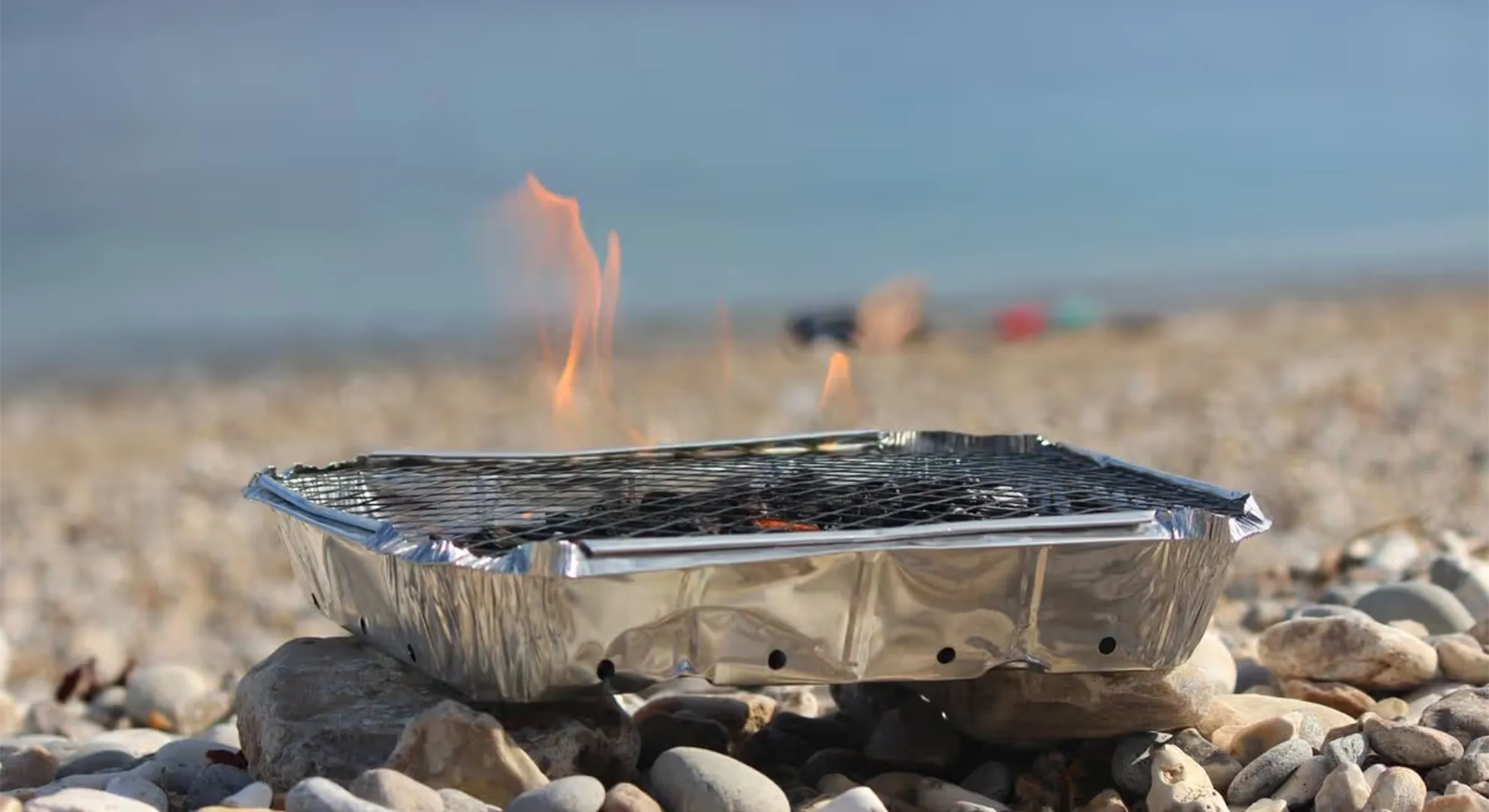
The decision comes just before the UAE’s cooler winter season begins, a time when residents and tourists often head outdoors to enjoy pleasant weather. Beach picnics, social gatherings, and barbecue outings typically become more popular during these comfortable months.
Flamingo Beach Introduces New Rules on Charcoal and Barbecues
Visitors to Flamingo Beach in Ras Al Khaimah will now have to leave charcoal and barbecue equipment at home following a new restriction introduced by local authorities. The measure, which took effect on September 10, 2026, prohibits the burning of charcoal and the use of barbecues at the popular public beach.
The restriction has been introduced by the Public Services Department in Ras Al Khaimah as part of efforts to maintain the beach’s appearance, protect public safety and provide a cleaner environment for residents and tourists.
Authorities have called on beachgoers to follow the new regulation and avoid activities involving charcoal fires or barbecuing while visiting Flamingo Beach. The department said that observing the rule would help ensure that the area remains clean, safe and comfortable for everyone using the public space.
The move comes ahead of the UAE’s cooler season, when residents traditionally spend more time outdoors. With temperatures becoming more comfortable during the winter months, beaches, parks and other open-air destinations often attract families and groups looking to spend time together outside.
Barbecuing is among the activities that become particularly popular during this period. Families and friends frequently gather outdoors to enjoy meals and social occasions, making public beaches an attractive option for casual outings. However, the use of charcoal grills in busy public spaces can also create concerns relating to litter, burns, smoke and fire safety.
Why the New Restriction Has Been Introduced
According to the Public Services Department, the primary purpose of the Flamingo Beach restriction is to preserve the area and maintain a safe environment for people visiting the coastline.
Charcoal-based cooking can leave behind ash, food remains and partially burned materials. If these materials are not disposed of correctly, they can affect the cleanliness and appearance of the beach. Small pieces of charcoal may also remain hot for an extended period after a barbecue has apparently finished.
This can create a safety concern in areas where people walk barefoot, particularly children who may move around the beach without noticing discarded charcoal or hot debris in the sand.
A barbecue that has been extinguished may therefore continue to represent a potential hazard if the coals have not completely cooled. Accidental contact with hot charcoal can result in burns, while improperly handled embers may also present a fire risk.
The restriction is consequently intended to address more than the visual impact of barbecue waste. It also forms part of a broader effort to reduce avoidable risks in a public recreational area.
Public Asked to Follow the Rule
The Public Services Department has appealed to residents and visitors to respect the new regulation at Flamingo Beach.
The authority emphasized the importance of cooperation from members of the public in maintaining the beach as a clean and accessible destination. By avoiding prohibited activities and disposing of waste responsibly, visitors can contribute to preserving the area for other beach users.
Public beaches are shared spaces, meaning that activities carried out by one group can have an impact on others. Smoke from charcoal grills, food waste and discarded barbecue materials can affect people nearby, while cooking equipment can occupy areas that might otherwise be used by other visitors.
Keeping recreational areas free from unnecessary hazards also helps authorities manage public spaces more effectively.
The new rule therefore places greater emphasis on responsible use of the beach, particularly as visitor numbers can rise during the cooler months.
Winter Season Brings More Outdoor Activities
The timing of the restriction is notable because the UAE is approaching its cooler period of the year.
During the hotter summer months, extreme temperatures can limit the amount of time people spend outdoors. As conditions become milder, however, outdoor activities become much more appealing.
Families often organize picnics, friends meet for gatherings, and residents make use of beaches and parks for leisure. Barbecue meals are also a familiar part of outdoor socializing during the cooler season.
This increase in outdoor activity can place additional pressure on popular recreational locations. Greater numbers of visitors can mean more litter, heavier use of facilities and a greater need for clear safety measures.
Against this backdrop, the Flamingo Beach ban seeks to prevent problems associated with charcoal and barbecue use before the winter outdoor season reaches its peak.
Visitors can continue to enjoy the beach while choosing activities that do not involve charcoal burning or barbecue equipment.
Charcoal Waste Can Create Environmental Concerns
One of the issues associated with outdoor barbecues is the disposal of charcoal and ash.
Charcoal should not simply be left in the sand once a meal has been prepared. Even when it appears to be extinguished, embers can retain heat. Ash and food remains can also be scattered by wind or mixed into the surrounding sand.
Apart from affecting the appearance of the beach, improperly discarded barbecue waste can make the environment less pleasant for other visitors.
Beaches are particularly sensitive recreational areas because they combine public use with a natural coastal setting. Maintaining their cleanliness requires cooperation from visitors as well as regular work by local authorities.
Removing barbecue-related waste can also place an additional burden on cleaning teams. Preventing the waste from being produced in the first place can therefore be a more effective approach than relying solely on post-visit cleanup.
The new restriction eliminates one significant source of charcoal and barbecue waste at Flamingo Beach.
Hot Coals Remain a Safety Risk
Another concern is the heat retained by charcoal after cooking has ended.
A person may assume that a barbecue is safe once the flames have disappeared, but charcoal can remain hot for a considerable period. On a beach, this presents an additional concern because people frequently walk without shoes.
Children are particularly vulnerable to accidental contact with hot material because they may run or play in areas where a barbecue has previously been used.
A discarded ember can also be difficult to spot when it is covered by sand. This makes proper handling and disposal especially important in busy public areas.
By banning charcoal burning and barbecuing altogether, authorities can reduce the likelihood of such incidents at Flamingo Beach.
The rule also removes the need for visitors to determine where and how charcoal equipment can safely be operated within the beach area.
Similar Rules Exist Elsewhere in the UAE
The Flamingo Beach restriction is not an isolated example of authorities regulating barbecue activities in public outdoor destinations.
Other popular recreational areas in the UAE have also introduced restrictions on barbecuing in designated locations. Such rules are generally intended to protect public spaces, reduce fire risks and prevent damage or littering.
In Al Ain, for example, signs displayed at various parking areas around Jebel Hafeet clearly state that barbecue activities are prohibited.
Visitors using the mountain destination are therefore expected to observe the restrictions displayed in the area. Failure to comply with relevant instructions can result in financial penalties under applicable Abu Dhabi regulations.
The presence of such restrictions reflects the wider approach taken by authorities across the UAE toward maintaining public spaces and ensuring that recreational areas remain safe and well managed.
Penalties at Jebel Hafeet
Jebel Hafeet is subject to regulations concerning the use and preservation of public areas.
Under Abu Dhabi Law No. 2 of 2012, which addresses the preservation of public appearance, health and tranquillity in the emirate, individuals who fail to comply with certain guiding, warning, instructional or prohibition signs concerning access to and use of public areas may face fines.
The penalty for an initial violation is Dh1,000. A second violation can result in a fine of Dh2,000, while a third offence can lead to a Dh4,000 penalty.
The escalating structure of the fines is designed to encourage compliance and discourage repeated violations.
Visitors to public recreational destinations are therefore expected to pay attention to posted signs and follow the instructions issued by the relevant authorities.
Jebel Hafeet Continues to Attract Visitors
Jebel Hafeet remains one of the better-known outdoor destinations in the UAE, attracting both residents and visitors.
The mountain and surrounding area have continued to develop over time, with facilities intended to make the destination more attractive to families and tourists.
Food and beverage outlets have been introduced alongside activities aimed at visitors, providing alternatives for people who want to spend time at the destination without bringing their own cooking equipment.
These developments are part of a broader effort to improve visitor experiences at major leisure destinations while ensuring that public areas are managed in an organized manner.
As recreational infrastructure expands, regulations governing activities such as barbecuing can help authorities balance visitor enjoyment with environmental protection and public safety.
What Flamingo Beach Visitors Need to Know
For anyone planning a visit to Flamingo Beach, the key change is straightforward: charcoal burning and barbecuing are no longer permitted under the new restriction that came into effect on September 10, 2026.
Visitors should plan their beach trips accordingly and avoid bringing equipment or materials intended for charcoal-based cooking.
The restriction does not mean that people cannot enjoy the beach. Visitors can still use the public space for leisure and social activities, provided they follow the applicable rules and respect other beach users.
Keeping food preparation activities away from prohibited areas is also likely to make it easier for visitors to enjoy the beach without encountering smoke, ash or discarded barbecue waste.
Families and groups planning outdoor gatherings should therefore consider alternative ways of organizing their meals while ensuring that they comply with the regulations in force at the location they visit.
A Cleaner and Safer Public Beach
The introduction of the Flamingo Beach ban comes as authorities continue to focus on the maintenance and responsible use of public recreational areas.
Beaches are shared environments, and maintaining them requires visitors to take responsibility for their activities. Littering, unsafe fires and improper disposal of hot materials can quickly affect the experience of others.
Removing charcoal and barbecues from the list of permitted activities can help reduce these concerns and simplify the management of the beach.
The measure is particularly relevant during the cooler months, when outdoor gatherings are expected to increase. With more people likely to visit beaches during pleasant weather, preventing potentially hazardous activities can help reduce pressure on public facilities and cleaning services.
Visitors Encouraged to Respect Public-Space Regulations
The new restriction at Flamingo Beach highlights the importance of checking local rules before organizing outdoor activities in public spaces.
Regulations can differ from one destination to another, and activities permitted in one location may not necessarily be allowed elsewhere.
Visitors should therefore pay attention to official notices, signs and instructions provided by local authorities. Following these requirements not only helps avoid possible penalties but also contributes to the overall condition and safety of the destination.
For Flamingo Beach, the message from authorities is clear: charcoal fires and barbecuing are prohibited, and visitors are being asked to cooperate with the new measure.
As the UAE moves into its cooler season, beaches and other outdoor destinations are expected to become increasingly busy. Maintaining clean and safe recreational areas will depend not only on government measures but also on the willingness of residents and tourists to follow the rules.
The Flamingo Beach restriction is therefore part of a broader effort to preserve public spaces while allowing people to continue enjoying the UAE’s outdoor attractions responsibly.
Ras Al Khaimah Strengthens Focus on Beach Safety
The introduction of new restrictions at Flamingo Beach forms part of a broader focus on improving safety and responsible behaviour at coastal areas across Ras Al Khaimah. Local authorities have previously undertaken awareness initiatives aimed at helping residents and visitors enjoy the emirate’s beaches while reducing the risk of accidents.
Earlier this year, Ras Al Khaimah Police carried out a dedicated awareness drive designed to remind members of the public about essential precautions when visiting the coast. The month-long initiative focused on beach safety and encouraged families, young people and other visitors to take greater care while spending time in and around the water.
The campaign was organised through the Media and Public Relations Department and the Protection and Prevention of Society Department. Comprehensive police stations also supported the initiative within their respective areas of responsibility, allowing officers to reach visitors at several popular coastal locations.
The programme reflected the police’s wider efforts to raise awareness about potential dangers at beaches, particularly during periods when visitor numbers increase. Summer was identified as an important period for such messaging because high temperatures and school holidays often encourage families and young people to spend more time at coastal destinations.
Police Highlight Risks for Beach Visitors
Lt Col Rashid Belhoon, who heads the Community Police Section at the Protection and Prevention of Society Department, said the awareness programme was intended to contribute to the protection of people using the emirate’s beaches.
According to the officer, the campaign was particularly relevant during the summer season, when beaches become increasingly popular among families and younger visitors. The initiative sought to ensure that people were aware of basic safety practices and understood the importance of taking precautions while swimming or spending time near the sea.
Rather than focusing solely on enforcement, the campaign placed considerable emphasis on direct communication with beachgoers. Police teams visited coastal areas and spoke to members of the public, offering guidance intended to help them recognise and avoid potentially dangerous situations.
The approach was aimed at encouraging people to take personal responsibility for their safety while also ensuring that parents and guardians remained attentive to children during beach visits.
Evening Visits Conducted at Key Beaches
As part of the campaign, specialised police teams carried out field visits during the evening at several beaches across Ras Al Khaimah.
The locations included Shaam, Al Rams, Al Mairid and areas within Ras Al Khaimah. These visits gave officers an opportunity to engage directly with people who had chosen to spend their evenings at the coast.
The timing of the visits was significant because beaches can become particularly busy later in the day, when temperatures are more comfortable and families and groups of friends gather outdoors.
During their interactions, police personnel provided visitors with advice on measures that could help reduce the possibility of accidents. The campaign encouraged beach users to remain alert, follow established safety procedures and pay attention to official instructions.
Direct awareness activities of this kind can be especially useful in public recreational areas, where visitors may include people with different levels of swimming ability and varying familiarity with local beach conditions.
Parents Urged to Keep Watch Over Children
One of the central messages delivered during the awareness campaign was directed at parents and guardians.
Families were encouraged to keep children under close supervision while visiting the beach and to make sure young swimmers did not move into deeper water.
Children can quickly find themselves in situations beyond their swimming abilities, particularly when they move away from shallow areas without adult supervision. Changes in water depth, currents or other conditions can increase the level of danger.
Police therefore stressed the importance of parents remaining attentive instead of assuming that children can safely manage themselves in the water.
The advice is particularly relevant at busy beaches, where large numbers of visitors can make it difficult to keep track of children. Parents were encouraged to remain close to young family members and intervene before they move into areas that may present greater risks.
The message also underlines the importance of choosing safe areas for swimming and making use of designated facilities whenever possible.
Lifeguard Instructions Should Be Followed
Beach visitors were also reminded to listen to lifeguards and follow the directions issued by safety personnel stationed along major beaches in the emirate.
Lifeguards play an important role in monitoring conditions and responding to emergencies. They are positioned at beaches to assist visitors and help identify potentially dangerous situations.
Following their instructions can therefore be an important part of reducing the likelihood of accidents.
Beachgoers were encouraged not to ignore warnings or restrictions communicated by lifeguards, particularly when conditions in the water change or when certain areas are considered unsuitable for swimming.
Visitors may not always be able to identify hazards themselves, making the guidance of trained personnel particularly valuable.
Safety Awareness Becomes More Important During Busy Seasons
Ras Al Khaimah’s beaches attract visitors throughout the year, but the level of activity can vary depending on weather conditions and the season.
During warmer periods, people may seek relief at the coast, while the cooler months can bring increased interest in outdoor recreation. Families, tourists and groups of friends regularly use beaches as places to relax, socialize and spend leisure time.
As visitor numbers grow, maintaining awareness of safety procedures becomes increasingly important.
A crowded beach can create additional challenges for parents trying to supervise children. Similarly, swimmers may encounter other people in the water, making it important for everyone to remain aware of their surroundings.
Public awareness campaigns provide authorities with an opportunity to remind people of these risks before incidents occur.
Broader Approach to Public Safety
The beach safety initiative is part of the wider role played by Ras Al Khaimah Police in promoting public safety throughout the emirate.
Community-focused campaigns allow police authorities to engage with residents and visitors outside traditional enforcement activities. By speaking directly with members of the public, officers can explain safety concerns and encourage people to adopt responsible behaviour.
Such campaigns can also help build greater awareness of the facilities and personnel available to assist people during emergencies.
At beaches, this includes lifeguards and other safety teams whose presence is intended to support visitors and respond when necessary.
The emphasis on education and awareness complements other measures used to manage public recreational areas.
Responsible Behaviour at Beaches
Visitors also have an important role to play in keeping coastal areas safe.
Simple precautions, such as supervising children, staying within suitable swimming areas and responding to lifeguard instructions, can help reduce unnecessary risks.
Beachgoers should also remain conscious of their own abilities. People who are not confident swimmers should avoid entering deep water, while inexperienced swimmers should use appropriate designated areas and take additional precautions.
Conditions at the sea can change, and an area that appears calm from the shore may not always be safe for every swimmer.
For families, maintaining close supervision of children remains particularly important.
Safety Messaging Extends Across Different Locations
The decision to conduct visits at beaches in Shaam, Al Rams, Al Mairid and Ras Al Khaimah demonstrates the effort to reach people in multiple parts of the emirate.
Rather than limiting the awareness drive to a single popular destination, specialised teams moved between different coastal locations according to the areas covered by the participating police stations.
This approach allowed the campaign to reach a wider section of the public and ensured that beach users in different communities received similar safety messages.
Cooperation between police departments and local stations also helped support the campaign at the community level.
Preparing the Public for Increased Beach Activity
Public awareness becomes particularly important before periods when beach activity is expected to rise.
Seasonal changes can influence where people spend their leisure time. As temperatures become more suitable for outdoor activities, beaches can attract larger numbers of families and young people.
Authorities therefore use awareness initiatives to reinforce safety guidance and encourage visitors to think about potential risks before entering the water.
The earlier campaign by Ras Al Khaimah Police served this purpose by combining field visits with direct communication.
Its focus on practical advice was designed to help people make safer decisions while enjoying the emirate’s coastline.
A Shared Responsibility
Beach safety ultimately depends on cooperation between authorities and the public.
Police and lifeguards can provide monitoring, guidance and emergency assistance, but visitors must also take responsibility for following instructions and keeping themselves and their families out of dangerous situations.
For parents, this means maintaining a close watch over children. For swimmers, it means respecting designated areas and recognising personal limitations. For all beach users, it means listening to lifeguards and responding promptly to safety warnings.
These basic precautions can make a significant difference in preventing avoidable incidents.
Continued Attention to Coastal Safety
The latest restriction at Flamingo Beach, together with earlier safety-awareness efforts, highlights the importance authorities place on maintaining well-managed and secure recreational spaces in Ras Al Khaimah.
While the Flamingo Beach measure concerns charcoal burning and barbecuing, the police awareness campaign addressed another important aspect of beach use: protecting people from risks associated with swimming and coastal recreation.
Together, such initiatives demonstrate a broader emphasis on responsible use of public beaches.
As Ras Al Khaimah continues to attract residents and visitors to its coastal destinations, maintaining safety will remain an important part of managing these popular public spaces.
Authorities are encouraging people to enjoy the emirate’s beaches responsibly, remain alert to potential dangers and follow the guidance provided by trained personnel.
For families in particular, careful supervision of children and adherence to lifeguard instructions remain among the most important precautions. By working together with authorities, visitors can help ensure that beaches remain enjoyable destinations while reducing the possibility of accidents and emergencies.