Passenger transport violations in Dubai fell significantly during the first six months of 2026, with authorities reporting a 21 per cent reduction compared with the corresponding period, highlighting improved compliance and continued efforts to strengthen safety and regulatory standards across the transport sector.
Dubai Sees 21% Decline in Passenger Transport Violations During First Half of 2026.
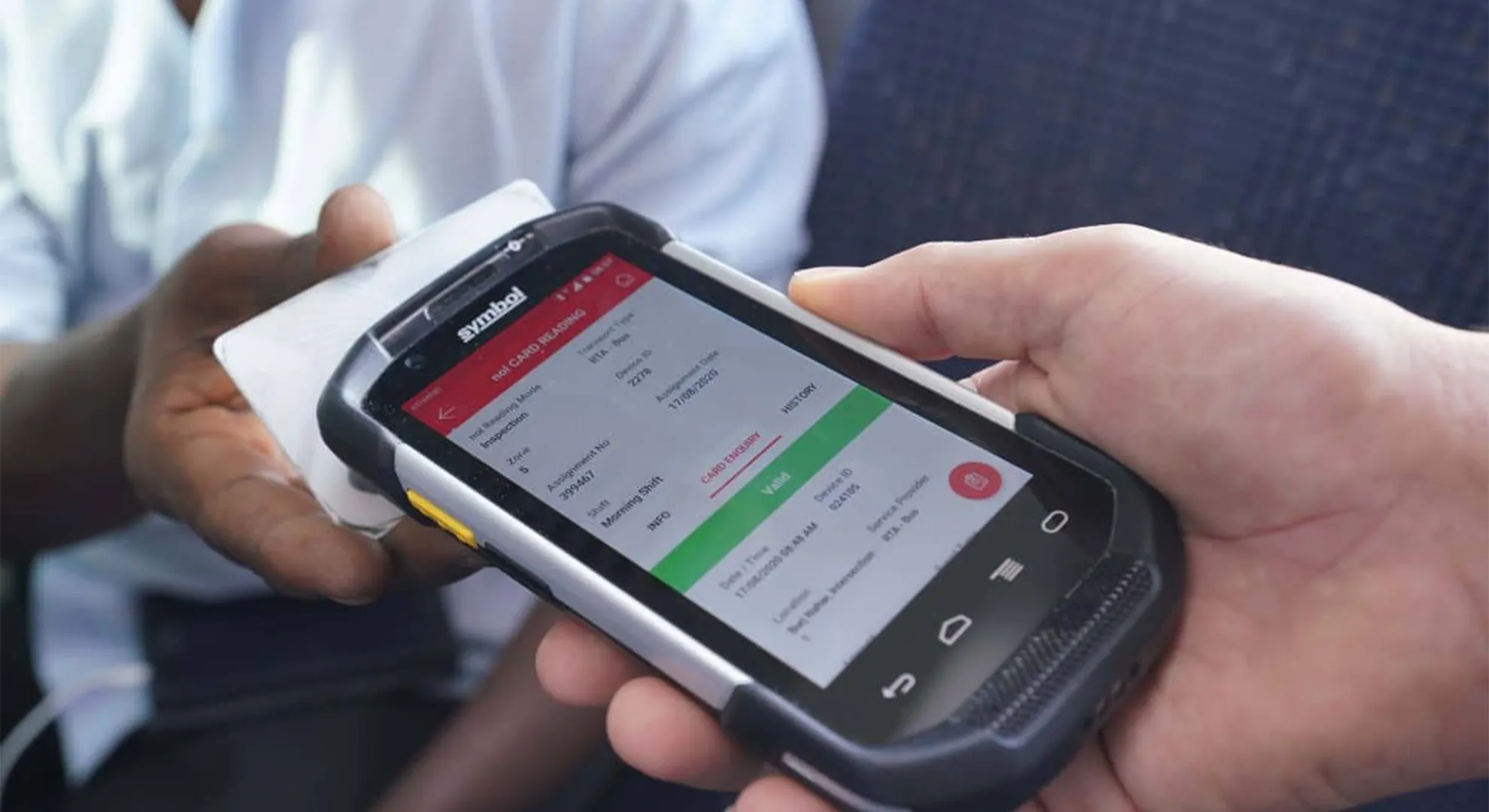
Dubai authorities conducted over 1.6 million passenger transport inspections during the first half of 2026, while offences involving unauthorised transport services recorded a notable 57 per cent decline, reflecting stronger enforcement, increased monitoring and improved compliance with licensing requirements across the sector.
Dubai Steps Up Transport Inspections as Violations Decline
Dubai recorded a noticeable improvement in compliance across its passenger transport sector during the first six months of 2026, according to figures released by the Roads and Transport Authority (RTA).
Around 30,000 violations were identified during the period, representing a 21 per cent reduction compared with the approximately 38,000 offences recorded during the corresponding six months of 2025.
The decline came despite an increase in the number of inspections conducted by authorities.
During the first half of 2026, the RTA carried out more than 1.6 million inspections covering a wide range of passenger transport activities. The figure was higher than the approximately 1.5 million inspections undertaken during the same period a year earlier.
The combination of increased monitoring and fewer recorded violations points to improving adherence to transport regulations across several parts of Dubai’s passenger transport network.
The inspection programme covered a broad range of activities, including public transport operations, passengers using public transport facilities, school buses, tourist transportation, chartered bus services and efforts to identify unlicensed passenger transport.
Greater Monitoring Across the Sector
The RTA’s inspection activity forms part of its wider efforts to ensure that passenger transport services operate in accordance with Dubai’s regulations.
The authority’s work is not limited to checking vehicles or drivers. Inspections also cover users of public transport facilities and various categories of passenger transport services.
The objective is to identify violations, encourage compliance and ensure that passengers can use transport services within a properly regulated environment.
The increase from 1.5 million inspections in the first half of 2025 to more than 1.6 million during the same period in 2026 indicates that monitoring activity has expanded.
At the same time, the reduction in total violations suggests that a larger inspection effort has not simply resulted in more offences being recorded.
Instead, the figures indicate that compliance levels have improved across the sector.
Sharp Reduction in Unlicensed Transport Violations
One of the strongest improvements was recorded in cases involving unauthorised passenger transport.
Joint enforcement campaigns involving the RTA and several government agencies identified 340 violations connected with passenger transport services operating in unlicensed vehicles or promoting illegal transportation services.
The campaigns involved cooperation with the General Department of Airport Security, the General Department of Criminal Investigation and the General Directorate of Identity and Foreigners Affairs – Dubai.
The 340 violations represented a 57 per cent reduction compared with the 797 cases recorded during the first half of 2025.
The figures indicate a significant decline in illegal passenger transport activity detected during the period.
Joint enforcement operations allow authorities to combine their respective capabilities and target locations where unlicensed transport activity may occur.
Such cooperation is particularly relevant at major transport hubs and other high-traffic locations, where unauthorised services may attempt to attract passengers.
The RTA has continued to place emphasis on preventing unlicensed operators from competing with legally authorised transport providers.
Fewer Vehicles Impounded After Drivers Fled
Another area showing improvement involved vehicles whose drivers left the scene to avoid enforcement action.
During the first half of 2026, the RTA impounded 244 vehicles after their drivers fled.
This represented a 48 per cent decline compared with the number recorded during the same period in the previous year.
The reduction forms part of the broader decline in passenger transport violations.
Although fleeing from an enforcement location represents a serious compliance issue, the lower number of such incidents suggests that fewer cases were encountered during the period.
The RTA’s continued inspection and enforcement operations are intended to discourage drivers and operators from attempting to avoid regulatory requirements.
School Transport Under Continued Scrutiny
School transport remained another important area of inspection.
Across the two-year period, the RTA conducted more than 8,000 inspections related to school transportation.
During the first six months of 2026, inspectors recorded 654 violations in this sector.
That represented a 15 per cent decrease compared with the corresponding period of 2025.
The school transport sector achieved a compliance rate of approximately 92 per cent during the first half of the year.
The figures reflect the importance placed on monitoring services that transport children to and from schools.
School buses and related services must comply with specific operational and safety requirements, making regular inspection an important part of maintaining safe transportation for students.
The reduction in violations suggests that operators have continued to improve their adherence to the applicable requirements.
At the same time, the inspection programme provides authorities with an opportunity to identify problems and encourage operators to correct them.
Public Transport Accounts for the Largest Inspection Activity
The largest share of inspection activity was concentrated within Dubai’s public transport network.
More than 1.2 million inspections were carried out during the first half of 2026 involving public bus users, public transport facilities and bus drivers.
More than 28,000 violations were recorded in this area.
Despite the number of violations, the overall compliance rate reached approximately 97.8 per cent.
The high compliance figure indicates that the overwhelming majority of people and operations covered by the inspections were meeting the relevant requirements.
The large number of inspections reflects the scale of Dubai’s public transport network and the number of passengers, drivers and facilities involved in its daily operation.
Regular monitoring is important in maintaining orderly use of public transport facilities and ensuring that operators and passengers follow the rules governing the network.
Tourist and Chartered Transport Also Inspected
The RTA’s inspection programme extends beyond buses and mainstream public transport.
During the first half of 2026, more than 12,000 inspections were conducted across chartered bus services, tourist transport and international transport activities.
These inspections resulted in 602 violations.
The compliance rate across these categories reached approximately 95 per cent.
Tourist and chartered transport services form an important part of Dubai’s wider mobility system, particularly given the city’s large tourism and business sectors.
Maintaining appropriate standards among these operators is therefore important not only for regulatory compliance but also for the experience and safety of passengers using such services.
The inspection figures suggest that most operators within these categories were complying with the relevant requirements.
Technology Plays a Growing Role
The RTA said it is increasingly using smart data analysis to improve the way monitoring and inspection activities are planned.
Rather than relying solely on routine or uniform inspection patterns, data can help authorities identify areas where additional monitoring may be required.
This allows enforcement teams to focus resources more effectively and concentrate on locations, services or activities where the risk of non-compliance may be higher.
The use of smart analytical tools is part of a broader move towards technology-supported transport management in Dubai.
By using available information to guide inspections, authorities can potentially improve efficiency while maintaining a strong presence across the passenger transport sector.
The approach also supports the RTA’s objective of strengthening passenger safety.
Focus on High-Activity Areas
According to the RTA, inspection teams and their strategic partners have continued to concentrate on important locations and areas with particularly high levels of activity.
Such locations can include major transport hubs and other places where large numbers of passengers and transport operators interact.
Targeted monitoring can help authorities detect violations more effectively and respond to specific compliance risks.
It can also act as a deterrent.
The presence of inspection teams and joint enforcement operations can discourage operators from attempting to provide services without the necessary licences or approvals.
This is particularly important when addressing unlicensed passenger transport.
Joint Enforcement Remains a Key Strategy
The RTA has highlighted cooperation with other government agencies as an important element of its enforcement strategy.
Passenger transport regulation can involve different areas of government responsibility, particularly when enforcement operations take place at airports, major transport locations or other high-traffic areas.
Working with airport security, criminal investigation authorities and immigration officials enables the RTA to conduct more coordinated operations.
The 340 violations involving unlicensed vehicles and the promotion of illegal transport services were identified through such joint campaigns.
The substantial reduction from 797 cases in the first half of 2025 to 340 in the first half of 2026 suggests that these coordinated efforts are producing stronger compliance outcomes.
The RTA has indicated that it will continue working with strategic partners to monitor passenger transport activities and address violations.
Improving Passenger Safety
The primary objective of the inspection programme is not simply to issue penalties.
Regulatory monitoring is intended to support the safety and reliability of passenger transportation throughout Dubai.
Properly licensed operators are expected to meet established requirements governing their services.
By identifying operators or drivers who fail to meet those requirements, authorities can intervene before problems potentially affect passengers.
The reduction in violations therefore forms part of a broader picture of improved compliance.
For passengers, stronger enforcement can provide greater confidence that the vehicles and services they use are operating within the regulatory system.
RTA Highlights Continued Progress
Saeed Al Balooshi, Director of Passenger Transport Activities Monitoring at the RTA’s Public Transport Agency, said the authority maintains intensive inspection and monitoring operations in cooperation with strategic partners.
He said these activities are intended to ensure that passenger transport operators comply with the applicable regulations while also supporting improvements in the quality of services provided to the public.
According to Al Balooshi, the results from the first half of 2026 demonstrate continued progress in field monitoring.
He also pointed to the role of joint inspection campaigns in improving compliance, particularly in busy locations and areas experiencing high levels of transport activity.
The campaigns have also maintained a specific focus on identifying and preventing unlicensed passenger transport.
What the Numbers Indicate
The first-half figures provide several indications about the direction of passenger transport regulation in Dubai.
The overall number of violations fell by 21 per cent, from around 38,000 to approximately 30,000.
At the same time, inspections increased from about 1.5 million to more than 1.6 million.
This means the reduction in violations occurred alongside a higher level of enforcement activity.
The decline was particularly pronounced in some categories.
Violations involving unlicensed passenger transport fell by 57 per cent, while vehicle impoundments linked to drivers fleeing enforcement locations decreased by 48 per cent.
School transport violations also declined, falling by 15 per cent during the first half of 2026 compared with the same period a year earlier.
Meanwhile, compliance levels remained high in major transport categories, reaching around 97.8 per cent for public transport-related inspections and approximately 95 per cent for chartered bus, tourist and international transport services.
A Broader Approach to Transport Regulation
The figures suggest that Dubai’s passenger transport oversight is becoming increasingly data-driven and coordinated.
Instead of relying solely on conventional inspection methods, the RTA is combining field operations, technology, data analysis and cooperation with other government bodies.
This approach allows enforcement resources to be directed towards areas where they can have the greatest effect.
It also reflects a wider emphasis on prevention.
The goal is to encourage operators and passengers to follow regulations before violations occur, rather than relying only on penalties after rules have been broken.
Continued Monitoring Expected
Despite the improvement in compliance, the RTA’s inspection programme is expected to remain active.
The large number of inspections conducted during the first half of the year demonstrates the scale of the authority’s monitoring operations.
With Dubai’s passenger transport network continuing to serve residents, workers, visitors and students, maintaining high compliance levels remains an ongoing responsibility.
Authorities are likely to continue using targeted inspections, joint campaigns and smart data tools to identify areas requiring additional attention.
The continued focus on unlicensed transport is also expected to remain an important component of enforcement activity.
Stronger Compliance Across Dubai
The first-half 2026 results show a general improvement in compliance across Dubai’s passenger transport sector.
More than 1.6 million inspections were conducted, yet the total number of recorded violations declined by 21 per cent compared with the same period in 2025.
The most significant reduction occurred in violations associated with unlicensed passenger transport, which fell by 57 per cent.
School transport also recorded fewer violations, while public transport and other passenger transport categories maintained high compliance rates.
For the RTA, the figures demonstrate the value of combining intensive field inspections with technology, data analysis and cooperation between government agencies.
For passengers, the continued monitoring is aimed at maintaining safe, reliable and properly regulated transport services across the emirate.
The overall trend suggests that enforcement is increasingly being used not only to identify violations but also to encourage long-term compliance.
As Dubai continues to expand its transport network and accommodate growing demand for passenger mobility, the RTA’s emphasis on monitoring, prevention and coordinated enforcement is likely to remain an important part of maintaining the quality and safety of the emirate’s transport system.