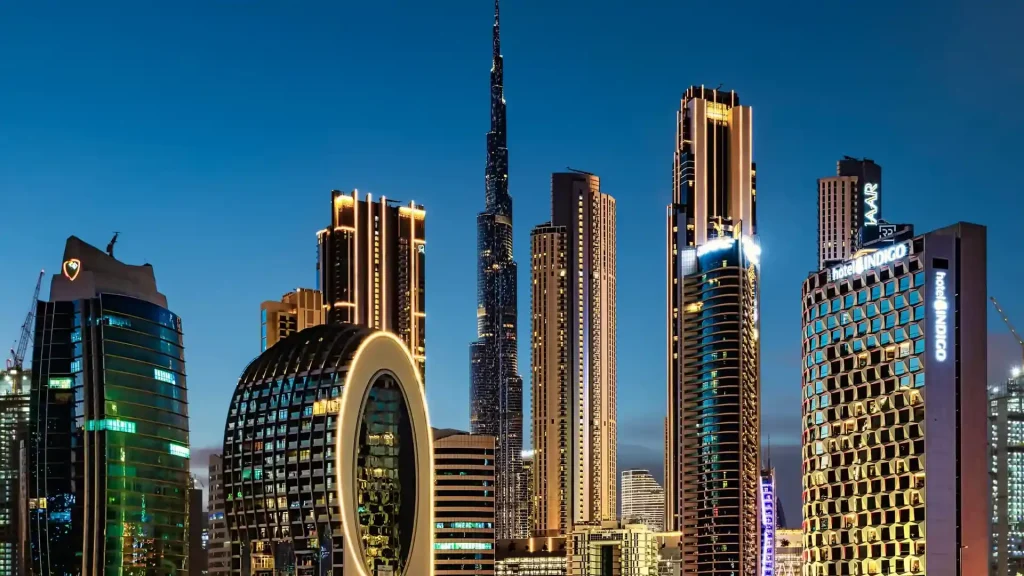
The UAE’s real estate industry continues to show strong performance in 2026, demonstrating remarkable stability despite changing market conditions. Rising investor confidence, sustained demand, ongoing development and favorable economic fundamentals are helping the property sector maintain its growth and long-term appeal.
UAE Property Sector Maintains Strong Momentum and Resilience in 2026.
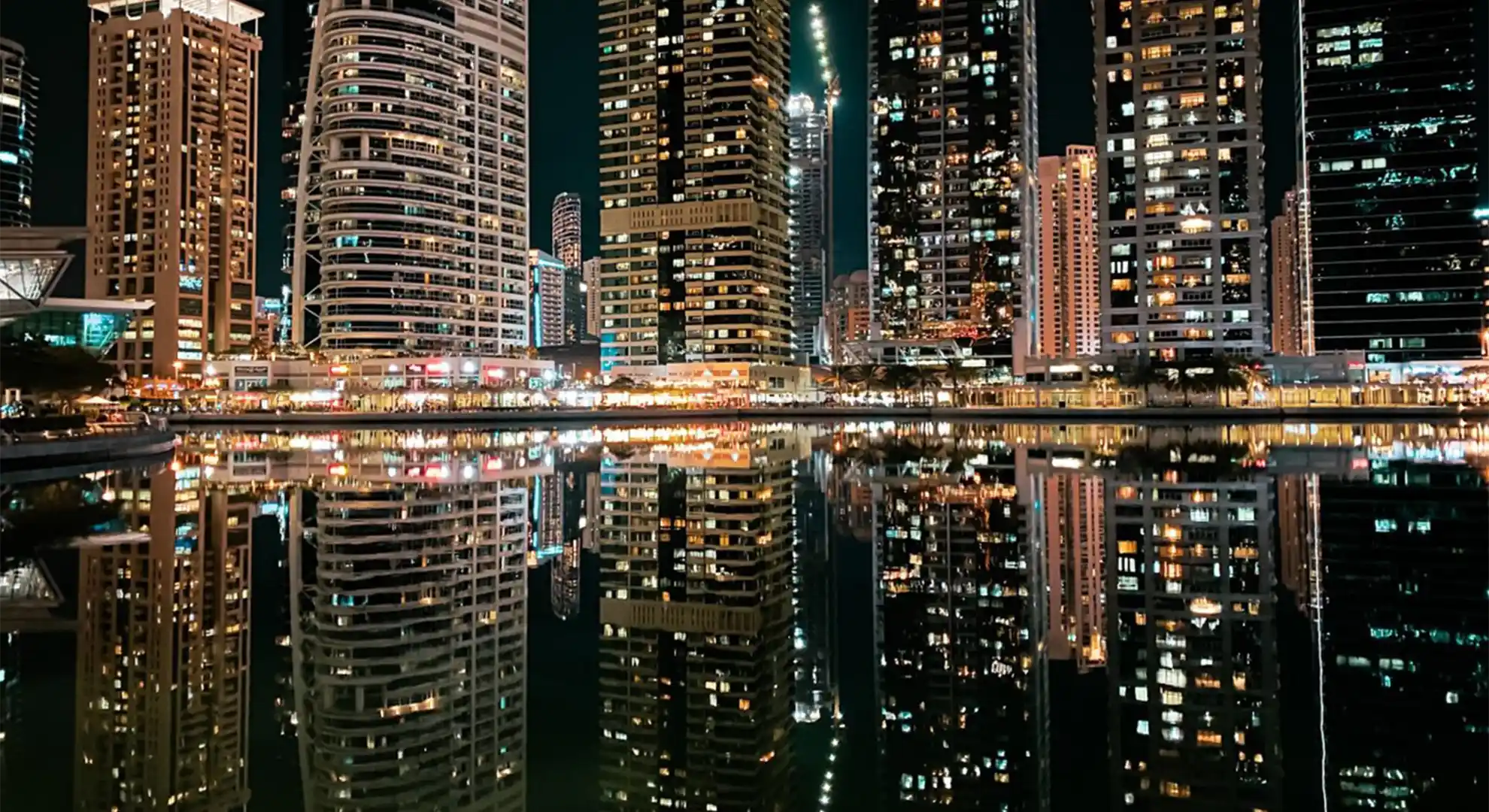
The UAE’s real estate sector is maintaining strong momentum throughout 2026, supported by growing international investor interest and healthy property sales. Continued demand, expanding development activity and positive market sentiment are reinforcing the industry’s ability to withstand changing economic conditions.
UAE Property Market Enters a New Phase of Growth in 2026
The United Arab Emirates’ property industry continues to attract significant attention in 2026, supported by strong investment activity, steady buyer demand and growing interest from international investors. Across the country, major real estate centres are recording substantial activity, reinforcing the sector’s importance to the broader economy.
While Dubai remains one of the region’s most prominent property destinations, Abu Dhabi and Sharjah are also experiencing meaningful growth. The performance of these markets demonstrates that the UAE’s real estate story is becoming increasingly broad-based, with residential, commercial, industrial and logistics assets all contributing to overall market activity.
The first part of 2026 has brought considerable momentum. Investors continue to view the UAE as an attractive destination for capital, while population growth, business expansion and the development of new communities are creating additional demand for property.
At the same time, the market is beginning to enter a more mature stage. After several years of rapid appreciation and record-setting activity, the remainder of the year could bring a greater balance between demand and new supply.
Dubai Remains at the Centre of Investor Interest
Dubai has continued to establish itself as one of the UAE’s strongest real estate markets.
Data attributed to the Dubai Land Department indicates that the emirate recorded more than 60,000 property transactions during the first quarter of 2026, with their combined value reaching around Dh252 billion.
The reported figures represent an increase over the corresponding period of 2025. Transaction value reportedly climbed by 31%, while the number of transactions increased by approximately 6%.
The figures point to continued activity across Dubai’s property landscape. The market is attracting buyers across different price categories, from individuals purchasing homes to major investors acquiring high-value residential and commercial assets.
Investment volumes have also remained substantial. During the first three months of the year, Dubai reportedly recorded around Dh173 billion in real estate investment, representing an annual increase of 22%.
The market attracted more than 48,000 investors during the quarter, including over 29,000 people described as new investors.
That influx is significant because it suggests that Dubai’s property market is not relying exclusively on existing investors. New participants continue to enter the sector, providing an additional source of demand.
International Capital Continues to Flow Into Dubai
Foreign investment remains one of the defining characteristics of Dubai’s real estate industry.
International buyers have increasingly become an important part of the market, particularly in premium and luxury residential areas.
According to the figures cited, foreign property investment in Dubai reached approximately Dh148.35 billion during the first quarter of 2026, representing a year-on-year increase of about 26%.
The continued presence of overseas investors highlights Dubai’s international reputation as a real estate destination.
Several factors can contribute to this appeal, including the emirate’s infrastructure, business environment, international connectivity, expanding residential communities and established luxury property market.
High-net-worth individuals have also continued to show interest in Dubai’s most expensive homes.
The luxury segment has become an increasingly visible part of the emirate’s property story, with international buyers competing for premium villas, apartments and other high-value assets.
This demand has helped distinguish the top end of the market from some mainstream residential segments, where buyers are likely to be more sensitive to affordability and increased supply.
Real Estate’s Wider Economic Contribution
The importance of property extends beyond transactions between buyers and sellers.
Real estate and construction are major components of Dubai’s wider economic ecosystem, supporting employment, professional services, retail activity, finance and other industries.
Figures cited in the market report indicate that real estate activities contributed roughly Dh26 billion to Dubai’s economy during the first quarter of 2026.
The sector reportedly represented around 11.2% of the emirate’s GDP during that period.
Construction also recorded growth, with activity said to have expanded by approximately 8.2%.
The relationship between property and construction is particularly important because strong real estate demand can encourage developers to launch new projects, while construction activity creates additional economic activity throughout the supply chain.
As Dubai continues developing new residential communities, commercial districts and infrastructure, the property sector is likely to remain closely connected to the emirate’s broader economic expansion.
Abu Dhabi Gains Momentum
Dubai is not the only UAE market attracting substantial investor attention.
Abu Dhabi has also recorded strong property activity during 2026, strengthening its position as an increasingly important destination for investors and developers.
Figures from the Abu Dhabi Real Estate Centre indicate that transactions reached approximately Dh117 billion during the first half of the year.
The reported total represents more than twice the figure recorded during the same period a year earlier.
One of the most notable developments has been the growth of international investment.
Foreign direct investment into Abu Dhabi’s real estate market reportedly reached Dh13.8 billion during the first six months of 2026.
That figure was described as a 309% increase compared with the previous year and was already higher than the total foreign direct investment recorded throughout 2025.
Such growth suggests that Abu Dhabi is gaining greater visibility among international property investors.
The market’s appeal is also becoming more geographically diverse.
Broader Investor Access in Abu Dhabi
During the first half of 2026, eight additional investment zones were reportedly approved in Abu Dhabi.
The move brought the emirate’s total number of investment zones to 50.
Expanding the areas available to investors can create new opportunities for residential, commercial and mixed-use development.
It can also broaden the choices available to overseas buyers seeking exposure to Abu Dhabi’s property market.
The participation of investors from 116 nationalities during the first half of the year provides another indication of the market’s international reach.
This diversity could become increasingly important as Abu Dhabi continues positioning itself as a global business, investment and lifestyle destination.
The emirate’s growing economic base, infrastructure development and expanding international profile could continue supporting demand for property across several segments.
Sharjah Builds on Its Recent Progress
Sharjah has also remained on a positive trajectory.
According to figures attributed to the Sharjah Real Estate Registration Department, property transactions reached approximately Dh29.5 billion during the first six months of 2026.
The reported total represents an annual increase of around 9.3%.
Residential real estate continues to play a central role in Sharjah’s market.
The emirate has attracted buyers looking for residential options within the wider UAE property landscape, while its proximity to Dubai and established communities provide additional support for demand.
Sharjah’s appeal is also becoming increasingly international.
Buyers from 121 nationalities reportedly participated in the emirate’s property market during the first half of the year.
The registration of 11 new real estate projects during the period further indicates that developers continue to see opportunities for growth.
The combination of new projects, residential demand and international participation is helping Sharjah strengthen its position within the UAE’s increasingly diversified property market.
Commercial Property Adds Another Layer of Growth
The UAE’s real estate expansion is not limited to residential property.
Commercial real estate has also benefited from strong demand, particularly for high-quality office accommodation in Dubai and Abu Dhabi.
Companies expanding their operations or establishing new offices require suitable workplaces, and this has helped keep demand for premium commercial buildings relatively strong.
According to figures cited from CBRE, Dubai office rents increased by around 13% year on year during the second quarter.
Occupancy was reported at approximately 94%.
Abu Dhabi recorded an even stronger increase in office rents, with prices rising by almost 16% year on year.
Office occupancy in the capital was reportedly around 96%.
These figures point toward a relatively tight market for desirable commercial space.
Where high-quality supply is limited, businesses may face increased competition for well-located offices, particularly in established business districts.
Industrial and Logistics Property Remains Important
Industrial and logistics real estate has also emerged as an important component of the UAE’s property market.
The continued development of trade, e-commerce, manufacturing and logistics activities has increased the need for warehouses, distribution centres and modern industrial facilities.
Demand has remained strong partly because suitable high-quality supply is limited in some locations.
The UAE’s role as a regional transportation and logistics hub adds further support to this segment.
Dubai and Abu Dhabi both have major airports, ports and transportation networks, allowing businesses to connect with regional and international markets.
As companies expand their supply chains, demand for strategically located logistics facilities could remain healthy.
This segment therefore provides an additional source of support for the wider real estate industry beyond traditional residential and office property.
The Market May Be Moving Toward Greater Balance
Despite the strong performance recorded during the first part of 2026, the market may face a different set of conditions during the remainder of the year.
Dubai has a considerable number of residential units in the development pipeline.
However, the number of properties officially scheduled for completion does not necessarily mean all of them will be delivered at the same time.
Construction schedules can change, and actual completions may differ significantly from initial projections.
Nevertheless, the arrival of additional housing supply could gradually alter market conditions.
After a period of strong price growth, greater availability of homes could give buyers more choices and reduce some of the upward pressure on prices.
This does not necessarily indicate a downturn.
Instead, it could represent a transition from an exceptionally rapid expansion phase toward a more balanced market environment.
Residential Growth Could Become More Moderate
Some market indicators have already pointed toward a moderation in residential momentum in Dubai.
Figures cited from CBRE indicate that residential demand and pricing pressures softened during the second quarter.
Knight Frank has also reportedly anticipated a more measured pace of price growth as 2026 progresses.
Such a development would be relatively natural following a period of substantial appreciation.
When prices rise rapidly for several consecutive years, the market eventually begins to encounter affordability considerations, increased supply and changing buyer expectations.
A slower rate of appreciation does not necessarily mean that demand has disappeared.
Instead, it can signal that the market is moving toward a healthier equilibrium between buyers, sellers and developers.
For investors, the shift may also encourage greater attention to location, quality, rental performance and long-term fundamentals rather than relying primarily on rapid capital appreciation.
Luxury Property Tells a Different Story
The outlook for Dubai’s luxury segment remains notably stronger.
High-net-worth buyers continue to show interest in some of the emirate’s most expensive properties.
According to the figures cited, Dubai recorded 296 transactions involving homes valued above $10 million during the first six months of 2026.
The number highlights the continuing strength of the prime residential market.
Luxury buyers often have different purchasing motivations from mainstream residential consumers.
They may be less affected by conventional affordability pressures and more focused on location, exclusivity, amenities, privacy and investment potential.
This creates a noticeable distinction between the luxury and mainstream sections of the market.
As a result, one of the key trends to monitor during the second half of 2026 will be whether the gap between prime and mainstream property performance continues to widen.
Abu Dhabi Enters the Second Half With Strong Foundations
Abu Dhabi appears to be entering the latter part of the year with significant momentum of its own.
Strong transaction volumes, rising international investment and expanding investment zones have contributed to the emirate’s growing appeal.
Residential development is expected to remain important, while demand for commercial space could continue benefiting from the emirate’s economic expansion.
The availability of new investment areas could also provide developers with additional opportunities to introduce projects aimed at both local and international buyers.
At the same time, investors may increasingly compare Abu Dhabi and Dubai based on factors such as pricing, rental yields, development potential and long-term economic prospects.
The growing strength of both markets could provide investors with a broader range of opportunities within the UAE.
What Investors May Watch Next
The final months of 2026 could be particularly important for understanding where the UAE property market is heading.
Rather than simply focusing on whether transaction records continue to be broken, market participants may pay greater attention to the relationship between new supply and underlying demand.
In Dubai, the delivery of additional residential units could influence pricing and rental conditions.
In Abu Dhabi, continued international investment and development activity could support further expansion.
Sharjah, meanwhile, may continue benefiting from residential demand and its growing international investor base.
Across all three markets, commercial and logistics property could remain supported by business expansion and limited availability of high-quality space.
From Rapid Expansion to Maturity
The UAE property market appears to be gradually entering a more mature phase.
The extraordinary growth seen in recent years has established the country as one of the region’s most prominent real estate destinations.
However, the next stage of development may look different.
Investors and developers are likely to place greater emphasis on sustainable demand, realistic valuations, quality developments and long-term economic fundamentals.
The market’s increasing diversity should help it navigate changing conditions.
Dubai brings deep international demand and a highly developed luxury segment.
Abu Dhabi offers expanding investment opportunities and a growing international profile.
Sharjah provides another important residential market with an increasingly diverse investor base.
Together, these markets form a broader and more resilient property ecosystem.
Population and Business Growth Remain Key Drivers
Underlying demographic and economic trends will continue to influence the sector.
As more people move to the UAE for employment, business and lifestyle opportunities, demand for homes, offices and supporting infrastructure can increase.
Business expansion also creates demand beyond housing.
Companies require offices, warehouses, logistics facilities and commercial premises, creating opportunities across several property categories.
This combination of population growth and economic development provides an important foundation for the real estate industry.
However, the pace of future growth will depend on how effectively supply responds to demand.
An oversupply in certain locations or segments could create pressure, while insufficient high-quality stock could continue pushing rents and prices upward.
A Strong Market With Changing Dynamics
The UAE’s real estate industry has demonstrated considerable strength during the first half of 2026.
Dubai has maintained high transaction volumes and strong foreign investment.
Abu Dhabi has recorded particularly rapid growth in transaction activity and international capital.
Sharjah has continued its steady expansion, supported by residential demand and participation from investors representing a wide range of nationalities.
Commercial property has added another source of strength, with office rents and occupancy rates remaining high in the country’s principal business centres.
Industrial and logistics real estate has also benefited from continued demand and limited availability of high-quality facilities.
Yet the market is not standing still.
The introduction of additional residential supply, particularly in Dubai, could gradually moderate price growth and create a more balanced environment for buyers.
At the same time, luxury property continues to attract substantial interest, demonstrating that different segments of the market can behave very differently.
Looking Ahead to the Rest of 2026
The remainder of the year is likely to provide a clearer picture of how sustainable the current momentum is.
The key question is no longer simply whether the UAE can maintain high levels of real estate activity.
Instead, attention is likely to shift toward the quality and sustainability of that growth.
If population and business expansion continue to generate underlying demand while developers deliver new properties at a manageable pace, the market could move toward a more stable growth environment.
International investment will remain another important factor.
The continued participation of overseas buyers indicates that the UAE retains a strong position on the global property map.
Maintaining that appeal will depend on continued economic growth, infrastructure development, investor confidence and the country’s ability to provide attractive opportunities across different property categories.
Overall, 2026 is shaping up as another significant year for UAE real estate.
The sector has entered the year with strong transaction activity and substantial investor interest, but its next phase is likely to be defined by greater selectivity and balance.
Dubai, Abu Dhabi and Sharjah are each developing their own strengths, while residential, office, industrial and logistics markets are contributing to a more diversified property landscape.
With international capital continuing to flow into the country, businesses expanding and demand remaining evident across multiple segments, the UAE real estate market appears well positioned for continued development.
The defining story of the months ahead may therefore be less about extraordinary growth at any cost and more about how successfully the market transforms its recent momentum into sustainable, long-term expansion.