The authority confirmed that 55 vehicles manufactured between 2021 and 2025 are affected, prompting attention from owners and relevant automotive stakeholders.
The authority stated that 55 vehicles from models manufactured between 2021 and 2025 have been impacted
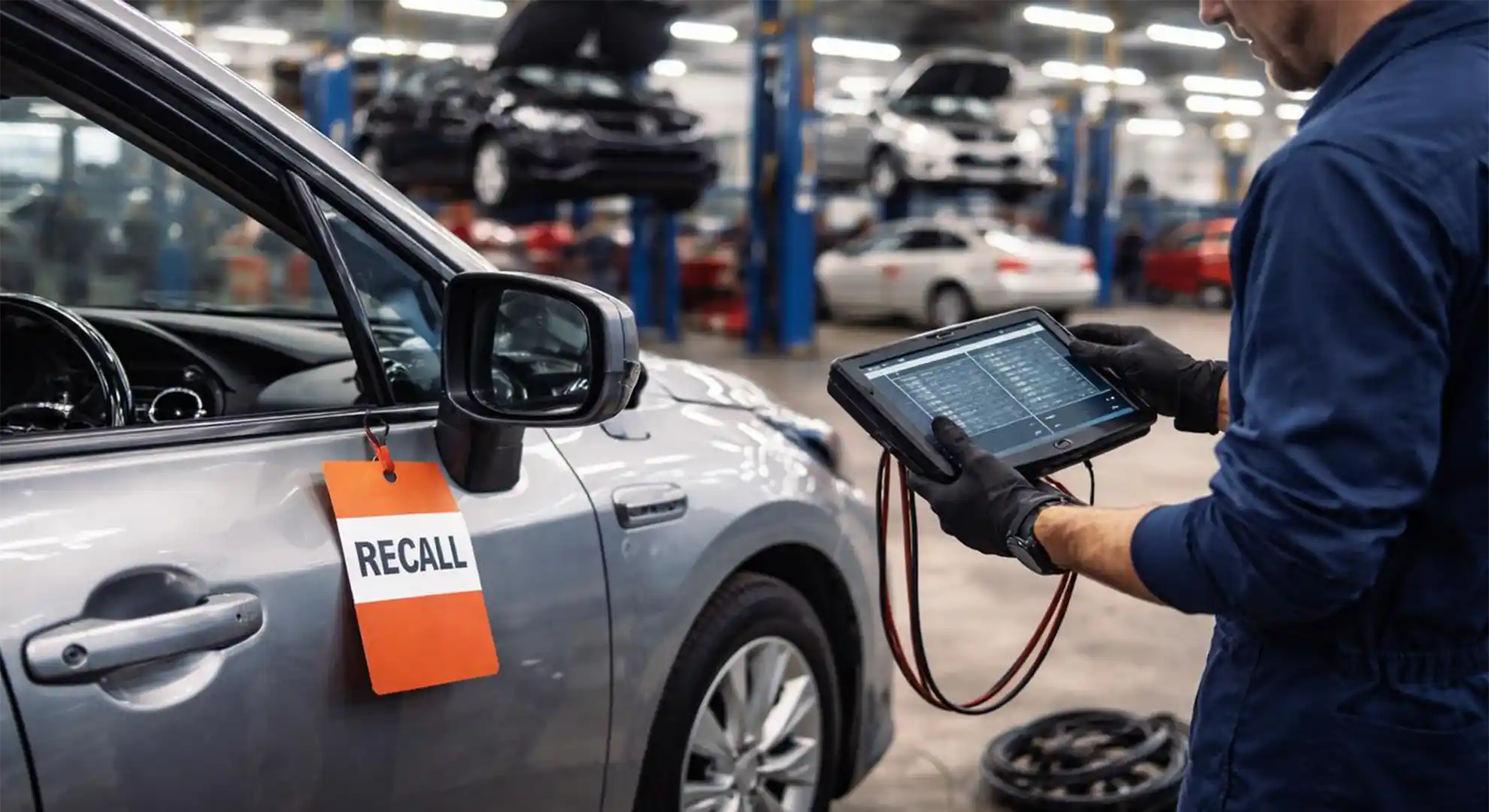
Authorities in Oman have announced a recall involving Kia K8 (GL3) vehicles after a potential fuel leakage problem was identified in a specific group of cars. The recall was announced by the Consumer Protection Authority on Tuesday, August 11, as part of measures aimed at protecting motorists from a possible safety hazard.
According to the authority, the campaign covers 55 Kia K8 vehicles produced between 2021 and 2025. The issue came to light following an examination of the affected model, which identified a possible problem involving the high-pressure fuel system.
Investigators found that the nut securing the high-pressure fuel pipe could become loose under certain conditions. If this happens, fuel may escape into the engine compartment. A fuel leak in this area can present a potential safety concern, particularly because fuel coming into contact with hot engine components could increase the risk of a fire.
Owners of vehicles covered by the recall have been advised to establish whether their cars are among those affected and arrange an inspection of the fuel system. Motorists are being encouraged not to ignore any indications of fuel leakage and to have the vehicle checked by the appropriate service centre.
If an inspection confirms that fuel is leaking from the affected pipe, the component will be replaced. The recommended corrective action is intended to remove the potential defect and ensure that the vehicle’s fuel system operates safely.
Vehicle recalls are an important part of maintaining road safety because manufacturers and regulators can identify and address defects before they result in serious accidents or injuries. Recalls can involve relatively small numbers of vehicles, but owners are generally advised to respond promptly when their vehicle is included in an official campaign.
The Kia K8 recall in Oman is also part of a wider pattern of vehicle safety campaigns being announced across the Gulf region. In recent months, authorities in neighbouring countries have issued several recalls involving different manufacturers and models.
Saudi Arabia, for example, recently announced a recall involving three Chevrolet models because of a potential issue with the driver-side airbag inflator. Airbag systems are critical safety equipment, and defects affecting an inflator can create additional risks during a collision.
Another recall in Saudi Arabia involved 96 Audi Q5 vehicles from the 2025 model year. The campaign was launched after authorities identified a safety concern related to the front seatbelt pretensioner.
Seatbelt pretensioners are designed to tighten the seatbelt during a crash, helping keep occupants securely positioned. Any malfunction involving such a component can therefore affect the vehicle’s ability to provide the intended level of protection during an accident.
Kuwait has also issued a number of vehicle recalls. Three Land Rover models were included in a recent campaign involving vehicles from different production years. The affected vehicles included the Range Rover manufactured between 2022 and 2027, the Defender from the 2020-2027 production range and the Discovery covering model years from 2021 to 2027.
The series of recalls demonstrates that vehicle safety issues can emerge across a wide variety of manufacturers and model ranges. Such campaigns do not necessarily mean that every vehicle of a particular model is unsafe. Instead, recalls generally identify a specific manufacturing batch, component or potential defect that requires inspection or corrective action.
Earlier this year, motorists in the UAE were also affected by a global BMW recall. The campaign involved a potential fire hazard associated with the engine starter. The recall highlighted the fact that safety campaigns can extend across international markets, meaning vehicles sold in one country may be included in a global manufacturer action.
For motorists, official recall notices provide an important opportunity to have potentially defective components inspected or repaired without waiting for a problem to become more serious. Vehicle owners should regularly check whether their cars are covered by safety campaigns, particularly when they receive notifications from manufacturers, dealers or government authorities.
Owners of the recalled Kia K8 vehicles in Oman should pay particular attention to signs that could indicate a fuel-system problem. A noticeable smell of fuel, visible leakage or other unusual symptoms around the engine compartment should be treated seriously. Drivers who suspect a problem should seek professional assistance rather than attempting to repair the fuel system themselves.
The latest recall also underlines the importance of cooperation between vehicle owners, manufacturers, dealers and consumer protection authorities. Once a potential defect is identified, quickly informing affected motorists can help ensure that corrective measures are completed before an incident occurs.
While only 55 Kia K8 vehicles are included in the Omani campaign, the recall serves as a reminder that even a relatively limited mechanical issue can have safety implications. The high-pressure fuel system plays a crucial role in modern engines, and maintaining its components properly is essential for safe vehicle operation.
Motorists are therefore encouraged to verify whether their Kia K8 falls within the affected production range and to follow the instructions issued by the Consumer Protection Authority. Completing the recommended inspection and, where necessary, replacing the fuel pipe can help eliminate the identified risk.
The wider recall activity across Oman, Saudi Arabia, Kuwait and the UAE shows the continued attention being given to vehicle safety throughout the region. From fuel-system problems and airbag components to seatbelt mechanisms and potential engine fires, manufacturers and regulators continue to use recall campaigns to address safety concerns and protect motorists.
For vehicle owners, staying informed about official recalls and responding promptly remains one of the simplest ways to reduce avoidable risks on the road.