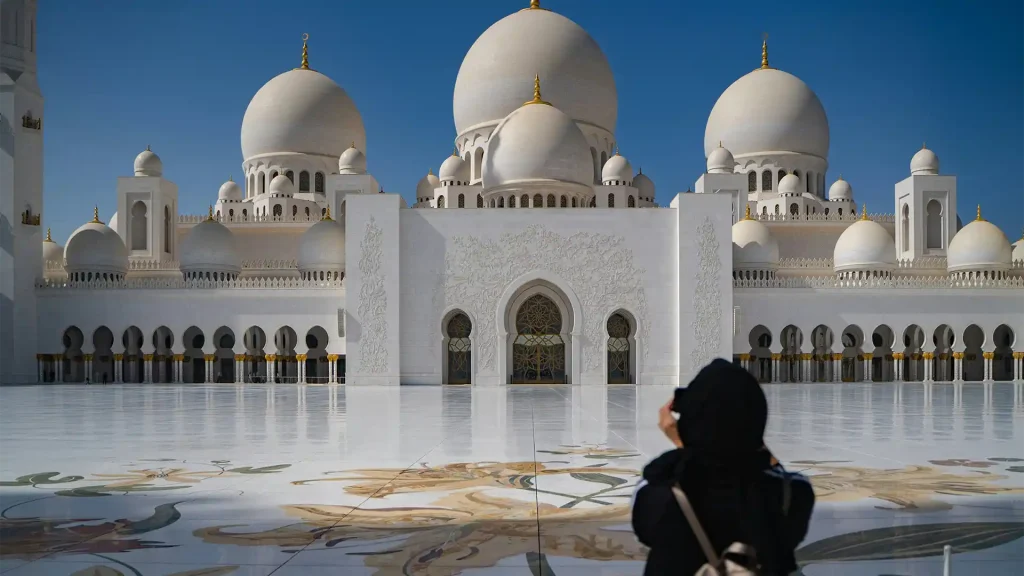
UAE 2027 Religious Calendar: Anticipated Dates for Ramadan, Eid Al Fitr and Eid Al Adha Announced, Giving Residents an Early Look at When the Major Islamic Observances and Public Holidays Are Likely to Take Place Next Year.
UAE 2027 Islamic Calendar: Expected Dates for Ramadan, Eid Al Fitr and Eid Al Adha.
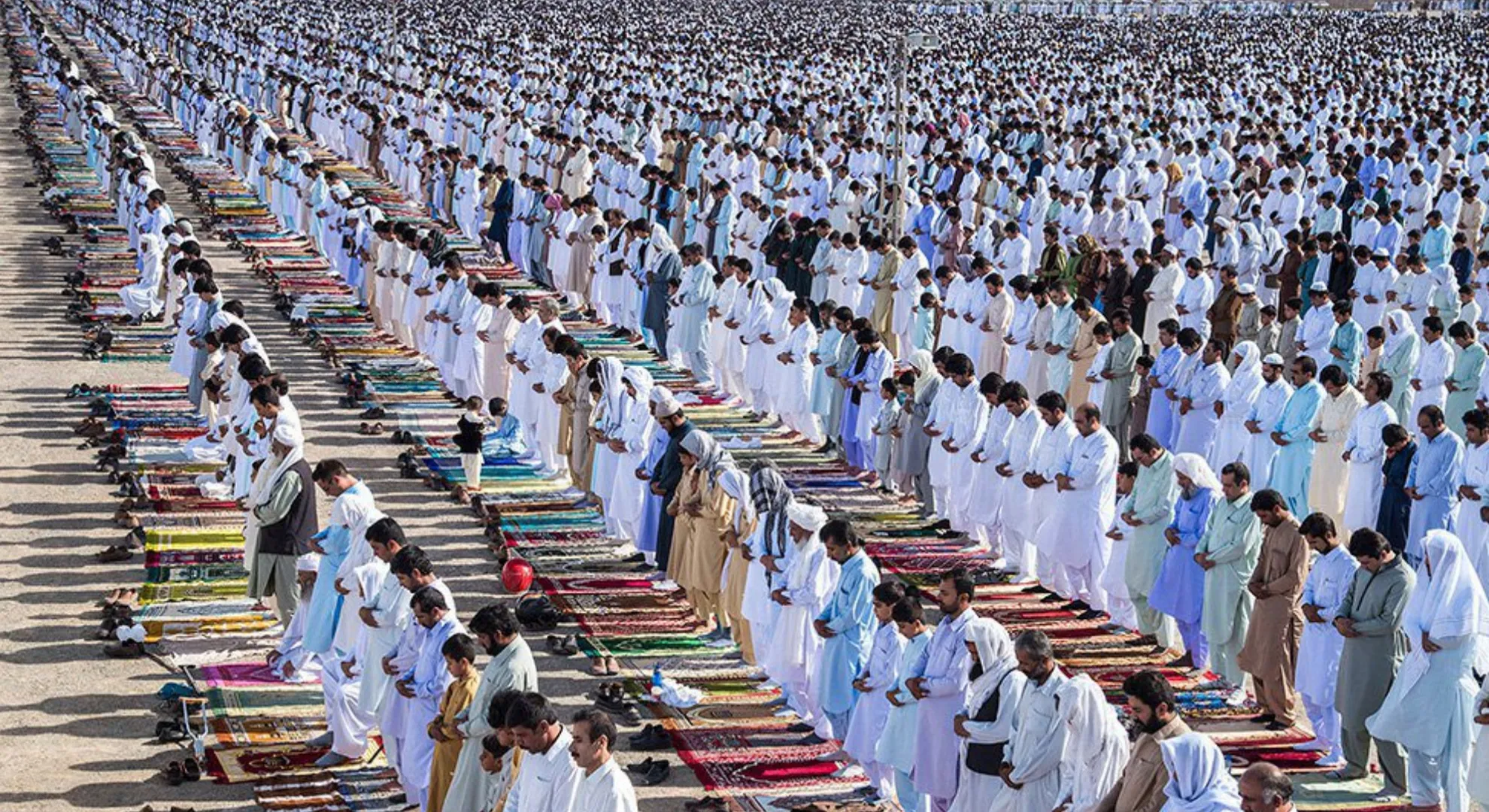
Residents across the UAE can use these projected dates as an early guide to prepare for the important religious occasions in 2027, helping families organise worship, gatherings, travel plans and other arrangements around Ramadan and the two major Eid celebrations.
UAE’s Likely Islamic Dates for 2027: What Residents Should Know
The UAE Astronomy Centre has published its projections for several significant Islamic occasions expected to take place in 2027, corresponding to the year 1448 in the Hijri calendar. While these dates are not yet final, they give residents an early indication of when Ramadan and the major Eid celebrations could occur.
The expected dates can help families, businesses and residents make preliminary plans for religious observances, family gatherings, travel and other arrangements during the important occasions.
However, the projected calendar should not be treated as a confirmed schedule. Islamic dates are traditionally determined according to the sighting of the new crescent moon, meaning the final dates can differ from astronomical calculations by a day.
Why Islamic dates can change
The Islamic calendar follows the lunar cycle rather than the Gregorian calendar used for most day-to-day planning. A Hijri month can contain either 29 or 30 days, depending on whether the new crescent is observed.
Because of this, astronomical calculations can provide an indication of when an Islamic month is likely to begin, but the official date is ultimately established through the recognised moon-sighting process.
In the UAE, the country’s moon-sighting committee plays an important role in determining the start and end of significant Islamic months and occasions.
The committee considers the sighting of the crescent when confirming dates connected with Ramadan, Eid Al Fitr, Eid Al Adha and other important religious events.
This means that residents should view the dates announced by the Astronomy Centre as forecasts rather than final declarations.
Ramadan expected in February 2027
One of the most important dates on the 2027 Islamic calendar will be the beginning of Ramadan.
Based on astronomical calculations, Ramadan is currently expected to begin in the UAE on Monday, February 8, 2027.
The expected start date depends on the conclusion of Sha’ban, the Islamic month immediately preceding Ramadan.
The new crescent marking the beginning of Ramadan is expected to be considered around February 6 or February 7.
According to the Astronomy Centre’s calculations, however, the crescent would not be visible from several parts of the world, including the UAE, under the relevant astronomical conditions.
The calculations indicate that the moon could set before the Sun or that the conjunction may occur after sunset, making a visible crescent unavailable at that point.
As a result, Sha’ban is expected to complete 30 days, leading to the projected start of Ramadan on February 8.
What the moon-sighting process means
The difference between an astronomical projection and an official announcement is important when it comes to Islamic occasions.
The lunar month does not begin simply because a calendar calculation says it should. The appearance of the new crescent is traditionally significant in determining the start of a new Hijri month.
For this reason, residents should wait for the official announcement from the relevant UAE authorities before treating February 8 as the confirmed first day of Ramadan.
If the crescent is not observed under the applicable criteria, the preceding month completes 30 days.
This approach is why Islamic dates can sometimes vary from preliminary predictions.
Ramadan moves earlier each year
Ramadan does not occur at the same time of year according to the Gregorian calendar.
The Islamic calendar is shorter than the solar calendar, so Ramadan moves approximately 10 to 12 days earlier each year when compared with the Gregorian calendar.
This means that a Ramadan beginning in February 2027 will occur earlier in the year than Ramadan in 2026.
In 2026, Ramadan began on February 18.
The expected 2027 start date of February 8 therefore represents a shift of around 10 days compared with the previous year.
Over a longer period, this annual movement causes Ramadan to pass through different seasons.
Why Ramadan shifts every year
The Hijri calendar is based on lunar months, with each month lasting approximately one lunar cycle.
Because 12 lunar months make up a year that is shorter than the Gregorian solar year, Islamic dates gradually move backwards through the Gregorian calendar.
The difference accumulates over time, resulting in Ramadan occurring during different months and seasons across the years.
For Muslims, the religious significance of Ramadan remains unchanged regardless of the season in which it occurs.
The month is observed through fasting from dawn to sunset, prayer, reflection, charity and other acts of worship.
Preparing for Ramadan
Although the exact date will only be confirmed closer to the beginning of the holy month, the projected February 8 date provides residents with an opportunity to prepare in advance.
Families may use the expected date when making preliminary arrangements for work, school, travel and family commitments.
Businesses can also use the projected timing for early planning, although official working-hour schedules and holiday arrangements will depend on announcements made closer to Ramadan.
Residents should remember that the projected date is subject to the official moon-sighting decision.
The importance of Sha’ban
Sha’ban is the month that comes immediately before Ramadan in the Islamic calendar.
The end of Sha’ban is particularly important because the sighting of the Ramadan crescent determines when the holy month begins.
For 2027, the astronomical calculations suggest that Sha’ban will complete 30 days.
This would place the first day of Ramadan on February 8.
However, the final decision remains dependent on the official process.
Eid Al Fitr follows Ramadan
The end of Ramadan will mark the beginning of Eid Al Fitr, another major Islamic celebration.
The exact date of Eid Al Fitr in 2027 will depend on whether Ramadan lasts 29 or 30 days.
This is another example of why preliminary Islamic calendars can change.
If the crescent marking Shawwal is sighted after a 29-day Ramadan, Eid Al Fitr could begin earlier. If the crescent is not sighted and Ramadan completes 30 days, Eid would begin a day later.
Residents should therefore wait for the official announcement before finalising plans around the Eid holiday.
Eid celebrations across the UAE
Eid Al Fitr is traditionally marked by special prayers, family visits, gatherings and celebrations.
The occasion follows a month of fasting and spiritual observance during Ramadan.
Across the UAE, residents typically prepare for Eid by organising family gatherings, purchasing gifts and making arrangements for visits and celebrations.
The public holiday associated with Eid also makes the period particularly significant for travel and leisure planning.
Because official holiday dates are connected to the confirmed lunar calendar, residents should rely on government announcements for final information.
Looking ahead to Eid Al Adha
Another major occasion expected in 2027 is Eid Al Adha.
The festival occurs during the Islamic month of Dhu Al Hijjah and is associated with the annual Hajj pilgrimage.
As with Ramadan and Eid Al Fitr, its exact date will ultimately depend on the lunar calendar and official moon-sighting process.
The Astronomy Centre’s calculations provide a useful preliminary indication, but residents should not consider any projected date final until it is officially confirmed.
Preliminary dates are useful for planning
Astronomical calculations nevertheless serve an important purpose.
They allow residents to understand approximately when major Islamic occasions are likely to occur and provide an early basis for planning.
People arranging international travel, family gatherings or important personal commitments can use the projections as an initial reference.
However, because the final dates can shift, anyone making time-sensitive arrangements should allow some flexibility.
This is particularly relevant for Ramadan and the two Eid celebrations, when even a one-day difference can affect travel schedules, accommodation bookings and other plans.
Official confirmation remains decisive
The UAE’s official moon-sighting process will determine the final dates.
The Astronomy Centre’s projections are based on astronomical observations and calculations concerning the position and visibility of the crescent.
The official committee will consider the relevant moon-sighting information before announcing the dates.
Therefore, residents should distinguish between a likely date and a confirmed date.
The former is based on astronomical expectations, while the latter comes through the official process.
What residents should remember
For 2027, Ramadan is currently expected to begin in the UAE on February 8, based on the Astronomy Centre’s calculations.
The prediction follows an assessment of the expected crescent visibility at the end of Sha’ban.
Because the new moon is not expected to be visible in the UAE under the relevant conditions, Sha’ban is projected to complete 30 days.
However, the final Ramadan date will only be established through the official moon-sighting process.
The same principle applies to Eid Al Fitr and Eid Al Adha.
A changing calendar
The expected Ramadan date also highlights how Islamic observances move through the Gregorian calendar.
Ramadan began on February 18 in 2026 and is expected to start around February 8 in 2027.
This roughly 10-day shift is consistent with the movement of the lunar calendar relative to the solar year.
Over the coming years, Ramadan will continue moving earlier through the Gregorian calendar before eventually cycling through the different seasons.
Planning ahead while awaiting confirmation
For now, residents can use the projected dates as a guide rather than a final timetable.
Those planning travel, family occasions or religious activities around Ramadan and Eid can begin making preliminary arrangements while keeping in mind that the final dates may change.
As the relevant months approach, official announcements will provide the information needed to confirm the exact dates.
Until then, the Astronomy Centre’s calculations offer an early indication of what the 2027 Islamic calendar could look like.
The projected start of Ramadan on February 8, 2027, is particularly significant for residents preparing for the holy month.
The date is based on the expected completion of Sha’ban after the crescent is assessed around February 6 and 7.
If the astronomical projections are borne out by the official moon-sighting process, Ramadan would begin on February 8.
Nevertheless, residents should continue to treat the date as provisional.
The lunar nature of the Islamic calendar means that the final decision can only be made once the appropriate crescent-sighting process has taken place.
For now, the projected dates give UAE residents an early opportunity to look ahead to Ramadan, Eid Al Fitr and Eid Al Adha in 2027 while leaving room for official confirmation closer to each occasion.

Eid Al Fitr 2027: Possible Dates in the UAE
Eid Al Fitr marks the conclusion of Ramadan and begins with the arrival of Shawwal, the 10th month of the Islamic calendar. The festival is traditionally observed over the first three days of Shawwal, although the exact Gregorian dates depend on when the new crescent is officially confirmed.
According to projections from the Astronomy Centre, the Shawwal crescent could be assessed in the UAE on either Monday, March 8, 2027, or Tuesday, March 9, 2027.
The final date of Eid Al Fitr will depend on whether Ramadan lasts 29 or 30 days.
If the new crescent is successfully sighted on the evening of March 8, which would correspond to the 29th day of Ramadan, the first day of Eid Al Fitr would fall on Tuesday, March 9.
If the crescent cannot be observed and Ramadan completes its full 30 days, Eid Al Fitr would instead begin on Wednesday, March 10.
This means UAE residents could potentially begin their Eid celebrations on either March 9 or March 10, depending on the official moon-sighting announcement.
The projected dates are therefore useful for advance planning, but they should not be regarded as final until the relevant authorities confirm the beginning of Shawwal.
Why the Eid date can change
The Islamic calendar is based on lunar cycles, meaning the start of each month is connected to the appearance of the new crescent.
A Hijri month can contain either 29 or 30 days. If the crescent marking the beginning of the following month is observed after a 29-day month, the new month begins immediately. If the crescent cannot be seen, the existing month continues to 30 days.
This is why the exact date of Eid Al Fitr cannot always be established months in advance with complete certainty.
Astronomical calculations can determine when the moon is likely to be visible, but the official date is established through the recognised moon-sighting process.
For residents, the safest approach is to use the projected dates for preliminary arrangements while waiting for the official announcement closer to Ramadan’s end.
Eid Al Adha 2027: Expected Dates
Another major Islamic celebration expected in 2027 is Eid Al Adha, which falls during the final month of the Hijri year, Dhul Hijjah.
Eid Al Adha is observed on the 10th day of Dhul Hijjah, immediately after the Day of Arafah, which takes place on the ninth day of the month.
The Day of Arafah is regarded as one of the most significant days in Islam and holds particular importance for Muslims performing the Hajj pilgrimage.
For 2027, the Astronomy Centre expects the crescent marking the beginning of Dhul Hijjah to potentially be sighted in the UAE on Thursday, May 6, or Friday, May 7.
Depending on the outcome of the moon-sighting process, Dhul Hijjah could therefore begin on either May 7 or May 8.
That would place the first day of Eid Al Adha on either Sunday, May 16, or Monday, May 17, 2027.
Again, these dates are projections rather than confirmed dates and could change depending on the official determination of the beginning of Dhul Hijjah.
The beginning of Dhul Hijjah
The start of Dhul Hijjah is particularly important because several significant Islamic observances take place during this month.
The first 10 days are regarded as a spiritually important period, while the ninth day is the Day of Arafah and the 10th marks Eid Al Adha.
The exact timing depends on when the crescent of Dhul Hijjah is established.
Astronomical visibility charts help explain the possibilities surrounding the expected crescent sighting in May 2027.
Depending on the location and atmospheric conditions, the crescent may be difficult or impossible to see in some parts of the world, while observers in other regions may have a better opportunity to detect it.
What the crescent visibility projections show
The Astronomy Centre’s visibility information divides different regions according to the expected likelihood of seeing the new crescent.
In some areas, the crescent is considered impossible to observe because the Moon may set before sunset or because the astronomical conjunction occurs after sunset.
Other regions may have conditions under which the crescent can potentially be detected using optical equipment.
There are also locations where the new Moon may be visible with optical assistance, while exceptionally clear atmospheric conditions and an experienced observer could potentially allow a naked-eye sighting.
These variations demonstrate why moon visibility can differ significantly between countries and regions.
They also explain why astronomical calculations are used as an important reference while official religious authorities carry out the final determination.
Day of Arafah could fall on May 15 or 16
The date of the Day of Arafah will depend directly on the beginning of Dhul Hijjah.
If Dhul Hijjah begins on May 7, the ninth day would fall on May 15.
If the month begins on May 8, the ninth day would instead be May 16.
The first day of Eid Al Adha would then follow on May 16 or May 17, respectively.
The Day of Arafah is especially important for Muslims around the world.
Pilgrims performing Hajj gather at the plain of Arafat during this day as part of the pilgrimage’s major rites.
For Muslims who are not performing Hajj, fasting on the Day of Arafah is widely observed as an important act of worship.
Those undertaking the Hajj pilgrimage do not generally observe the fast while performing the Arafah rites.
The significance of Eid Al Adha
Eid Al Adha commemorates the willingness of Prophet Ibrahim to obey God’s command and is closely associated with the story of sacrifice.
Muslims around the world observe the festival through prayer, family gatherings, acts of charity and the sacrifice of livestock where applicable.
The meat from the sacrifice is traditionally distributed among family members, friends and people in need.
The occasion therefore combines religious devotion with community support and charitable giving.
The days leading up to Eid Al Adha are also considered spiritually significant, with many Muslims increasing their prayers, remembrance and other acts of worship during the first 10 days of Dhul Hijjah.
Hajj and Eid Al Adha
Eid Al Adha occurs during the annual Hajj season.
The pilgrimage takes place in and around Makkah, with major rites occurring during Dhul Hijjah.
The principal Hajj period includes several important days, beginning around the eighth day of Dhul Hijjah and continuing through the 12th or, for some pilgrims, the 13th day.
The Day of Arafah on Dhul Hijjah 9 is a central part of the pilgrimage, followed by Eid Al Adha on the 10th.
For Muslims who are not travelling for Hajj, the festival remains an important religious occasion observed through prayer, sacrifice, charity and family gatherings.
Muharram 2027: Start of a New Islamic Year
The Islamic calendar will move into a new year following the completion of Dhul Hijjah.
Muharram is the first month of the Hijri calendar, meaning the beginning of Muharram marks the start of a new Islamic year.
The expected date for the beginning of Muharram 1449 AH can be estimated using the projected dates for the end of Dhul Hijjah.
According to the Astronomy Centre’s calculations, there are several possible scenarios depending on when Dhul Hijjah begins and whether the month lasts 29 or 30 days.
If Dhul Hijjah starts on May 7, 2027 and lasts 29 days, the first day of Muharram would be expected on Saturday, June 5.
If the crescent is not sighted and Dhul Hijjah completes 30 days, Muharram would instead begin on Sunday, June 6.
There is another possible scenario if Dhul Hijjah begins on May 8.
If that month lasts 29 days, the new Islamic year could begin on Sunday, June 6.
If Dhul Hijjah lasts 30 days, the first day of Muharram would fall on Monday, June 7, 2027.
Why there are several possible Muharram dates
The different possibilities are a direct consequence of the lunar calendar.
Since each Islamic month can have either 29 or 30 days, the date of one month affects the timing of all subsequent months.
A one-day difference in the beginning of Dhul Hijjah can therefore shift the start of Muharram.
The same principle applies throughout the Hijri calendar.
This is why astronomical projections usually provide a range of possible dates rather than guaranteeing one specific day months in advance.
The start of 1449 AH
The beginning of Muharram will mark the transition from 1448 AH to 1449 AH.
The Hijri calendar is based on lunar months and is shorter than the Gregorian calendar. As a result, Islamic dates move through the Gregorian year over time.
The start of a new Hijri year is therefore determined by the conclusion of Dhul Hijjah and the sighting of the Muharram crescent.
For 2027, the new Islamic year is currently expected to begin sometime between June 5 and June 7, depending on the outcome of the relevant moon-sighting process.
Residents should await official confirmation before treating any of these dates as final.
What UAE residents should know
The projected dates for 2027 provide an early indication of when some of the UAE’s most important Islamic occasions could take place.
The main expected dates include:
Ramadan: Expected to begin on February 8, 2027, subject to confirmation.
Eid Al Fitr: Likely to begin on March 9 or March 10, depending on the length of Ramadan.
Beginning of Dhul Hijjah: Expected around May 7 or May 8.
Day of Arafah: Likely on May 15 or May 16.
Eid Al Adha: Expected on May 16 or May 17.
Muharram 1449 AH: Potentially beginning between June 5 and June 7.
These dates are based on astronomical calculations and should be regarded as preliminary.
Moon sighting remains the deciding factor
Despite the availability of sophisticated astronomical calculations, the traditional moon-sighting process remains central to confirming the dates of major Islamic occasions.
This means residents should expect official announcements closer to each event.
The difference may be only one day, but that can be significant for people arranging holidays, flights, accommodation, family events and religious activities.
For this reason, projected dates are best used for advance planning rather than as final confirmation.
Planning for the 2027 holidays
The expected dates can nevertheless help UAE residents prepare well ahead of time.
Families considering travel during Eid can use the projected period as an initial planning guide. Businesses can also anticipate periods when public holidays may be announced.
Those arranging religious activities can similarly use the expected calendar while allowing flexibility around the official dates.
As the relevant months approach, the UAE authorities will provide confirmation based on the moon-sighting process.
A year of major Islamic occasions
The 2027 Islamic calendar will include several important periods for Muslims in the UAE and around the world.
Ramadan is expected to arrive in February, followed by Eid Al Fitr in March.
A few months later, Dhul Hijjah will begin in May, bringing the Day of Arafah and Eid Al Adha.
The Islamic year will then conclude with Dhul Hijjah, followed by Muharram and the beginning of 1449 AH in early June.
While the exact Gregorian dates remain subject to confirmation, the astronomical projections provide residents with a useful early picture of how the religious calendar is likely to unfold.
The key point is that these dates should remain flexible until the relevant crescent moons are officially assessed.
For now, UAE residents can use the projections to make preliminary plans while keeping in mind that the final dates for Eid Al Fitr, Eid Al Adha and the beginning of Muharram may shift by a day depending on the official moon-sighting results.