Following the Abha Airport attack, airlines operating between the UAE and Saudi Arabia have introduced temporary flight adjustments, causing changes to travel arrangements for some passengers.
Abha Airport Incident Prompts Temporary Flight Changes Between UAE and Saudi Arabia.
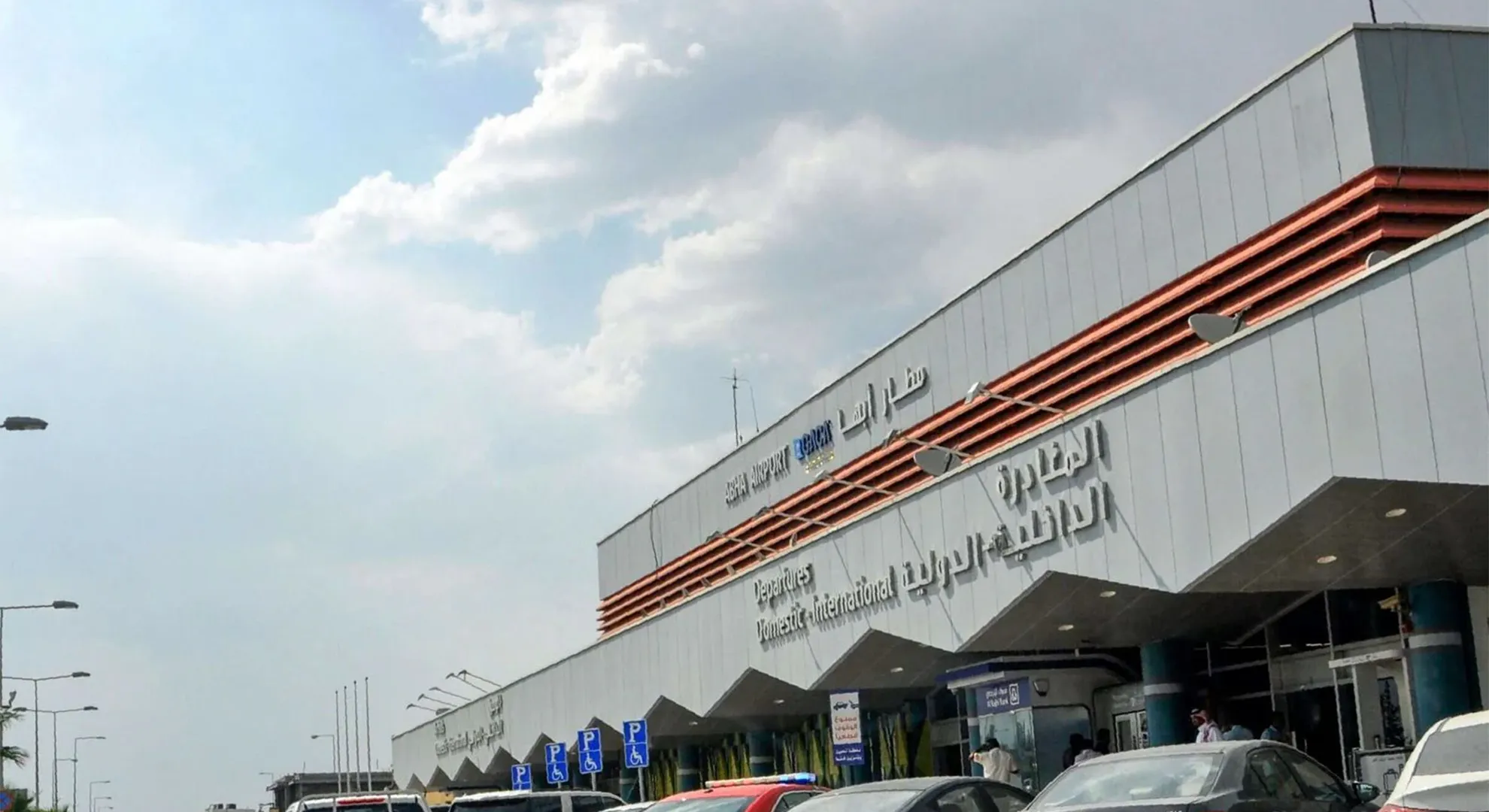
UAE-based flydubai announced flight cancellations involving Abha Airport, following moves by Saudi carriers Saudia and flynas after a late Monday attack involving Houthi missiles and drones.
Flights to Saudi Arabia’s Abha Disrupted After Attack Forces Cancellations
Air services connecting Saudi Arabia’s southern city of Abha with the UAE and other regional destinations have been affected following a security incident at Abha Airport. Several airlines suspended or cancelled flights after the airport was targeted in a Houthi missile and drone attack late Monday, causing disruption for passengers travelling to and from the city.
The cancellations came as regional tensions continued to rise, with airlines closely monitoring developments and adjusting their operations to ensure passenger safety. Travellers scheduled to fly through Abha Airport experienced changes to their plans as carriers reviewed flight movements following the attack.
Data from flight-tracking platform Flightradar24 showed that a number of flights were cancelled on Monday evening after the incident. Additional cancellations were also recorded on Tuesday as airlines continued to assess the situation and respond to ongoing security concerns in the region.
Among the affected services were flights operated by Saudi Arabia’s national airline, Saudia, as well as low-cost carrier flynas. Several routes connecting Abha with major Saudi cities were suspended, including flights linking the airport with Riyadh and Jeddah.
Saudia cancelled some scheduled departures from Abha to Riyadh and Jeddah, affecting passengers travelling between the southern region and the country’s major transport hubs. The airline also cancelled some incoming services scheduled to arrive at Abha Airport from other Saudi cities.
Budget airline flynas also experienced disruptions, with its services connecting Abha and Jeddah affected by the cancellations. Some flights planned for Tuesday morning were removed from the schedule as airlines continued managing the operational impact of the attack.
The disruption was not limited to domestic Saudi routes. Flights involving regional destinations, including connections from the UAE, were also impacted as carriers adjusted their schedules in response to the security situation. Airlines operating international and regional services often review flight paths and airport operations during periods of increased risk to protect passengers and crew.
The latest cancellations come amid renewed tensions involving Yemen and Saudi Arabia, which have affected security conditions across parts of the region. The attack on Abha Airport has raised concerns about the safety of civilian aviation infrastructure and the challenges faced by airlines operating in affected areas.
Passengers were advised to check directly with airlines for the latest updates regarding departure times, cancellations and possible rescheduling options. Aviation authorities and carriers typically continue monitoring such situations closely before restoring normal flight operations.
Abha Airport is an important transportation hub serving Saudi Arabia’s Asir region and connects the area with domestic destinations as well as selected international routes. Any disruption at the airport can affect both business and leisure travellers, particularly during periods of increased travel demand.
Airlines facing unexpected security-related disruptions generally prioritise passenger safety while working to minimise inconvenience. This may involve temporarily suspending flights, adjusting schedules or providing alternative arrangements depending on the circumstances.
The cancellations highlight how regional conflicts can quickly affect civilian aviation networks. Even when airports remain operational, security assessments and precautionary measures can lead airlines to make temporary changes to flight schedules.
Industry experts note that flight operations depend heavily on stable security conditions, particularly in regions where airports and air corridors may be affected by geopolitical developments. Airlines continue to coordinate with relevant authorities to determine when normal services can resume safely.
As the situation develops, travellers using Abha Airport and connecting routes are encouraged to remain updated through official airline announcements and airport notifications. Further changes to flight schedules may occur depending on security assessments and operational decisions by carriers.
The latest disruption follows a series of incidents that have affected aviation and transport links across the region. Airlines have continued to balance maintaining connectivity with ensuring the safety of passengers and employees during periods of uncertainty.
While the cancellations have caused temporary inconvenience, carriers are expected to review operations regularly and restore services when conditions allow. The focus remains on maintaining safe and reliable air travel while responding to changing circumstances in the region.
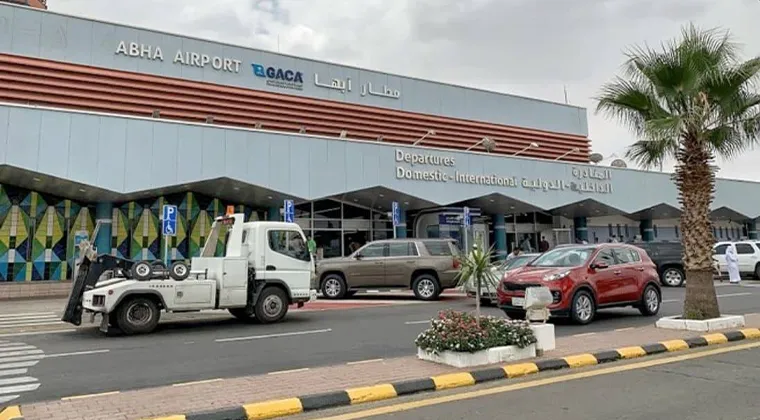
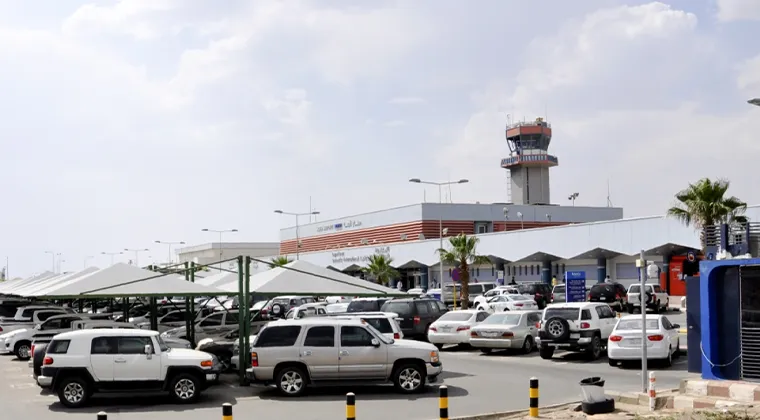
Flydubai Services to Abha Cancelled After Houthi Attack on Saudi Airport
Flight operations between Dubai and the Saudi city of Abha were disrupted after flydubai cancelled scheduled services following an attack on Abha International Airport. According to information from Dubai Airports, two flydubai flights planned to operate from Dubai International Airport’s Terminal 2 to Abha on Tuesday, July 14, were removed from the schedule.
The affected flights were scheduled to depart Dubai at 10:25am and 4:05pm. The cancellations came as airlines reviewed their operations after a reported missile and drone strike targeted the Saudi airport, raising concerns over the safety of aviation activity in the area.
Passengers travelling on affected routes were advised to remain in contact with their airlines for updated information regarding rescheduled flights, refunds or alternative travel arrangements. Airlines typically make operational decisions based on security assessments and guidance from relevant authorities during periods of heightened regional tension.
The disruption followed an attack claimed by Yemen’s Houthi movement, which said it had launched an operation targeting Abha International Airport in southern Saudi Arabia. The strike occurred on Monday, shortly after reports of airstrikes on Sanaa International Airport in Yemen’s capital.
Yahya Saree, spokesperson for the Houthi military, said in a televised statement that the group had carried out a military operation against Abha Airport. He claimed that the attack involved the use of ballistic missiles and unmanned aerial vehicles, describing the action as part of the group’s ongoing response to developments in the region.
In his statement, Saree issued a warning to airlines operating flights through Saudi airspace. He called on carriers to avoid flying into Saudi territory until restrictions affecting Sanaa International Airport were removed and normal aviation operations there were restored.
The warning added to concerns surrounding regional air travel, as airlines often reconsider routes and schedules when airports or air corridors become linked to security threats. Commercial aviation authorities generally prioritise passenger safety and may temporarily suspend services until risks are assessed.
The latest incident occurred amid a broader increase in tensions between the Houthis and Saudi Arabia. Relations between the two sides have remained strained due to ongoing political and military disputes involving Yemen and regional powers.
Earlier in the month, the Houthi movement accused Saudi Arabia of carrying out an attack involving an Iranian aircraft that had landed at Sanaa Airport and was later used to transport a delegation. The group claimed the incident represented a violation of Yemen’s airspace and warned that further actions against Saudi interests could follow.
Following those accusations, Houthi officials threatened possible attacks against Saudi airports and other important infrastructure if they believed Riyadh had continued violating airspace or taking military action against Yemen.
The situation has increased uncertainty for airlines operating across the region, particularly those serving destinations located near areas affected by conflict. Airports in countries experiencing heightened security concerns often face temporary disruptions as governments and aviation authorities evaluate potential risks.
Abha International Airport is a key facility serving the Asir region of Saudi Arabia. It handles domestic flights as well as some regional connections, making it an important link for residents, business travellers and visitors to the area.
Any interruption at the airport can have wider effects on travel schedules, especially for passengers connecting through major hubs such as Dubai, Riyadh and Jeddah. Airlines operating these routes must balance maintaining services with ensuring the safety of passengers, flight crews and aircraft.
The cancellation of flydubai flights reflects the broader impact that regional security developments can have on commercial aviation. Even when airports remain open, airlines may decide to temporarily adjust schedules as a precautionary measure.
Aviation experts say flight disruptions linked to security incidents are often temporary, with airlines continuously reviewing conditions before restoring normal operations. Decisions are usually made in coordination with aviation authorities, airport operators and security agencies.
The attack on Abha Airport also highlights the vulnerability of civilian infrastructure during periods of conflict. Airports, despite serving primarily commercial purposes, can become targets during regional disputes because of their strategic importance and symbolic value.
Saudi authorities have previously invested heavily in protecting airports and maintaining aviation security systems. However, the use of drones and missile technology in modern conflicts has created additional challenges for countries seeking to protect civilian facilities.
The incident has also renewed concerns about the impact of regional conflicts on international travel and trade. The Arabian Peninsula remains a major aviation hub, with millions of passengers travelling through airports in Saudi Arabia, the UAE and neighbouring countries each year.
For passengers affected by the cancellations, airlines are expected to provide updates as assessments continue. Travellers have been encouraged to verify flight information before heading to airports and to rely only on official airline and airport announcements.
The latest disruption demonstrates how quickly geopolitical developments can influence commercial aviation schedules. While airlines continue working to maintain regional connectivity, security considerations remain the primary factor in decisions involving flight operations.
As tensions continue, aviation authorities and carriers are closely monitoring developments to determine when services can resume normally. The priority remains protecting passengers while ensuring that air travel operations continue safely wherever possible.
The situation around Abha Airport remains part of a wider regional security challenge, with governments and airlines watching developments closely. Further changes to flight schedules may occur depending on future incidents, security evaluations and official guidance.