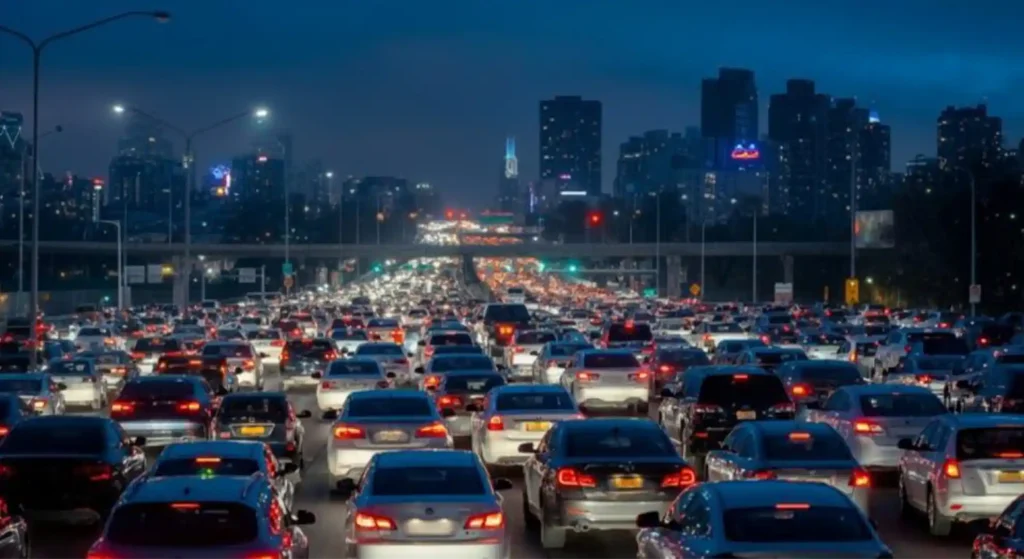
As summer holidays reduce traffic across the UAE, commuters are experiencing shorter travel times, prompting questions about whether these smoother road conditions can be sustained throughout the year.
UAE’s Summer Traffic Slowdown: Could Smoother Roads Become the New Normal?
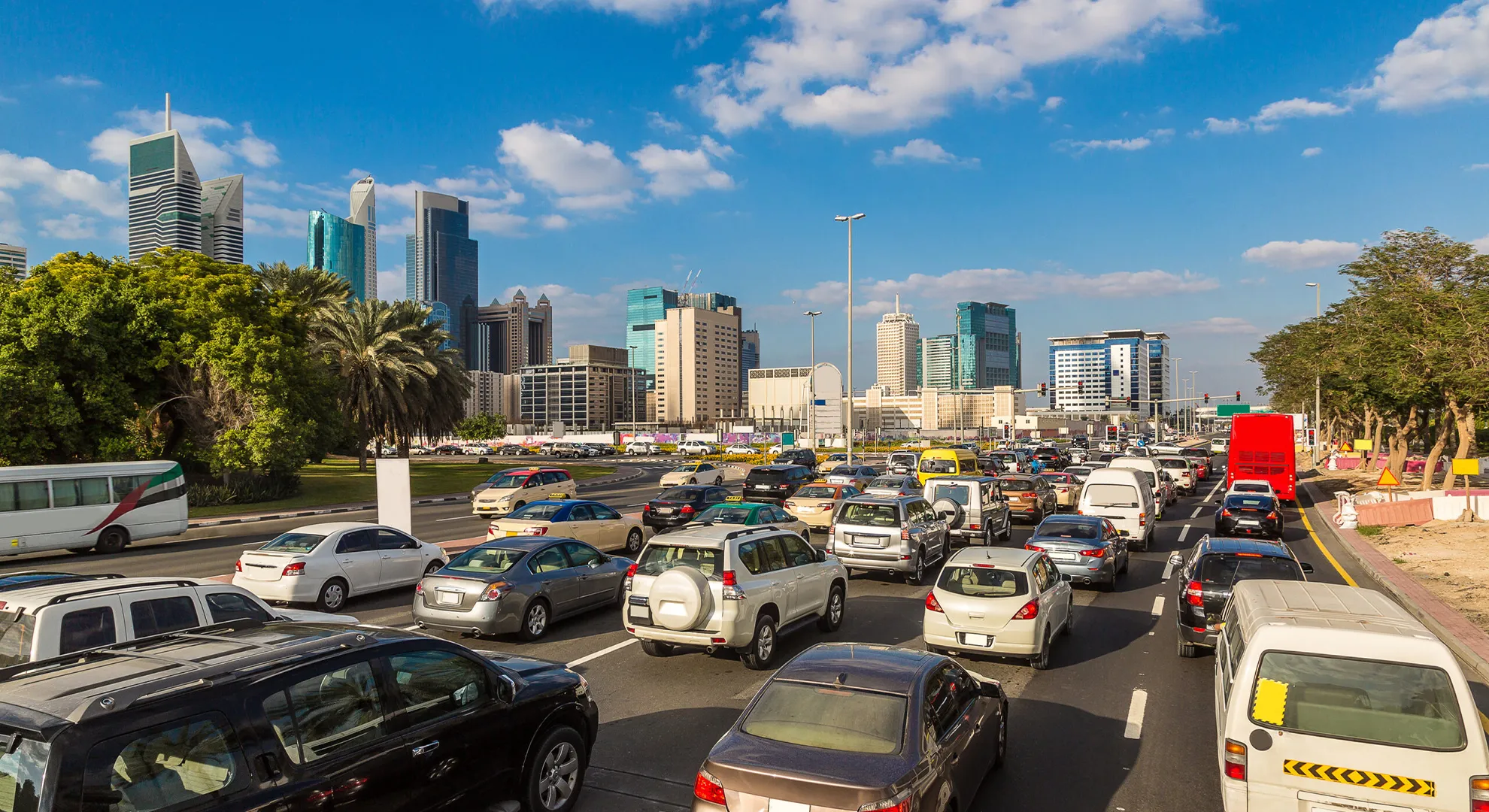
According to transport experts, the UAE could enjoy lighter traffic throughout the year by encouraging flexible work schedules and increasing the use of school buses, similar to the calmer roads seen during school holidays.
Experts Say Smarter Commuting Could Help Keep UAE Roads Less Congested Beyond the Summer Break
The noticeable drop in traffic across the UAE during the annual school holidays has once again highlighted how significantly daily commuting patterns influence congestion on the country’s roads. While quieter streets are a familiar feature of the summer vacation, transport specialists believe that some of these benefits do not have to disappear once schools reopen. They say a combination of flexible workplace policies, improved public transport habits and greater use of school buses could help maintain smoother traffic conditions throughout much of the year.
Every summer, thousands of families pause their daily school runs as educational institutions close for the holidays. At the same time, many residents travel overseas, while others take annual leave, reducing the number of vehicles on major roads during peak hours. The result is a noticeable improvement in commuting times, particularly during the busy morning and evening periods when traffic is usually at its heaviest.
However, experts argue that the reduction in congestion is not simply the result of fewer cars on the road. Instead, they believe that the way travel demand is distributed throughout the day plays an equally important role. If journeys are spread across a wider time frame rather than concentrated within a narrow morning rush, the existing road network can function much more efficiently.
Industry professionals suggest that relatively simple changes could make a meaningful difference. Flexible office schedules, staggered shift timings, hybrid work arrangements, carpooling initiatives and increased reliance on school bus services are among the measures they believe could ease pressure on roads without requiring major infrastructure projects.
Steve Burnell, Chief Executive Officer of STS Group, the UAE’s largest private school bus operator, said the summer period offers a useful example of how travel behaviour affects congestion levels.
According to Burnell, road conditions improve noticeably every year when schools close, making morning commutes faster and more predictable for many motorists. Although reduced travel during the holidays naturally contributes to lighter traffic, he believes the experience also demonstrates that congestion is heavily influenced by when people travel rather than only by the total number of vehicles using the roads.
He explained that if employers, schools and transport authorities worked together to spread commuting times more evenly, roads could carry traffic more efficiently during peak periods. Instead of having large numbers of people travelling within the same short window every morning and evening, journeys could be distributed across a longer period, reducing bottlenecks at key intersections and highways.
Burnell also highlighted the important role school buses can play in reducing traffic. Every bus transporting dozens of students removes multiple private vehicles from the road, helping decrease congestion around schools and on surrounding routes. Encouraging more families to use dedicated school transport could therefore produce long-term benefits for the wider road network.
In addition to school transport, experts believe workplace flexibility has become an increasingly valuable traffic management tool. Since the widespread adoption of hybrid working arrangements in recent years, many organisations have demonstrated that allowing employees greater flexibility over where and when they work can benefit both productivity and commuting conditions.
Rather than requiring every employee to begin work at exactly the same time, businesses could introduce staggered starting hours that allow staff to arrive over a broader period. Such arrangements reduce the concentration of vehicles entering business districts simultaneously and can help smooth traffic flow during the busiest parts of the day.
Hybrid working models could also continue contributing to lower congestion. Even allowing employees to work remotely for a limited number of days each month can reduce the total number of commuter journeys, particularly in densely populated business areas.
Carpooling is another measure frequently recommended by transport planners. Sharing journeys among colleagues or neighbours travelling in the same direction reduces the number of vehicles on the road while also lowering fuel costs and vehicle emissions. Although carpooling requires coordination among participants, experts say digital platforms and employer-supported initiatives have made it easier than ever to organise shared transportation.
The discussion has gained renewed attention this summer as residents across the UAE have experienced noticeably shorter travel times. Motorists using routes that normally become congested during school terms have reported quicker commutes, particularly on roads serving educational institutions, business districts and major inter-emirate corridors.
Many drivers have observed that journeys requiring significant extra travel time during the academic year can often be completed much faster during school holidays. These seasonal improvements have prompted renewed debate about whether similar conditions could be achieved more consistently through policy changes rather than relying solely on seasonal reductions in travel.
Previous research conducted by Dubai government authorities has already examined several strategies aimed at improving traffic flow. One study indicated that introducing a flexible two-hour window for employees to begin work could significantly reduce congestion during the morning rush.
The findings suggested that combining staggered office timings with limited remote-working opportunities each month could cut peak travel times by as much as 30%. Such improvements would not only shorten commuting times but could also reduce fuel consumption and improve overall transport efficiency.
Additional studies have explored the impact of remote working on traffic volumes across some of Dubai’s busiest highways. Research indicated that if around one-fifth of employees worked remotely, traffic could decline by nearly 10% on Sheikh Zayed Road and by more than 8% on Al Khail Road during peak periods.
These findings illustrate how relatively modest changes in commuting behaviour can produce measurable improvements across major transport corridors. Rather than depending exclusively on road expansion projects, policymakers increasingly view demand management as an important complement to infrastructure investment.
Experts note that expanding highways remains necessary in many rapidly growing urban areas, but building additional roads alone cannot permanently eliminate congestion if travel demand continues rising. Managing when and how people travel can often deliver meaningful improvements at a lower cost while making better use of existing infrastructure.
Businesses may also benefit from more flexible commuting policies. Employees who avoid the most congested periods often experience less stressful journeys, improved punctuality and potentially higher productivity. Reduced commuting pressure may also contribute to better work-life balance, particularly for parents managing school schedules.
Environmental considerations further strengthen the case for smarter commuting practices. Fewer vehicles travelling during peak periods can reduce fuel consumption, greenhouse gas emissions and air pollution while improving overall traffic efficiency. Smoother traffic flow also decreases the amount of time vehicles spend idling, which contributes to lower emissions.
Transport specialists acknowledge that no single solution will eliminate congestion entirely. Instead, they advocate combining multiple approaches that collectively reduce pressure on the road network. Flexible working arrangements, increased school bus usage, improved public transport, carpooling and staggered schedules each address different aspects of travel demand and can reinforce one another when implemented together.
As the UAE’s cities continue to expand and their populations grow, experts believe long-term traffic management will increasingly depend on encouraging smarter travel choices alongside continued investment in transport infrastructure. The quieter roads experienced during the summer holidays offer a practical example of what is possible when peak-hour demand is reduced.
While traffic volumes are expected to rise again once schools reopen and residents return from vacation, specialists say the seasonal improvement provides valuable lessons for future transport planning. By adopting policies that spread travel demand more evenly throughout the day, the UAE could preserve at least some of the smoother commuting conditions that residents enjoy each summer, making everyday travel faster, more efficient and less stressful for motorists across the country.

Looking beyond schools
Road Safety Expert Highlights Role of Smarter Transport Choices in Reducing UAE Traffic Pressure
Thomas Edelmann, founder and Managing Director of RoadSafetyUAE, said that school-related travel is an important contributor to peak-hour congestion across the UAE, but it should not be considered the sole reason behind traffic delays. While school drop-off and pick-up periods add significant pressure to roads, especially during morning and afternoon rush hours, he noted that congestion is influenced by a combination of factors, including office commuting patterns, population growth, travel habits and the concentration of vehicles during specific times of the day.
According to Edelmann, blaming school traffic alone does not provide a complete picture of the challenges facing urban mobility. School journeys represent one part of a much broader transport ecosystem where multiple activities occur simultaneously. During weekday mornings, school trips often overlap with employee commutes, commercial vehicle movements and other essential travel, creating higher demand on the road network.
He explained that the effect of school-related traffic is likely to be more noticeable in neighbourhoods where several educational institutions are located close together. Areas with a large number of schools often experience heavier vehicle activity during opening and closing hours, as parents arrive to drop off or collect children within a relatively short period.
However, Edelmann pointed out that comprehensive comparisons measuring the exact contribution of school journeys to overall congestion were not immediately available. He suggested that further analysis and data collection could help authorities better understand how different sources of traffic interact and identify the most effective solutions.
While school traffic cannot be completely eliminated, Edelmann believes that better planning and changes in daily travel behaviour can help reduce pressure on roads. He said flexible working arrangements and more balanced commuting patterns could play a major role in maintaining the smoother traffic conditions often seen during school holiday periods.
One possible solution, he said, is encouraging companies to adopt more flexible office schedules. Allowing employees to begin and finish work at different times can reduce the number of vehicles travelling at the same hour, helping to spread traffic demand throughout the day.
Flexible start times could particularly benefit major business districts, where thousands of employees often arrive within the same limited morning window. By adjusting workplace schedules, organisations can help reduce sudden increases in traffic volumes and create a more consistent flow of vehicles on key routes.
Edelmann also highlighted the potential benefits of expanding work-from-home opportunities where suitable. Even a limited number of remote working days can reduce the number of daily journeys made by employees, easing pressure on roads during the busiest periods.
He stressed, however, that flexible working policies alone would not be enough to solve congestion challenges. A wider approach involving multiple transport solutions would be required to create lasting improvements.
One area he believes deserves greater attention is increasing the number of passengers travelling in each vehicle. Higher vehicle occupancy rates can significantly reduce the total number of cars using roads, particularly during peak commuting hours.
Edelmann encouraged the development of organised and legally approved car-pooling initiatives that allow employees, neighbours and communities to share journeys safely. When multiple people travelling along similar routes use one vehicle instead of several separate cars, the overall number of vehicles on the road decreases.
He said car-pooling could become a valuable part of the UAE’s wider mobility strategy, particularly as cities continue to grow and travel demand increases. Properly managed schemes could offer residents a convenient alternative while also reducing congestion, fuel consumption and environmental impact.
School transportation was another area highlighted by Edelmann as having significant potential. He pointed to the important role of dedicated school buses in reducing the number of private vehicles involved in daily student transportation.
According to a study by Dubai’s Roads and Transport Authority (RTA) cited by Edelmann, a single school bus has the potential to replace up to 50 private cars on the road. By transporting many students in one vehicle, school buses can dramatically reduce congestion around educational institutions and surrounding streets.
Beyond easing traffic, Edelmann said school buses provide additional benefits related to safety and sustainability. Professional drivers, regulated routes and organised pick-up systems can create a safer travel environment for students compared with large numbers of individual vehicles arriving at school entrances simultaneously.
He also noted that wider adoption of school buses could improve the daily experience for students and parents. Families may spend less time navigating crowded school zones, while children can benefit from a more structured and reliable transportation option.
From an environmental perspective, reducing the number of individual car journeys can help lower fuel consumption and emissions. Fewer vehicles making repeated school trips each day can contribute to cleaner air and more efficient use of road infrastructure.
To encourage greater use of school transport, Edelmann suggested that authorities explore additional support measures. These could include incentives, awareness campaigns or possible subsidies designed to make school buses more attractive and accessible for families.
He explained that cost is one of the factors influencing parents’ transportation choices, and financial support could encourage more households to switch from private car journeys to shared school transport options.
However, Edelmann emphasised that any long-term solution requires cooperation between government agencies, schools, employers, transport operators and residents. Traffic management is a shared responsibility, and meaningful improvements are more likely when different sectors work together.
He said the UAE has already demonstrated that changes in travel behaviour can produce noticeable improvements. The lighter traffic experienced during school holidays shows how reducing concentrated demand can improve road conditions without relying only on major infrastructure expansion.
The challenge moving forward is to replicate some of these benefits during regular working and school periods. Achieving this will require a combination of flexible employment practices, efficient school transport systems, responsible driving habits and policies that encourage smarter mobility choices.
Edelmann’s recommendations reflect a broader shift in transport planning, where managing demand is becoming just as important as expanding physical infrastructure. While new roads and upgrades remain essential for growing cities, experts increasingly recognise that changing how people travel can also deliver significant results.
By promoting shared transportation, improving school bus adoption and encouraging flexible work arrangements, the UAE can take practical steps towards reducing congestion and creating a more efficient transport network.
As urban populations continue to increase, experts believe that solutions focused on smarter commuting patterns will become increasingly important. The goal is not only to reduce travel times but also to improve road safety, sustainability and the overall quality of daily journeys for residents across the country.
School Transport and Flexible Work Policies Could Help Shape a Smarter Traffic Future in the UAE
Transport experts and industry leaders believe that school buses and more adaptable workplace arrangements could play a major role in reducing traffic congestion across the UAE. Rather than viewing school-related travel as a cause of road pressure, specialists say organised school transportation should be recognised as one of the most effective tools available to manage peak-hour movement.
Steve Burnell, Chief Executive Officer of STS Group, said private school buses should be considered part of the solution rather than part of the congestion challenge. He explained that traffic problems around educational institutions are not created only by the number of vehicles on the road but also by the way people choose to travel.
According to Burnell, the concentration of individual car journeys during school opening and closing times is one of the main reasons certain areas experience heavier congestion. When hundreds of parents drive their children separately to and from schools within the same short time period, roads around campuses can become overcrowded, creating delays for both residents and other commuters.
However, he said the UAE already has a well-developed and closely monitored school transport system that is capable of safely moving large numbers of students every day. With regulated operators, trained drivers and established safety standards, school buses provide a reliable alternative to individual family vehicles.
The main challenge, Burnell explained, is encouraging more families who have access to private transport options to consider using school bus services. While some parents choose to drive their children because of convenience or personal preference, shifting even a portion of those journeys to shared transportation could significantly reduce the number of vehicles travelling during peak periods.
He pointed out that every student who switches from a private car journey to a school bus represents one less vehicle contributing to morning and afternoon congestion. The benefits extend beyond traffic reduction, as fewer cars also mean lower emissions, improved air quality and safer environments around school entrances.
School zones often experience intense activity because many vehicles arrive and leave within a limited timeframe. By reducing the number of private cars entering these areas, school buses can help create calmer surroundings for students, parents and pedestrians.
Burnell added that increased school bus usage supports wider sustainability goals by reducing fuel consumption and unnecessary vehicle movements. A single bus carrying multiple students can replace a significant number of separate car trips, making it a more efficient use of road space.
Authorities have also been exploring new approaches to improve school transportation options and reduce the number of individual journeys. Earlier this year, Dubai launched a pilot programme focused on shared student transportation as part of wider efforts to improve mobility and reduce congestion.
The initiative, introduced by the Roads and Transport Authority (RTA) in partnership with Yango Group and Urban Express, tests the use of shared SUVs to transport students who live in nearby areas and attend schools located along similar routes.
The concept is designed to combine the convenience of private transportation with the efficiency of shared mobility. Instead of multiple families arranging separate trips, students travelling in the same neighbourhood or along similar corridors can share a single vehicle.
The trial aims to address several challenges at the same time, including reducing the number of cars on the road, lowering travel times, cutting transportation expenses for families and reducing carbon emissions.
If successful, the model could be expanded to additional residential communities or adapted for other shared transportation needs. Experts believe such solutions could complement traditional school buses by providing more flexible options for families whose requirements do not always match standard bus routes.
While transportation improvements can reduce congestion around schools, specialists say traffic management requires action beyond the education sector. Workplace commuting patterns also have a major influence on road conditions, particularly during weekday peak hours.
Mahesh Shahdadpuri, Group Chairman of TASC Outsourcing, said workplace flexibility has changed significantly in recent years. What was once viewed mainly as an employee benefit has increasingly become a strategic approach adopted by businesses seeking to improve productivity, employee satisfaction and operational efficiency.
He explained that advances in digital communication platforms, cloud-based systems and online collaboration tools have allowed many organisations to rethink traditional working models. For roles that do not require employees to be physically present throughout fixed hours, flexible schedules can provide advantages for both companies and workers.
According to Shahdadpuri, introducing a two-hour flexibility window for employees to begin their working day could be a realistic option for many office-based organisations. Allowing employees to arrive earlier or later within an agreed timeframe can help reduce the number of commuters travelling at exactly the same time.
Such an approach can spread traffic demand more evenly across the morning period. Instead of thousands of employees entering business districts simultaneously, vehicles would arrive gradually, reducing pressure on major roads and public transport networks.
He said flexible working arrangements have evolved into what he described as “structured flexibility”, where companies balance employee freedom with clear business expectations. Rather than allowing unlimited flexibility without direction, organisations establish guidelines that maintain teamwork, productivity and accountability.
Under this model, employees may have more control over when and where they work, while employers continue to set expectations around deadlines, communication and performance standards.
Shahdadpuri noted that many companies have already invested heavily in digital infrastructure and management systems that support flexible work. These investments have made it easier for teams to collaborate remotely while maintaining operational efficiency.
However, he stressed that flexibility cannot be implemented through a one-size-fits-all approach. Different industries, departments and job roles have different requirements, meaning companies must design policies that match their specific operational needs.
For flexible working models to succeed, businesses need clear frameworks, effective communication channels and measurable performance indicators. Employees also need to understand expectations regarding availability, teamwork and responsibility.
He said successful flexible working depends on mutual trust between employers and employees. Companies must focus on outcomes rather than simply monitoring physical presence, while employees must demonstrate reliability and maintain productivity regardless of their location or schedule.
Experts believe combining workplace flexibility with improved school transportation could create a significant impact on daily traffic patterns. While neither solution alone can completely eliminate congestion, together they can reduce the concentration of vehicles during the busiest periods.
The UAE’s experience during school holidays demonstrates how changes in travel behaviour can influence road conditions. When fewer people travel at the same time, congestion decreases and journeys become smoother. The challenge is finding ways to maintain some of those benefits even when schools and businesses return to normal schedules.
Transport specialists say the future of mobility will depend not only on expanding road infrastructure but also on encouraging smarter travel choices. Shared transport, flexible working arrangements and better coordination between communities, schools and employers can all contribute to a more balanced transport system.
As cities continue to grow and commuting demands increase, solutions that improve efficiency without requiring constant expansion of road networks will become increasingly important. By making better use of existing resources and changing everyday travel habits, the UAE can continue working towards safer, cleaner and more efficient roads.
The growing focus on school transport innovation and workplace flexibility reflects a broader shift in how congestion is managed. Instead of relying only on additional lanes or major construction projects, authorities and businesses are increasingly exploring ways to reduce unnecessary trips and distribute travel demand more effectively.
With continued cooperation between government agencies, schools, transport providers and employers, experts believe the UAE can build a commuting environment where smoother journeys become a regular feature rather than a seasonal benefit.
Flexible Work Models Vary Across Industries
While flexible working arrangements have become more common, experts acknowledge that remote work is not suitable for every profession or business sector. Industries such as technology, financial services, consulting, professional services and many corporate roles often have greater scope to offer employees options such as hybrid schedules, flexible start times or remote working arrangements.
However, sectors that rely heavily on physical presence, including healthcare, manufacturing, hospitality, retail, logistics and customer service operations, face greater challenges in adopting fully remote models. Many roles within these industries require employees to be on-site to maintain daily operations and deliver services effectively.
Despite these limitations, businesses in these sectors can still explore alternative approaches, such as adjusting shift patterns, introducing flexible scheduling or creating more balanced work arrangements that support employees while maintaining service standards.
Employers often raise concerns about maintaining productivity, managing teams effectively, preserving workplace culture and ensuring consistent communication when introducing flexible policies. However, industry leaders say many of these challenges can be addressed through stronger planning, clear expectations and modern management practices.
Mahesh Shahdadpuri said organisations that establish measurable goals, strengthen leadership skills and provide employees with effective digital collaboration tools are increasingly discovering that workplace flexibility can support both employee satisfaction and strong business performance.