A growing interest in body contouring procedures that transform body sizes from XS to XL has been observed in the UAE, prompting medical professionals to caution residents about potential health risks.
Popularity of Body Contouring Trend Spanning XS to XL Sizes Increases in UAE, Doctors Advise Caution.
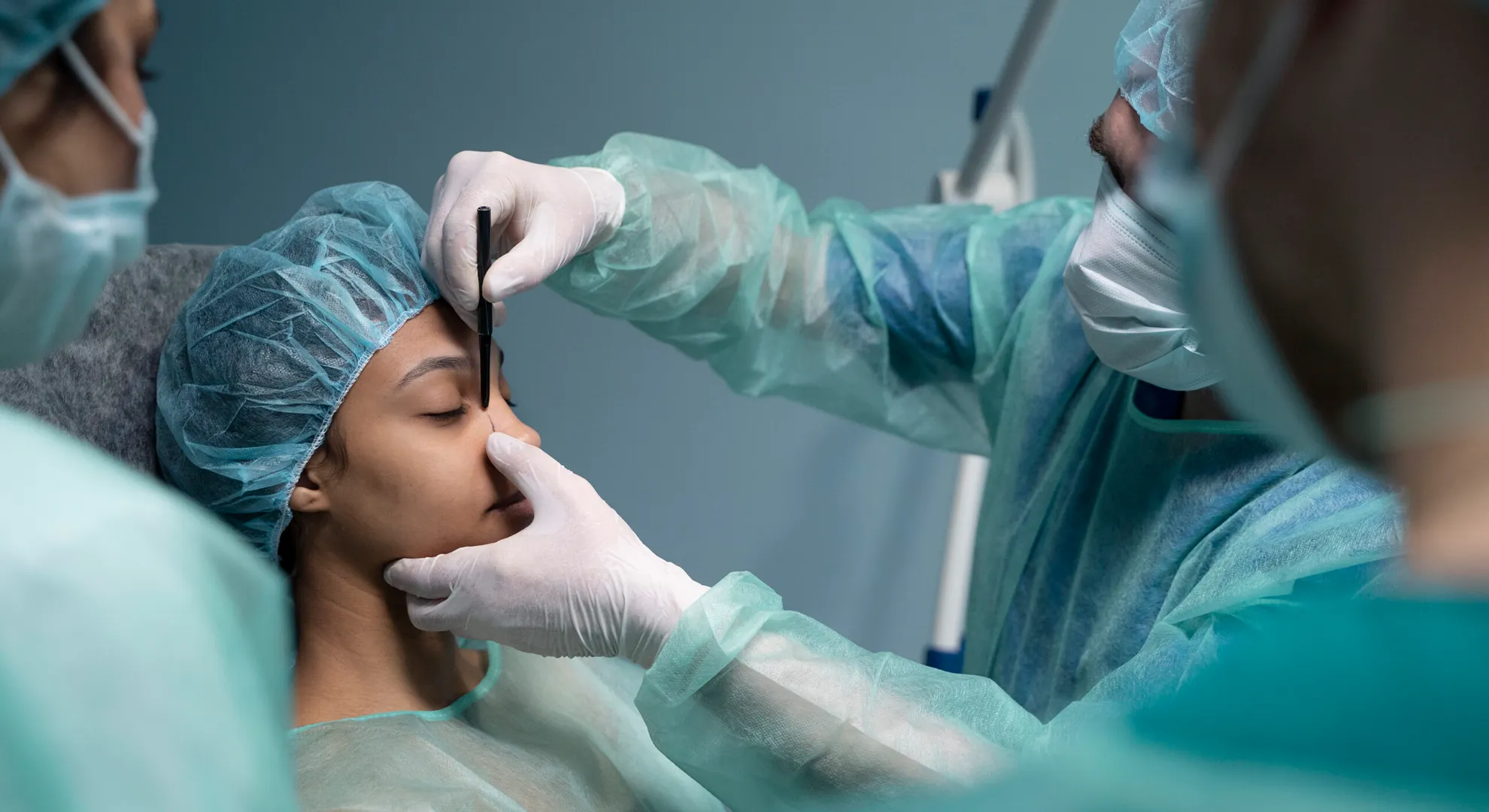
The trend focuses on achieving a very slim XS-sized waist while enhancing curves to an XL level in areas such as the chest, hips, and buttocks.
UAE Sees Growing Demand for Extreme Body Contouring Procedures Amid Social Media Influence
Plastic surgeons across the UAE are reporting a noticeable rise in interest in advanced body contouring procedures, with more patients requesting highly defined and often exaggerated body shapes. Medical professionals say this reflects a broader shift in beauty preferences that has been increasingly shaped by online platforms and influencer culture.
According to specialists in the field, many individuals are now seeking a body profile characterised by a very slim waistline combined with more pronounced curves in areas such as the chest, hips, and buttocks. This aesthetic, often promoted through social media imagery and celebrity-driven trends, is influencing how patients perceive ideal body proportions.
Doctors note that while body contouring procedures have long been part of cosmetic surgery offerings, the current demand is trending toward more extreme and highly sculpted results compared to earlier years. The emphasis is not just on subtle enhancement, but on achieving a sharply contrasted silhouette that aligns with viral beauty standards circulating online.
Surgeons also highlight that social media plays a significant role in shaping expectations. Filters, edited images, and influencer content frequently showcase highly stylised body types, which can create unrealistic benchmarks for some individuals considering cosmetic procedures. As a result, consultations increasingly involve discussions about achievable outcomes versus digitally enhanced appearances.
Alongside this shift in patient preferences, the cosmetic surgery industry in the UAE is experiencing strong financial and structural growth. Market projections indicate that the sector is expected to reach approximately US$1,855.9 million by 2033, reflecting sustained expansion over the coming decade.
Industry forecasts also suggest a compound annual growth rate of 9.8 per cent between 2026 and 2033. This growth rate points to increasing demand for aesthetic procedures, supported by factors such as rising disposable income, medical tourism, and greater social acceptance of cosmetic enhancements in the region.
Experts believe that the combination of technological advancements in surgical techniques and evolving beauty standards is contributing to the expansion of the market. Procedures that once required extensive recovery times are now becoming more refined, with improved safety profiles and shorter downtime in many cases.
However, medical professionals continue to urge caution, particularly when it comes to pursuing extreme or highly modified body shapes. Surgeons emphasise the importance of realistic expectations and thorough medical consultation before undergoing any procedure.
They stress that while cosmetic surgery can enhance appearance and boost confidence, it also carries inherent risks, especially when patients request highly dramatic changes. Individual anatomy, health conditions, and surgical limitations all play a role in determining what outcomes are safely achievable.
Overall, the trend reflects a complex intersection between digital culture, personal aesthetics, and medical practice. As demand continues to grow in the UAE’s cosmetic surgery sector, doctors say the focus remains on balancing patient desires with safe and medically appropriate outcomes.
The rise of the ‘XS-XL’ aesthetic
Surgeons Describe Shift Toward Highly Engineered Body Aesthetics in UAE Clinics
Medical consultants in the UAE say they are observing a clear transformation in the type of body shapes patients are now requesting through cosmetic procedures. According to specialists, there has been a noticeable move away from subtle enhancements toward more defined and highly sculpted physical outcomes.
Plastic surgery experts explain that patient preferences today are significantly different from what they were a few years ago. In the past, many individuals tended to request minor refinements that would enhance their appearance while still maintaining a natural overall look. The focus was often on gentle adjustments rather than dramatic transformation.
However, doctors now report that a growing number of patients are asking for far more pronounced changes. This shift has led to what some describe as a highly engineered body aesthetic, where multiple procedures are combined to achieve a sharply contoured silhouette.
Explaining the trend, consultant plastic surgeon Dr Biraj Naithani of NMC Specialty Hospital in Abu Dhabi noted that expectations have evolved considerably over the past decade. She said that earlier patients typically preferred understated improvements, but current requests increasingly lean toward more extreme reshaping of body proportions.
She described the so-called “XS–XL” aesthetic as one of the most prominent examples of this new demand. In medical terms, it refers to a deliberately exaggerated body structure in which a very slim waist is paired with significantly enhanced curves in other areas of the body.
This look is often associated with a dramatic hourglass shape, where the contrast between the waist and surrounding body areas is intentionally maximised. Achieving such results, she explained, is not the outcome of a single procedure but rather a combination of multiple surgical interventions carried out in stages or together.
Among the techniques commonly involved are extensive 360-degree liposuction to remove fat around the midsection, fat transfer procedures such as Brazilian Butt Lifts to enhance volume in the lower body, and breast augmentation surgeries to increase upper body proportions. When combined, these procedures are designed to create a highly sculpted and visually striking figure.
Dr Naithani emphasised that this type of transformation requires careful planning and medical assessment, as it involves multiple complex surgical steps. Each procedure carries its own considerations, and the overall result depends heavily on individual anatomy and clinical suitability.
She also pointed out that external influences play a significant role in shaping these evolving beauty standards. According to her observations, Dubai’s unique environment contributes to rising demand for such procedures, particularly due to its luxury-driven lifestyle and its status as a major hub for international medical tourism.
In such an environment, exposure to global trends, social media aesthetics, and high visibility lifestyle culture can all influence how individuals perceive ideal body shapes. As a result, clinics are seeing patients who arrive with highly specific and often ambitious expectations regarding body contouring outcomes.
Medical professionals, however, continue to stress the importance of realistic goals and thorough consultations before undergoing any cosmetic procedure. They highlight that while advanced surgical techniques can produce significant changes, patient safety and long-term health remain the primary priorities.
Overall, surgeons say the trend reflects a broader shift in cosmetic medicine, where patient demand is increasingly shaped by global digital culture and evolving beauty ideals, leading to more complex and highly customised surgical approaches.
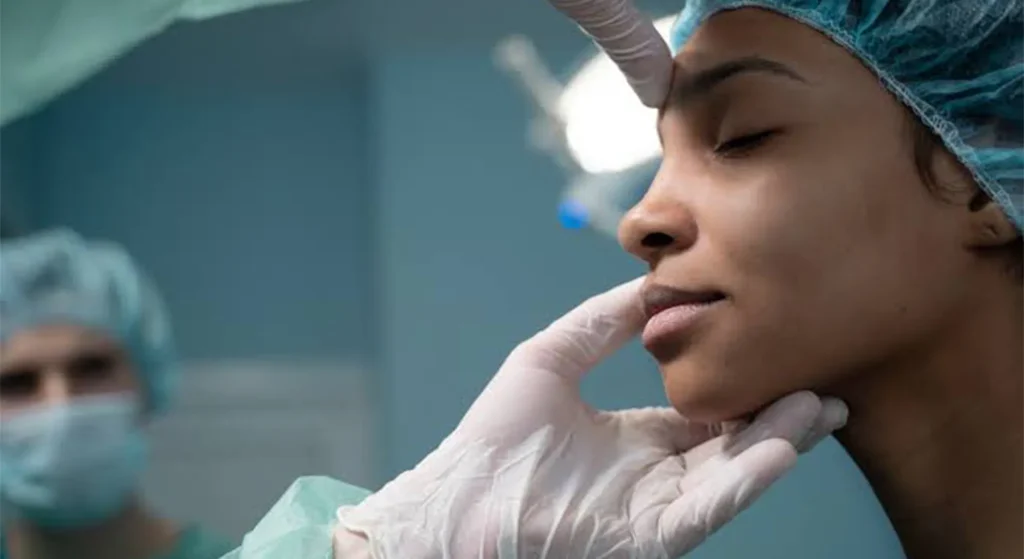
Social media filters and rising surgical risks
Doctors Warn Social Media Beauty Trends Are Shaping Unrealistic Surgical Expectations
Medical specialists in the UAE say digital platforms are playing an increasingly powerful role in shaping how patients perceive cosmetic surgery results. According to clinicians, heavily edited images and curated online visuals are influencing expectations in ways that are often disconnected from what can safely or realistically be achieved through surgical procedures.
Doctors explain that many images circulating on social media are enhanced using filters, professional lighting, altered angles, and digital editing tools. As a result, the appearance seen online may not reflect natural human proportions or outcomes that can be replicated in real life through medical procedures.
Specialists note that this creates a growing gap between patient expectations and surgical reality. One of the key challenges they face is managing the belief that more dramatic physical changes automatically lead to better aesthetic results, as well as the expectation that transformations should occur quickly or in a single stage.
According to consultant plastic surgeon Dr Shehzadi Kohli of Tajmeel Clinic in Dubai, much of the current work in consultations now involves education and expectation management. She explained that patients often arrive influenced by digitally enhanced images that do not represent real anatomical outcomes.
She highlighted that part of the surgeon’s responsibility is to clarify what is medically achievable and safe for each individual. This includes explaining that extreme body proportions may carry higher surgical risks and may not age well over time. In contrast, more proportionate results that align with a patient’s natural frame tend to produce more stable and lasting outcomes.
Dr Kohli emphasised that responsible medical practice sometimes involves advising against certain procedures or refusing requests when they are not suitable or safe. She described this as an essential part of patient care rather than a negative outcome, stressing that prioritising safety is always the primary obligation of a surgeon.
She also observed a growing trend among some patients requesting extensive body changes within a single surgical session. This approach, she noted, is increasingly linked with cases where individuals later seek corrective or revision procedures after being dissatisfied with overly extreme results.
In response to these trends, surgeons are seeing a rise in revision consultations, where patients aim to adjust or reverse earlier cosmetic work. This has further reinforced the importance of cautious planning and realistic goal-setting before any procedure is undertaken.
Another specialist, Dr Adel Quttainah, consultant plastic surgeon at Quttainah Specialised Hospital, said that the so-called “XS–XL” aesthetic has gained popularity among individuals seeking more noticeable body transformations. He explained that this look is typically achieved through a combination of advanced liposuction techniques and fat transfer procedures designed to enhance body contours.
However, Dr Quttainah stressed that successful outcomes depend on aligning patient desires with medically appropriate and proportionate results. He noted that an experienced surgeon’s role is to guide patients through realistic options that suit their body structure rather than simply attempting to replicate trending appearances.
He added that while aesthetic trends may change over time, the human body remains permanent, making long-term satisfaction a key consideration in any cosmetic decision. In his view, more balanced and natural-looking results often provide greater satisfaction over the years compared to extreme transformations influenced by short-lived trends.
He further advised patients to prioritise safety by choosing board-certified surgeons and accredited medical facilities, underscoring that proper regulation and expertise are essential to reducing risks and ensuring positive outcomes.
Both specialists agree that patient wellbeing must remain central to cosmetic decision-making, particularly as social media continues to shape evolving beauty ideals and expectations around surgical enhancement.