An Indian photojournalist has documented Lionel Messi’s emotional farewell to the World Cup, capturing powerful moments from the football legend’s final appearance on the tournament stage with striking visual storytelling.
Lionel Messi’s World Cup Goodbye Captured by an Indian Photojournalist.
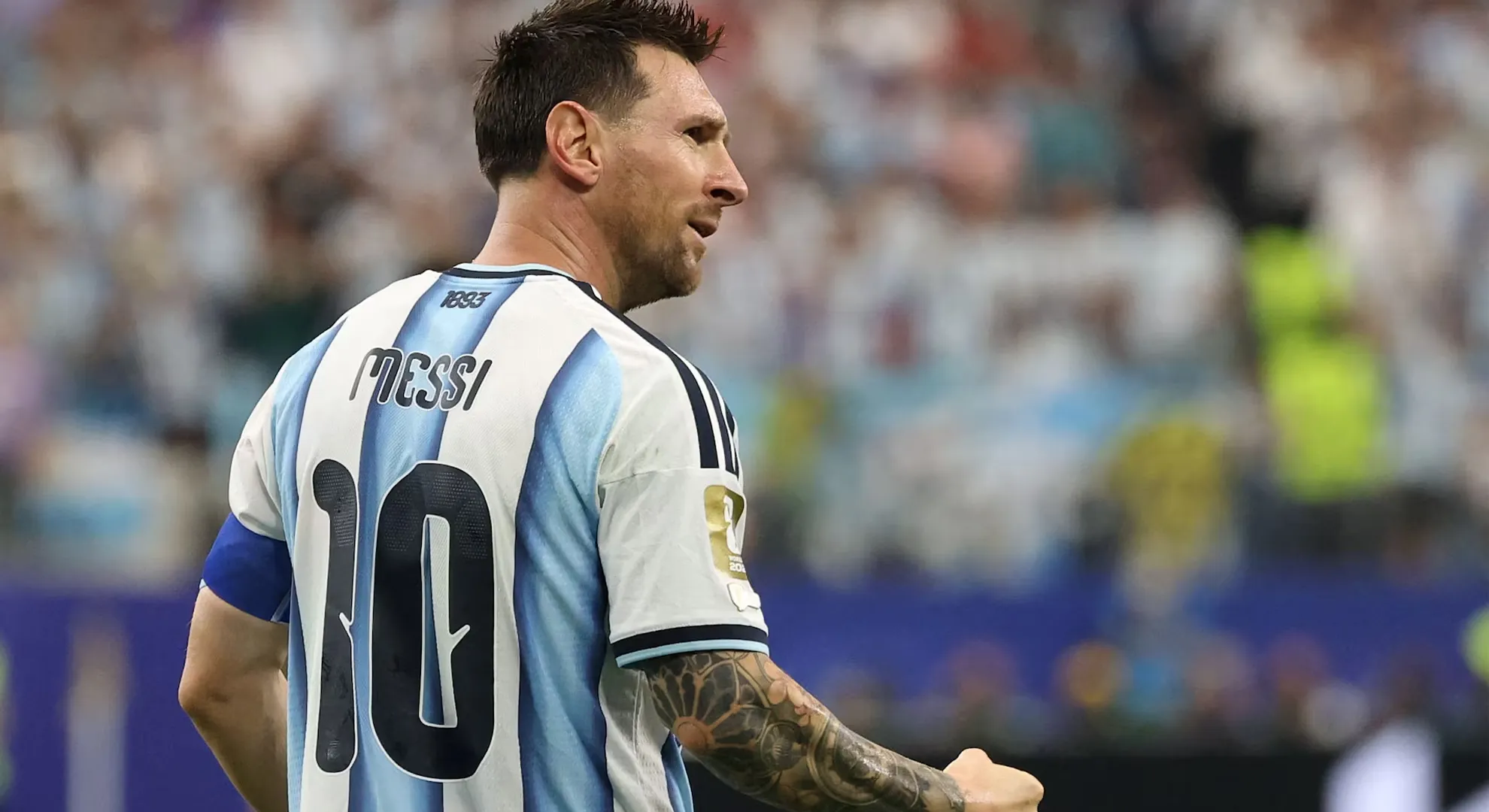
From Qatar’s Drama to American Appreciation: Gitika Talukdar Documents Messi’s Final World Cup Journey
Gitika Talukdar on Capturing Messi’s Emotional World Cup Farewell in the United States
Indian photojournalist Gitika Talukdar, who is among the few women from India accredited for coverage of the 2026 FIFA World Cup, describes herself as fortunate to witness what she calls one of the most emotionally charged phases of Lionel Messi’s international journey.
Based in Seoul and working in sports photography, Talukdar says the current World Cup in the United States has offered her an entirely different atmosphere compared to previous tournaments she has covered. For her, documenting Messi’s final appearances on football’s biggest stage has been both a professional milestone and a deeply emotional experience.
In a conversation with INSIDER 18, she reflected on how Argentina’s matches in the United States are being experienced by fans and how that compares with the historic scenes she witnessed during the 2022 World Cup in Qatar.
She explained that while both tournaments have seen strong Argentine support, the emotional tone surrounding them is noticeably different. In Qatar, she recalls an atmosphere filled with urgency and expectation. Fans dressed in Argentina’s blue and white filled stadiums in large numbers, creating a continuous wave of songs and chants that lasted throughout every match.
At that time, many supporters believed they were witnessing the final chapter of Lionel Messi’s World Cup journey. That belief created a powerful sense of pressure and anticipation. Every match carried the weight of possibility, and every moment on the pitch felt significant. Goals were celebrated with intense relief, and victories often brought visible emotion from players and fans alike, as if everyone understood the stakes involved.
According to Talukdar, that version of the World Cup in Qatar felt like a collective mission for Argentina’s supporters. There was a strong sense that the entire campaign was about one ultimate objective, and the emotional intensity reflected that mindset from the stands to the pitch.
In contrast, she says the atmosphere in the United States feels lighter, more celebratory, and less burdened by expectation. Argentina fans continue to show strong support, travelling from different parts of North America to follow the team, but the emotional tone has evolved. Many local fans who have grown closer to Messi through his club football journey in the United States have also joined the celebrations.
As a result, stadiums have turned into spaces of festivity rather than tension. Matches are still passionate and energetic, but the feeling is less about anxiety over outcomes and more about appreciation for Messi’s career and legacy. According to Talukdar, each game now feels like a tribute to the player rather than a desperate search for a historic victory.
She emphasises that it would not be accurate to compare the two atmospheres in terms of scale or emotional depth. For her, Qatar represented a peak of sporting tension, where every moment felt decisive and emotionally charged. The United States, however, offers something different—an environment shaped more by gratitude than by pressure.
In Qatar, she observed fans reacting to every pass and every shot as if it could define history. The emotional investment was constant and intense, with supporters fully immersed in the belief that they might be witnessing Messi’s final opportunity to achieve World Cup glory. That sense of urgency created unforgettable scenes inside stadiums.
In the United States, she sees a shift in perspective. While excitement remains high, it is balanced by admiration for what Messi has already accomplished in his career. Fans are no longer just hoping for an ending; they are also celebrating a legacy that has already been built over many years.
Talukdar notes that this change in atmosphere has also influenced how matches feel from a photographer’s perspective. Instead of capturing moments dominated by tension, she now often documents scenes filled with joy, appreciation, and shared celebration among supporters from different backgrounds.
She describes the current World Cup experience as unique in its own way. Rather than the pressure-filled environment of a final chase, it feels like a global appreciation of a football icon. Each match becomes a reminder of Messi’s journey, achievements, and influence on the sport.
For Talukdar, being present in these moments as a photojournalist is deeply meaningful. She considers it a rare opportunity to document not just a tournament, but a transition in how fans relate to one of football’s greatest players. From high-stakes emotion in Qatar to celebratory admiration in the United States, she sees two very different but equally powerful narratives.
Ultimately, she believes both experiences are incomparable in their own right. One represents the emotional peak of competition, while the other reflects recognition and gratitude. Together, they form a broader story of Messi’s impact on the World Cup stage and the global football community.
Gitika Talukdar on Photographing Messi: Emotion Beyond the Game
For sports photojournalist Gitika Talukdar, covering Lionel Messi is not just another assignment—it is one of the most meaningful experiences of her professional journey. She describes it as a rare opportunity to document not only a legendary footballer in action, but also the deep emotional connection he shares with millions of fans around the world.
While moments such as goals, assists, and match-winning performances naturally draw attention, Talukdar believes the true essence of her work often lies away from the ball. In her view, the most powerful images are found in the stands, in the reactions of supporters, and in the collective energy that surrounds Messi every time he steps onto the pitch. Football, she explains, is ultimately about people, and Messi’s presence amplifies that human connection on a global scale.
Reflecting on her coverage of the 2022 FIFA World Cup in Qatar, she recalls it as an especially historic and emotionally intense experience. At that time, Argentina’s matches carried an overwhelming sense of significance for fans. Many supporters arrived at stadiums already emotional, fully aware that they might be witnessing the final stage of Messi’s World Cup journey.
She remembers scenes where fans were visibly moved even before kick-off, with emotions running high during national anthems and continuing throughout the matches. Victories were celebrated with strangers, as if the entire stadium shared a single purpose and identity. Every goal felt monumental, not just for the scoreline but for what it symbolised in Messi’s long pursuit of football’s biggest prize.
For Talukdar, capturing those moments went beyond technical photography. Each frame told a story of hope, belief, and collective anticipation. She describes it as a period where every match felt like it could become part of football history, and every reaction from the crowd carried emotional weight.
According to her, that environment in Qatar made photography both challenging and deeply rewarding. The intensity in the stadiums meant that emotions shifted quickly—from anxiety to relief, from silence to celebration—and being able to document those transitions required constant attention and sensitivity.
Now, as she continues covering Messi in a different stage of his career, she observes a noticeable change in the atmosphere. With the World Cup already won in 2022, the emotional tone around Messi has evolved. Instead of urgency or uncertainty, there is a sense of appreciation that dominates the stands.
Fans still arrive in large numbers wearing Argentina’s iconic blue and white, and Messi’s No. 10 jersey remains one of the most visible symbols in the stadium. However, the energy surrounding his matches is now shaped more by admiration than by tension. Supporters are no longer holding their breath for a dream to be fulfilled—they are celebrating what has already been achieved.
Talukdar notes that this shift changes the nature of the moments she captures. Standing ovations last longer, banners are more reflective in tone, and fan reactions often express gratitude rather than desperation. There is a sense that audiences are acknowledging greatness in real time rather than waiting for a defining outcome.
From her perspective as a photographer, this evolution adds a new layer to storytelling. While Qatar was defined by emotional intensity and high stakes, the current atmosphere highlights legacy, respect, and global admiration. Both settings offer powerful narratives, but they express very different sides of the football experience.
She emphasizes that Messi’s influence is what ties these two eras together. Whether in moments of pressure or celebration, his presence continues to shape how fans react and how stories unfold in the stadium. For Talukdar, documenting this journey means capturing not just a player’s career, but the evolving relationship between an athlete and his global audience.
Ultimately, she believes that covering Messi is less about isolated highlights and more about observing a living emotional narrative. Each match adds another layer to a story that extends far beyond football itself—one defined by shared memories, collective emotion, and a legacy that continues to grow with every appearance.
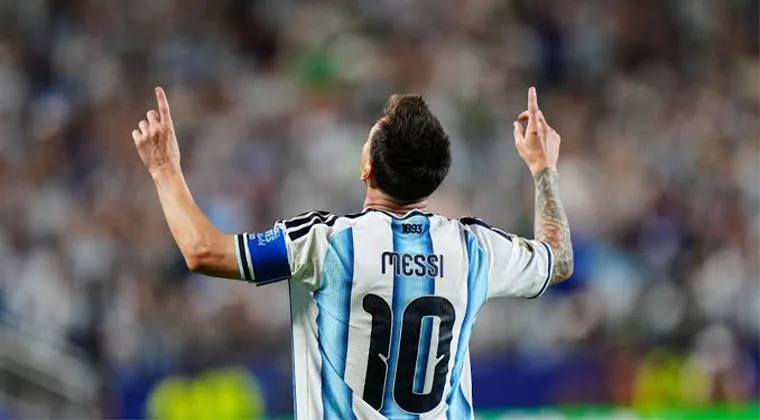
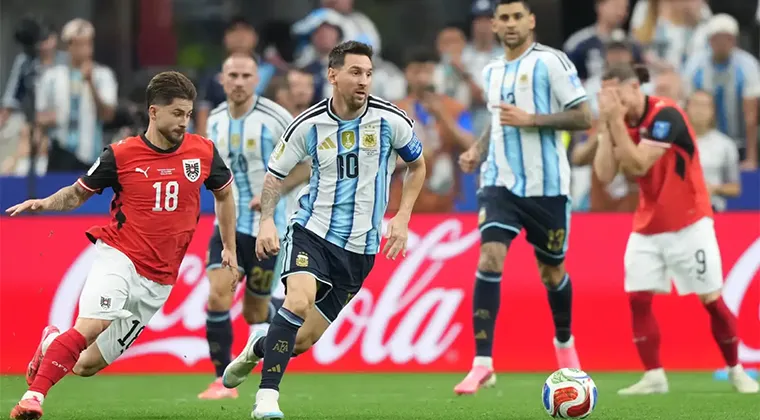
As a photographer, the images that remain most vivid in my memory are rarely the on-field goals or technical brilliance alone. Instead, it is the human side of the game that leaves a lasting impression—the tearful faces of fans, the spontaneous smiles, and the emotional celebrations shared among strangers in the stands. These reactions often tell a deeper story than what happens on the pitch.
In many ways, they reflect what football truly represents. It is not only about competition or results, but also about the memories it creates and the emotions it brings out in people from all walks of life. Every match becomes a shared experience, where joy, disappointment, hope, and pride come together in a single moment. For me, these scenes are a reminder that the heart of football lies in its ability to connect people through collective feeling, not just through the game itself.
In many respects, that feeling is very real among supporters. Even though Lionel Messi has not formally confirmed whether this tournament will be his final World Cup appearance, the mood surrounding Argentina’s matches suggests that fans are already approaching each game with a sense of appreciation for the moments they are witnessing.
Across stadiums, there is a growing awareness that opportunities to see him represent Argentina are limited, and that adds a special emotional weight to every match. Supporters treat each appearance almost like a significant event rather than just another fixture, knowing that they are possibly watching the final stages of an extraordinary international career.
At the same time, Messi himself continues to remain focused on the present and avoids making definitive statements about what comes next. His approach keeps the attention on the game, but it does not reduce the emotion felt in the stands.
What stands out most is how fans have responded. Rather than tension or expectation, there is a sense of gratitude and celebration. Each time he steps onto the field, it feels like a shared recognition of his long-standing contribution to football, and an appreciation of the moments still to come.
In that way, the atmosphere has shifted from anticipation of achievement to reflection on legacy, with every match carrying its own emotional significance for those watching.