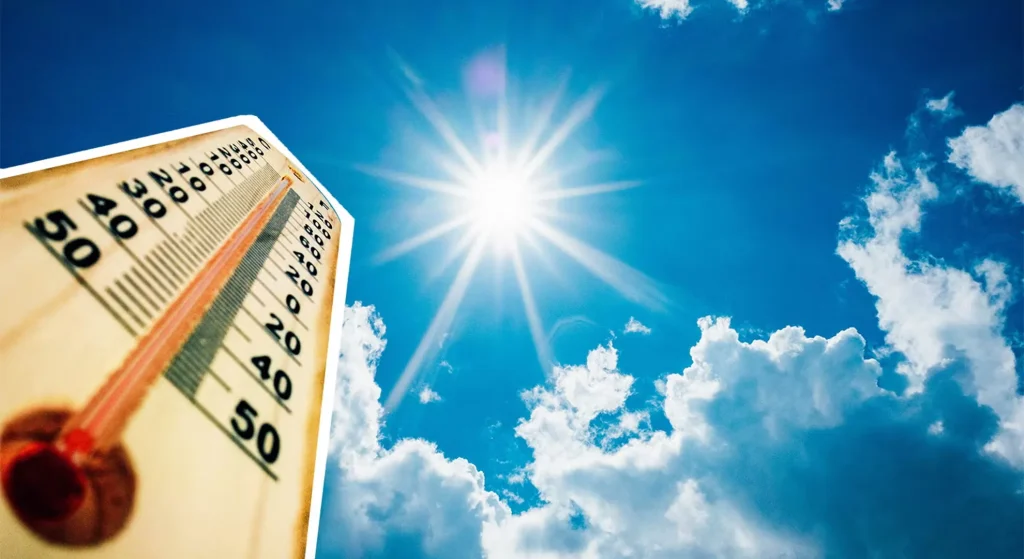
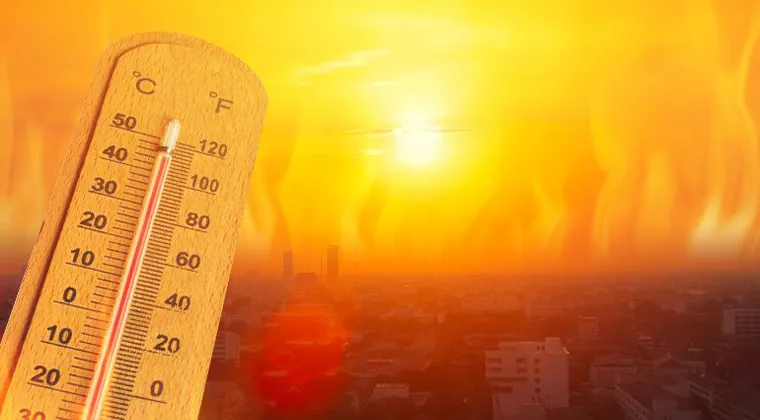
From July 3, the UAE will experience its most intense summer phase, with very high temperatures forecast to continue for approximately 40 days during the peak heat period across the country.
UAE set to enter peak summer heat from July 3, with extreme temperatures expected to persist for around 40 days.
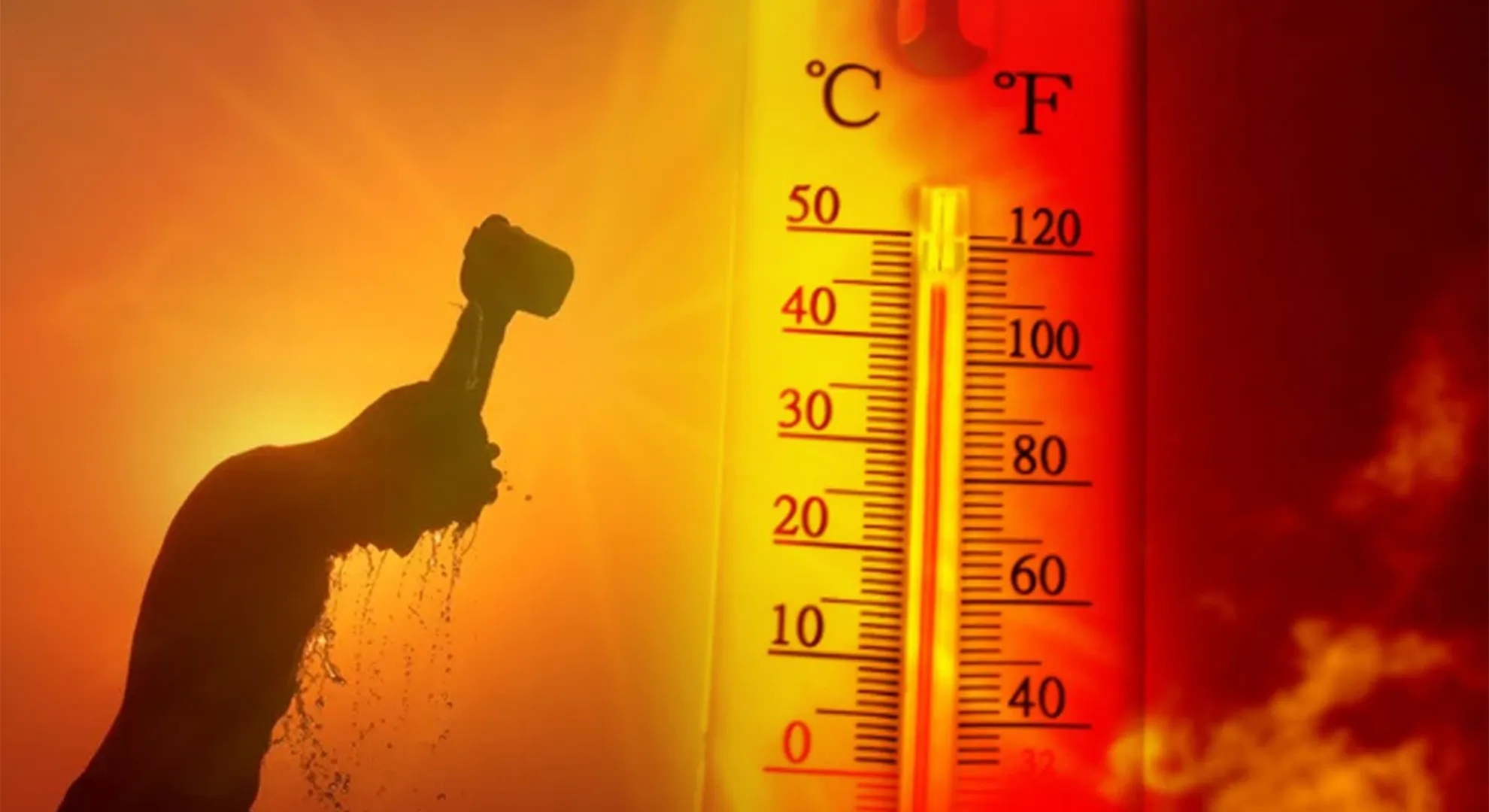
The period known as “Jamrat Al Qayth” is marked by intense scorching temperatures, very dry weather, and frequent hot desert winds called “samoom” that sweep across the region.
The United Arab Emirates is set to enter its most intense phase of summer heat, known locally as “Jamrat Al Qayth,” a period widely regarded as the hottest and driest stretch of the year across the UAE and much of the Arabian Peninsula. According to information shared by the Emirates Astronomical Society, this seasonal phase is expected to begin on July 3 and continue until August 10, lasting approximately 40 days. This time frame is traditionally associated with the height of summer conditions, when temperatures reach their peak and humidity levels drop significantly in many inland regions.
The term “Jamrat Al Qayth” refers to the most severe portion of the summer season, when climatic conditions become especially harsh due to a combination of extreme heat, dry air, and the presence of hot desert winds. This period is deeply rooted in traditional Arabian seasonal knowledge and has long been used to describe the hottest segment of the year before the gradual transition toward slightly milder conditions later in the season.
Experts from the Emirates Astronomical Society explain that the onset of this phase is linked to specific astronomical observations. It begins when the first stars of the Gemini constellation appear on the eastern horizon shortly before sunrise. This celestial marker has historically been used in the region as a natural indicator of seasonal change, helping communities track shifts in weather patterns long before modern meteorological systems were introduced.
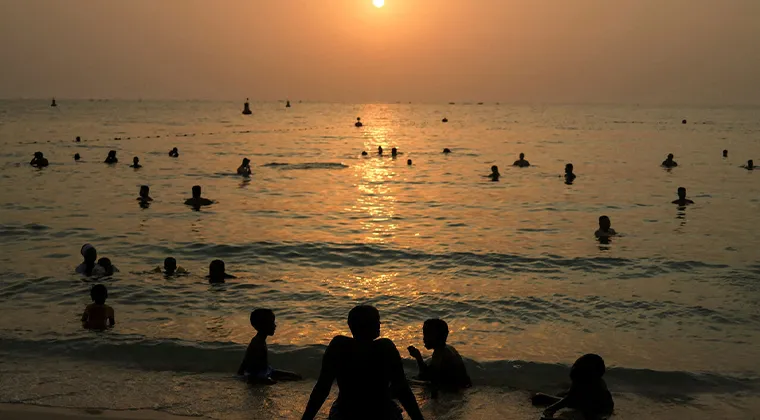
During this 40-day period, weather conditions across the country are expected to become particularly intense. Coastal areas of the UAE typically experience daytime temperatures ranging between 41°C and 43°C. While coastal regions may benefit slightly from sea breezes, the high humidity levels can make the heat feel even more oppressive, increasing discomfort for outdoor activities.
In inland and desert regions, conditions are expected to be even more extreme. Temperatures in these areas often rise above 45°C and may reach 46°C on a regular basis during peak afternoons. In certain heatwave events, temperatures in remote desert locations and interior zones can climb beyond 50°C, creating some of the harshest environmental conditions experienced in the region throughout the year.
These extreme temperature levels are a defining characteristic of the summer peak and are typically accompanied by very low moisture levels in the air. The combination of intense heat and dryness can lead to challenging conditions for residents, particularly those engaged in outdoor work or travel during daytime hours.
The Emirates Astronomical Society notes that the “Jamrat Al Qayth” phase represents the culmination of the traditional summer cycle. It is considered the most severe and climatically demanding part of the year before the gradual transition toward slightly less extreme conditions in the later summer and early autumn months.
Historically, this period has been associated with not only high temperatures but also a noticeable reduction in rainfall and an increase in dry desert winds. These winds, often hot and persistent, contribute further to the overall arid environment experienced during this phase. In many cases, they intensify the feeling of heat and reduce natural cooling effects, especially in open desert landscapes.
One of the notable meteorological features during this time is the frequent occurrence of “samoom” winds. These are hot, dry desert winds that originate from inland regions and can sweep across large areas of the Arabian Peninsula. The samoom winds are known for their intensity and dryness, often carrying dust and sand particles that reduce visibility and increase discomfort for those outdoors.
Such wind patterns, combined with prolonged high temperatures, contribute to the overall severity of the season. They also play a role in shaping traditional understanding of summer weather in the region, as communities have historically adapted their daily routines around these environmental conditions.
The duration of the “Jamrat Al Qayth” phase—approximately 40 days—marks what is considered the peak of summer heat intensity. According to meteorological interpretations shared by regional experts, this is the time when solar radiation is at its strongest, and ground temperatures can become significantly higher than air temperatures, especially in urban and desert environments.
In cities, infrastructure such as roads, buildings, and other constructed surfaces tend to absorb and retain heat during the day, contributing to elevated nighttime temperatures as well. This phenomenon can result in reduced cooling after sunset, making evenings warmer than usual compared to other times of the year.
In rural and desert areas, the lack of vegetation and shade means that heat is more directly felt during daylight hours. Sand and soil surfaces heat up quickly under direct sunlight, further intensifying the environmental conditions experienced by residents and travellers in these regions.
The Emirates Astronomical Society has highlighted that understanding these seasonal patterns is important for both public awareness and planning purposes. Awareness of peak heat periods allows residents to adjust outdoor activities, adopt safety measures, and reduce exposure to extreme temperatures during the hottest hours of the day.
While modern meteorology provides detailed forecasts and real-time weather updates, traditional seasonal classifications like “Jamrat Al Qayth” continue to hold cultural and practical significance in the region. They offer a long-standing framework for understanding climatic changes that have shaped life in the Arabian Peninsula for generations.
During this time of year, authorities and health experts typically encourage the public to take precautions against heat-related risks. These include staying hydrated, avoiding prolonged exposure to direct sunlight during midday hours, and taking breaks when engaging in outdoor activities. Special attention is often advised for vulnerable groups such as children, the elderly, and outdoor workers.
The intensity of this period also has implications for energy consumption, as the demand for cooling systems such as air conditioning tends to increase significantly. This seasonal rise in electricity usage is a common pattern observed during the peak summer months across the UAE.
Despite the challenging conditions, the region is well adapted to managing extreme summer heat through infrastructure design, public awareness campaigns, and modern cooling technologies. Buildings, transportation systems, and public spaces are increasingly designed to cope with high temperatures, helping to reduce the impact of seasonal extremes on daily life.
As the UAE prepares for the arrival of “Jamrat Al Qayth,” the focus remains on awareness and preparedness. The combination of astronomical indicators, historical seasonal knowledge, and modern meteorological science provides a comprehensive understanding of what residents can expect during this intense summer phase.
Overall, the upcoming 40-day period represents the height of summer conditions in the UAE, characterised by sustained high temperatures, dry air, and hot desert winds. While these conditions are a natural part of the region’s climate cycle, they also highlight the importance of adaptation, planning, and awareness in managing life during one of the most extreme weather phases of the year.
Ibrahim Al Jarwan explained that the traditional understanding of summer in the Arabian Peninsula is not viewed as a single continuous stretch of heat, but rather as a sequence of distinct climatic phases that unfold in a structured pattern tied to astronomical observations. According to him, this seasonal division has been used historically to interpret weather changes long before the introduction of modern forecasting systems, and it remains an important reference point in regional climate awareness.
He described the summer calendar as being broadly divided into three main stages, each associated with the appearance of specific star groups in the night sky and each carrying its own set of weather characteristics.
The first phase begins when the Pleiades star cluster becomes visible. This stage is traditionally seen as the opening of the summer season in the Arabian Peninsula. It signals the gradual rise in temperatures and the transition away from milder spring conditions. During this period, the heat begins to intensify, but it has not yet reached its most extreme levels. Communities historically associated this phase with the early buildup of summer warmth, as daylight hours lengthen and solar intensity increases steadily.
As the season progresses, the region moves into the second and most severe phase, known as “Jamrat Al Qayth.” This stage is marked by the appearance and rising of the stars belonging to the Gemini constellation on the eastern horizon before dawn. This astronomical marker is used as an indicator of the peak summer period, when environmental conditions become at their harshest across the UAE and the wider Arabian Peninsula.
Al Jarwan emphasized that “Jamrat Al Qayth” represents the most intense portion of the summer cycle, both in terms of temperature and overall climatic stress. During this phase, daytime heat reaches its highest levels of the year, and dry atmospheric conditions dominate much of the region. The air becomes noticeably arid, with minimal moisture content, which contributes to the severity of heat exposure.
One of the defining features of this period is the prevalence of hot, dry winds known locally as “samoom.” These winds originate from desert regions and are characterised by their high temperature and low humidity. As they move across the landscape, they can intensify the feeling of heat and contribute to dusty and hazy conditions, particularly in open desert areas. The samoom winds are often associated with reduced visibility and an overall increase in environmental discomfort during the hottest days.
He explained that the intensity of heatwaves during “Jamrat Al Qayth” is not constant every year, but instead varies depending on broader atmospheric and climatic conditions. Some summers experience relatively moderate peak temperatures, while others see more severe and prolonged heat events.
To define what constitutes a heatwave, Al Jarwan noted that meteorological classification generally considers a heatwave to be a period in which temperatures rise significantly above the seasonal average. In the context of the Arabian Peninsula summer, an increase of approximately four degrees Celsius above the typical expected temperature range is commonly used as a benchmark for identifying heatwave conditions.
These deviations, although they may appear numerically small, can have a substantial impact on daily life in regions that already experience extreme heat. Even slight increases above average temperatures can intensify heat stress, especially when combined with humidity fluctuations or persistent dry winds.
Al Jarwan also drew attention to the effect of intense solar radiation on exposed surfaces during this period. He pointed out that direct sunlight falling on objects for extended durations can lead to extremely high surface temperatures, far exceeding ambient air readings. In particular, metallic surfaces and vehicles parked under the sun are highly susceptible to heat absorption.
Under prolonged exposure, such surfaces can reach temperatures of up to 70°C. This level of heat makes physical contact with these objects potentially dangerous and highlights the strength of solar radiation during the peak summer months. It also explains why shaded parking areas, reflective materials, and heat-resistant designs are increasingly important in urban planning across the region.
He further explained that as the “Jamrat Al Qayth” period approaches its conclusion, subtle but important changes begin to emerge in atmospheric conditions. One of the key developments during this transition is the gradual increase in humidity levels, particularly as moist air masses begin to move in from the Arabian Sea.
These incoming air currents are driven by seasonal trade winds, which transport moisture from maritime regions towards the land. When this relatively humid air interacts with the hot and dry inland atmosphere, it creates conditions that are favourable for atmospheric instability.
According to Al Jarwan, this interaction plays an important role in the formation of convective cloud systems, especially in elevated areas such as the Hajar Mountains. The combination of rising warm air from heated land surfaces and incoming moist air from the sea encourages vertical air movement, which can lead to cloud development and occasional localised precipitation.
This process marks a gradual shift away from the extreme dryness of the peak summer phase and signals the beginning of a transition towards slightly more humid atmospheric conditions. However, even during this transitional stage, temperatures remain high, and the overall environment continues to be influenced by residual summer heat.
In addition to cloud formation, this period is also associated with several optical and atmospheric phenomena that are commonly observed in desert climates. One such phenomenon is the occurrence of mirages, which are optical illusions caused by the refraction of light through layers of air at different temperatures.
Mirages often appear as shimmering water-like surfaces on roads or desert plains, particularly during midday when ground temperatures are at their highest. Although they may appear to be water bodies from a distance, they are actually visual distortions created by extreme heat and variations in air density near the surface.
Dust-related weather activity is another characteristic feature of this period. As dry winds interact with loose desert soil, they can generate dust waves or suspended particles that reduce air clarity and visibility. These dust events are typically localised but can occasionally spread across wider areas depending on wind strength and direction.
Al Jarwan also highlighted that mountainous regions experience their own specific weather developments during this transitional phase. The interaction between moist air masses and elevated terrain can lead to the formation of localized convective activity, sometimes resulting in brief but intense cloud development over high-altitude areas.
These weather patterns are part of the natural seasonal cycle and reflect the dynamic interaction between temperature, humidity, wind patterns, and topography in the region. While the peak summer phase is dominated by heat and dryness, the later stages of the season begin to show early signs of atmospheric change that eventually lead toward the next seasonal transition.
The final phase of the traditional summer classification begins with the appearance of the Suhail star, which marks the onset of a period locally referred to as “Kattat Al Suhail.” This stage is typically associated with rising humidity levels and the gradual easing of extreme heat conditions, although warm weather continues to persist.
In this phase, the influence of moisture from surrounding seas becomes more pronounced, leading to increased atmospheric humidity, especially in coastal regions. This shift often results in a change in how temperatures are experienced, as higher humidity can make conditions feel warmer even when actual air temperatures begin to stabilize or slowly decline.
Al Jarwan’s explanation of these three seasonal stages highlights the deep connection between astronomical observations and traditional climate understanding in the Arabian Peninsula. This system, developed over generations, reflects how early societies interpreted natural indicators such as star positions and wind patterns to understand seasonal changes.
Even today, these classifications continue to be referenced alongside modern meteorological data, providing a cultural and observational framework that complements scientific forecasting. Together, they offer a more complete picture of the region’s highly dynamic and extreme summer climate.