Planning a trip from the UAE with an Indian passport? Learn the truth behind common misconceptions and discover important facts that can help you avoid confusion and travel with greater confidence.
Indian Passport: Common Myths and Facts Every UAE Traveller Should Know.
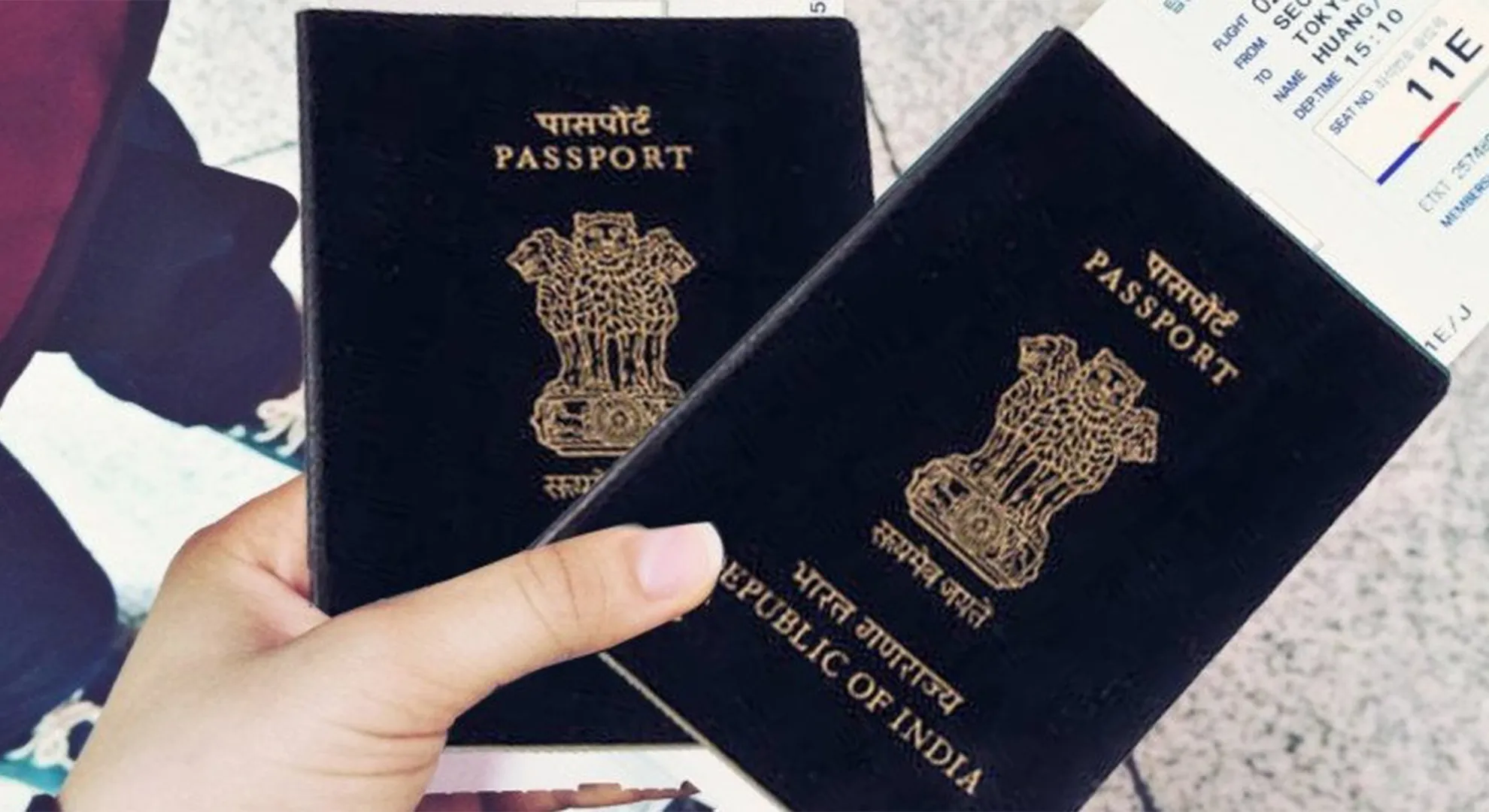
The Indian passport has come under renewed public attention after the Ministry of External Affairs clarified that holding a passport alone does not conclusively establish Indian citizenship.
Whether you’re preparing for a holiday, applying for a visa, or renewing your passport while living in the UAE, it is worth knowing exactly what an Indian passport represents and where its legal limits lie. Recent developments have prompted many people to revisit long-held assumptions about this essential document, making it more important than ever to separate facts from popular belief.
For most Indian citizens, a passport is among the most valuable personal documents they possess. It serves as the key to international travel, is routinely required for visa applications, employment opportunities abroad, immigration procedures, and identity verification in numerous official situations. Many families store it securely and only take it out when planning a trip or completing important paperwork, viewing it as both a symbol of nationality and a gateway to global mobility.
However, conversations surrounding the Indian passport have intensified after the Ministry of External Affairs (MEA) clarified that possessing a valid Indian passport should not automatically be interpreted as conclusive proof of Indian citizenship in every legal context. The clarification surprised many people because passports have long been widely regarded as the ultimate document establishing an individual’s citizenship.
The statement quickly attracted attention across India and among Indian communities overseas, including the large expatriate population in the UAE. Social media discussions, legal experts, and immigration professionals all weighed in on what the clarification actually meant, leaving many passport holders with questions about their rights and documentation.
The confusion largely stems from the different purposes served by government-issued documents. While a passport confirms that its holder has been issued permission by the Government of India to travel internationally under its protection, citizenship itself is determined under the provisions of Indian nationality laws. In certain legal proceedings or administrative matters, authorities may require additional documents or evidence to establish citizenship, depending on the circumstances.
This distinction has prompted many people to re-examine what they have always believed about Indian passports. Some assumed that a passport alone settles every citizenship-related question, while others wondered whether recent government statements could affect the validity of their existing travel documents.
These concerns have become even more relevant as India gradually expands the rollout of electronic passports, commonly known as e-passports. Equipped with an embedded electronic chip containing the holder’s biometric and personal information, the new-generation passports are designed to improve security, reduce the risk of tampering, and simplify identity verification at immigration checkpoints. Despite these technological upgrades, many travellers remain uncertain whether they will be required to replace their current passports immediately or whether existing booklets will continue to remain valid until their expiry dates.
For Indians living in the UAE, where international travel is often frequent because of work commitments, family visits, holidays, and business trips, having accurate information about passport rules is especially important. Misunderstandings about passport validity, renewal requirements, visa eligibility, or documentation can create unnecessary stress during travel planning.
Another common area of confusion relates to the rights that accompany an Indian passport. Some believe it guarantees visa-free entry into numerous countries, while others assume it can be used as universal proof of identity or residency. In reality, visa policies are determined independently by destination countries, and different authorities may request additional documents depending on the purpose of travel or legal requirement.
Similarly, there are misconceptions about damaged passports, expired passports, changes in personal details such as names or addresses, and the procedures that should be followed after losing a passport abroad. Many travellers only discover the correct rules when faced with an emergency or during an immigration process.
As international travel continues to recover and more Indians apply for passports, renew existing documents, or transition to e-passports, understanding the facts has become increasingly valuable. Clear knowledge helps travellers avoid misinformation circulating online and ensures they can confidently complete official procedures without unnecessary complications.
The recent clarification from the MEA has therefore served as a timely reminder that while the Indian passport remains one of the country’s most important official documents, there are several legal and practical aspects that are often misunderstood. Knowing what a passport certifies, where additional documentation may be required, and how evolving policies such as e-passports affect travellers can help people make informed decisions.
With several myths continuing to circulate regarding citizenship, passport validity, international travel, and documentation requirements, it is useful to examine the most common misconceptions individually and compare them with the official facts. Here is a closer look at some of the biggest myths surrounding Indian passports and what travellers in the UAE should actually know.
If you’d like, I can also rewrite the full “myths vs facts” section in the same original journalistic style to match this introduction.
Myth 1: An Indian Passport Alone Is the Final Proof of Citizenship
Fact: A passport is primarily issued to facilitate international travel and, by itself, may not serve as conclusive legal proof of Indian citizenship in every situation.
One of the most widely discussed topics in recent weeks has been the legal status of the Indian passport following a clarification issued by India’s Ministry of External Affairs (MEA). The ministry explained that while an Indian passport is an important government-issued document, it should not automatically be interpreted as the ultimate or exclusive evidence of Indian citizenship in all legal circumstances.
The clarification surprised many people because passports have traditionally been regarded as the strongest document establishing a person’s nationality. For decades, most Indians have relied on their passport for everything from overseas travel and visa applications to employment verification and identity checks. As a result, many assumed that possessing a valid passport was sufficient to settle any question relating to citizenship.
However, Indian law treats passports and citizenship as two separate legal matters governed by different legislation.
Citizenship in India is determined under the provisions of the Citizenship Act, which lays down the rules regarding who qualifies as an Indian citizen through birth, descent, registration, naturalisation or incorporation of territory. A passport, meanwhile, is issued under the Passports Act, which regulates the issuance of travel documents to eligible individuals for international travel.
Although passport applicants are required to complete a verification process before a passport is issued, the document itself is designed primarily to identify the holder during international travel and to enable them to seek entry into foreign countries. It is not intended to replace every legal document that may be required to establish citizenship in judicial or administrative proceedings.
An important legal provision that often goes unnoticed is Section 20 of the Passports Act. This section gives the Government of India limited powers to issue passports or other travel documents to individuals who may not be Indian citizens when exceptional circumstances or the public interest justify such action. While such cases are uncommon, the existence of this provision illustrates why the government distinguishes between a passport and definitive legal proof of citizenship.
For the overwhelming majority of passport holders, this distinction is unlikely to affect daily life. A valid Indian passport continues to be one of the most trusted and widely accepted government-issued identity documents. It remains indispensable for international travel, visa processing, immigration formalities, financial transactions requiring identity verification, and numerous official procedures both within India and abroad.
However, if an individual’s citizenship is specifically questioned before a court or another competent authority, officials may request additional evidence depending on the nature of the case. Such evidence could include birth records, citizenship documents, family records, or other legally recognised documents that help establish citizenship under applicable laws.
Legal experts point out that this clarification should not be viewed as reducing the value or importance of an Indian passport. Instead, it simply reflects the legal distinction between a document that authorises international travel and the broader legal framework that governs citizenship.
For Indians living overseas, including the large expatriate community in the UAE, the clarification does not change how passports function for routine travel. A valid passport continues to serve its normal purpose at immigration counters, consular services, airline check-ins, visa applications and border crossings.
In practical terms, travellers should continue safeguarding their passports as one of their most important personal documents. The recent discussion merely highlights that citizenship and passports are governed by different laws and may require different forms of evidence in specific legal situations.
Myth 2: Every Indian Must Immediately Upgrade to an E-Passport
Fact: Current passports remain fully valid until their expiry date, and there is no requirement for holders to replace them immediately.
As India gradually modernises its passport system, many travellers have become concerned that they might need to exchange their existing passport for the new electronic version without delay. The rollout of e-passports has generated considerable curiosity, leading to widespread speculation about whether traditional passports will soon become invalid.
The answer is straightforward: there is currently no requirement for passport holders to replace a valid passport simply because a newer electronic version has become available.
India is introducing chip-enabled e-passports in phases as part of its broader effort to strengthen document security and modernise international travel. These passports look very similar to conventional passports but include an embedded electronic chip that securely stores the holder’s personal details and biometric information already printed on the passport.
The technology has been adopted by numerous countries around the world and is intended to make passports more resistant to tampering, duplication and counterfeiting. Electronic verification also enables immigration authorities in many countries to authenticate passport information more efficiently.
Despite these technological improvements, the introduction of e-passports does not invalidate existing machine-readable passports.
If your passport is currently valid, you may continue using it for domestic and international travel until the expiry date printed inside the booklet. Airlines, immigration authorities and foreign governments will continue recognising valid passports issued under the existing system.
Travellers therefore do not need to schedule an early renewal solely to obtain an electronic passport.
Instead, most people will receive an e-passport naturally when they apply for a fresh passport or renew an expiring one, provided the facility has been introduced at their passport issuing office. Since the rollout is being implemented in stages across different regions, applicants may receive either a conventional passport or an e-passport depending on where and when their application is processed.
This phased approach is intended to ensure a smooth transition without disrupting travel plans for millions of passport holders.
The electronic chip embedded in an e-passport is designed to improve security rather than alter the rights of the passport holder. It does not provide additional visa privileges, faster immigration clearance in every country, or a different citizenship status. The holder’s nationality, passport validity period and international travel requirements remain exactly the same.
Travellers should also be aware that the chip is protected by multiple security features and is designed to prevent unauthorised access to personal information. Immigration authorities can access the encrypted data using specialised readers during border checks.
For Indian residents living in the UAE, the advice remains unchanged. There is no urgency to replace a passport that is still valid. When renewal becomes due, applicants should simply follow the normal passport renewal process through the appropriate Indian diplomatic mission or passport service, where they may receive an e-passport if the system has been implemented for their application.
Ultimately, the move towards e-passports represents a technological upgrade aimed at enhancing document security and making international travel more secure. It should not be confused with a mandatory nationwide replacement programme. Existing passports continue to retain their legal validity until they expire, allowing travellers to continue using them with confidence.
If you’re preparing a news feature, this version is written in a fresh, publication-style format that preserves the facts while avoiding close similarity to the original text.
Myth 3: E-Passports Can Be Used to Track Your Movements
Fact: The electronic chip inside an e-passport does not contain GPS technology and cannot be used to monitor a person’s location.
As India expands the rollout of biometric e-passports, misinformation about the technology has become increasingly common. One of the most persistent claims is that the electronic chip embedded in the passport allows governments to track travellers wherever they go.
This belief is incorrect.
The chip incorporated into an e-passport is designed to enhance document security rather than monitor an individual’s movements. It stores the same personal information that already appears on the passport’s data page, along with encrypted biometric details such as the holder’s photograph and other identity-related information. The data is protected using internationally recognised security standards that help prevent tampering and identity fraud.
Unlike a smartphone, smartwatch or GPS-enabled device, an e-passport has no capability to determine or broadcast a person’s location. It does not contain satellite navigation technology, mobile network connectivity or any mechanism that continuously transmits signals.
Instead, the chip remains inactive until it is scanned by authorised passport readers installed at immigration checkpoints or border control facilities. During this process, officials verify that the electronic information matches the printed details in the passport and confirm that the document is genuine.
This additional layer of verification helps reduce the risk of forged or altered passports while making identity checks faster and more reliable at many international airports.
Privacy concerns have also led to questions about whether unauthorised individuals can remotely access information stored on the chip. Modern e-passports are designed with multiple security features, including encryption and access controls, to prevent unauthorised reading of personal data. Immigration authorities require specialised equipment and authentication procedures to access the stored information.
For travellers, the transition to e-passports should therefore be viewed primarily as a security upgrade rather than a surveillance tool. The technology is intended to protect passport holders from identity fraud and document forgery while supporting more efficient border management.
Myth 4: Passport Charges Have Not Changed This Year
Fact: India has introduced revised passport application and reissue fees effective from July 1.
Another area that has generated confusion among applicants is the cost of obtaining or renewing an Indian passport. Many people continue to assume that passport fees remain the same year after year unless major policy changes are announced.
However, passport service charges have been revised, with the updated fee structure taking effect from July 1.
The revised charges apply to several passport-related services, including fresh passport applications as well as passport reissues, which are commonly referred to as renewals. Depending on the type of service requested, applicants may notice differences in the amount payable compared with previous fee schedules.
The total fee varies according to several factors. These include whether the applicant is requesting a new passport or a reissue, the number of pages required in the passport booklet, whether normal processing or the expedited Tatkal service has been selected, and the specific category under which the application is submitted.
Because of these revisions, many applicants have been uncertain about whether appointments booked before the implementation date or passports already in process would be affected.
Authorities have clarified that the revised pricing applies only to applications submitted on or after the effective date. Individuals whose passports have already been issued or whose earlier applications were completed are not affected by the updated fee schedule.
Those planning to apply for a fresh passport or renew an existing one are encouraged to verify the latest charges before beginning the application process. Checking the applicable fees in advance can help applicants avoid delays, incomplete submissions or unexpected payment issues.
Indian citizens living overseas, including those residing in the UAE, should also remember that passport-related charges may differ depending on the country where the application is submitted. Indian embassies and consulates periodically update their service fees in line with government notifications and local administrative requirements. Applicants are therefore advised to review the latest information before booking appointments or submitting documents.
Being aware of the revised fee structure can help ensure a smoother application process and prevent unnecessary confusion during passport renewal or reissue.
Myth 5: You Can Travel Internationally Until the Final Day Your Passport Is Valid
Fact: Many countries insist that travellers have at least six months of passport validity remaining beyond their planned journey.
One of the most common mistakes made by international travellers is assuming that a passport remains acceptable for overseas travel right up until the expiry date printed inside the document.
While a passport technically remains valid until that date, many countries have additional entry requirements that go beyond the passport’s official validity period.
Numerous destinations require foreign visitors to hold passports that remain valid for at least six months after the date they intend to enter or, in some cases, after the date they plan to leave the country. These rules are designed to ensure travellers do not encounter passport expiry issues during their stay abroad.
Many passengers become aware of this requirement only when checking in for their flight. Even if they possess a valid visa and confirmed airline ticket, they may still be refused boarding if their passport does not meet the destination country’s minimum validity requirement.
Airlines routinely verify passport validity before departure because carriers can face penalties for transporting passengers who are refused entry upon arrival. As a result, airline staff often enforce passport validity rules before travellers even reach immigration.
The required validity period is not identical worldwide. Some countries require six months of remaining validity, while others may require three months or another specified period. Certain destinations also impose additional documentation requirements depending on nationality, visa category or length of stay.
For this reason, travellers should always review the passport and entry requirements of their destination well before booking flights or applying for visas. Waiting until the last moment can result in cancelled travel plans, additional expenses or missed business and family commitments.
Frequent international travellers, particularly those based in the UAE who regularly visit India or other countries for work and holidays, are generally advised to begin the passport renewal process several months before the document expires. Renewing early provides sufficient time to complete verification procedures, receive the new passport and update visas or residence permits if necessary.
Planning ahead also reduces the likelihood of emergency passport applications, which can involve additional costs and limited appointment availability.
Although the expiry date printed on a passport indicates the document’s official validity, successful international travel depends on meeting the immigration requirements of the destination country. Keeping a close eye on passport validity and renewing it well before the final months can help travellers avoid unnecessary disruptions and enjoy a smoother travel experience.
If you want the entire article to read consistently, this version matches a professional news-feature style while being substantially different in wording and structure from the original.

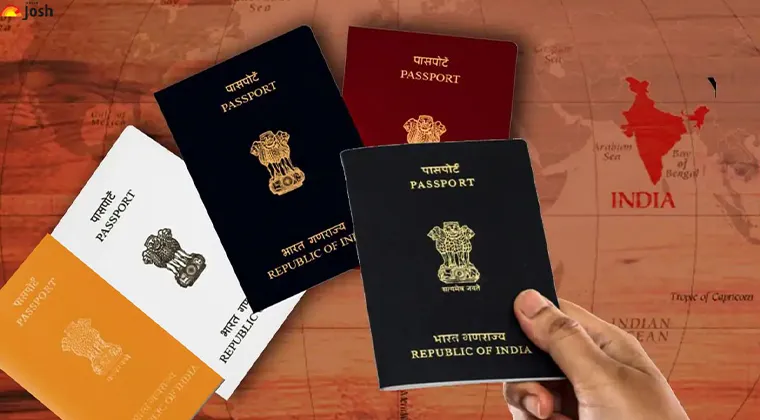
Myth 6: Passport Renewal and Passport Reissue Are Exactly the Same Process
Fact: Although the terms are often used interchangeably in everyday conversation, India’s passport system treats most applications as a reissue rather than a simple renewal.
When discussing passports, many people casually say they are “renewing” their passport once it expires. While this expression is widely understood, it is not always technically accurate under the Indian passport application system.
The Passport Seva programme distinguishes between a renewal and a reissue, and understanding this difference can help applicants select the correct service when submitting an application.
In practice, the majority of passport holders apply for a passport reissue.
A reissue involves issuing an entirely new passport booklet after verifying the applicant’s eligibility and supporting documents. Although the process may seem similar to what many people think of as a renewal, it covers a much broader range of circumstances than simply extending the validity of an existing passport.
For example, a reissue application is required when a passport has expired or is approaching its expiry date. It is also necessary if all visa pages have been used, making the passport unsuitable for further international travel despite remaining within its validity period.
Likewise, individuals who lose their passport, discover that it has been stolen, or accidentally damage it must normally apply for a reissued passport rather than requesting a renewal.
Changes to personal information also require a reissue. This includes situations such as changing one’s name after marriage or divorce, correcting personal particulars, updating the date or place of birth where permitted, or making other approved amendments to passport information.
Another circumstance that commonly requires a reissue involves passports that were originally issued with limited validity. Once these passports expire, applicants generally need to obtain a fresh passport through the reissue process rather than extending the existing document.
Because several different situations fall under the reissue category, applicants are encouraged to review the application requirements carefully before submitting documents. Selecting the incorrect application type can result in delays, additional document requests or the need to restart the application process.
The distinction becomes particularly important for Indians living overseas, including those residing in the UAE, who often rely on Indian diplomatic missions for passport-related services. Choosing the appropriate application category helps ensure smoother processing and reduces the possibility of unnecessary administrative complications.
Passport validity also varies depending on the age of the applicant.
For most adults, an Indian passport is issued with a validity period of 10 years from the date of issue. After this period, a new passport must be obtained through the prescribed application process.
Passports issued to children generally have a shorter validity. In many cases, a minor’s passport remains valid for five years or until the holder reaches the age of 18, depending on the category of passport issued and the applicable regulations at the time of issuance.
Parents should therefore keep track of expiry dates carefully, particularly if international travel is planned during school holidays or family visits abroad.
Understanding how the Passport Seva system categorises different passport services can help applicants avoid confusion and complete the application process more efficiently.
Myth 7: Indian Citizens Can Hold Dual Citizenship
Fact: India does not recognise dual citizenship, although eligible foreign nationals of Indian origin may obtain Overseas Citizen of India (OCI) status.
Among Indians living abroad, one of the most persistent misunderstandings concerns the concept of dual citizenship.
Many people believe that because India offers the Overseas Citizen of India (OCI) scheme, they are effectively allowed to hold Indian citizenship alongside the citizenship of another country.
This is not the case.
Under Indian law, full dual citizenship is not permitted.
Indian citizens who voluntarily acquire the nationality of another country are generally required to surrender their Indian passport in accordance with applicable legal provisions. Continuing to use an Indian passport after acquiring foreign citizenship can result in penalties and other legal consequences.
The confusion largely arises because of the name of the OCI programme itself.
Despite containing the word “Citizen,” the Overseas Citizen of India scheme does not grant Indian citizenship in the constitutional or legal sense.
Instead, OCI is a form of long-term immigration status available to eligible persons of Indian origin who have become citizens of certain foreign countries.
The scheme provides a number of practical benefits designed to maintain close ties between overseas Indians and their country of origin.
Among these advantages are lifelong multiple-entry visas for travel to India, exemption from repeated visa applications, permission to reside in India for extended periods without separate registration requirements in many situations, and access to certain economic, educational and financial facilities available under government rules.
However, OCI cardholders do not enjoy the full rights available to Indian citizens.
For example, they are not entitled to vote in Indian elections, contest parliamentary or state legislative elections, hold constitutional offices such as President or Vice-President, or obtain Indian passports.
Similarly, OCI status does not automatically confer every government benefit reserved exclusively for Indian citizens.
When travelling internationally, OCI cardholders use the passport issued by the country whose citizenship they currently hold. The OCI card serves as a supporting travel document for entry into India but does not replace the foreign passport.
For Indians considering acquiring foreign citizenship in the future, understanding the distinction between Indian citizenship and OCI status is essential. Although OCI offers valuable travel and residency privileges, it should not be confused with dual nationality.
Myth 8: A Damaged Passport Can Still Be Used as Long as the Information Is Legible
Fact: Physical damage to a passport may result in it being rejected during travel or visa processing, even if the printed details remain readable.
Many travellers assume that a passport remains perfectly acceptable provided the photograph, personal details and passport number can still be clearly read.
Unfortunately, this assumption can lead to significant travel problems.
Immigration authorities and airlines assess the overall condition of a passport, not merely whether its printed information is visible.
A passport that has been significantly damaged may no longer be considered a valid travel document, even if important details remain intact.
Damage can take many forms.
Pages that have been torn or partially detached, water exposure causing ink to blur or pages to wrinkle, missing pages, damaged covers, broken bindings or unauthorised alterations can all affect the passport’s acceptability.
For newer biometric e-passports, physical damage to the embedded electronic chip may also prevent immigration systems from verifying the document electronically.
Even relatively minor defects can sometimes create difficulties if officials believe the passport’s security features have been compromised or if they cannot confidently verify its authenticity.
Travellers may encounter problems at several stages of an international journey.
Airline staff conducting check-in may refuse boarding if they determine that a passport does not meet documentation standards.
Immigration authorities at departure or arrival points may subject travellers to additional questioning or inspection.
Visa authorities processing applications may also decline to accept damaged passports and instead ask applicants to obtain a replacement before issuing a visa.
These situations can result in delayed travel, cancelled flights, missed business meetings or disrupted holiday plans.
Because every country applies its own document inspection procedures, there is no universal rule defining precisely how much damage is acceptable. A passport accepted in one situation may raise concerns elsewhere.
For this reason, authorities generally recommend replacing a damaged passport as soon as possible rather than waiting until travel is imminent.
Obtaining a replacement passport before making international travel arrangements is usually far less stressful than attempting to explain passport damage at an airport immigration counter.
Travellers should also take simple precautions to protect their passports from unnecessary wear and tear.
Keeping the passport in a protective cover, avoiding exposure to water or extreme heat, preventing pages from folding, and storing the booklet securely can significantly reduce the likelihood of accidental damage.
For holders of India’s new e-passports, additional care should be taken to avoid bending or puncturing the section containing the electronic chip, as this could interfere with electronic verification systems used by immigration authorities.
Ultimately, a passport is far more than just a booklet containing personal details. It is an internationally recognised security document that must remain in good physical condition throughout its period of validity. Replacing a damaged passport promptly is the safest way to minimise travel disruptions and ensure smoother visa and immigration procedures.