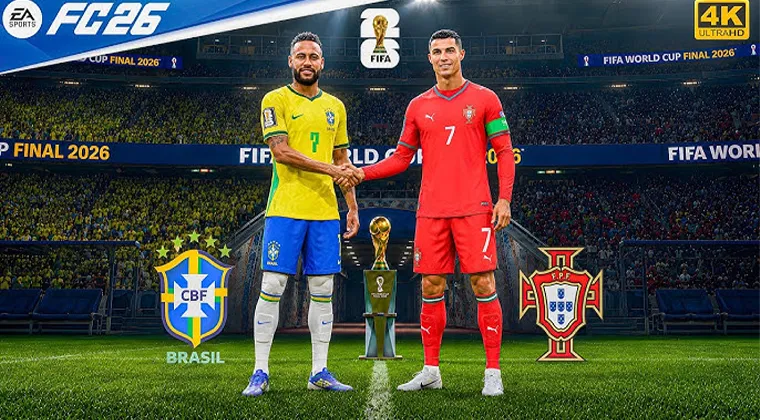
Dubai’s World Cup merchandise rankings have taken an unexpected turn, with Portugal emerging as the top-selling team, surpassing global football powerhouses Brazil and Argentina in jersey sales among fans.
Dubai’s World Cup Jersey Battle: Portugal Takes the Lead Ahead of Football Giants Brazil and Argentina.
Dubai’s World Cup excitement sees Ronaldo’s Portugal shirt become the top seller, surpassing Brazil’s famous yellow kit and Argentina’s iconic stripes, highlighting the Portuguese star’s massive worldwide popularity.
A few days ago, an American sports commentator shared insights into the viewing trends surrounding the 2026 FIFA World Cup in the United States, highlighting an interesting pattern among football fans. While Argentina’s popularity has surged dramatically in the country due to the global admiration surrounding Lionel Messi, another football giant continues to command enormous attention among viewers.
According to the podcaster, Brazil’s national team matches have continued to attract a larger audience compared with Argentina’s games in the US market. The figures suggest that even with the widespread excitement surrounding Messi and Argentina’s recent success, Brazil’s historic reputation and global football identity remain incredibly powerful among fans.
The commentator pointed out that Brazil’s influence goes beyond individual players or current performances. The country’s famous yellow jersey carries decades of history, emotion, and sporting tradition, making it one of the most recognizable symbols in world football. For generations of supporters, the sight of the yellow shirt represents Brazil’s unique football culture and its unforgettable moments on the international stage.
Brazil’s iconic jersey has long been associated with creativity, skill, and an attacking style of play that has captivated audiences around the world. The bright yellow kit has become more than just a uniform worn by players; it represents a football philosophy built around flair, imagination, and technical excellence.
The global appeal of Brazil’s yellow shirt was strengthened by legendary figures who transformed the country into a football powerhouse. Among them, Pelé remains one of the most influential names in the sport’s history. His performances helped establish Brazil as a symbol of beautiful football, and the yellow jersey became permanently connected with his achievements and the nation’s success.
When fans around the world see Brazil’s famous colours, they often associate them with memorable World Cup moments, breathtaking goals, and a style of football that has inspired generations. The jersey has become a cultural symbol that represents not only a national team but also the passion and identity of Brazilian football supporters.
Brazil’s success in international competitions has also played a major role in strengthening the reputation of its shirt. As the only country to win the FIFA World Cup five times, Brazil has built a legacy unmatched by most football nations. Each generation of players has added new chapters to that history, keeping the yellow jersey among the most respected and recognizable kits in the sport.
The influence of Brazil’s football brand extends far beyond South America. From Europe to Asia, Africa, and North America, supporters have embraced the team’s colours and celebrated its legendary players. The yellow shirt has become a global representation of football excellence and remains one of the best-selling and most admired jerseys in the world.
Meanwhile, Argentina’s blue and white striped jersey carries its own extraordinary history. As Brazil’s South American neighbours and one of football’s greatest rivals, Argentina has built a legendary identity through generations of iconic players and unforgettable performances.
The famous stripes gained even greater recognition following Diego Maradona’s historic achievements during the 1986 FIFA World Cup. His extraordinary displays, including one of the most memorable individual tournaments in football history, helped transform Argentina’s jersey into a symbol of national pride and sporting greatness.
Maradona’s influence gave Argentina’s shirt a special place in football culture. His creativity, leadership, and unforgettable moments on the pitch turned the blue and white colours into a representation of passion and determination. Decades later, the jersey continues to carry the emotional connection created during that historic era.
In recent years, Argentina’s global popularity has grown even further due to Lionel Messi’s remarkable career. The seven-time Ballon d’Or winner has become one of the most celebrated athletes in the world, and his success with the national team has brought renewed attention to Argentina’s colours.
Messi’s achievements, including Argentina’s triumph at the 2022 FIFA World Cup, have created a new wave of enthusiasm among supporters worldwide. In the United States especially, his arrival in Major League Soccer and continued global influence have contributed to the growing popularity of Argentine football.
However, despite Messi’s unmatched individual popularity, Brazil’s football identity continues to hold a special place in the hearts of many fans. The country’s history, style of play, and iconic yellow jersey remain powerful enough to attract massive interest across global audiences.
The comparison between Brazil and Argentina highlights how football popularity is shaped by more than current results or individual stars. National team history, legendary players, cultural connections, and decades of tradition all contribute to the global appeal of a football jersey.
For many supporters, wearing a national team shirt is about representing memories, emotions, and a connection to the sport’s greatest moments. Brazil’s yellow jersey and Argentina’s blue and white stripes both carry stories that go far beyond football matches.
As the 2026 FIFA World Cup continues to capture attention around the world, the popularity of these two South American football giants demonstrates the lasting power of football heritage. Whether inspired by Brazil’s historic dominance or Argentina’s modern success, fans continue to connect deeply with the colours that represent their favourite teams.
The competition between these legendary football nations is not only played on the pitch but also reflected in the passion of supporters, merchandise sales, and global viewership. Both jerseys remain symbols of football greatness, with each carrying a unique legacy that continues to influence fans across generations.
Lionel Messi’s continued brilliance on the international stage has created another major wave of excitement among football supporters worldwide. At 39 years old, the Argentine superstar has once again shown that age has not slowed his ability to produce memorable performances, adding another chapter to his extraordinary career after leading Argentina to glory at the 2022 FIFA World Cup in Qatar.
With Messi still attracting huge admiration from fans across the globe, Argentina’s famous blue and white colours have become highly visible among supporters. From stadiums to streets, the national team’s jersey has become a symbol of the continued influence of one of football’s greatest players.
However, despite the worldwide attention surrounding Messi and Argentina’s strong global following, the jersey sales race in Dubai during the 2026 FIFA World Cup has delivered an unexpected result. The teams traditionally associated with massive football popularity—Brazil and Argentina—have not claimed the top position in the city’s merchandise market.
Instead, it is Portugal’s national team shirt, driven largely by the popularity of Cristiano Ronaldo, that has emerged as the biggest seller among football fans in Dubai.
According to a staff member at a leading sportswear store in the city, Portugal’s home jersey experienced extremely strong demand and was completely sold out within less than three weeks of being available. The popularity of the shirt surprised many, especially considering the intense competition from globally recognized teams such as Brazil and Argentina.
The salesperson explained that Ronaldo’s influence remains one of the strongest forces behind the demand for Portugal merchandise. Although the Portuguese captain has faced challenges maintaining his highest level of performance during the tournament in North America, his worldwide popularity has remained unaffected.
“Fans are buying the Portugal jersey mainly because of Ronaldo,” the salesperson said, adding that the football star continues to enjoy extraordinary support among Dubai’s diverse population.
The store representative explained that Ronaldo’s appeal extends across different communities and nationalities. Supporters from a wide range of backgrounds have purchased the Portugal shirt, demonstrating the Portuguese forward’s unique ability to connect with football fans around the world.
According to the salesperson, the buyers were not limited to Portuguese supporters or a specific group of customers. Instead, people from many different countries showed interest in owning Ronaldo’s jersey, highlighting the global reach of his brand and reputation.
The employee noted that while Portugal has led sales, Argentina and Brazil jerseys have also remained highly popular among customers. Both South American football giants continue to attract strong demand because of their historic success, iconic colours, and legendary players.
Among Argentina’s products, the blue away jersey has reportedly attracted more attention than the traditional home shirt. The alternative design has become a popular choice among fans looking to show their support for Messi and the reigning world champions.
The salesperson explained that Argentina’s away kit has been moving particularly quickly, with customers showing strong interest in the design and its connection to the team’s current era of success.
Brazil’s famous yellow home jersey has also maintained its reputation as one of the most desirable football shirts in the market. The iconic colour, associated with decades of Brazilian football history, continues to attract buyers who admire the five-time world champions.
However, the demand for Brazil’s traditional yellow shirt has been significantly stronger compared with the team’s away kit. Fans continue to identify the bright yellow jersey with Brazil’s football heritage, legendary players, and attacking style of play.
Despite the popularity of these global football brands, another unexpected contender has entered the competition. According to another employee at the same sportswear outlet, Egypt’s national team jersey has gained impressive attention and has become a serious competitor in terms of customer demand.
The strong interest in the Egyptian shirt has surprised many observers, as it has managed to compete with the merchandise popularity of teams featuring some of the world’s most famous players.
The rising demand for Egypt’s jersey reflects the growing diversity of football supporters in Dubai, where fans from different countries and communities come together to celebrate the World Cup. The city’s multicultural population has created a unique market where traditional football powerhouses compete with emerging fan favourites.
Retail workers say the World Cup period has once again demonstrated that jersey sales are influenced by more than just tournament results. Player popularity, national pride, historical reputation, and emotional connections all play important roles in determining which shirts fans choose to buy.
Cristiano Ronaldo’s continued popularity is a clear example of this trend. Even as younger players emerge and football continues to evolve, his global fanbase remains extremely strong, especially in regions such as the Gulf where he enjoys significant admiration.
Messi’s impact on Argentina’s popularity also remains undeniable. His achievements, personality, and status as one of the greatest players in football history continue to inspire millions of supporters.
At the same time, Brazil’s legendary status ensures that its yellow jersey remains one of the most recognizable football symbols worldwide. The competition between these teams shows how football shirts represent identity, memories, and personal connections rather than simply supporting a team.
Dubai’s World Cup merchandise trends highlight the powerful combination of football culture and global fandom. While Argentina and Brazil continue to dominate conversations among fans, Portugal’s Ronaldo-driven jersey sales have created one of the biggest surprises of the tournament.
The popularity of these shirts reflects the unique way football connects people across borders. Whether fans are supporting a national team, celebrating a favourite player, or collecting memorable tournament merchandise, the demand for jerseys continues to show the emotional power of the world’s most popular sport.
The popularity of international football jerseys in Dubai has continued to create surprising trends during the 2026 FIFA World Cup, with teams from different regions attracting strong support from fans. While global giants such as Portugal, Brazil, and Argentina remain among the most sought-after shirts, several other national teams have also seen remarkable demand among Dubai’s diverse football community.
A representative from a leading sportswear store in the city revealed that Egypt’s national team jersey has become one of the unexpected best sellers during the tournament. The demand was so high that the adult sizes were completely sold out, leaving only children’s versions available for customers looking to purchase the shirt.
The salesperson explained that interest in the Egyptian jersey has been particularly strong among the country’s large community in the UAE. Many Egyptian businesses and organizations have reportedly purchased the shirts in bulk for their employees, contributing significantly to the shortage of available stock.
According to the store employee, the strong sales reflect the deep connection between fans and their national teams. For many supporters, buying a jersey is not only about football but also about representing their country, culture, and shared identity during one of the biggest sporting events in the world.
The salesperson also highlighted another team that has attracted considerable attention in Dubai: Morocco. The North African nation’s jersey has become increasingly popular among supporters, especially due to the country’s historic achievement in the previous World Cup.
Morocco’s memorable run at the 2022 FIFA World Cup, where they became the first African and Arab team to reach the semifinals of the tournament, helped strengthen their global reputation. Their impressive performances created a new generation of fans and increased demand for their national team merchandise.
Dubai’s large Moroccan community has also contributed to the strong sales of the team’s jersey. With thousands of Moroccan residents living and working in the UAE, the World Cup has provided an opportunity for supporters to proudly display their national colours.
The wide range of jerseys being purchased in Dubai reflects the city’s multicultural population. Fans from different countries have gathered around the tournament, creating a unique football atmosphere where traditional powerhouses and emerging teams receive equal attention.
Amid the busy activity inside the sportswear outlet, a young customer walked in wearing Portugal’s famous national team shirt. Unlike many shoppers who preferred to remain anonymous, he was happy to share his story and explain why he continues to support the Portuguese side.
The fan introduced himself as Charles, a Ugandan supporter who has followed Portugal since Cristiano Ronaldo made his first FIFA World Cup appearance in 2006. For nearly two decades, he has remained loyal to the Portuguese team because of his admiration for one of football’s most famous players.
Charles explained that his support for Portugal is strongly connected to Ronaldo’s journey and achievements throughout his career. From his early World Cup appearances to becoming one of the most recognized athletes in the world, Ronaldo’s impact has inspired fans across different continents.
For Charles, the debate over whether Ronaldo will eventually match the achievements of other football legends is not what defines his admiration. He believes the Portuguese star’s influence and dedication have already secured his place among the greatest players in the history of the sport.
He said that even if Ronaldo does not win a World Cup title in the same way as Lionel Messi or Brazilian legend Pelé, his opinion of the Portuguese forward would not change. To him, Ronaldo’s achievements, work ethic, and consistency make him the greatest player in his eyes.
The fan’s comments reflect the emotional connection many supporters have with football stars. For millions around the world, players are not judged only by trophies but also by the memories, inspiration, and passion they create among fans.
Ronaldo’s global following remains one of the strongest examples of a player’s ability to influence football culture beyond the pitch. His popularity continues to drive merchandise sales, attract supporters from different backgrounds, and maintain interest in Portugal’s national team.
Dubai’s World Cup jersey market has shown that football loyalty is shaped by many factors. Some fans follow teams because of national pride, others because of historic achievements, and many because of their admiration for individual players who have changed the game.
The strong demand for Egypt, Morocco, and Portugal shirts demonstrates how the tournament has brought together supporters from across the world. While football giants continue to dominate attention, passionate fan communities continue to create unexpected trends in merchandise sales.
Retailers say the ongoing demand for jerseys highlights the powerful emotional side of the World Cup. Fans are not simply purchasing sportswear; they are buying symbols connected to memories, national identity, and personal admiration.
As the tournament progresses, Dubai’s football merchandise scene continues to reflect the global nature of the sport. From Ronaldo’s Portugal shirt to Egypt’s sold-out jerseys and Morocco’s growing popularity, the World Cup has once again shown how football can unite people from every corner of the world.