Nestled along the UAE’s coastline, this remarkable village offers a glimpse into over 5,000 years of continuous human settlement, showcasing ancient traditions, archaeological treasures, and a rich cultural legacy.
A Coastal UAE Village Reveals 5,000 Years of Human Civilization.
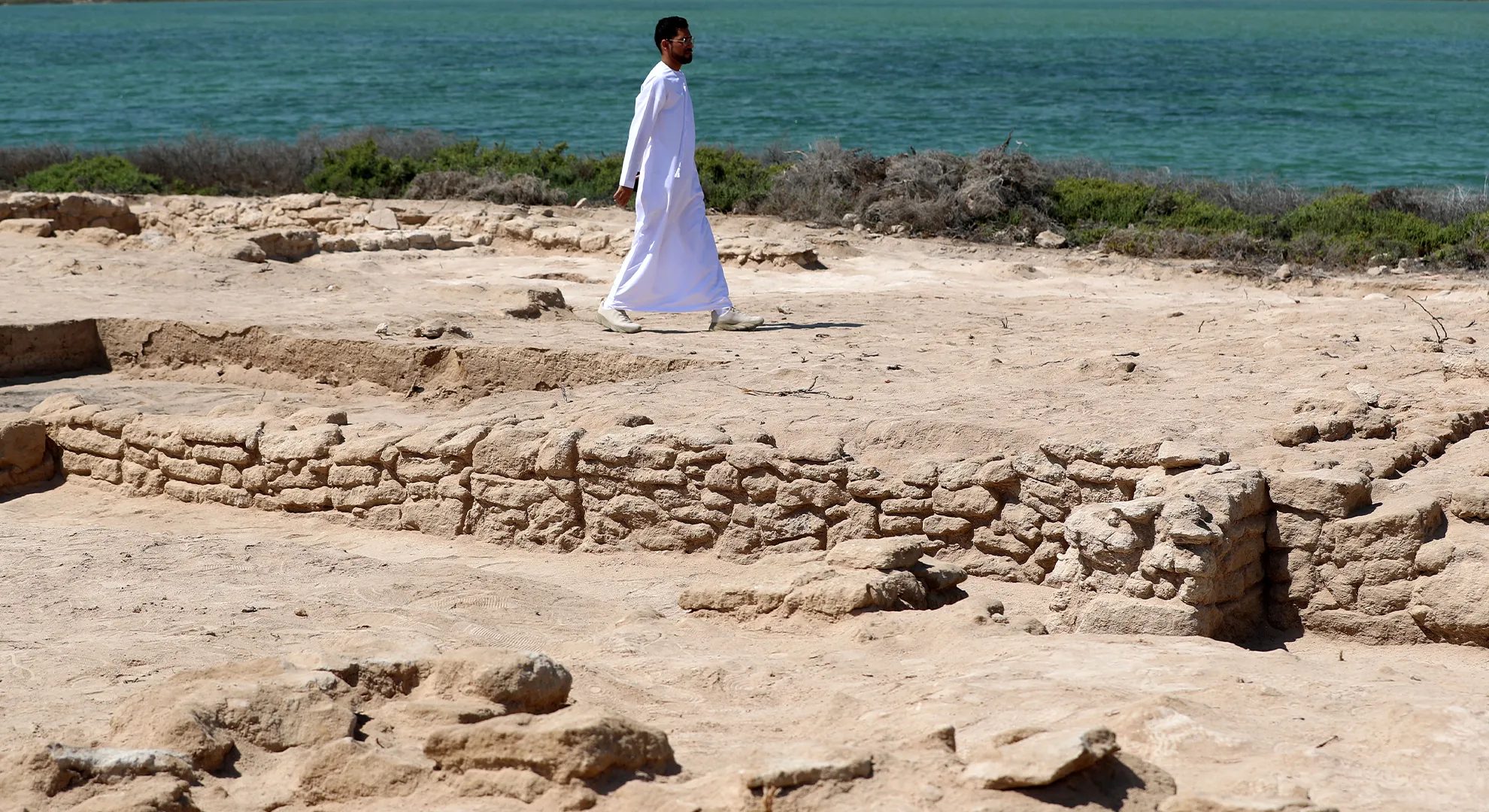
Situated between the rugged Hajar Mountains and the shores of the Gulf of Oman, Qidfa ranks among the UAE’s most ancient settlements. According to local historian Dr. Amna, who was born there, much of the village’s remarkable past is still waiting to be uncovered.
Discovering Qidfa: A Coastal Settlement That Reflects the UAE’s Ancient Roots
Across the United Arab Emirates, modern cities often dominate the global image of the country. Yet beyond the skyscrapers and bustling urban centers lie communities whose stories stretch back thousands of years. Among them is Qidfa, a historic coastal village on the UAE’s eastern shoreline that offers a remarkable glimpse into the nation’s earliest chapters. Surrounded by dramatic landscapes and shaped by generations of resilience, the village stands as a reminder that the country’s heritage extends far beyond its contemporary skyline.
Qidfa occupies a unique natural setting where rugged mountain ranges meet the waters of the Gulf of Oman. This combination of land and sea has influenced the settlement’s development for thousands of years. The nearby mountains provided natural protection, stone for construction, and access to seasonal water flowing through valleys after rainfall. At the same time, the coastline offered rich fishing grounds and maritime routes that connected local communities with neighboring regions.
This geographical balance helped transform Qidfa into more than just a place to live. It became a location where people could establish permanent settlements, develop trade, and adapt to changing environmental conditions over countless generations. The landscape itself shaped everyday life, influencing everything from housing and agriculture to travel and economic activity.
For residents whose families have lived in the village for generations, the surrounding environment is inseparable from their identity. Local historians often describe the relationship between the mountains and the sea as the foundation of the community’s endurance. Rather than viewing the village’s location as isolated, they see it as an advantage that supplied essential resources while encouraging close-knit social traditions.
The mountains sheltered the settlement from harsh desert conditions, while fertile pockets of land supported small-scale farming whenever water was available. Along the shoreline, fishing became both a livelihood and a cultural tradition, with knowledge of the sea passed from one generation to the next. Together, these natural features created a sustainable way of life long before the discovery of oil transformed the region.
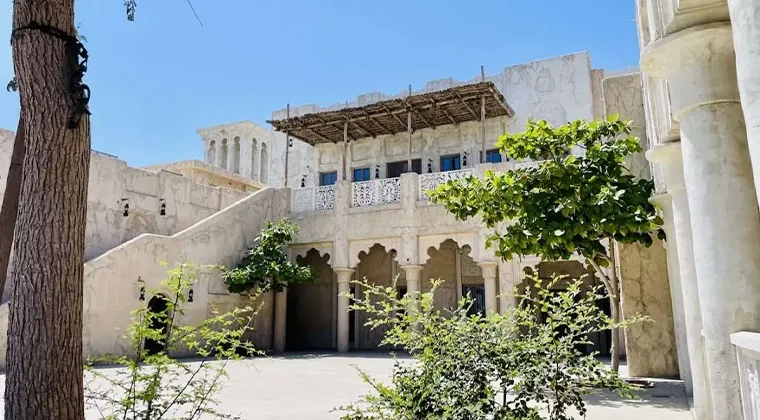
Today, visitors arriving in Qidfa encounter more than scenic views. They find a community where traces of ancient civilizations remain visible through archaeological discoveries, traditional architecture, and enduring cultural customs. Every corner of the village reflects a history shaped by adaptation, cooperation, and respect for the surrounding landscape.
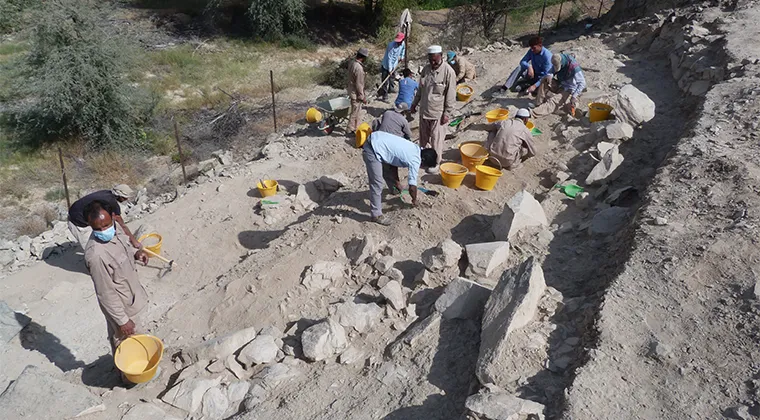
Although archaeological research has revealed important evidence of early human settlement in the area, historians believe there is still much to learn. Each excavation and historical study contributes another piece to the story of a community that has witnessed thousands of years of change while maintaining strong ties to its heritage.
As interest in the UAE’s cultural history continues to grow, villages such as Qidfa are receiving greater recognition for their role in preserving the nation’s past. Their stories highlight how geography, tradition, and the determination of local communities have combined to create a lasting legacy that continues to enrich the country’s cultural identity.
Qidfa: A Village Where the UAE’s Earliest Chapters Still Echo
Long before the United Arab Emirates emerged as a unified nation, the village of Qidfa had already established itself as an important center of daily life on the country’s eastern coast. Its strategic location, combined with fertile farmland and plentiful freshwater resources, enabled generations of families to build thriving communities in an environment that offered both opportunity and security. Over thousands of years, the village evolved from an early settlement into a place where agriculture, trade, and culture flourished side by side.
Unlike many ancient settlements that disappeared over time, Qidfa maintained a continuous connection with its past. Each historical era left behind traces that reveal how people adapted to changing conditions while preserving traditions that linked one generation to the next. From the earliest farming communities and Bronze Age inhabitants to the arrival of Islam and eventually the formation of the modern UAE, the village remained a living witness to the region’s remarkable transformation.
Layers of History Beneath the Landscape
The importance of Qidfa extends well beyond its scenic setting. Historians and archaeologists regard the village as one of the UAE’s significant heritage locations because its surrounding landscape contains evidence of human activity stretching back more than five millennia.
Archaeological discoveries made over the years have uncovered burial grounds, ancient settlements, and artifacts that help reconstruct the lives of people who lived in eastern Arabia thousands of years ago. These findings suggest that the area was not an isolated settlement but part of wider cultural and trading networks that connected communities throughout the region.
According to local historian Dr. Amna Ahmed Saber, whose family roots are deeply connected to Qidfa, many people remain unaware of the village’s extraordinary historical importance. She believes that while modern development has transformed much of the UAE, places like Qidfa continue to preserve invaluable evidence of the country’s earliest civilizations.
Research carried out in the area has identified several major archaeological locations that span multiple historical periods. Among the discoveries are collective burial sites dating to the Bronze Age, cemeteries from the Iron Age, remains of settlements that predate Islam, and evidence showing that the community continued to be inhabited throughout the Islamic period. Together, these sites create an almost uninterrupted historical timeline, allowing researchers to trace how local society evolved over thousands of years.
For historians, this continuity is particularly significant. Rather than representing a single moment in history, Qidfa offers insight into the gradual development of communities across many centuries. Every excavation adds another piece to a much larger historical puzzle, revealing how people lived, traded, farmed, worshipped, and adapted to environmental change.
Memories of a Lost Walled Settlement
Although archaeology tells one part of the story, living memory provides another valuable perspective. Older residents still recall features of the village that have since disappeared, connecting modern generations with landmarks that once defined the community.
Among the most remarkable of these was an ancient fortified settlement that stood at the heart of Qidfa. Historical accounts describe it as a protected town surrounded by defensive walls designed to safeguard its inhabitants. Watchtowers overlooked the surrounding landscape, allowing residents to monitor approaching travelers and respond to potential threats.
Large entrance gates controlled access to the settlement and reflected the importance of security during earlier periods of the village’s history. These gateways were not merely practical structures but symbols of an organized community capable of defending itself while supporting trade and daily life.
Within the walls stood homes, public spaces, and places of worship that served generations of villagers. One of the community’s most treasured landmarks was an early mosque believed by local historians to have been established during the earliest centuries of Islam. It remains an important reminder of the long religious history of the area and the role faith played in shaping community life.
Although much of the fortified settlement no longer survives, memories preserved by longtime residents continue to enrich historical understanding. Personal recollections complement archaeological evidence by offering details that may never appear in written records, ensuring that aspects of the village’s past are not forgotten.
Agriculture at the Heart of Village Life
For much of its history, Qidfa’s prosperity depended on the land. Freshwater springs flowing through the area supported agriculture even during challenging climatic conditions, allowing families to cultivate crops that sustained both local consumption and regional trade.
Palm groves became one of the defining features of the landscape. Rows of date palms provided food, shade, building materials, and economic security for generations. Alongside dates, villagers cultivated a variety of crops suited to the fertile soil, creating an agricultural system that supported a stable and prosperous community.
The availability of reliable water distinguished Qidfa from many neighboring settlements where water resources were more limited. Natural springs and underground water sources allowed farming to continue throughout much of the year, encouraging permanent settlement rather than seasonal occupation.
Agriculture was closely connected with trade. Produce grown in the village could be exchanged with neighboring communities, while coastal access enabled merchants to transport goods across the Gulf of Oman and beyond. This combination of farming and commerce contributed significantly to the village’s long-term stability.
Stories Behind the Name “Qidfa”
Like many ancient places, Qidfa’s name has inspired several explanations passed down through generations of local residents. While historians continue to examine documentary evidence, oral traditions remain an important part of the village’s cultural identity.
One of the most widely shared stories links the name to the cultivation of cotton, which was once associated with the region’s agricultural activity. According to local tradition, a merchant from the village traveled overseas for business. During his journey, someone asked about the condition of the cotton harvest back home. He reportedly replied using an Arabic expression indicating that the cotton flowers had finally blossomed. Over time, the phrase became closely associated with the village itself, eventually evolving into the name by which it is known today.
Whether or not this explanation represents the true historical origin, the story reflects the importance agriculture once held in the community’s economy and collective memory. It also illustrates how language, trade, and storytelling often combine to shape local identity.
Another explanation focuses not on farming but on water. Some residents believe the village’s name is connected to an Arabic word describing the forceful movement of water emerging from underground springs. Before modern infrastructure changed the landscape, natural springs reportedly flowed with remarkable strength, supplying abundant freshwater to surrounding farmland.
These springs were central to everyday life. They irrigated crops, supported livestock, and provided drinking water for residents. Their importance became so deeply woven into local tradition that many believe they inspired the village’s name.
A Landscape of Remarkable Fertility
Historical accounts consistently describe Qidfa as one of the greener areas along the eastern coast of the UAE. Dense palm groves, productive farmland, and flowing freshwater created an environment that contrasted with the harsher desert landscapes found elsewhere in the region.
The village’s agricultural abundance became widely recognized. Local leaders are said to have compared its lush vegetation with some of the most fertile landscapes in the Arab world, reflecting the extraordinary concentration of palm trees and cultivated land found there.
For generations, the natural environment shaped every aspect of community life. Seasonal harvests influenced local traditions, family routines, and economic activity. Knowledge of irrigation, farming techniques, and water management was passed from parents to children, ensuring that valuable skills survived across centuries.
Preserving a Living Heritage
Today, Qidfa continues to represent far more than an archaeological destination. It remains a community where history, landscape, and memory intersect. Ancient burial sites, archaeological discoveries, oral traditions, and family histories together create a rich portrait of a settlement that has endured through countless generations.
As researchers continue studying the village, new discoveries are expected to deepen understanding of eastern Arabia’s ancient civilizations. At the same time, local residents play an equally important role by preserving stories that connect modern life with the experiences of their ancestors.
Qidfa’s enduring significance lies not only in the artifacts buried beneath its soil but also in the traditions, memories, and cultural identity that continue to define the community. Its history demonstrates how geography, agriculture, trade, and resilience combined to shape one of the UAE’s oldest continuously inhabited settlements, making it an essential chapter in the nation’s broader historical narrative.
Life Shaped by Nature and Community
For generations, the people of Qidfa organized their lives around the changing seasons. The surrounding landscape determined where families lived, how they earned a living, and even how daily routines were planned. During the cooler months, many households stayed closer to the coastline, where fishing became the primary source of income. As temperatures climbed, attention shifted inland toward the fertile palm groves, where temporary shelters made from palm fronds provided shade during the farming season.
This seasonal movement was not simply a tradition but a practical response to the environment. Every member of the household played an important role in ensuring the family’s well-being. Men divided their time between cultivating crops and harvesting the sea, depending on the time of year, while women managed much of the work that kept homes functioning smoothly.
The day in Qidfa often began well before sunrise. Families rose in the early morning hours to make the most of the cooler temperatures. Meals were prepared from locally available ingredients, bread was baked fresh, livestock received care, and water was collected before the heat intensified. Household responsibilities required planning, skill, and cooperation, making women central to the rhythm of village life.
Collecting firewood was another essential task. Rather than cutting down healthy trees, villagers gathered fallen or dried branches for cooking and heating. This careful practice reflected a practical understanding of environmental stewardship, ensuring that natural resources remained available for future generations. Such customs developed through experience and demonstrated how closely the community depended on its surroundings.
Life in Qidfa was also defined by strong relationships between families. Homes stood close together, creating neighborhoods where relatives and neighbors supported one another through every stage of life. Celebrations, harvests, and difficult times were shared collectively, reinforcing a sense of unity. Children grew up surrounded by extended family members, while older residents passed on farming techniques, fishing knowledge, and local traditions through everyday conversation and practice.
The village’s economy extended beyond farming and fishing. Fertile land produced dates, grains, and seasonal fruits, while the nearby sea supplied fish that could be consumed locally or preserved for trade. Date syrup and other agricultural products added further value, allowing households to exchange surplus goods with neighboring communities.
Qidfa’s location also made it an important stopping point for travelers. Routes linking the eastern coast with inland settlements brought merchants, pastoral groups, and trading caravans through the area. These visitors exchanged goods, shared news, and contributed to the village’s economic activity. Local farmers and fishermen traded dried fish, dates, fruits, and other produce for commodities that were not readily available in the village, including rice, sugar, textiles, and household items.
Long-distance trade demanded endurance and careful planning. Camel caravans traveled for several days across challenging terrain, carrying locally produced goods to larger markets before returning with essential supplies. These journeys connected Qidfa with the wider region and helped sustain its economy for generations.
The combination of productive farmland, access to the sea, and strategic trading routes allowed Qidfa to prosper long before modern transportation networks emerged. More importantly, the village’s success rested on cooperation, resilience, and a deep understanding of the natural environment. Those traditions became part of the community’s identity and remain an important aspect of Qidfa’s heritage today.
A New Era Arrives in Qidfa
The creation of the United Arab Emirates in 1971 marked a turning point for communities across the country, including the small coastal village of Qidfa. For residents who had lived through generations of traditional village life, the formation of the federation represented a new chapter filled with optimism, stability, and possibilities for the future.
For many families in Qidfa, the announcement was remembered as a moment of unity after years when communities were more locally connected and resources were limited. News of the new nation quickly reached the village, bringing a sense of pride and reassurance among residents. Older generations recall the excitement of hearing that the emirates had come together under one leadership and one national identity.
Among those who witnessed this period was historian Dr. Amna Ahmed Saber, who was a child at the time. She remembers the atmosphere in the village as one of happiness and anticipation. The arrival of the news was not simply a political event; for local people, it represented the beginning of greater opportunities and a more connected future.
The years that followed brought major changes to Qidfa. Modern services gradually reached the village, transforming everyday life while allowing residents to remain connected to their traditional way of living. Improvements in infrastructure introduced new possibilities, particularly in areas such as water supply and electricity.
One of the significant developments came with the expansion of essential facilities in Fujairah, including projects that improved access to fresh water and power. For villagers who had long depended on traditional methods of collecting and managing resources, these changes represented a major shift. Clean water systems and electricity brought new comfort and convenience to homes that had previously relied on older methods.
For children growing up during this period, even simple changes felt extraordinary. The arrival of electricity, new public services, and modern technology created experiences that became lasting memories. The introduction of television, for example, became a community event, with neighbors gathering together to watch programs and share the experience.
These transformations did not erase Qidfa’s identity. Instead, they added new layers to a village already shaped by centuries of farming, fishing, and family traditions. Residents continued to value their connection to the land, while adapting to the opportunities created by the country’s rapid development.
The story of Qidfa after the formation of the UAE reflects the wider journey of many communities across the nation — moving from traditional lifestyles into the modern era while preserving the customs, relationships, and memories that define their heritage.
Keeping the Spirit of Qidfa Alive
Although the landscape of Qidfa has changed over the years, with modern homes and new developments replacing many of the village’s older structures, its connection to the past remains strong. The traditions, memories, and relationship with the land continue to shape the identity of the community.
Unlike some farming areas that gradually disappeared as cities expanded and lifestyles changed, Qidfa’s residents maintained a strong attachment to their agricultural heritage. The farms surrounding the village were not simply places of work; they represented family history, cultural identity, and a link to generations who had depended on the same land for survival.
For many families, the date palms remain a symbol of continuity. Older residents continue to care for their farms, preserving knowledge about cultivation, irrigation, and the seasonal cycles that once defined village life. These traditions have been passed down through families, ensuring that the agricultural character of Qidfa survives despite the changes brought by modernization.
Dr. Amna Ahmed Saber reflects on this connection through the example of her own family. She describes how her elderly father still spends time among the palm trees, monitoring the health of the crops and maintaining the farm that has been part of their family story for decades. His dedication reflects the wider attitude of many Qidfa residents who view farming as a responsibility as much as a livelihood.
Maintaining these farms has not always been easy. As natural water sources changed over time, families faced new challenges in protecting their crops. Instead of abandoning their agricultural lands, residents adapted by finding new ways to provide water and continue caring for the palm groves that have long been central to the village’s character.
This determination reflects a deeper relationship between the people and their environment. The farms are reminders of earlier generations who worked with limited resources, relied on cooperation, and built a community around shared effort. Preserving them today is not only about agriculture; it is about protecting a way of life.
For those who grew up between the mountains and the sea, Qidfa represents much more than a physical location. It carries stories of ancestors, childhood memories, and traditions that continue to influence the present. The village’s importance comes not only from its history but from the people who continue to protect and celebrate that heritage.
As the UAE continues to develop, Qidfa stands as an example of how progress and preservation can exist together. Modern changes have transformed the appearance of the village, but the values that shaped it — family, resilience, and respect for the land — remain deeply rooted.