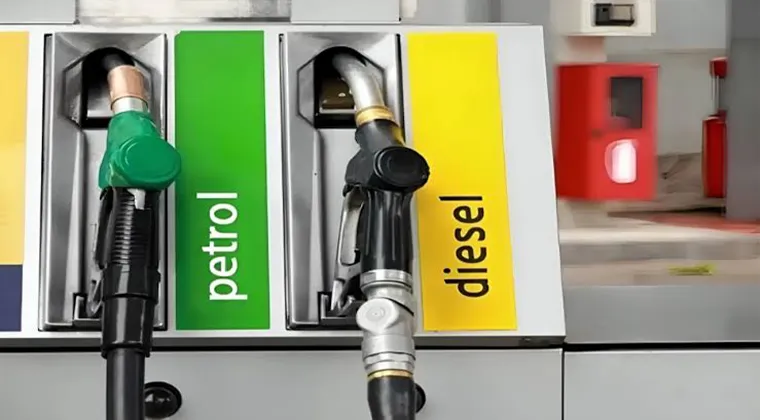
A significant drop in international oil prices is expected to bring relief to UAE drivers, with fuel rates likely to decline in July after several months of steady rises.
UAE Fuel Prices Expected to Drop in July Following Sharp Decline in Global Oil Markets.

Fuel costs have surged by over 60 percent amid escalating tensions involving the US, Israel and Iran, along with concerns over potential disruptions to shipping through the Strait of Hormuz.
UAE motorists may soon receive some financial relief at the fuel pump, as petrol prices are expected to decline in July 2026 after rising steadily over the previous four months. The anticipated reduction comes as international crude oil prices have fallen sharply during June, reversing much of the surge that followed geopolitical tensions in the Middle East earlier this year.
For several months, drivers across the UAE have faced increasing fuel costs. The upward trend began after heightened instability in the region disrupted global energy markets and created concerns about oil supply security. Since the conflict escalated earlier in the year, fuel prices in the Emirates have climbed substantially, increasing by more than 60 percent compared with levels seen before the crisis intensified.
The latest increase was implemented in June, when local fuel rates were adjusted upward once again. During that month, Super 98 gasoline was priced at Dh3.95 per litre, while Special 95 reached Dh3.83 per litre. E-Plus 91 was set at Dh3.76 per litre. These prices represented a significant monthly increase and reflected the pressure being exerted on global oil markets at the time.
However, market conditions have changed considerably over the course of June. Crude oil prices, which had been trading at elevated levels due to supply concerns and geopolitical uncertainty, have retreated sharply. This decline has fueled expectations that UAE fuel prices will also move lower when authorities announce the rates for July.
At the beginning of June, Brent crude — one of the world’s most closely watched oil benchmarks — was trading near $95 per barrel. As the month progressed, prices came under pressure and eventually dropped below $74 per barrel by the final week of June. The decline has been driven by several factors, including easing geopolitical risks and improving expectations regarding oil supplies from the Gulf region.
A major contributor to the recent market shift has been growing optimism surrounding diplomatic developments between the United States and Iran. Investors have reacted positively to signs of reduced tensions, believing that a more stable political environment could help restore normal energy flows. In addition, the reopening of the Strait of Hormuz has improved confidence among traders and energy companies.
The Strait of Hormuz is one of the world’s most important energy transit routes, carrying a significant portion of global crude oil exports. Any disruption to shipping activity in this narrow waterway has the potential to send oil prices sharply higher because of fears that supplies could be restricted. Earlier concerns regarding the route played a major role in pushing prices upward. Now that shipping activity is expected to normalize, market participants are reassessing supply risks and adjusting their price expectations accordingly.
The contrast between May and June has been particularly striking. During May, Brent crude averaged around $106 per barrel as markets reacted to the possibility of prolonged disruptions and escalating conflict involving regional and international powers. Traders were concerned that military developments could limit oil production and transportation across key exporting countries, creating shortages and driving prices higher.
By comparison, June witnessed a dramatic reversal. Average Brent prices dropped to approximately $71 per barrel as fears of long-term supply disruptions began to ease. The market’s focus shifted away from immediate geopolitical risks and toward the prospect of additional oil becoming available in the coming months.
Industry analysts believe that this changing outlook is likely to influence fuel pricing decisions in countries that adjust retail rates based on international oil market trends. As crude prices continue to soften, consumers in the UAE could benefit from lower petrol costs beginning in July.
According to Ole Hansen, Head of Commodity Strategy at Saxo Bank, oil markets have continued their downward movement despite the unprecedented supply shock experienced earlier this year. He noted that Brent crude fell below the $76-per-barrel mark, placing prices only modestly above the levels that prevailed before concerns surrounding the Strait of Hormuz emerged.
Hansen explained that the recent decline may seem surprising given the scale of the disruption the global oil industry has endured. The Middle East experienced one of the most significant supply interruptions ever recorded, leading to an estimated loss of approximately 1.3 billion barrels of oil production. Under normal circumstances, such a major reduction in supply would be expected to keep prices elevated for an extended period.
Nevertheless, financial markets often react more strongly to future expectations than to past events. Hansen emphasized that traders are no longer concentrating on the oil barrels that were lost during the disruption. Instead, they are looking ahead and evaluating how much production could return to the market if regional conditions continue to improve.
This shift in sentiment has played a crucial role in driving prices lower. Investors now anticipate that additional supplies from Gulf producers may soon become available, helping to balance global demand and ease concerns about shortages. As confidence grows regarding the restoration of exports and transportation routes, the risk premium that had previously supported higher oil prices is gradually fading.
For UAE consumers, these developments are encouraging. Fuel prices in the country are reviewed regularly and are influenced by movements in international energy markets. Although final pricing decisions will depend on several factors, the sharp decline in crude oil values during June has increased the likelihood of a downward adjustment for July.
If current market trends continue, motorists could see the first meaningful reduction in fuel costs since the beginning of the four-month period of consecutive increases. Such a move would provide welcome relief for households and businesses that have been coping with higher transportation and operating expenses.
While uncertainty remains in global energy markets, the recent drop in oil prices suggests that the worst of the supply concerns may have passed. Market participants will continue monitoring geopolitical developments, production levels, and shipping activity in key energy corridors. For now, however, expectations are growing that lower crude prices will translate into cheaper fuel at UAE service stations in the weeks ahead.
According to Hansen, improving maritime operations in the Strait of Hormuz have shifted traders’ focus toward the backlog of cargoes preparing to enter global markets.
Analysts believe the oil market is entering a new phase as supply flows from the Middle East begin to normalize following weeks of disruption. According to market observers, a substantial volume of crude oil that was temporarily stranded during the regional crisis is now expected to reach international buyers, potentially creating fresh downward pressure on prices in the coming months.
Industry experts note that the reopening of key shipping routes has allowed energy companies to restart export operations that had been severely affected by tensions in the Gulf region. During the period of uncertainty, numerous oil tankers were unable to depart from Gulf ports, leaving millions of barrels of crude sitting idle aboard vessels. At the same time, many additional ships remained anchored outside the area, waiting for clearance to enter loading terminals.
As maritime traffic gradually returns to normal levels, this backlog of cargoes is beginning to move through the supply chain. The release of these delayed shipments could significantly increase the amount of oil available to global markets over a relatively short period. Market participants are therefore closely monitoring vessel movements and export activity, as the sudden arrival of large volumes of crude could alter the balance between supply and demand.
Analysts suggest that the timing of this additional supply is particularly important. While more oil is becoming available, signs are emerging that buyers are adopting a more cautious approach. Concerns about economic growth, changing consumption patterns, and uncertainty surrounding future demand have prompted some purchasers to proceed more carefully. If demand growth fails to keep pace with the increase in available supply, oil prices could remain under pressure despite the recent stabilization of geopolitical conditions.
Market strategist Ole Hansen pointed out that a considerable quantity of oil is already prepared for shipment. Numerous tankers that were forced to remain in the Gulf during the disruption period are now ready to deliver their cargoes. In addition, a large number of vessels waiting outside the region are expected to begin loading operations as port activity normalizes. This combination could result in a rapid increase in exports over the coming weeks.
The prospect of so much oil entering the market at once has become a major focus for traders and investors. Rather than concentrating solely on production losses that occurred during the crisis, attention is increasingly shifting toward the possibility of oversupply. Financial markets often react not only to current conditions but also to expectations about future developments, and many participants believe that oil availability could soon exceed immediate demand requirements.
A similar view was expressed by Norbert Rücker, Head of Economics and Next Generation Research at Julius Baer. He described the speed of the oil market’s recovery as remarkable, noting that prices have fallen far more quickly than many analysts had anticipated during the height of the disruption.
According to Rücker, recent data from vessel-tracking systems and reports from industry sources indicate that energy exports from the Middle East are recovering rapidly. Ship movement patterns suggest that crude oil is once again flowing out of the region at a substantial pace, reducing fears of prolonged supply shortages.
Current estimates indicate that export volumes may already have returned to more than four-fifths of the levels recorded before the crisis began. Such a recovery represents a significant improvement compared with conditions seen only weeks earlier, when disruptions to shipping routes and logistical challenges threatened to constrain global energy supplies.
The restoration of exports has important implications for the broader oil market. During the disruption period, concerns about reduced supply helped support higher prices. However, as production and transportation networks recover, the market’s perception is changing. What was once viewed as a supply deficit is increasingly being seen as a potential surplus.
In practical terms, this means that the amount of oil available for sale could begin exceeding immediate consumption requirements. Such a shift would fundamentally alter market dynamics, creating downward pressure on prices and potentially encouraging energy companies to rebuild inventories that were depleted during the crisis.
Storage facilities also play a critical role in this process. During periods of supply disruption, many countries and companies draw on stored oil reserves to maintain operations and meet customer demand. As exports resume and additional crude reaches international markets, those inventories can gradually be replenished.
Rücker noted that storage levels, which were reduced during the disruption, may begin recovering sooner than many observers expected. The rebuilding process is unlikely to happen overnight, however. Restoring inventories requires time, coordination, and sustained supply flows. As a result, the transition back to normal market conditions could provide temporary support for oil prices even as overall supply increases.
In the near term, market participants are likely to focus on the pace at which inventories are replenished and whether demand remains strong enough to absorb the incoming crude. If storage facilities continue purchasing oil to rebuild reserves, this could help offset some of the downward pressure created by increased exports.
Nevertheless, many analysts believe that once storage tanks have been sufficiently refilled, a different challenge could emerge. If production remains high and demand growth slows, excess supplies may begin accumulating again. Under such circumstances, the market could return to a situation characterized by abundant inventories and weaker pricing power for producers.
Several forecasts suggest that this possibility may become more pronounced next year. As additional barrels enter the market and storage capacity improves, the surplus conditions that existed before the crisis could reappear. This scenario would likely keep a lid on oil prices and reduce the likelihood of another sustained rally unless new geopolitical or economic factors intervene.
For now, investors remain focused on tracking shipping activity, export volumes, and inventory trends. The rapid normalization of oil flows from the Gulf region has dramatically changed market sentiment in a relatively short period. What began as a severe supply disruption has evolved into a discussion about how quickly excess crude could return to global markets.
The coming months will determine whether demand is strong enough to absorb the renewed flow of oil or whether the market enters a period of oversupply. Either way, the swift recovery in exports and shipping activity has become one of the most significant developments influencing energy prices and global market expectations.