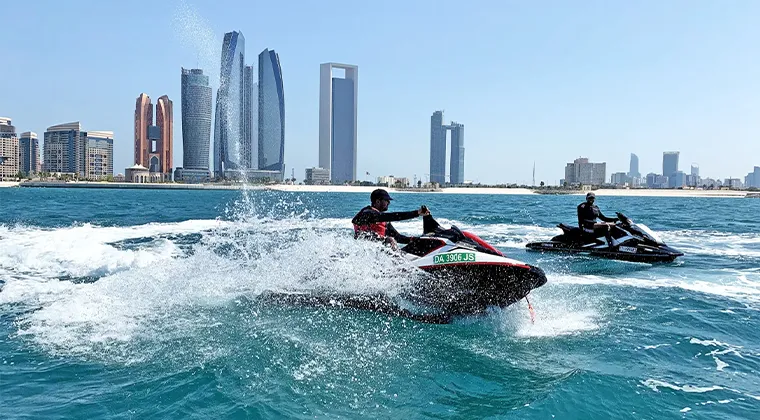
Authorities in Abu Dhabi have introduced a ban on jet ski operations within the environmentally sensitive waters surrounding Saadiyat Island, aiming to safeguard marine habitats and preserve the area’s ecological balance.
Abu Dhabi Prohibits Jet Ski Activities in Saadiyat Island’s Protected Marine Area.
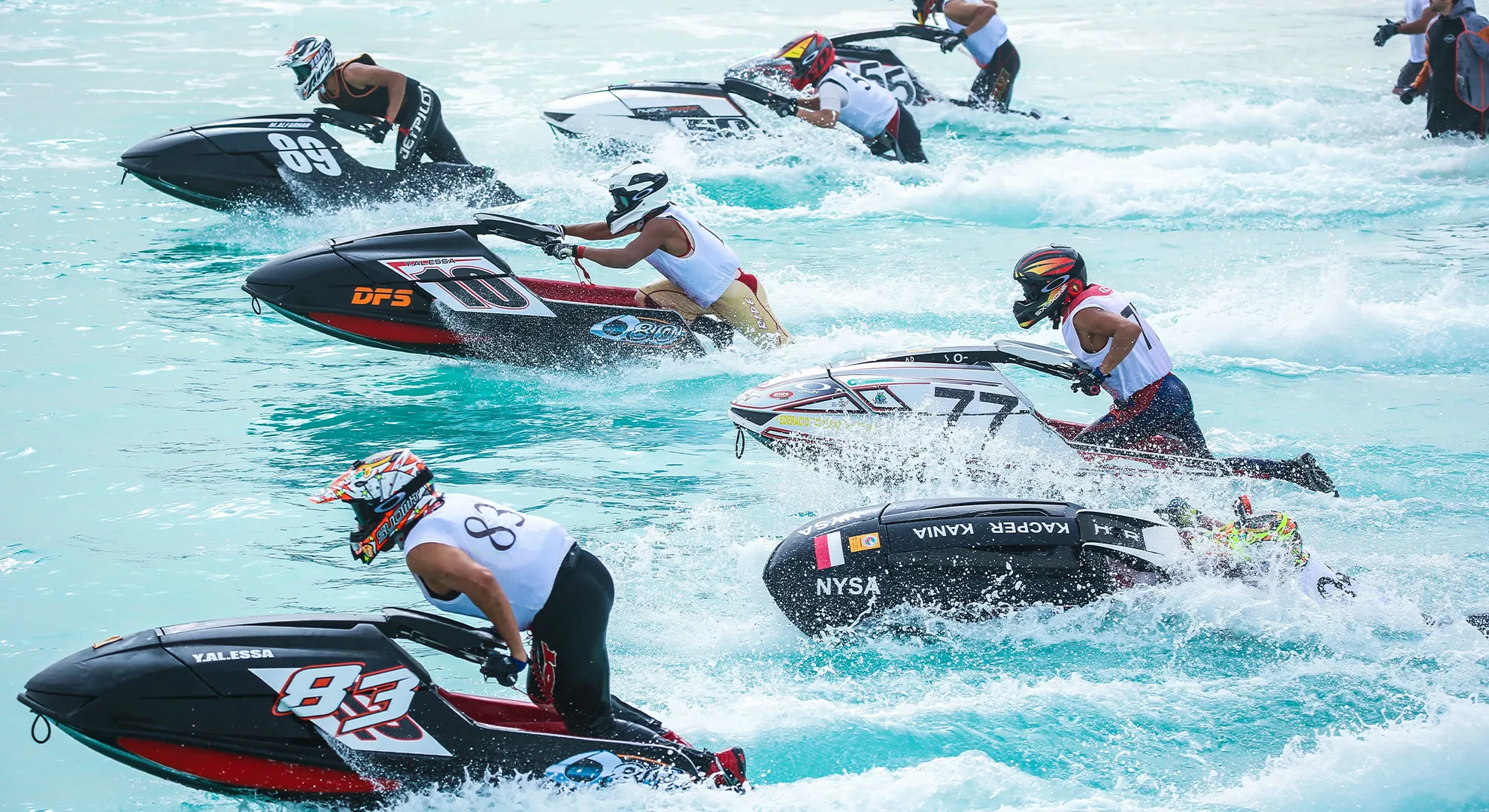
Abu Dhabi Maritime Signals Legal Consequences for Rule Breakers, Urges Strict Adherence to Maritime Laws
Water sports enthusiasts in Abu Dhabi have been urged to avoid using jet skis within the waters surrounding Saadiyat Island after maritime authorities reiterated that the area falls under a specially protected environmental zone. Officials have instructed riders currently operating in or approaching the designated region to leave immediately and refrain from entering the restricted waters in the future.
According to Abu Dhabi Maritime, the protected zone has been established to safeguard sensitive marine ecosystems and wildlife habitats that could be adversely affected by motorised watercraft. As a result, the operation of jet skis and other powered vessels is not permitted within the area. Authorities emphasized that the restriction is part of ongoing efforts to preserve the ecological balance of the island’s coastal environment and ensure long-term protection of its natural resources.
Maritime officials stressed that the regulations are mandatory and apply to all recreational users, regardless of experience or purpose. They noted that compliance with navigation and environmental protection rules is essential to maintaining safety standards and conserving the region’s marine biodiversity. The authority also cautioned that individuals who disregard the restrictions may face penalties under applicable laws and regulations.
In its statement, Abu Dhabi Maritime highlighted that enforcement teams are actively monitoring the protected waters to identify unauthorized activities. Operators found violating the rules could be subject to fines, legal proceedings, or other enforcement measures. Officials said the objective is not only to deter non-compliance but also to raise awareness about the importance of respecting designated conservation areas.
The warning forms part of wider efforts across the United Arab Emirates to improve marine safety, regulate recreational water activities, and protect environmentally significant coastal zones. Authorities throughout the country have increasingly focused on ensuring that watercraft operators follow established guidelines and licensing requirements while respecting restricted areas.
A similar initiative was undertaken in Dubai during the previous year, when authorities launched an extensive inspection and enforcement campaign targeting jet ski operations. The operation aimed to address unsafe behavior on the water, reduce risks to the public, and ensure adherence to maritime regulations. Inspection teams conducted comprehensive checks across various coastal locations, examining equipment, licenses, and compliance with operational rules.
The campaign resulted in hundreds of recorded violations involving jet ski users who failed to meet safety and regulatory requirements. Authorities also confiscated dozens of watercraft that were found to be operating in breach of established standards. Officials described the operation as part of a broader strategy to strengthen oversight of marine recreational activities and encourage responsible conduct among water sports participants.
Regulators across the UAE have repeatedly stressed that recreational boating and jet skiing remain popular activities, but they must be carried out within the framework of existing laws designed to protect both people and the environment. They continue to encourage operators to familiarize themselves with restricted zones, safety requirements, and environmental regulations before heading out onto the water.
By reinforcing these restrictions and increasing monitoring efforts, authorities hope to reduce unlawful marine activities, preserve fragile ecosystems, and promote a culture of responsible recreation throughout the country’s coastal waters. Officials have urged all jet ski riders and vessel operators to remain informed about designated protected areas and to cooperate fully with maritime regulations to avoid penalties and contribute to the preservation of the UAE’s marine environment.
Authorities revealed that the inspection campaign uncovered a wide range of violations committed by jet ski operators, highlighting ongoing concerns about safety and regulatory compliance in the emirate’s coastal waters. Many of the offences involved riders operating watercraft without maintaining valid documentation, while others were found entering areas where jet ski activity is prohibited for safety or environmental reasons.
Among the most common breaches recorded during the operation were cases involving expired licences. Officials noted that some operators continued using their jet skis despite failing to renew the permits required for legal operation. Maintaining a valid licence is considered a fundamental requirement under maritime regulations, as it helps authorities ensure that watercraft owners meet established safety and operational standards.
Enforcement teams also identified numerous incidents in which riders entered restricted locations that are reserved for swimmers, beach visitors, and other members of the public. Such zones are typically designated to reduce the risk of collisions and accidents between motorised watercraft and people enjoying recreational activities near the shore. Authorities stressed that these restrictions are in place to protect public safety and must be respected at all times.
Several violations involved jet ski users travelling too close to hotel beachfronts and private coastal areas where marine recreation rules prohibit the use of high-speed watercraft. Officials explained that these regulations are designed to minimize disturbances to guests, protect swimmers, and ensure a safe environment for all beach users.
Another issue frequently encountered during inspections was the operation of jet skis outside approved hours. Maritime regulations establish specific timeframes during which watercraft can be used, taking into account visibility conditions, safety considerations, and the presence of other marine activities. Riders found operating before or after the permitted periods were cited for failing to follow these requirements.
Inspectors also observed a number of cases in which operators neglected to wear essential safety equipment while riding. The absence of life jackets was among the most common violations documented during the campaign. Authorities emphasized that personal flotation devices play a critical role in preventing serious injuries and fatalities in the event of accidents, falls, or unexpected incidents on the water.
In addition to life jacket violations, some riders were found operating jet skis without appropriate protective gear such as helmets, where required by local regulations. Officials reiterated that safety equipment requirements are not optional and are intended to reduce the likelihood of injuries resulting from collisions, loss of control, or other marine incidents.
The enforcement operation further revealed instances involving underage individuals operating jet skis. Authorities stressed that age restrictions exist to ensure that riders possess the maturity, judgment, and skills necessary to safely control high-powered recreational watercraft. Allowing minors who do not meet legal requirements to operate jet skis can create risks not only for the rider but also for other people using nearby waters.
Another category of violations involved overloading watercraft beyond their approved passenger capacity. Officials warned that carrying more passengers than permitted can affect a jet ski’s balance, handling, and overall stability, significantly increasing the likelihood of accidents. Riders were reminded to adhere to manufacturer guidelines and local regulations regarding maximum occupancy limits.
Authorities explained that penalties were imposed according to the nature and seriousness of each offence. The fine structure is intended to encourage compliance while serving as a deterrent against behavior that could endanger public safety or disrupt marine activities. Individuals operating jet skis with licences that had expired were subject to a financial penalty of Dh1,000. The same amount was applied to cases involving the failure to wear mandatory safety gear, including life jackets and helmets.
More severe penalties were reserved for conduct that could negatively affect the safety and comfort of others. For example, riders found engaging in behavior that disturbed, intimidated, or harassed other beachgoers, swimmers, or water users faced fines of Dh2,000. Authorities noted that reckless or inconsiderate conduct on the water can create dangerous situations and undermine efforts to maintain a safe recreational environment.
Additional penalties were issued to operators who failed to remain within designated marine sports zones. These specially allocated areas are established to separate high-speed recreational activities from swimming areas, commercial operations, and environmentally sensitive locations. Riders who ignored these boundaries and operated outside approved zones were fined Dh1,000 for non-compliance.
Officials said the inspection campaign forms part of a broader strategy aimed at improving maritime safety, strengthening enforcement, and promoting responsible behavior among watercraft users. Through regular patrols, inspections, and awareness initiatives, authorities hope to reduce violations, prevent accidents, and ensure that recreational marine activities are conducted in accordance with the law.
They also encouraged jet ski owners and operators to familiarize themselves with all applicable regulations before entering the water. This includes verifying that licences remain valid, ensuring that required safety equipment is available and properly worn, respecting restricted and protected zones, adhering to operating hours, and following occupancy limits. By observing these requirements, riders can help create a safer environment for everyone while avoiding financial penalties and potential legal consequences.
Authorities concluded by emphasizing that compliance with maritime regulations is essential for protecting both people and coastal environments. They reaffirmed their commitment to ongoing monitoring and enforcement efforts, warning that individuals who continue to disregard the rules may face further sanctions as part of the government’s continued focus on marine safety and responsible watercraft operation.