The UAE government has officially declared the Eid Al Adha 2026 vacation period for private sector employees, giving workers across the country confirmed holiday dates to celebrate the festive occasion with family and friends.
Eid Al Adha 2026 Holidays Officially Announced for UAE Private Sector.
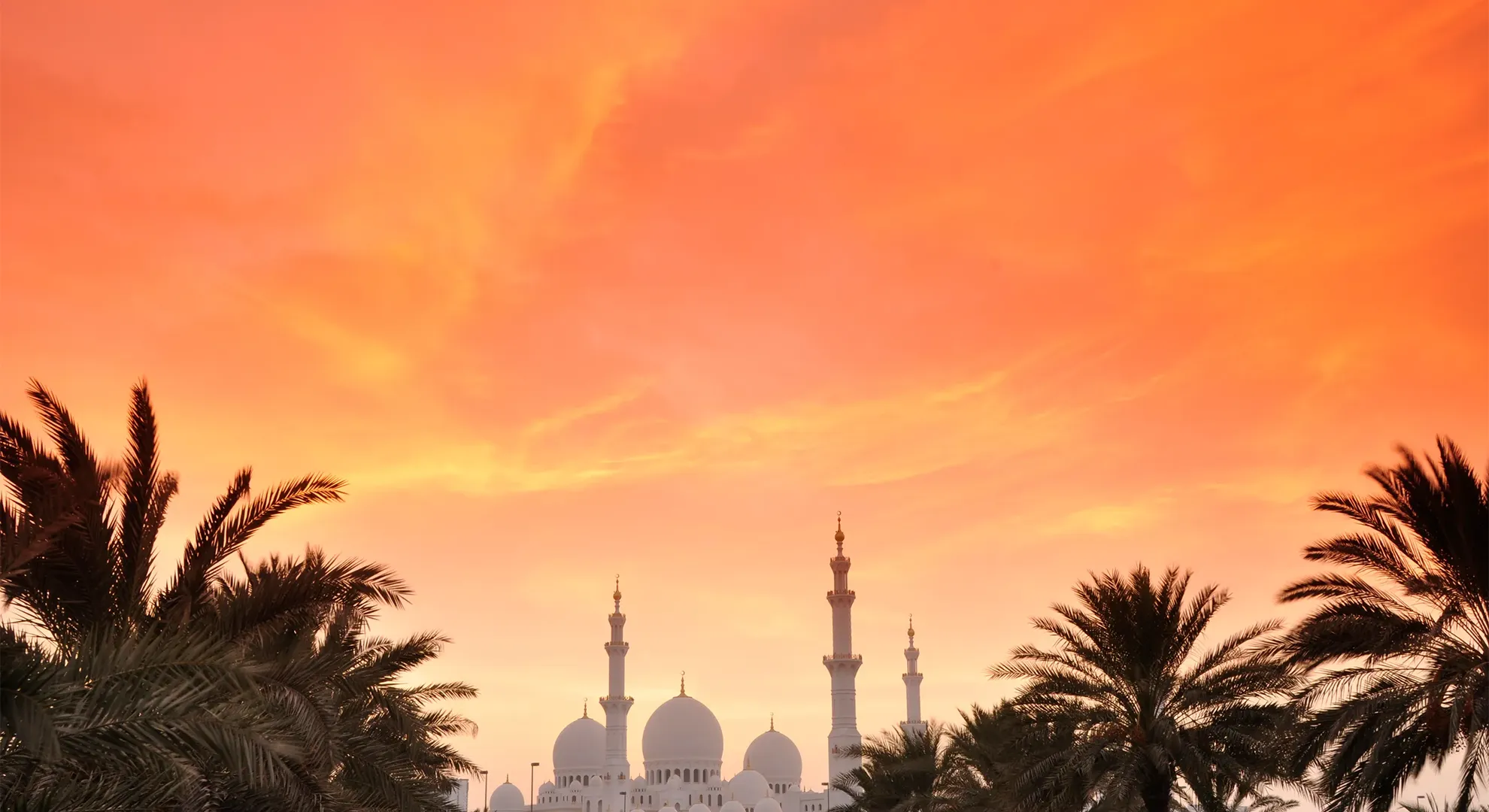
Eid Al Adha, one of the most significant festivals in the Islamic calendar, is closely linked to the annual Hajj pilgrimage in Saudi Arabia. Every year, millions of Muslims from around the world gather in the holy city of Makkah to perform Hajj, which is regarded as the fifth pillar of Islam. The religious occasion symbolizes sacrifice, devotion, faith, and unity among Muslims worldwide. As preparations begin for the sacred celebration in 2026, authorities across the UAE have also announced official holiday schedules for both private and public sector workers.
The UAE’s Ministry of Human Resources and Emiratisation (MoHRE) confirmed that employees working in the private sector will receive a four-day paid holiday in observance of Eid Al Adha and Arafah Day. According to the announcement, the holiday period will start on Tuesday, May 26, 2026, and continue until Friday, May 29, 2026. Employees are expected to return to work after the break once the official holiday period concludes.
For many workers in the private sector, the timing of the Eid holidays will provide an even longer period of rest. Employees whose regular weekly off days fall on Saturday and Sunday will effectively enjoy a six-day vacation when the weekend is combined with the official Eid break. This extended time off is expected to allow residents to spend more quality time with their families, travel abroad, or participate in festive gatherings and religious observances across the country.
Eid Al Adha is traditionally marked by prayers, charity, family meals, and community celebrations. During the holiday period, shopping malls, tourist destinations, hotels, and entertainment venues across the UAE typically witness a rise in activity as residents take advantage of the extended leave. Many families also use the break for short vacations or to visit relatives living in different emirates or overseas destinations.
Meanwhile, employees working in the UAE’s federal government sector are expected to receive an even longer holiday period during Eid Al Adha 2026. Authorities announced that public sector workers will benefit from a five-day official break for the occasion. When combined with the regular Saturday and Sunday weekend, many government employees could enjoy a total of nine consecutive days away from work.
Based on the current schedule, federal employees are expected to resume official duties on Monday, June 1, following the conclusion of the Eid celebrations. The extended break is likely to boost domestic tourism and increase travel demand, as many residents may plan vacations during the lengthy holiday period. Airlines, hotels, and tourist attractions across the UAE and neighboring countries often experience high booking volumes around Eid holidays due to the surge in travel plans.
The Emirate of Sharjah is also expected to offer one of the longest holiday periods in the country during Eid Al Adha 2026. Sharjah government employees are set to benefit significantly because of the emirate’s existing four-day workweek system. The Sharjah government currently follows a schedule where Friday, Saturday, and Sunday are designated weekend days for employees.
As a result of this unique work arrangement, the official Eid Al Adha and Arafah Day holidays could translate into an extended 10-day break for Sharjah government workers. The combination of public holidays and the three-day weekend structure creates a rare opportunity for employees to enjoy a long period of rest and family time.
The announcement has generated excitement among residents, especially those planning travel or family gatherings during the Eid season. Long holiday periods during major Islamic festivals are often welcomed by employees as an opportunity to relax, recharge, and celebrate important religious traditions with loved ones.
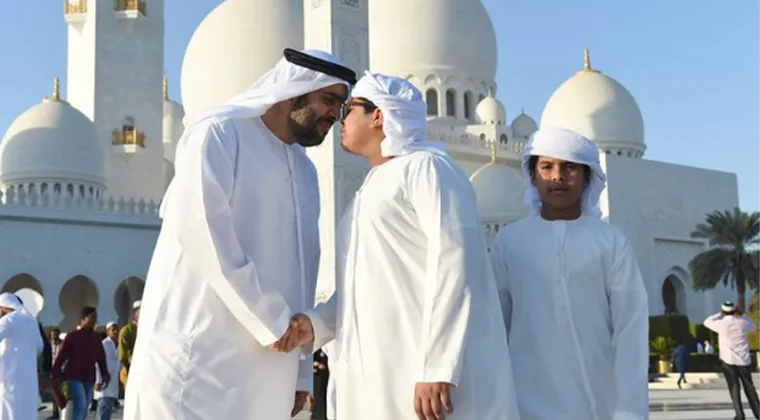
Across the UAE, Eid Al Adha celebrations are known for their festive atmosphere. Mosques hold special prayers early in the morning, while charitable activities increase during the holiday as people distribute food and donations to those in need. Families gather for traditional meals, exchange gifts, and participate in cultural events taking place in malls, parks, and entertainment venues.
The hospitality and retail sectors are also expected to benefit from the upcoming holidays. Hotels frequently introduce special Eid packages, while shopping centers organize promotional campaigns and entertainment shows to attract visitors during the festive season. Restaurants and tourist attractions usually remain busy throughout the break as residents and tourists celebrate the occasion.
As the holiday dates approach, many residents are likely to begin planning vacations, staycations, and family outings well in advance. Travel agencies and airlines may also introduce Eid travel deals to accommodate the expected increase in demand.
With both private and public sector employees receiving extended time off, Eid Al Adha 2026 is expected to become one of the busiest holiday periods of the year in the UAE, bringing together religious observance, family celebrations, and leisure activities across the country.
Dhul Hijjah moon sighting
On May 17, the UAE’s official moon-sighting committee gathered to monitor the appearance of the crescent moon marking the beginning of Dhul Hijjah, the twelfth and final month of the Islamic lunar calendar. After completing the observation process and confirming the sighting of the crescent, religious authorities officially announced that May 18 would be observed as the first day of Dhul Hijjah. The announcement is significant for Muslims across the country, as the month includes important religious events such as the Hajj pilgrimage and Eid Al Adha celebrations, which are observed by millions of people worldwide with prayers, gatherings, and charitable activities.
When is Eid Al Adha?
Arafah Day holds immense religious importance for Muslims around the world and is regarded as the most spiritually significant day during the annual Hajj pilgrimage. The occasion falls on the ninth day of Dhul Hijjah, the final month of the Islamic lunar calendar, and represents a central part of the sacred pilgrimage rituals performed in Saudi Arabia each year. In 2026, Arafah Day is expected to be observed on Tuesday, May 26, before the beginning of Eid Al Adha celebrations.
The day derives its name from Mount Arafat, also known as Jabal Al Rahmah or the Mount of Mercy, located near the holy city of Makkah. During Hajj, millions of pilgrims gather at the plain of Arafat and spend the day in prayer, reflection, repentance, and supplication. Standing at Arafat, referred to as “Wuquf Arafat,” is considered the most essential ritual of Hajj. Islamic teachings state that the pilgrimage is incomplete without this act, highlighting the profound spiritual value attached to the day.
Pilgrims devote their time on Arafah Day to seeking forgiveness, offering prayers, reciting verses from the Holy Quran, and remembering Allah. Many Muslims believe this is a day when prayers are especially accepted, sins are forgiven, and spiritual rewards are multiplied. The occasion encourages reflection, humility, and devotion, making it one of the holiest days in the Islamic faith.
For Muslims who are not participating in Hajj, fasting on Arafah Day is highly recommended. According to Islamic tradition, fasting on this day is believed to expiate sins from the previous year and the coming year. As a result, millions of Muslims across different countries observe voluntary fasting and increase acts of worship during the occasion.
Following Arafah Day, Muslims around the globe celebrate Eid Al Adha, also known as the “Festival of Sacrifice.” The festival commemorates the devotion and obedience of Prophet Ibrahim, who was willing to sacrifice his son in submission to God’s command before being provided with a ram to sacrifice instead. The story represents faith, sacrifice, and trust in Allah and forms a central part of Islamic teachings.
Eid Al Adha begins on the tenth day of Dhul Hijjah and continues for several days. The celebration starts with special congregational prayers held early in the morning at mosques and open prayer grounds. Families and communities gather to mark the occasion, exchange greetings, and spend time together during the festive period.
One of the most important traditions associated with Eid Al Adha is the ritual sacrifice of livestock such as sheep, goats, cows, or camels. The meat from the sacrifice is usually divided into portions for family members, relatives, friends, and those in need. Charity and helping the less fortunate are major aspects of the celebration, reflecting the values of compassion and generosity promoted by Islam.
The festival takes place alongside the annual Hajj pilgrimage, one of the five pillars of Islam. Every year, millions of Muslims from various parts of the world travel to Makkah in Saudi Arabia to fulfill this sacred religious obligation. Hajj is required once in a lifetime for every Muslim who is physically and financially capable of undertaking the journey.
Pilgrims participating in Hajj perform a series of rituals over several days, including Tawaf around the Holy Kaaba, walking between the hills of Safa and Marwah, standing at Arafat, spending time in Muzdalifah, and performing symbolic stoning rituals in Mina. These acts commemorate important events from Islamic history and symbolize obedience, patience, sacrifice, and unity among believers.
The Hajj pilgrimage is considered one of the largest annual religious gatherings in the world. Pilgrims from different nationalities, cultures, and backgrounds come together wearing simple white garments that symbolize equality and humility before God. The experience reflects the universal brotherhood of Islam and emphasizes spiritual purification and devotion.
During the Eid Al Adha period, Muslim-majority countries, including the UAE, Saudi Arabia, and several others across the Middle East and Asia, typically declare public holidays to allow residents to participate in religious and family celebrations. The extended holiday period often leads to increased travel, shopping, tourism, and festive activities across cities and communities.
In the UAE, mosques organize special Eid prayers, while families gather for meals, celebrations, and social visits. Many residents also use the holiday period to travel domestically or internationally. Shopping malls, entertainment destinations, and hotels usually launch special promotions and events to mark the festive season.
Eid Al Adha also serves as a reminder of the values of sacrifice, gratitude, and caring for others. Across communities, charitable organizations and individuals distribute food, clothing, and financial assistance to underprivileged families so they can also participate in the celebrations. Acts of kindness and generosity become especially common during this time.
The spiritual atmosphere surrounding Arafah Day and Eid Al Adha creates a meaningful period for Muslims worldwide. While pilgrims complete their sacred rituals in Saudi Arabia, millions of others observe the occasion through prayer, fasting, charity, and family gatherings in their home countries. The combination of Hajj, Arafah Day, and Eid Al Adha highlights themes of faith, devotion, compassion, and unity that remain central to Islamic traditions.
As preparations begin for the 2026 celebrations, authorities in several countries are also expected to finalize holiday schedules, travel arrangements, and public services to accommodate the large number of worshippers and travelers during this important religious season. The annual observance continues to hold deep significance for Muslims everywhere, bringing together communities in worship, celebration, and reflection.