
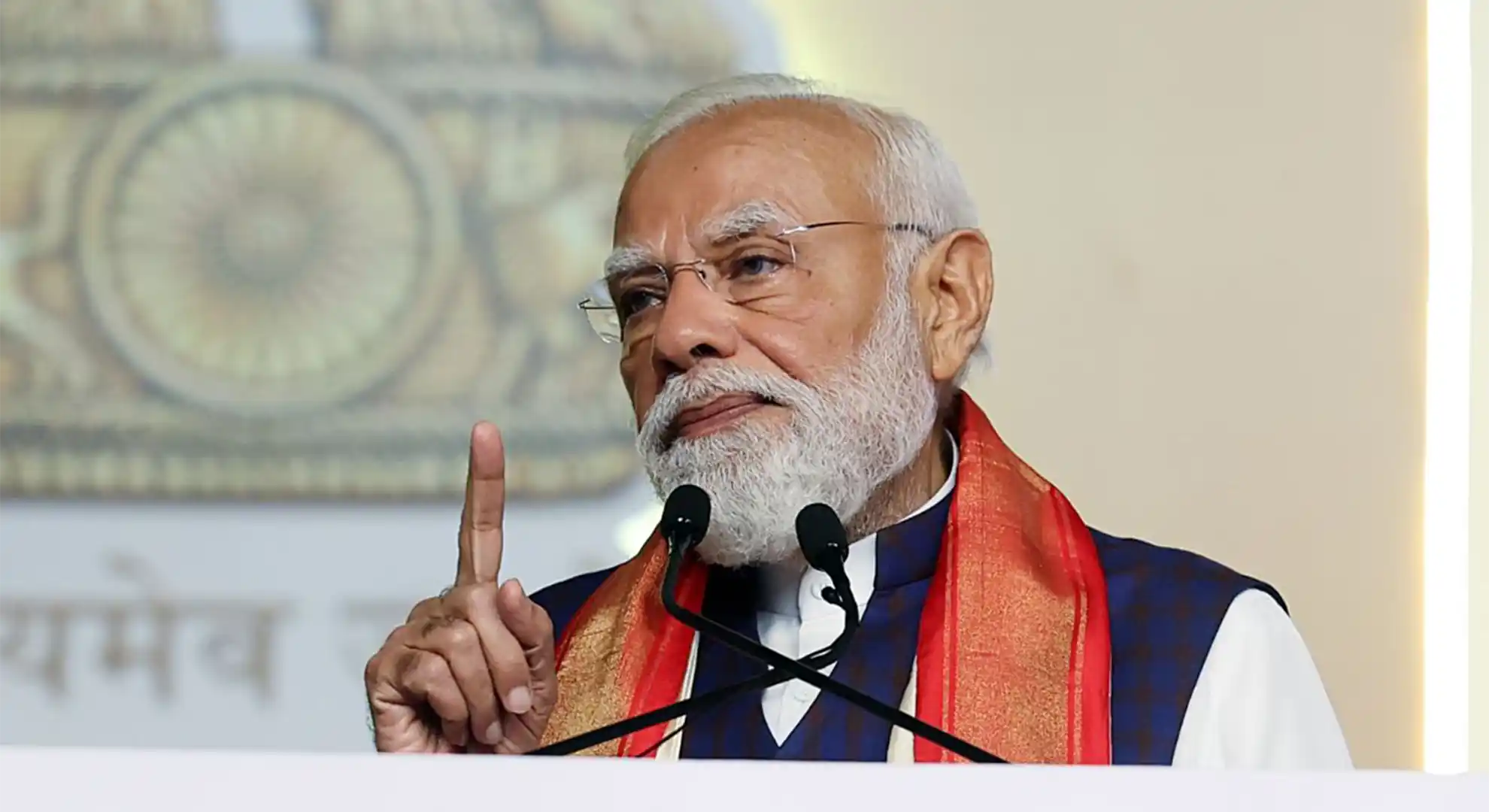
Prime Minister Narendra Modi reportedly urged Indians to reduce gold purchases temporarily to help protect India’s economy. Since India imports most of its gold and oil using US dollars, excessive imports can weaken the rupee, increase inflation, and pressure foreign exchange reserves. The strategy aims to stabilize the economy during global uncertainty.
Why PM Modi Wants Indians to Avoid Buying Gold for a Year — The Economic Strategy Behind the Big Appeal
Rising Gold Prices, Falling Rupee & Economic Pressure: What’s Really Happening?
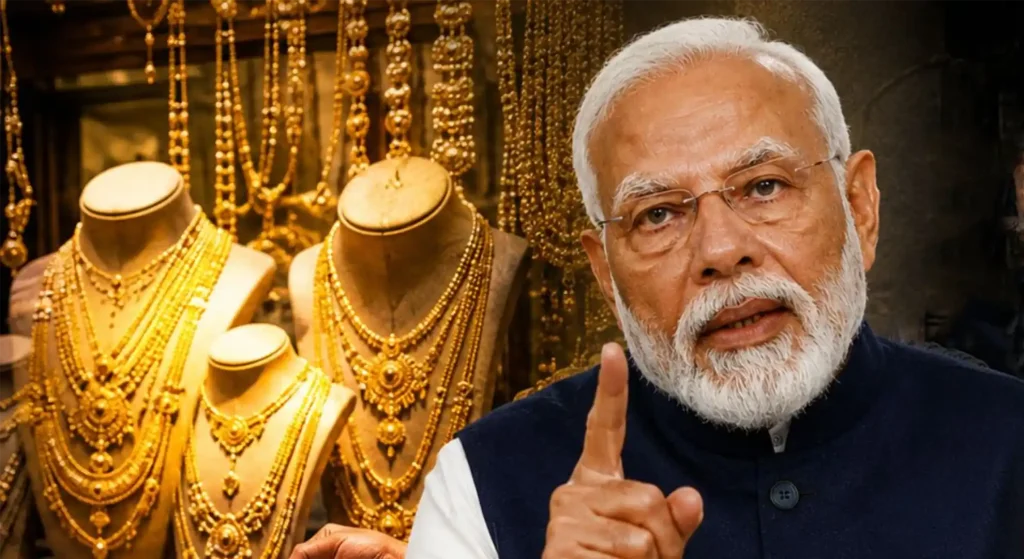
Gold has always held a special place in Indian households. From weddings and festivals to savings and investments, buying gold is deeply connected to Indian culture and tradition. But recently, Prime Minister Narendra Modi made headlines after reportedly urging citizens to avoid purchasing gold for some time.
The statement immediately sparked debates across the country. Why would a government ask people not to buy one of India’s most loved assets? Is the economy under pressure? Is this connected to rising oil prices and the weakening rupee? Or is it part of a larger financial strategy?
Experts believe the appeal is not about stopping traditions — it is about protecting India’s economy during a difficult global situation.
India’s Biggest Problem: Heavy Dependence on Imports
India is one of the world’s largest consumers of gold. Every year, thousands of tonnes of gold are imported into the country because domestic production is extremely low. This means India has to spend billions of dollars purchasing gold from foreign countries.
At the same time, India also imports most of its crude oil needs. With global tensions increasing and oil prices rising sharply, the country is already spending huge amounts of foreign currency on fuel imports.
Now imagine this situation:
- India is buying expensive oil from abroad
- India is also importing massive quantities of gold
- Both payments are made in US dollars
This creates enormous pressure on India’s foreign exchange reserves.
Economists say this is the real reason behind the government’s concern.
Why Gold Imports Affect the Indian Economy
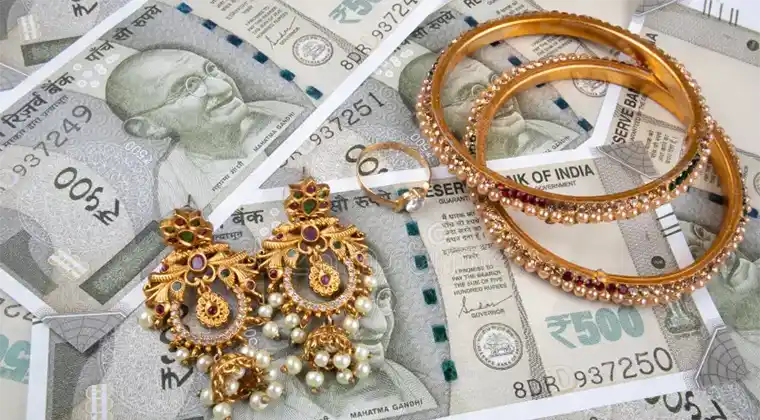
When Indians buy more gold, importers need more dollars to pay foreign sellers. As demand for dollars increases:
- the Indian rupee weakens,
- imports become costlier,
- inflation rises,
- and the trade deficit widens.
A weaker rupee also impacts common people directly because prices of fuel, electronics, medicines, and imported goods increase.
In simple words, excessive gold buying during an economic pressure period can indirectly make daily life more expensive.
This is why the government appears to be encouraging people to reduce “non-essential” imports temporarily.
The Hidden Strategy: Saving Dollars for the Economy
According to market analysts, the government’s strategy is focused on one major goal:
“Save foreign exchange reserves and stabilize the rupee.”
Oil imports are unavoidable because the country needs fuel for transportation, industries, electricity generation, and agriculture. But gold purchases, especially luxury jewellery buying, are viewed as something that can be delayed for a few months.
By reducing gold demand:
- fewer dollars leave India,
- pressure on forex reserves decreases,
- and the rupee gets some stability.
This approach has been used by India before during difficult economic periods.
Not the First Time India Has Taken Such Steps
This is not a completely new idea. In previous years, especially during economic stress periods, India has introduced several measures to reduce gold imports, including:
- increasing gold import duties,
- launching Sovereign Gold Bonds (SGBs),
- promoting digital gold investments,
- and introducing gold monetisation schemes.
The objective has always been the same — reduce physical gold imports and protect the economy from external pressure.
Why the Timing Matters Right Now
The timing of this appeal is extremely important.
The world economy is currently facing:
- geopolitical tensions,
- unstable oil markets,
- inflation fears,
- and global financial uncertainty.
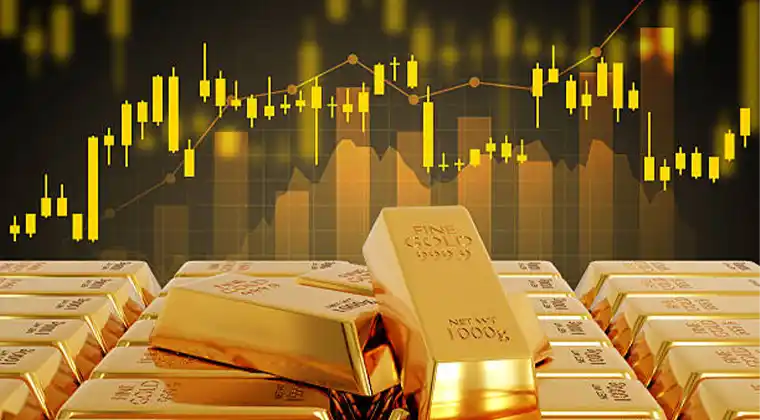
Whenever global uncertainty rises, people across the world rush to buy gold because it is considered a “safe investment.” As a result, gold prices rise sharply.
In India, rising gold demand during such periods can create a double burden:
- Higher gold prices
- Higher import bills
This becomes risky when oil prices are also climbing at the same time.
Public Reactions: Supporters vs Critics
The statement has created mixed reactions across the country.
Supporters Say
Many supporters believe this is a patriotic and temporary economic appeal aimed at protecting India during global instability. They argue that reducing unnecessary imports can strengthen the country financially.
Critics Say
Opposition leaders and critics argue that such appeals indicate deeper economic stress. Some believe the government should focus more on increasing incomes and strengthening domestic production rather than asking citizens to reduce purchases.
Social media has also been divided, with many users debating whether Indians can realistically stay away from gold, especially during wedding season.
Can Indians Really Stop Buying Gold?
Experts say completely stopping gold purchases may not be practical because gold is emotionally and culturally important in India. Weddings, festivals like Dhanteras and Akshaya Tritiya, and family traditions are strongly connected to jewellery buying.
However, economists suggest that even a temporary reduction in demand could help reduce import pressure.
Some financial advisors are also encouraging people to consider alternatives like:
- Sovereign Gold Bonds,
- digital gold,
- or gold ETFs instead of physical gold jewellery.
Why PM Modi Wants Indians to Avoid Buying Gold for a Year — The Economic Strategy Behind the Big Appeal
As Gold Prices Rise and the Rupee Faces Pressure, the Government’s Message Sparks Nationwide Debate
For generations, gold has been more than just a metal in India. It represents security, prosperity, status, tradition, and emotional value. From weddings and festivals to long-term savings, Indian families have always trusted gold more than almost any other investment.
But now, Prime Minister Narendra Modi has triggered a major national discussion after reportedly urging citizens to avoid buying gold for a certain period of time.
The appeal surprised many Indians. In a country where gold buying is almost a cultural ritual, why would the government ask people to reduce purchases?
Is the economy under pressure?
Is India running short of dollars?
Is this connected to rising oil prices and the weakening rupee?
Or is there a much larger economic strategy behind the message?
Financial experts believe the answer lies deep inside India’s economic structure — and the growing pressure caused by global uncertainty, expensive crude oil, and heavy import dependence.
India’s Love for Gold Is Massive
India is one of the world’s largest consumers of gold. Every year, Indians purchase enormous quantities of jewellery, coins, and investment gold. During wedding seasons and festivals like Dhanteras and Akshaya Tritiya, gold demand rises dramatically.
For millions of Indian families:
- Gold is considered safer than stocks
- Jewellery is seen as long-term security
- Parents buy gold for daughters’ weddings
- Rural families often treat gold as emergency savings
In villages and towns across India, gold is not viewed as luxury alone — it is viewed as financial protection.
This emotional and cultural connection makes India one of the biggest gold-buying nations in the world.
But there is one major problem.
India Produces Very Little Gold
Despite massive demand, India produces only a tiny amount of gold domestically. Most of the gold sold in the country comes from imports.
That means India has to purchase gold from foreign countries using US dollars.
Every time Indians buy imported gold:
- dollars leave the country,
- import bills increase,
- and pressure on the economy grows.
Normally, this situation remains manageable. But during global economic stress, the impact becomes much more serious.
The Real Crisis: Oil + Gold Together
The timing of this appeal is extremely important.
India is already struggling with rising crude oil prices because of ongoing geopolitical tensions and instability in global markets.
Since India imports most of its fuel requirements, the country spends billions of dollars every month on oil imports.
Now combine that with massive gold imports.
This creates a dangerous situation where:
- India needs huge amounts of dollars for oil,
- huge amounts of dollars for gold,
- and continuous foreign payments weaken the rupee.
Economists say this is where the government’s concern begins.
Why the Rupee Weakens
To understand the strategy, it is important to understand how the rupee works.
When India imports goods like oil and gold:
- Indian companies need dollars,
- demand for dollars rises,
- and the rupee weakens against the dollar.
A weak rupee creates several economic problems:
- Petrol and diesel become more expensive
- Imported goods cost more
- Inflation rises
- Travel abroad becomes costly
- Electronics and medicines become expensive
This affects ordinary people directly.
In simple terms:
More gold imports = More dollar demand = More pressure on the rupee
That is why economists believe the government wants to temporarily reduce “avoidable imports” like gold.
The Government’s Hidden Economic Strategy
Experts believe the message behind avoiding gold purchases is part of a broader economic protection strategy.
The objectives may include:
1. Protecting Foreign Exchange Reserves
India maintains forex reserves to pay for imports and stabilize the economy during global crises. If imports rise too sharply, reserves can come under pressure.
2. Reducing Trade Deficit
When imports become much higher than exports, the trade deficit widens. Heavy gold imports significantly contribute to this issue.
3. Stabilizing the Rupee
Reducing gold demand can reduce dollar outflow and help stabilize the Indian currency.
4. Controlling Inflation
A stable rupee helps control inflation because imported goods remain relatively cheaper.
5. Preparing for Global Economic Uncertainty
With wars, supply chain disruptions, and oil volatility affecting the world economy, governments often encourage economic caution.
Why Gold Is Being Targeted Instead of Other Imports
The government cannot reduce essential imports like:
- crude oil,
- medicines,
- machinery,
- fertilizers,
- or industrial equipment.
But gold is considered different.
While culturally important, economists view large jewellery purchases as non-essential spending during economic pressure periods.
The idea is not to permanently stop buying gold.
Instead, the strategy appears to be:
“Delay heavy gold purchases temporarily until global economic conditions stabilize.”
This Is Not India’s First Anti-Gold Strategy
India has tried several measures in the past to reduce dependence on physical gold imports.
These include:
Higher Gold Import Duties
The government has repeatedly increased import taxes on gold to reduce demand.
Sovereign Gold Bonds (SGBs)
These allow people to invest in gold digitally without importing physical gold.
Gold Monetisation Schemes
People are encouraged to deposit idle gold with banks instead of buying more jewellery.
Digital Gold & Gold ETFs
Financial alternatives are promoted to reduce physical imports.
The current message appears to be part of this long-term strategy.
Global Tensions Are Making Things Worse
Another major reason behind the appeal is the current global economic environment.
The world is facing:
- geopolitical conflicts,
- unstable oil markets,
- inflation fears,
- high interest rates,
- and fears of economic slowdown.
During uncertain times, investors worldwide rush toward gold because it is seen as a “safe haven” asset.
This increases international gold prices sharply.
For India, rising gold prices create a double problem:
- Higher import costs
- Higher demand during uncertainty
That increases pressure on India’s dollar reserves even more.
What Economists Are Saying
Many economists believe the government’s concern is economically logical.
According to market analysts:
- reducing non-essential imports during global stress is common economic practice,
- countries often encourage citizens to conserve foreign exchange,
- and stabilizing the rupee becomes a top priority during uncertain periods.
Some experts have also warned that if oil and gold imports continue rising together, India could face:
- larger current account deficits,
- inflation spikes,
- and slower economic stability.
Critics Have Raised Questions Too
Opposition leaders and critics have reacted strongly to the idea.
Some argue:
- the government should focus on increasing incomes instead of restricting purchases,
- economic management should not depend on public appeals,
- and asking people to avoid gold reflects deeper financial pressure.
Others say India’s economy is still strong enough to manage imports and that such appeals may create unnecessary panic.
The debate has quickly spread across television channels, business discussions, and social media platforms.
Can Indians Really Stop Buying Gold?
This may be the biggest challenge.
Gold in India is not just an investment — it is tradition.
Families buy gold for:
- weddings,
- religious ceremonies,
- gifts,
- festivals,
- and emotional security.
In many households, especially in rural India, gold is trusted more than banks or stock markets.
That is why experts believe completely stopping gold demand is unrealistic.
However, even a temporary slowdown in purchases could reduce import pressure significantly.
Alternative Investments the Government May Prefer
Financial experts believe the government may want people to shift toward:
- Sovereign Gold Bonds,
- digital investments,
- mutual funds,
- fixed deposits,
- or stock market investments.
These options:
- reduce physical imports,
- keep money inside the Indian financial system,
- and support economic stability.
What This Means for Ordinary Indians
For the average citizen, the message is less about banning gold and more about financial timing.
The government appears to be signaling:
- avoid unnecessary luxury spending temporarily,
- be cautious during global uncertainty,
- and support economic stability.
Whether people follow the appeal or not, the discussion has revealed one important reality:
Gold is no longer just jewellery in India — it has become part of the country’s economic and strategic planning.