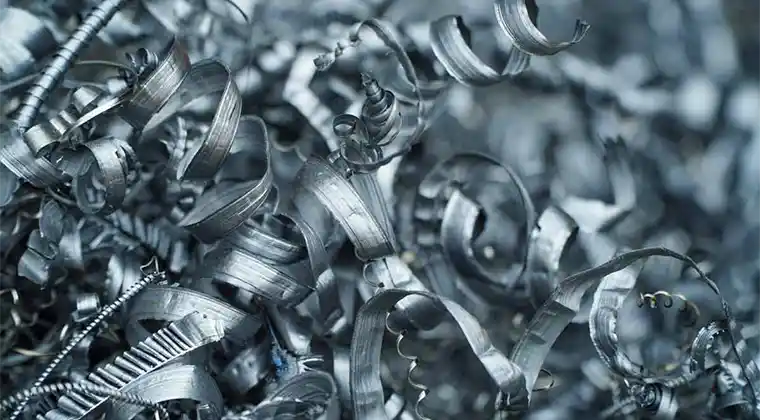
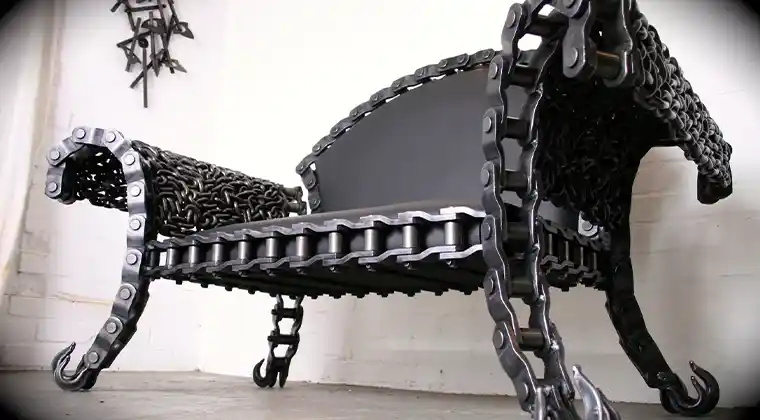
In Dubai, visionary designers are transforming discarded fabric and scrap metal into innovative, eco-friendly creations, proving that sustainability and artistry can thrive together by giving new life to what others consider waste.
Dubai designers turn fabric waste and scrap metal into sustainable treasures
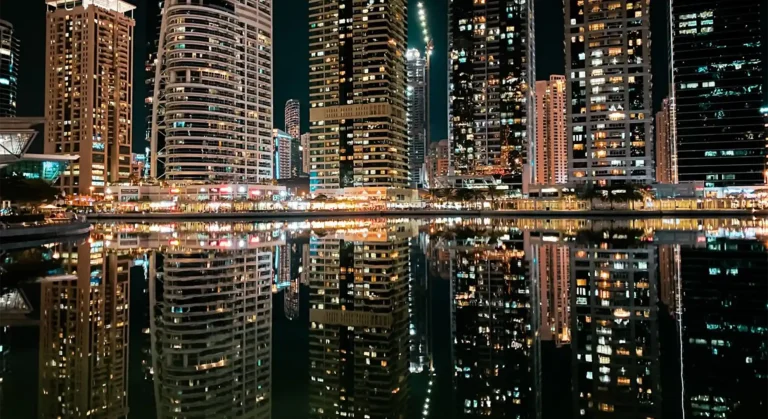
Amid the glittering skyline and iconic structures of the Dubai Design District, Dubai Design Week celebrates its 11th edition. Over the years, the event has come to symbolize not only the city’s emergence as a global design powerhouse but also its growing confidence, fueled by local creativity and a strong sense of cultural identity.
Held under the patronage of Sheikha Latifa bint Mohammed bin Rashid Al Maktoum, Chairperson of the Dubai Culture and Arts Authority, the week-long gathering unites designers and innovators from around the world to share ideas, collaborate, and explore how design can drive a more sustainable and inclusive future.
This year’s rich line-up features a wide range of experiences, from large-scale installations and curated exhibitions to thought-provoking talks, hands-on workshops, and a lively marketplace. It also includes Downtown Design—the region’s leading contemporary design fair—and Editions, the Middle East’s first showcase dedicated to limited-edition art and design, which has swiftly become a symbol of the region’s creative aspirations.
A standout feature of the event is Tashkeel, an art and design studio established in 2008 by Sheikha Lateefa bint Maktoum bin Rashid Al Maktoum to support visual artists and designers. Through its flagship initiative, Tanween, launched in 2013, Tashkeel mentors nine UAE-based designers each year, guiding them over several months as they create practical, design-led solutions that tackle pressing sustainability issues.
At Downtown Design 2025, Tashkeel will unveil the Tanween Collection 2025, a showcase of works that highlight innovation in materials and a deep commitment to sustainability. This year’s line-up includes talented creators such as Hessa Al Ghandi, Sketch & Space Studio (Amna Alshamsi and Hanan Rafiee), Tasneem Al Nabhani, Jasim Alnaqbi, among others. Drawing inspiration from repurposed textiles and scrap metal, the designers merge contemporary sustainable practices with Emirati heritage, weaving meaningful stories through their meticulously crafted pieces.


Iraqi-British artist, designer, and architect Sarah Al Dulaimi is known for her multidisciplinary approach that reimagines everyday materials and methods into imaginative, lighthearted works. She shares, “To me, sustainability isn’t just a visual style—it’s a duty to confront genuine global challenges. I decided to experiment with fabric because the fast fashion industry is one of the most pressing environmental concerns, and I wanted to address it within a local context.” Her collection, Oculus, was created using leftover chiffon scraps sourced from abaya tailors in Madinat Zayed, Abu Dhabi.
She attributes this creative partnership to the Tanween programme, saying, “Being part of Tanween opened opportunities to collaborate with government bodies and key players in the UAE’s sustainable fabric sector, who played a major role in shaping my research. During this process, I spent time in Madinat Zayed’s tailor shops at the height of the Eid season, observing and engaging with the craftsmen in their daily routines. Their expertise and insights were invaluable, and together, we developed and refined the concept throughout the programme.”
Al Dulaimi emphasizes that working with fabric waste doesn’t have to result in something that looks reused or raw — with the right approach, it can exude sophistication and elegance, earning its place within the world of luxury design.
Describing her work, she says, “Oculus represents a moment of revelation. When unlit, it’s a dark, enigmatic circle that hides everything. But once illuminated, it unveils a burst of unexpected colours. It reflects ideas of identity, privacy, and presence deeply rooted in Emirati and Arab culture.”
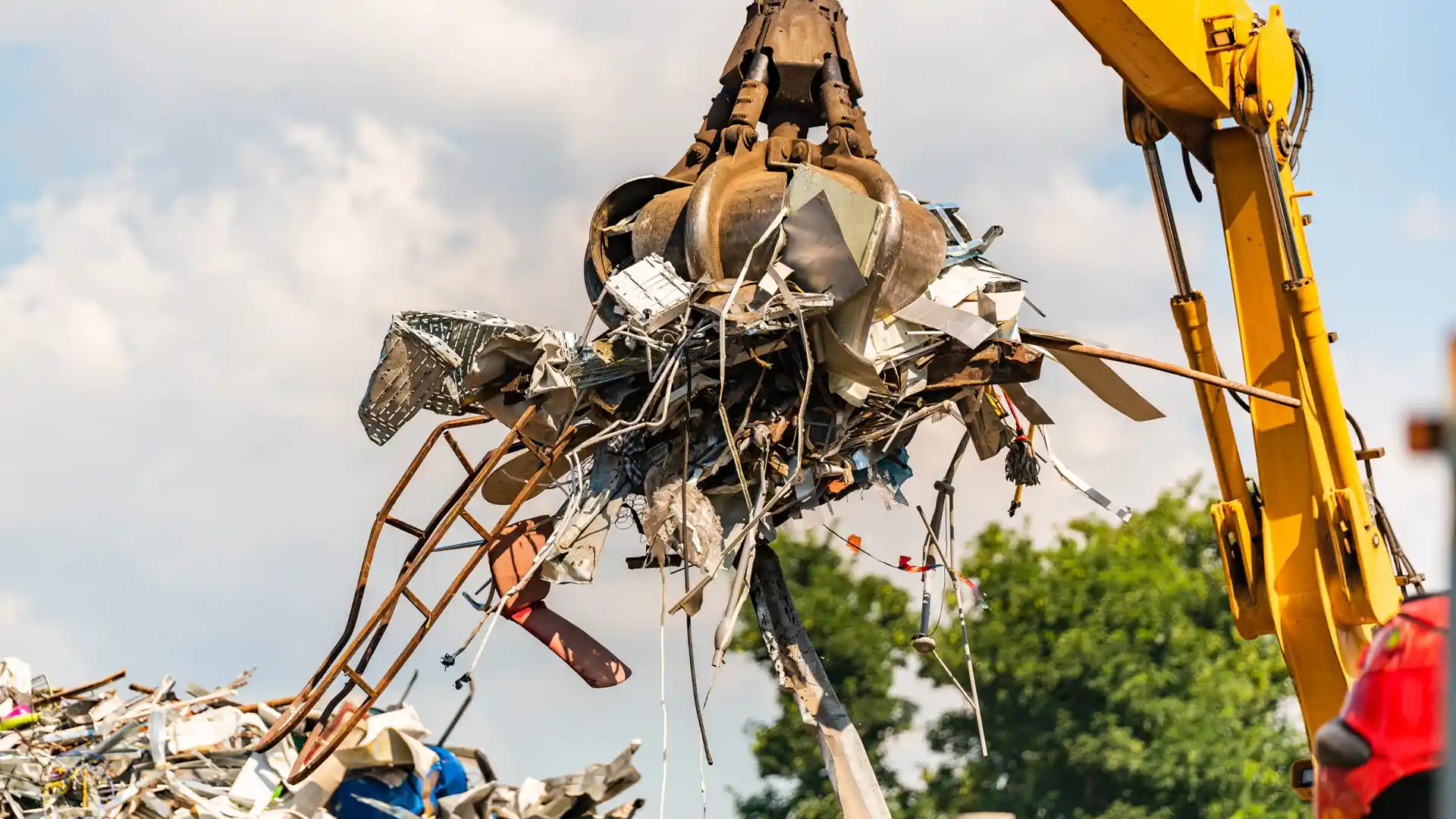
Another designer, Jassim Alnaqbi, founder of Taqseem Studio, finds his muse in the UAE’s scrapyards. “I came across heaps of abandoned metal — once valuable materials now forgotten,” he explains. Despite the UAE generating over five million tonnes of industrial waste each year, much of this metal remains unused. Determined to give it new purpose, he began transforming it into something meaningful. What started as a simple observation evolved into a mission to reimagine discarded metal as objects of value. Like family heirlooms passed down and redefined over time, he now repurposes stainless steel and coats it through electroplating to achieve the warm, golden finish of brass.
Alnaqbi’s collection, Haila, pays tribute to Emirati culture through its aesthetic, symbolism, and storytelling. “The design is inspired by the traditional cardamom-shaped bangle known as ḥabbat al-hail (حبة الهيل), a classic piece of Emirati jewellery influenced by nature. Even its name, Haila, carries multiple connotations in Arabic — representing wealth, aroma, abundance, and femininity,” he explains.
For Alnaqbi, gold holds a deeper meaning beyond decoration; it signifies both beauty and security, encapsulated in the popular saying ‘الذهب زينه وخزينه’ (“Gold is both adornment and safeguard”). This notion lies at the core of Haila, where the symbolism of jewellery is reinterpreted into a sculptural, functional form that preserves elegance, memory, and value.
In a similar spirit, Hessa Al Ghandi, Emirati interior designer and founder of Hessa Archives, focuses on rhythm, intuition, and emotion rather than direct imitation. Drawing from her cultural roots, she describes how her design mirrors the play of light, the movement of wind, and the natural harmony found in the UAE’s landscapes. “I envisioned how my grandmother and great-aunt might have approached this, and I followed their essence,” she says. The piece, titled Lamah (لمّه), meaning a gathering in Arabic, embodies connection and shared experience — a celebration of memory, heritage, and togetherness.
Looking ahead, these initiatives are poised to make a meaningful impact on the global design landscape. Hessa Al Ghandi hopes her work adds an authentic voice to the UAE’s evolving design identity — one rooted in sincerity of materials and the power of memory. “Our national design language is still taking shape, and if Lamah encourages people to appreciate what already exists around them, then it has achieved its purpose,” she shares.
Echoing her perspective, Jassim Alnaqbi describes his creations as part of a growing movement in Emirati design — one that treats heritage not as a relic to be preserved, but as a dynamic source of creativity and progress. His work serves as a reminder that tradition can inspire innovation rather than limit it.
Aligned with this year’s theme of ‘Community’, each collection in the programme embodies a shared sense of purpose and connection. As Sarah Al Dulaimi aptly notes, “The future of design depends on empathy, collaboration, and re-evaluating what we consider valuable.”