UAE teachers’ summer break is more than a holiday, involving lesson planning, professional development, preparation for the new academic year and valuable time away from daily classroom responsibilities.
UAE Educators’ Summer Break Explained: Planning, Training and Time Away From Classrooms.
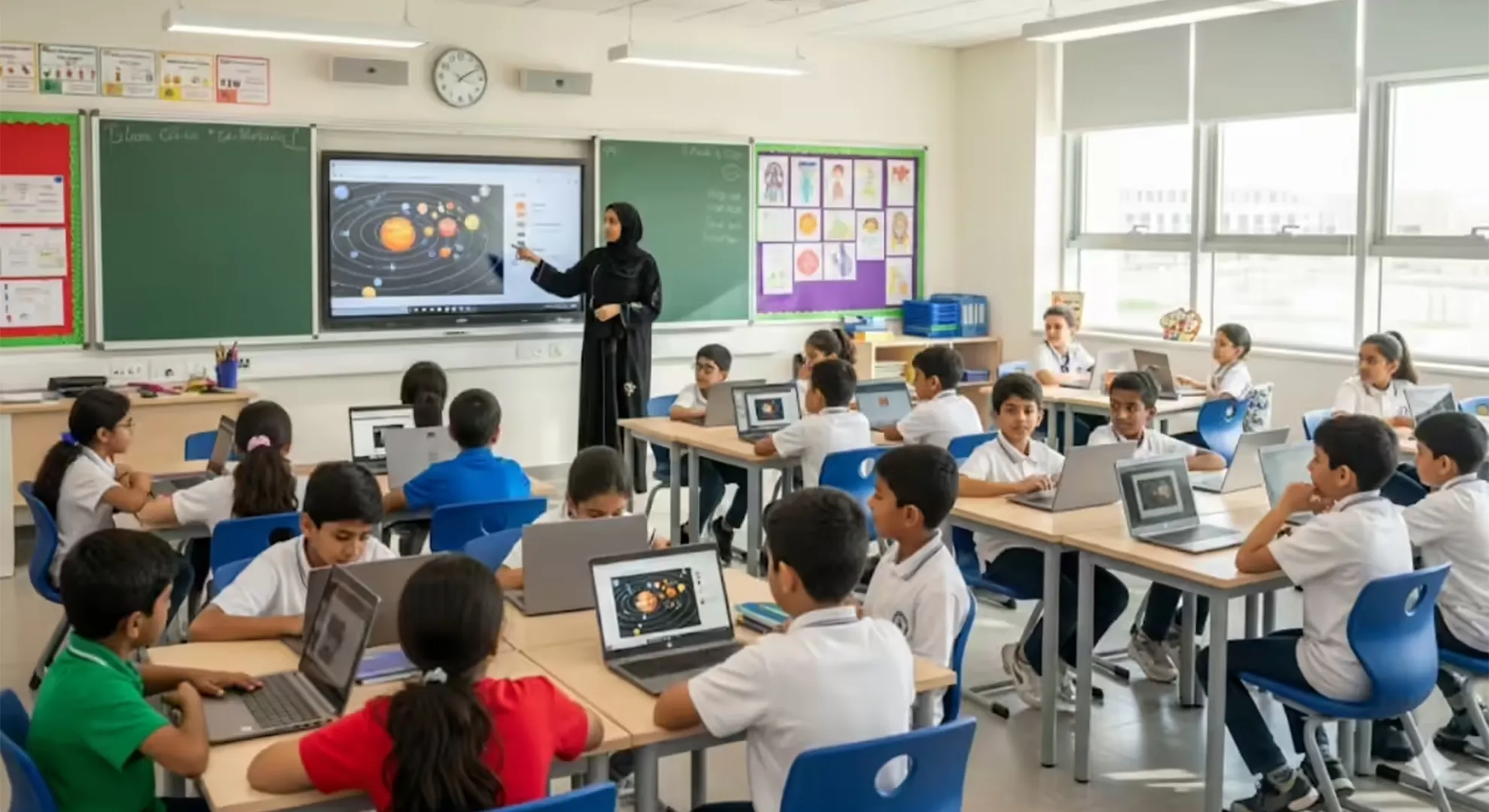
UAE teachers highlight that their breaks include much more than time off, with periods of rest, curriculum preparation and professional development forming an important part of the holiday period.
UAE Teachers’ Summer Break: More Than Time Off as Educators Prepare Behind the Scenes
For students across the UAE, the final school day of the academic year often represents the beginning of a much-anticipated summer vacation. It is a period associated with travel, family time, outdoor activities and a well-earned break from daily lessons and assignments. However, for teachers and school leaders, the weeks following the end of classes often involve a very different routine.
Although school campuses may appear quiet during the summer months, educators say the work behind the scenes continues. The period when classrooms are empty is frequently used for planning, training, reviewing academic progress and preparing schools for the arrival of students in the new term.
Education professionals across the UAE explain that school holidays and teacher holidays are not necessarily the same thing. While students may have an extended break from lessons, teachers often use part of this period to complete professional responsibilities that are essential for maintaining educational standards.
Rebecca Gray, Director of Education at Taaleem, said teaching is both a highly fulfilling and challenging profession. She explained that the common belief that teachers enjoy long periods of uninterrupted holiday does not accurately represent the responsibilities involved in the role.
According to Gray, many people associate teaching with lengthy school breaks, but the reality of an educator’s annual leave is often different from public perception. Teachers spend considerable time outside the classroom preparing lessons, improving teaching strategies and completing tasks that support student learning.
She highlighted that school holidays are not simply periods when teachers stop working completely. Time before and after scheduled breaks is often dedicated to planning, reviewing academic goals and ensuring that students receive a consistent learning experience when they return.
The preparation carried out during these periods plays an important role in the smooth operation of schools. Teachers use this time to reflect on the previous academic year, identify areas where students may need additional support and develop approaches for the upcoming term.
Work Continues Beyond the Classroom
During the summer months, many UAE teachers continue contributing to school operations even though students are away. Their responsibilities may include analysing student results, updating lesson plans, preparing classroom resources and participating in professional learning activities.
Gray explained that educators frequently spend portions of their summer reviewing student achievements and challenges from the previous year. This process helps teachers understand what worked well, what improvements are needed and how future lessons can be designed to better support different learning needs.
Curriculum planning is another major part of the summer workload. Teachers often review existing programmes, create new teaching materials and adapt lessons to meet changing academic requirements. This preparation helps ensure that classrooms are ready from the first day of the new term.
Professional development also forms a key part of the break. Many teachers attend workshops, training sessions and education programmes designed to improve their skills. These opportunities allow educators to learn about new teaching methods, technology tools and approaches that can enhance student engagement.
Summer periods can also involve welcoming new staff members. Experienced teachers and school teams may support the onboarding process for newly recruited educators, helping them understand school policies, teaching expectations and the wider learning environment.
While teachers focus mainly on academic preparation, school leaders manage a broader range of responsibilities during holiday periods. Their work often includes recruitment, operational planning, safety assessments and preparing facilities before students return.
Gray noted that school leadership teams remain actively involved during breaks, ensuring campuses are ready, resources are available and all necessary arrangements are completed before the start of a new academic year.
This preparation includes reviewing safeguarding procedures, planning staffing requirements and coordinating improvements to school facilities. Although students may not see these activities, they are essential for creating a safe and effective learning environment.
Understanding the Academic Calendar
For many CBSE schools operating in the UAE, the academic calendar generally includes a summer break lasting approximately six to eight weeks, along with a shorter winter holiday period of around two to three weeks.
However, education leaders stress that these scheduled breaks are part of the academic structure and should not automatically be viewed as traditional holidays for teachers. The timing allows schools to organise essential preparation work while also giving educators some opportunity to rest and recharge.
The length of school holidays is often determined by curriculum requirements, government regulations and the needs of students and families. Teachers’ schedules, however, include responsibilities that extend beyond classroom teaching hours.
Punit MK Vasu, Chief Executive Officer of the Indian High Group of Schools, said the traditional image of teachers spending the entire summer relaxing is outdated and does not reflect the modern demands of the profession.
He explained that the idea of teachers enjoying carefree summers and extended vacations has been misunderstood for many years. In reality, educators often balance personal recovery with professional duties during school breaks.
According to Vasu, teaching involves much more than delivering lessons during classroom hours. Educators dedicate significant effort to planning, assessment, training and continuous improvement throughout the academic year.
He said the perception that teachers are automatically on holiday whenever schools close does not reflect the work required to maintain high-quality education.
Preparing for the Year Ahead
The summer period provides teachers with valuable time to prepare for upcoming challenges. During a busy academic year, educators often have limited opportunity to step back and evaluate teaching methods in detail. The break allows them to analyse outcomes and plan improvements.
Teachers may review curriculum changes, explore new classroom technologies and develop strategies for supporting students with different learning abilities. These preparations help create a stronger foundation for the new academic year.
Many educators also use part of their summer period for personal professional growth. Completing additional courses, attending conferences and learning new skills can help teachers stay updated with developments in education.
School leaders say continuous learning is essential because education is constantly evolving. Changes in technology, teaching approaches and student expectations require educators to regularly update their knowledge and methods.
Challenging the Common Misconception
Education professionals believe greater awareness is needed about the responsibilities teachers manage outside classroom hours. While students naturally associate summer with freedom from school, teachers often experience a combination of preparation, development and limited rest.
They say recognising this behind-the-scenes work can provide a more accurate understanding of the teaching profession. The summer period may look like a long break from the outside, but for many educators it is a time of planning, reflection and preparation.
Teachers still value the opportunity to rest during holidays, spend time with family and recharge after a demanding academic year. However, they also use part of this period to ensure they are ready to support students when schools reopen.
The role of a teacher extends beyond daily lessons. Effective education requires preparation, organisation and ongoing improvement, much of which happens away from the classroom.
As UAE schools prepare for each new academic year, educators continue to balance personal downtime with professional responsibilities. Their summer schedule reflects the broader reality of teaching: a career that requires commitment not only during school hours but also in the planning and preparation that happens behind the scenes.
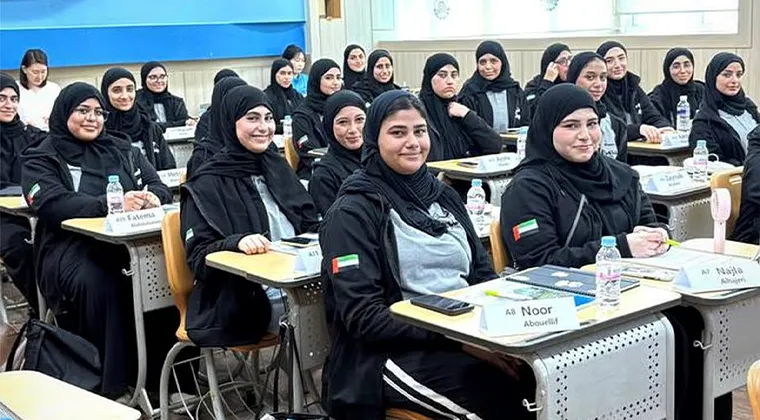
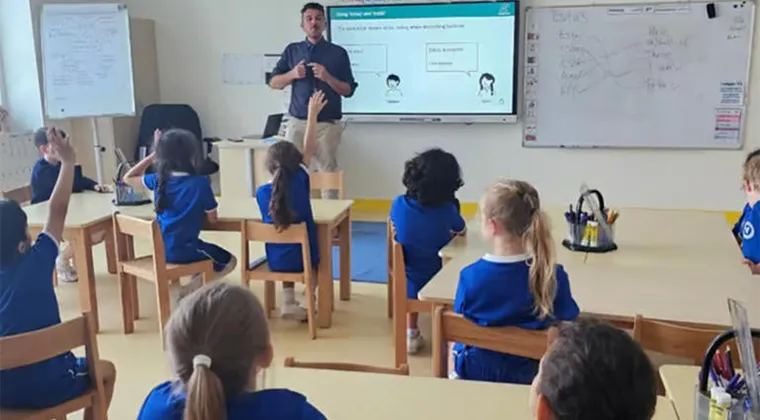
‘The work enters one’s home’: The invisible responsibilities of educators
Teachers’ Responsibilities Extend Beyond School Hours, UAE Educators Say
Education leaders in the UAE say the work of teachers goes far beyond the time they spend inside classrooms. While the profession may appear to have longer holiday periods compared with some other careers, educators point out that a significant amount of preparation, assessment and professional development continues outside official school hours.
Punit MK Vasu, Chief Executive Officer of the Indian High Group of Schools, said teaching is a profession where responsibilities often follow educators beyond the workplace. Teachers regularly dedicate their personal time to preparing lessons, analysing student performance, creating learning materials and improving their professional skills.
He explained that public attention often focuses on the holidays available to teachers, while less recognition is given to the many weeks of commitment and effort required throughout the academic year. According to Vasu, the demanding nature of teaching should be understood by considering the full range of responsibilities educators manage throughout the year.
Vasu said the focus should move beyond the perception of teachers receiving long breaks and instead recognise the intensive workload involved during the academic calendar. Educators spend months planning, teaching, assessing and supporting students, often carrying these responsibilities beyond regular working hours.
He compared education with other essential sectors, highlighting that teaching plays a critical role in shaping society. Like healthcare professionals, teachers contribute to an area that directly affects people’s lives and future generations.
However, he noted that teaching has a unique characteristic because much of an educator’s work continues into their personal environment. Lesson preparation, marking assignments, reviewing student progress and planning future classes often happen outside school premises, including during evenings and weekends.
Vasu also pointed to the increasing expectations placed on teachers due to regular school evaluations and inspections. In the UAE, education authorities maintain high standards for schools, requiring educators to consistently demonstrate strong teaching practices, effective classroom management and measurable student progress.
He said these standards have increased the level of accountability teachers face. Educators are expected to maintain detailed preparation, meet curriculum requirements and continuously improve their methods to support student success.
According to Vasu, teachers work in an environment where performance is regularly assessed. Classroom observations, academic reviews and institutional evaluations require educators to remain prepared and committed throughout the year.
He added that the pressure associated with teaching is ongoing, with educators constantly balancing multiple responsibilities. From maintaining classroom quality to supporting individual student needs, teachers must meet high expectations while adapting to changing educational demands.
Despite these challenges, educators emphasise that school holidays are not entirely dedicated to professional duties. Teachers also use these periods as an opportunity to rest, spend time with family, pursue personal interests and recover after a demanding academic year.
Many teachers choose to continue learning voluntarily during breaks because they see professional growth as an important part of their career. Attending training sessions, exploring new teaching approaches and updating knowledge helps them return to classrooms better prepared.
Vasu said a large number of teachers remain academically engaged even during holidays. Some educators dedicate a portion of their day to reviewing student work, improving lesson plans, preparing classroom resources and studying curriculum updates.
He noted that many teachers may spend one or two hours daily, or sometimes longer, completing these tasks from home. This additional effort helps ensure that lessons are well structured and students receive effective support when the new term begins.
Education leaders say this balance between rest and preparation reflects the reality of modern teaching. While teachers appreciate their holiday periods, those breaks also provide valuable time for reflection, planning and professional improvement.
The role of an educator, they explain, is not limited to delivering lessons during school hours. It involves continuous preparation, responsibility and dedication aimed at creating better learning experiences for students across the UAE.
UAE Schools Encourage Teachers to Recharge While Supporting Ongoing Professional Development
Education leaders across the UAE say maintaining a healthy balance between personal recovery and professional improvement is essential for teachers. While educators are encouraged to continue developing their skills, schools are also recognising the importance of giving teachers genuine time away from daily academic responsibilities.
Some schools have introduced approaches that allow teachers to make the most of their holiday periods by focusing on rest, personal wellbeing and self-directed learning rather than being tied to regular school duties. Leaders believe that providing educators with adequate time to recharge helps them return to classrooms with greater energy, creativity and motivation.
Noufal Ahmed, Founder and Managing Director of Woodlem Education, said the summer break plays an important role in supporting teachers’ overall wellbeing. He explained that teaching is a demanding profession that requires continuous concentration, emotional investment and preparation, making periods of recovery necessary for long-term effectiveness.
According to Ahmed, many people view the summer holiday as simply a long vacation for teachers, but the reality is more meaningful. He said the break provides educators with an opportunity to step away from daily classroom pressures, reflect on their experiences and focus on their personal health and wellbeing.
He highlighted that teachers spend much of the academic year managing lesson delivery, student needs, assessments and classroom responsibilities. A proper break allows them to regain energy and return to their roles with renewed enthusiasm.
Ahmed said Woodlem Education intentionally avoids assigning regular academic duties to teachers during the summer period. The school does not require educators to complete routine lesson preparation, administrative tasks or other school-related responsibilities during this time.
The aim, he explained, is to ensure that teachers have space to disconnect from work and dedicate time to themselves, their families and personal interests. By protecting this period of rest, schools can help prevent burnout and support better mental and emotional wellbeing among staff.
However, Ahmed added that professional growth remains important and should continue in a way that respects teachers’ personal time. Instead of compulsory programmes during holidays, the school encourages educators to take part in flexible learning opportunities that they can complete according to their own schedules.
These self-paced development programmes allow teachers to improve their knowledge, explore new teaching methods and strengthen their professional skills without creating additional pressure during their break.
Ahmed said this approach gives educators greater control over their learning journey. Teachers who wish to participate in professional development can do so at a pace that suits them, while others can prioritise rest and personal commitments during the holiday period.
He believes this balance creates a healthier approach to professional development. Continuous learning remains important in education because teaching methods, technology and student expectations continue to evolve. However, professional improvement is most effective when teachers are engaged and motivated rather than overwhelmed.
Education experts say that supporting teacher wellbeing has a direct impact on students. Teachers who feel rested, valued and prepared are better positioned to create positive classroom experiences and build stronger connections with learners.
Ahmed said refreshed educators bring more enthusiasm and creativity into their teaching. When teachers return after a meaningful break, they are more likely to approach lessons with fresh ideas, greater patience and renewed commitment.
He explained that a positive classroom environment begins with teachers who feel supported. When schools invest in teacher wellbeing, they also strengthen the quality of education provided to students.
The shift towards more balanced holiday policies reflects a broader understanding of the demands placed on modern educators. Schools are increasingly recognising that professional excellence depends not only on training and accountability but also on ensuring teachers have sufficient opportunities to rest.
Education leaders say that expecting teachers to constantly work during school closures can reduce the value of the break and limit the benefits that come from genuine recovery. Instead, a combination of protected downtime and optional professional learning can create a more sustainable model.
Flexible development programmes also allow schools to respect individual differences among teachers. Some educators may prefer to complete training courses during the holiday period, while others may choose to focus on family commitments, travel or personal activities.
By offering choice, schools can encourage professional growth without making teachers feel pressured during their time away from classrooms.
Ahmed said the ultimate goal is to ensure teachers return to school feeling prepared, confident and motivated. A refreshed teacher is more likely to bring innovation, enthusiasm and stronger engagement into daily lessons.
He added that education quality depends heavily on the people delivering it. Supporting teachers through balanced policies is therefore not only beneficial for staff members but also contributes to better outcomes for students.
As UAE schools continue to evolve, many education leaders believe the future of teaching will depend on creating environments where educators can grow professionally while also maintaining a healthy personal balance.
The summer break, they say, should not be viewed simply as time away from work. Instead, it represents an opportunity for teachers to recover, reflect and prepare themselves mentally and professionally for the challenges of the next academic year.
By combining protected rest periods with flexible opportunities for learning, schools aim to build stronger, more motivated teaching teams capable of delivering high-quality education throughout the year.