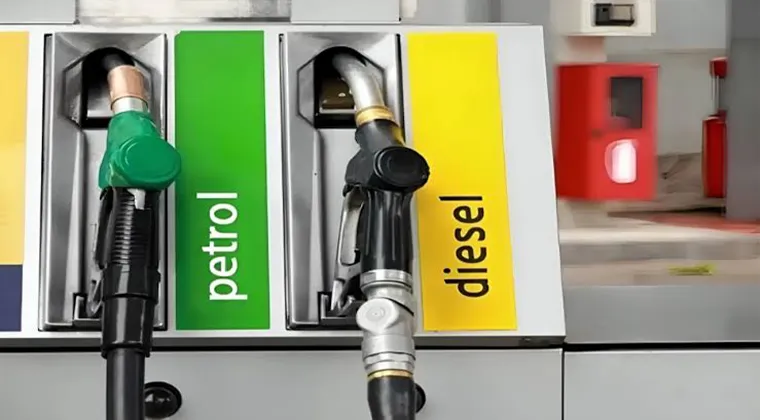
UAE motorists will see lower fuel costs in July as petrol prices decline by almost 14%, marking a reversal after four consecutive months of steady increases in fuel rates across the country.
UAE Fuel Prices See Nearly 14% Reduction in July After Four Straight Months of Increases.
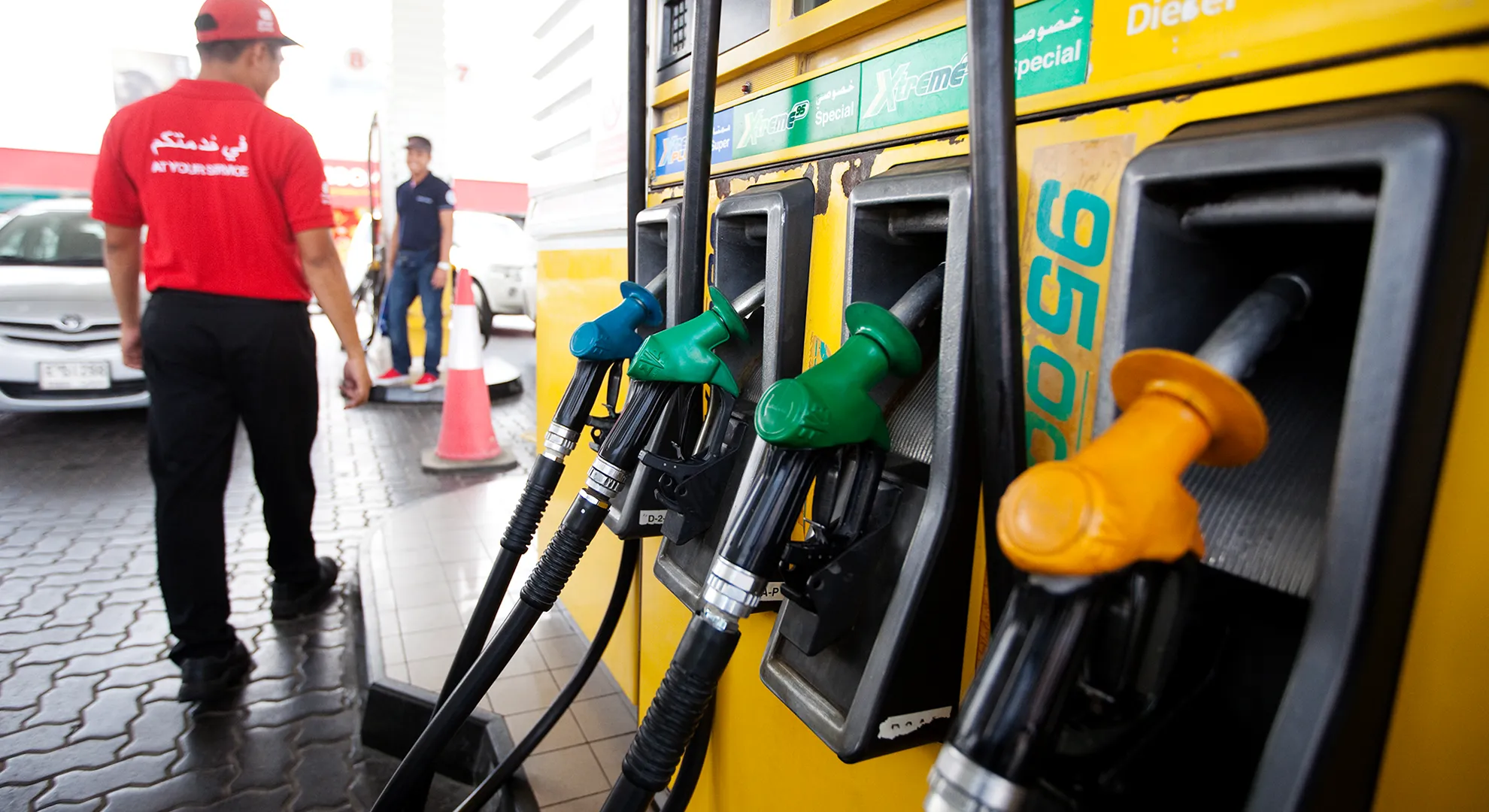
UAE retail fuel prices climbed by over 60% between February and June 2026, with the increase linked to tensions from the US-Israel-Iran conflict and disruptions caused by the closure of the Strait of Hormuz.
UAE motorists received some relief in July 2026 as petrol prices moved lower after experiencing four straight months of increases. Fuel rates across the country declined by almost 14 per cent, representing a reduction of around Dh0.55 per litre, following a drop in international oil prices and improved expectations around global energy supplies.
The decline in local fuel prices came after developments in international markets, particularly following the announcement of a ceasefire between the US and Iran. The agreement helped reduce some concerns over possible disruptions to oil production and transportation routes, leading to a decrease in global crude prices.
Market expectations also improved as analysts anticipated that additional oil supplies from Gulf producers could return to international markets. Increased availability of crude oil typically puts downward pressure on prices, helping reduce costs for consumers and businesses that rely heavily on fuel.
Starting July 1, UAE petrol stations introduced the revised rates, with all major fuel categories seeing reductions. The price of Super 98 petrol decreased from Dh3.95 per litre to Dh3.40 per litre. Special 95 petrol dropped from Dh3.83 per litre to Dh3.29 per litre, while E-Plus 91 was reduced from Dh3.76 per litre to Dh3.21 per litre.
The latest adjustment marked a significant change after several months of rising fuel costs. Between February and June 2026, petrol prices in the UAE increased by more than 60 per cent, driven largely by geopolitical tensions, including the conflict involving the US, Israel, and Iran, as well as concerns surrounding the closure of the Strait of Hormuz.
The Strait of Hormuz is one of the world’s most important energy routes, with a large share of global oil shipments passing through the narrow waterway. Any disruption to traffic in the region can create uncertainty in energy markets and contribute to higher crude oil prices.
The earlier surge in fuel costs placed additional pressure on household budgets, particularly for residents who rely on personal vehicles for daily commuting. Many middle-class families and cost-conscious consumers experienced noticeable increases in their monthly expenses as fuel prices climbed over the previous months.
For some residents, the difference in petrol costs translated into hundreds of dirhams in additional spending over time. The reduction announced for July was therefore welcomed as a positive development, especially for individuals and families managing regular transportation expenses.
The expected decline in fuel prices had been closely followed by consumers and market observers. Analysts had predicted that July rates could fall significantly due to improving geopolitical conditions and expectations that Gulf oil supplies would contribute more strongly to global markets.
International crude prices reflected this shift in sentiment. Brent crude, a key global oil benchmark, declined from around $97.8 per barrel during the first week of June to approximately $72.7 per barrel by Tuesday, June 30. The sharp movement highlighted how quickly oil markets can respond to changes in geopolitical risks and supply expectations.
Despite the improvement, energy markets remained cautious due to continuing uncertainty in the Middle East. Although the US-Iran ceasefire reduced immediate concerns, analysts warned that the possibility of renewed tensions could still influence oil prices in the future.
The region experienced several periods of heightened conflict, and investors continued monitoring developments closely. Any escalation could potentially affect supply routes, production levels, and market confidence, creating renewed volatility in global energy prices.
However, for the time being, the easing of tensions and improved supply outlook helped create more favourable conditions for lower fuel prices. The UAE’s July reduction reflected the broader movement in international markets, where crude prices adjusted after earlier increases caused by geopolitical concerns.
The change also provided some financial breathing space for businesses and consumers. Lower fuel expenses can benefit sectors such as transportation, logistics, and delivery services, while households may see reduced monthly spending on commuting and travel.
Fuel prices are closely connected to broader economic activity, affecting everything from personal transportation costs to the prices of goods and services. A decline in petrol rates can therefore have wider effects across the economy by reducing some operational expenses for companies and consumers.
While the July reduction offered immediate relief, market participants continued to watch global developments carefully. Future fuel price movements will depend on several factors, including crude oil supply levels, international demand, production decisions by major oil producers, and geopolitical stability.
Experts noted that energy markets remain highly sensitive to regional events, particularly in areas that play a major role in global oil production and transportation. Any unexpected developments could quickly influence crude prices and, in turn, local fuel rates.
For UAE residents, the July price cut represented a welcome reversal after months of increases. The decline highlighted how closely domestic fuel prices are linked to international oil trends and global events.
As markets continue adjusting, consumers and businesses are expected to remain attentive to future changes. While the current outlook appears more stable than earlier in the year, ongoing geopolitical risks mean energy prices could continue to experience fluctuations.
Overall, the July 2026 fuel price reduction marked a positive shift for UAE motorists after a prolonged period of rising costs. The combination of lower global oil prices, improved supply expectations, and reduced immediate conflict concerns helped bring fuel expenses down and provide relief to residents across the country.
The global oil market showed a relatively limited response following the latest developments in the region, with crude prices experiencing a short-term increase before stabilising near the $70 per barrel level. Analysts suggest that several factors may explain why the market reaction has remained measured despite concerns surrounding regional tensions and possible disruptions to energy flows.
One of the main reasons behind the contained price movement is the continued availability of alternative export options. Even if shipments through the Strait of Hormuz have not fully returned to the levels seen before the conflict, other transportation routes have helped maintain the movement of energy supplies and reduced pressure on global markets.
The existence of alternative pathways has provided some stability by allowing oil producers and traders to continue operating without relying entirely on traffic through the strategic waterway. As a result, the overall flow of global energy supplies has not faced the kind of severe disruption that could have caused a much sharper increase in prices.
Market observers have also noted that the gradual recovery in shipping activity through the Strait of Hormuz appears to have been influenced by a combination of practical considerations and risk calculations. Some reports indicate that government-linked vessels have been more active in resuming transit operations compared with privately owned ships.
This difference may reflect varying levels of risk tolerance, with state-backed operators potentially having greater capacity to manage uncertainty. At the same time, it may also demonstrate the broader economic need to restore normal trade activity and maintain the movement of essential goods through the region.
According to analysts, shipping companies and governments have been carefully balancing security concerns with the importance of keeping supply chains functioning. The longer trade disruptions continue, the greater the impact can become on energy markets, businesses, and economies that depend on stable transportation routes.
Norbert Rücker, Head of Economics and Next Generation Research at Julius Baer, explained that the reported damage from recent incidents appears to have been relatively limited compared with the potential scale of disruption that markets had feared.
He said that while the situation remains sensitive, the actual impact on infrastructure and shipping activity has so far been contained. This has helped prevent a more dramatic reaction from oil markets, which often respond strongly when there are signs of major supply risks.
However, Rücker emphasized that the underlying tensions are connected to the broader struggle over control and security around the Strait of Hormuz. The waterway remains one of the most strategically important energy routes in the world, making developments there closely watched by governments, investors, and energy companies.
He explained that Iran has maintained influence over the northern side of the strait, while the southern passage near the Omani coastline has become increasingly important in recent weeks. This alternative route has gained attention due to increased support from the United States and changes in shipping patterns, including a move toward more regular two-way traffic.
The adjustment in shipping routes highlights the importance of flexibility in global trade networks. When one route faces uncertainty, companies often seek alternatives to reduce exposure to risk and maintain the movement of goods.
Despite ongoing concerns, Rücker noted that there is a shared interest among several major parties in restoring stability and normalising trade conditions.
For the United States, reducing tensions is important partly because higher energy prices can contribute to inflation pressures. Stable oil markets help limit additional costs for consumers and businesses, making energy security a key economic priority.
For Iran, maintaining stable trade flows is also important due to ongoing economic challenges. Continued access to markets and the ability to export goods and resources are essential for supporting economic activity and managing financial pressures.
Meanwhile, countries and companies that rely on Gulf energy supplies also have strong incentives to see transportation routes return to normal. Many economies depend on consistent access to oil and other commodities from the region, and prolonged uncertainty could create wider supply chain disruptions.
This shared economic interest creates a strong motivation for avoiding further escalation. While disagreements and security concerns remain, the financial and strategic costs of a prolonged conflict could encourage all sides to seek greater stability.
Rücker suggested that these factors could help reduce the possibility of a major escalation in the near term. The combination of alternative shipping routes, limited physical damage, and mutual economic interests may help keep tensions from developing into a broader disruption.
However, analysts continue to warn that energy markets remain vulnerable to sudden changes. Any significant increase in conflict, restrictions on shipping, or damage to critical infrastructure could quickly affect oil prices and global supply expectations.
For now, the market response suggests that traders believe supply risks remain manageable. Oil prices have reflected caution rather than panic, with movements largely contained as investors assess the evolving situation.
The situation demonstrates how global energy markets have become increasingly adaptable, with producers, governments, and shipping operators developing strategies to manage uncertainty. While the Strait of Hormuz remains a critical route, the availability of alternative solutions has reduced the immediate impact of disruptions.
Going forward, market participants will continue monitoring regional developments, shipping activity, and diplomatic efforts. The balance between security concerns and economic necessity will likely determine whether oil markets remain stable or face renewed pressure.
Overall, the current environment suggests that while risks remain present, the combination of alternative trade routes, limited damage, and a shared interest in restoring normal economic activity has helped prevent a major shock to global oil markets.