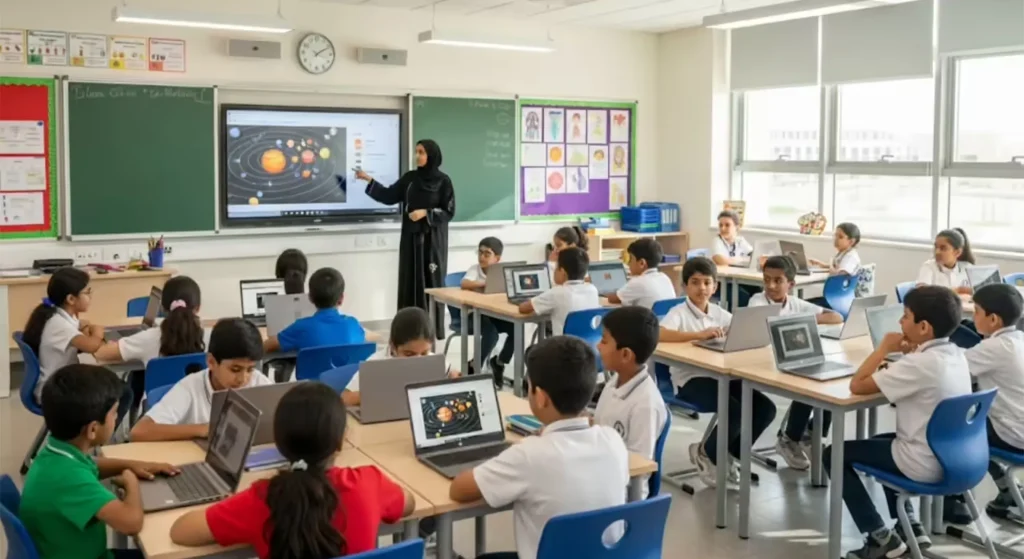
Many schools in Dubai argue that inspections conducted with little advance notice offer a more genuine assessment of teaching quality, student engagement, and everyday classroom practices than scheduled evaluations.
Dubai schools believe surprise inspections provide a more accurate picture of classroom performance.

After a two-year break, Dubai’s private school inspection programme is preparing to resume in the 2026–27 academic year, marking the return of a key mechanism used to monitor and support educational quality across the emirate. The temporary suspension meant that regular inspections did not take place during the 2024–25 and 2025–26 school years, creating an unusual period in which schools operated without the traditional external review process.
The pause applied to the vast majority of private schools, although newly opened institutions were still subject to evaluation during their third year of operation. These assessments were carried out to ensure that new schools were developing in line with expected educational standards and to provide guidance where improvements were required. Aside from these limited exceptions, schools across Dubai experienced a significant period without formal inspection visits.
As preparations begin for the reintroduction of inspections, many school leaders have expressed support for the revised approach being introduced by Dubai’s education authorities. Educators say the updated model appears to place greater emphasis on school development, collaboration, and continuous improvement rather than concentrating primarily on overall ratings and rankings. According to principals and senior academic staff, the new framework reflects a broader understanding of how successful schools operate and improve over time.
For many schools, the absence of inspections over the past two years did not mean that quality assurance efforts came to a halt. Administrators continued to monitor teaching standards, analyse student performance data, conduct internal reviews, and invest in professional development for teachers. School leaders argue that effective educational improvement is an ongoing process that takes place every day rather than something that occurs only when inspectors are expected to visit.
The renewed inspection model is therefore being welcomed by many educators because it is viewed as being more closely aligned with the realities of modern school improvement. Rather than focusing solely on achieving a particular rating, schools believe the revised framework encourages meaningful conversations about learning, teaching effectiveness, leadership practices, and student wellbeing. Educators say this shift could help create a culture where schools view inspections as opportunities for growth rather than high-pressure events.
One of the most notable changes in the updated inspection process is the introduction of short-notice visits. Under the new system, schools may receive little more than 24 hours’ notice before inspectors arrive. This represents a significant departure from approaches that allowed schools more time to prepare extensively for inspection teams.
Education leaders generally see this change as a positive development. They argue that inspections conducted with minimal warning are more likely to capture an authentic picture of daily school life. Instead of observing lessons that have been specially prepared for inspection purposes, evaluators will be able to witness the normal routines, teaching practices, and interactions that take place throughout the academic year.
School principals believe this approach provides a fairer and more realistic assessment of educational quality. In their view, a school’s true strengths are demonstrated through consistent classroom practice rather than through short-term preparations designed to showcase performance during a scheduled review. By reducing the amount of advance notice, inspectors can gain a better understanding of how teaching and learning occur under ordinary circumstances.
Teachers have also highlighted potential benefits of the revised system. Some educators note that when schools receive extensive notice of inspections, there can be pressure to focus on preparation activities that may not accurately reflect everyday experiences in the classroom. Short-notice visits, they argue, reduce the need for such preparation and allow teachers to concentrate on delivering high-quality learning experiences throughout the year.
Another advantage frequently mentioned by school leaders is the opportunity to showcase sustained improvement efforts. Schools invest considerable time and resources in curriculum development, teacher training, student support programmes, and innovative learning initiatives. A framework that evaluates ongoing practice rather than isolated moments may offer a more balanced assessment of these long-term efforts.
The return of inspections is also expected to provide valuable feedback for schools seeking to enhance performance. External evaluations can help identify areas of strength while highlighting opportunities for further development. Many educators view constructive feedback as an important component of school improvement, particularly when it is delivered through a supportive and collaborative process.
In addition to evaluating academic outcomes, modern inspection systems increasingly consider a wider range of factors that influence student success. These may include wellbeing initiatives, inclusion practices, leadership effectiveness, parental engagement, and the overall learning environment. School leaders hope the renewed framework will continue to recognise the importance of these broader aspects of education.
Parents are also likely to benefit from the resumption of inspections. Inspection reports provide families with independent information about school performance, helping them make informed decisions regarding their children’s education. Transparent evaluations can offer insights into teaching quality, student achievement, and school culture, all of which are important considerations for parents selecting a school.
The two-year pause created a unique period for Dubai’s private education sector. During that time, schools continued to evolve, introducing new programmes, adopting innovative teaching methods, and responding to changing educational needs. The upcoming inspections will provide an opportunity to assess how schools have progressed and adapted during this interval.
Many school leaders emphasise that their focus has remained unchanged despite the absence of inspections. They maintain that delivering strong educational outcomes, supporting student growth, and fostering a positive learning environment have continued to be top priorities. As a result, they believe the return of inspections should confirm the work that has been taking place consistently over recent years.
Looking ahead, educators appear optimistic about the future of school quality assurance in Dubai. The combination of a developmental focus and short-notice visits is widely viewed as a step towards creating a more accurate and meaningful evaluation process. By observing schools as they function on a typical day, inspectors may be better positioned to understand the genuine experiences of students and teachers.
Ultimately, the reintroduction of inspections in the 2026–27 academic year signals a new chapter for Dubai’s private education sector. While accountability remains an important objective, the updated approach aims to balance oversight with support, encouraging schools to engage in continuous improvement. For many educators, the emphasis on authentic classroom practice, professional dialogue, and long-term development represents a positive evolution in the way school quality is assessed across the emirate.
‘Preparing every single day’
Education leaders across Dubai’s private school sector have largely welcomed the evolution of the inspection framework, noting that the updated approach reflects practices that have long been embedded within successful schools. According to many school operators and academic leaders, institutions that consistently achieve strong outcomes do not rely on inspection schedules to drive improvement. Instead, they focus on maintaining high standards every day through effective teaching, continuous professional development, and a commitment to student success.
Industry leaders believe that the move towards shorter-notice quality assurance visits reinforces an important principle: outstanding schools should be ready to demonstrate excellence at any point during the academic year. They argue that genuine educational quality cannot be created in the days or weeks leading up to an inspection. Rather, it is built through sustained effort, strong leadership, and a school-wide culture that prioritises learning and development throughout the year.
Among those expressing support for the revised inspection model is Dino Varkey, Group Chief Executive Officer of GEMS Education. He highlighted that the concept of continuous improvement has been central to the organisation’s educational philosophy for many years. According to Varkey, schools achieve lasting success when their attention remains firmly focused on students and learning outcomes rather than external evaluation cycles.
He explained that the most effective schools do not alter their practices simply because inspectors are expected to visit. Instead, they work consistently to ensure that students receive high-quality educational experiences every day. From lesson planning and curriculum delivery to assessment and student support, the emphasis remains on creating an environment where learners can thrive regardless of whether an inspection is scheduled.
Varkey noted that the renewed inspection approach is particularly valuable because it seeks to capture the authentic reality of school life. By reducing the notice period before visits, inspectors are more likely to observe classrooms as they operate on a normal day. This allows evaluators to gain a clearer understanding of teaching practices, student engagement, and the overall learning environment without the influence of extensive preparation activities.
He suggested that this method provides a more accurate representation of a school’s strengths and areas for development. Rather than relying on a carefully staged snapshot of school operations, inspectors can witness the routines, interactions, and educational experiences that students encounter throughout the year. In his view, this creates a fairer and more meaningful process for evaluating educational quality.
Varkey also emphasised that achieving excellence in education is not the result of short-term efforts undertaken before an inspection. Instead, it stems from a long-term commitment to improvement that involves teachers, school leaders, students, and parents working together towards common goals. Continuous reflection, data analysis, professional learning opportunities, and regular review processes all contribute to maintaining high standards across a school community.
Within GEMS Education, he explained, quality assurance is treated as an ongoing responsibility rather than an occasional event. Schools within the group regularly monitor performance indicators, review academic outcomes, evaluate teaching effectiveness, and identify opportunities for enhancement. These internal systems are designed to ensure that improvement remains a constant priority throughout the academic year.
According to Varkey, such processes help schools remain focused on delivering the best possible outcomes for students regardless of external accountability measures. By embedding quality assurance into daily operations, schools are able to respond quickly to challenges, celebrate successes, and continuously refine their educational practices.
The importance of robust internal review mechanisms was another key point highlighted by education leaders. Many schools have established comprehensive systems that track student progress, evaluate curriculum effectiveness, and monitor overall school performance. These mechanisms provide leaders with valuable insights that support informed decision-making and strategic planning.
Regular classroom observations, teacher coaching programmes, student feedback initiatives, and performance reviews all form part of these internal quality assurance structures. School leaders believe that such measures create a culture of accountability and continuous learning that extends well beyond formal inspections.
Educators also point out that schools have continued to pursue improvement throughout the recent pause in inspections. Even in the absence of external reviews, institutions remained committed to enhancing teaching practices, investing in staff development, and strengthening student support systems. Many schools introduced new initiatives aimed at improving academic achievement, wellbeing, digital learning, and inclusion.
As a result, leaders feel that the return of inspections should serve as an opportunity to recognise and validate the progress made during this period. They believe that schools that have maintained a strong focus on quality and innovation will be well positioned to demonstrate their achievements under the renewed framework.
Another reason for optimism is the perception that the revised inspection process encourages a more collaborative relationship between schools and regulators. Rather than viewing inspections solely as a means of accountability, many educators see them as opportunities for constructive dialogue and professional growth. Feedback provided through inspections can help schools identify strengths, address challenges, and share effective practices across the sector.
For Varkey and other education leaders, the central message remains clear: exceptional schools are defined by their commitment to students, not by their ability to prepare for inspections. Educational quality is demonstrated through consistent performance, strong leadership, and a relentless focus on improvement every day of the year.
The updated inspection model aligns closely with this philosophy. By emphasising authentic classroom experiences and ongoing development, it reflects the realities of how successful schools operate. For many educators, this represents a positive step forward that recognises the importance of continuous improvement while providing a more accurate picture of teaching and learning across Dubai’s private education sector.
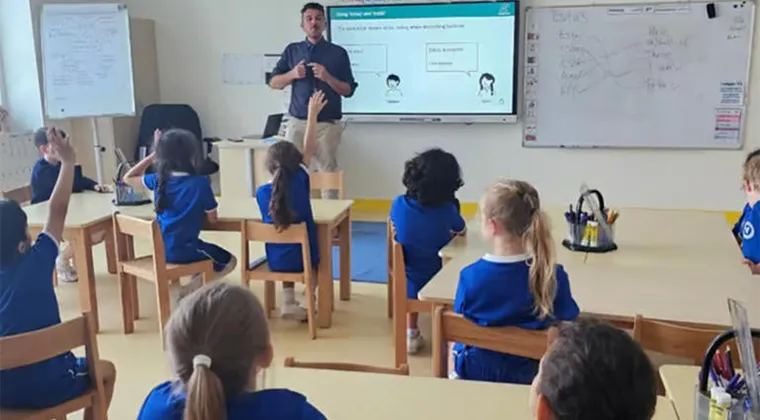
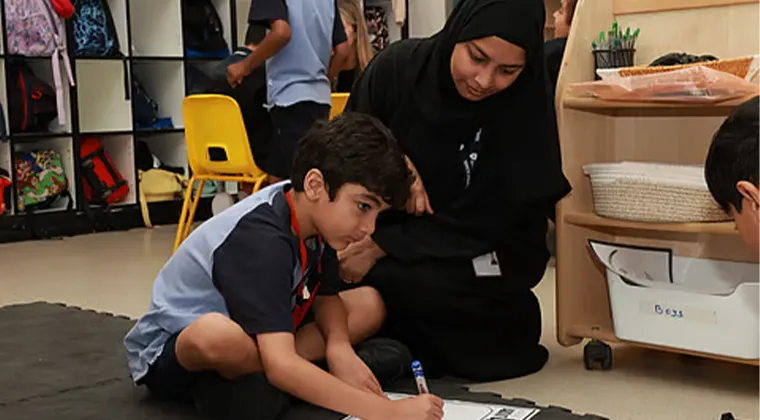
Importance of feedback
Dubai’s private school sector is preparing for the return of external quality assurance visits under a revised framework designed to provide a more accurate and meaningful understanding of how schools operate on a day-to-day basis. Rather than adopting a single inspection model for every institution, the updated approach introduces greater flexibility, allowing education authorities to select the type of review that best suits the circumstances and performance profile of each school.
Under the new framework, eligible private schools may undergo either a comprehensive inspection or a shorter monitoring visit. The choice between these two approaches will depend on several factors, including a school’s previous performance, ongoing development priorities, and the information regulators need to gather. Education leaders believe this more tailored system will enable inspectors to focus on the areas that matter most while reducing unnecessary duplication and administrative burden.
School operators have welcomed the move away from a one-size-fits-all inspection process. They argue that schools vary significantly in terms of their student populations, educational programmes, organisational structures, and stages of development. As a result, many educators feel that a flexible evaluation model is better positioned to capture the unique characteristics and achievements of individual institutions.
According to school leaders, the ultimate goal of the revised framework is to gain a realistic understanding of what teaching and learning look like throughout the academic year. Rather than concentrating solely on isolated observations or highly structured inspection activities, regulators are seeking a broader picture of how schools support student growth, deliver curriculum programmes, and maintain educational standards over time.
This shift is viewed by many educators as an important step towards strengthening the relationship between accountability and school improvement. While inspections continue to play a critical role in evaluating educational quality, there is growing recognition that they can also serve as valuable opportunities for learning, reflection, and professional growth.
Many school leaders believe that the effectiveness of any inspection system depends not only on the findings it produces but also on the quality of the conversations it generates. Constructive dialogue between schools and regulators can help identify strengths, address challenges, and encourage the sharing of best practices across the wider education sector. For this reason, educators have consistently highlighted the importance of feedback-driven development as a central component of the renewed framework.
The return of quality assurance visits is expected to provide schools with valuable external perspectives that can complement their own internal evaluation processes. Most schools already collect extensive data relating to student achievement, wellbeing, attendance, teaching quality, and leadership effectiveness. However, independent review teams can often provide additional insights that help schools refine their strategies and identify opportunities for further progress.
Education leaders note that meaningful improvement rarely happens through inspection findings alone. Instead, progress is typically achieved when schools actively engage with feedback, reflect on recommendations, and translate those insights into practical actions. By encouraging ongoing collaboration between regulators and schools, the revised model aims to support sustainable improvements that benefit students over the long term.
Across Dubai’s private education sector, there is a growing sense that the renewed inspection process represents a partnership rather than simply an accountability exercise. School leaders increasingly view quality assurance visits as opportunities to showcase achievements, discuss challenges, and explore innovative approaches to teaching and learning. This collaborative mindset is helping to shape a more positive perception of inspections among educators.
Tara Lambert, Head of Primary at Nord Anglia International School Dubai, is among those who have expressed support for the return of quality assurance visits. She believes the school community is well prepared to engage constructively with the process and sees significant value in maintaining a strong working relationship with Dubai’s education authorities.
Lambert explained that schools benefit when regulators and educators work together with a shared commitment to improving outcomes for students. She noted that quality assurance mechanisms provide an important framework for maintaining high standards while also encouraging schools to continue evolving and adapting to changing educational needs.
In her view, the reintroduction of visits offers an opportunity to strengthen existing partnerships between schools and the regulator. Open communication and professional collaboration can help ensure that educational policies and practices remain aligned with the needs of students, families, and the wider community.
Lambert also highlighted the role of professional dialogue in driving educational improvement. She believes that discussions between inspectors, school leaders, and teachers can be particularly valuable when they focus on evidence-based practices, student outcomes, and emerging trends in education. Such conversations create opportunities for schools to reflect on their approaches, celebrate successes, and consider new strategies for addressing challenges.
For educators, the most productive inspection processes are often those that go beyond simple compliance checks. While accountability remains essential, many school leaders believe inspections should also support professional learning and encourage innovation. Feedback that is constructive, actionable, and grounded in classroom realities can help schools strengthen their practices and achieve better results for students.
Transparency is another principle that many educators see as central to the effectiveness of the renewed framework. Clear communication regarding expectations, evaluation criteria, and inspection outcomes can help build trust between schools, regulators, and parents. School leaders argue that transparency not only promotes accountability but also supports continuous improvement by ensuring that all stakeholders have access to meaningful information about school performance.
The emphasis on transparency is particularly important in a diverse education landscape such as Dubai’s, where families can choose from a wide range of curricula, educational philosophies, and school models. Quality assurance processes help provide parents with independent assessments of school performance, enabling them to make informed decisions about their children’s education.
Educators also recognise that maintaining high-quality education requires ongoing commitment rather than periodic efforts tied to inspection schedules. Successful schools invest continuously in teacher development, curriculum enhancement, student wellbeing programmes, and leadership capacity building. The revised inspection framework is seen as reflecting this reality by focusing on sustained performance rather than short-term preparation.
Many school leaders believe that the flexibility built into the new model will allow regulators to spend more time examining the areas that have the greatest impact on student learning. Rather than following identical procedures in every school, inspectors can adapt their approach to gather the most relevant information and provide the most useful feedback.
This targeted methodology may also help schools engage more meaningfully with the inspection process. When reviews are tailored to specific contexts and priorities, educators are more likely to view them as relevant, constructive, and supportive of their improvement efforts. Such an approach encourages schools to take ownership of their development journey while benefiting from external guidance and expertise.
The renewed focus on collaboration and continuous improvement reflects broader trends within international education. Around the world, many education systems are moving towards inspection models that balance accountability with support, recognising that sustainable school improvement is most effective when schools and regulators work together.
For Dubai’s private schools, the return of quality assurance visits marks the beginning of a new phase in educational oversight. While inspections will continue to assess standards and performance, they are also expected to play a more developmental role, helping schools strengthen their practices and enhance student experiences.
As the sector prepares for the implementation of the updated framework, there is considerable optimism among educators about the potential benefits it may bring. School leaders believe the combination of flexible review models, meaningful feedback, professional dialogue, and collaborative partnerships will contribute to a stronger and more effective education system.
Ultimately, the success of the renewed approach will be measured by its impact on students. By encouraging transparency, supporting continuous improvement, and fostering constructive engagement between schools and regulators, the framework aims to ensure that every child has access to high-quality learning opportunities. For many educators, this shared focus on student success is what makes the return of quality assurance visits both timely and valuable.
As schools continue to evolve in response to changing educational demands, the ability to engage in open dialogue, reflect on performance, and pursue ongoing improvement will remain essential. The updated inspection framework provides a platform for these activities, helping schools maintain high standards while supporting innovation and growth across Dubai’s dynamic private education sector.