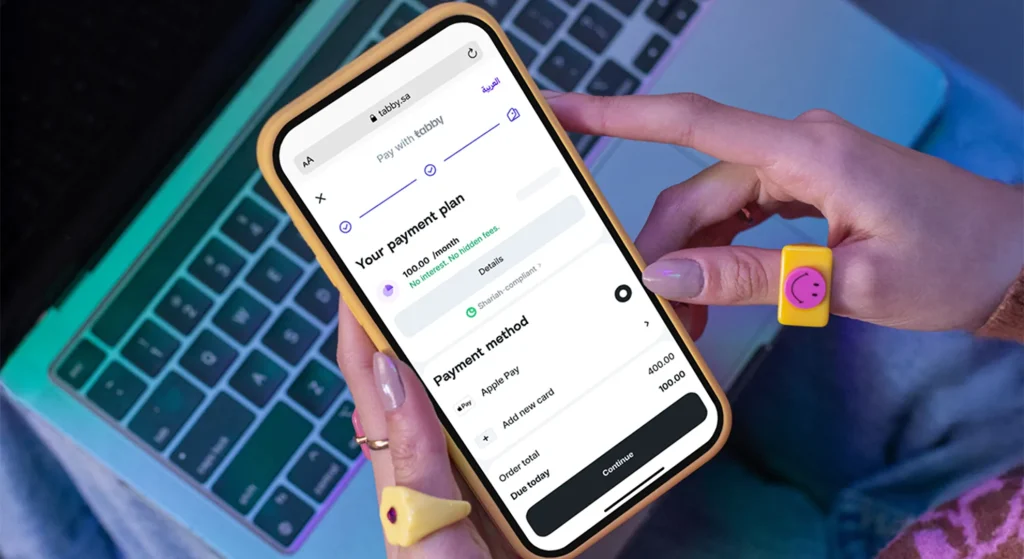
Educational institutions across the UAE are now adopting flexible “buy now, pay later” systems, enabling parents to divide tuition fees into manageable monthly installments through digital payment platforms and fintech services.
UAE schools introduce buy-now-pay-later options for tuition payments.

Educational institutions in the UAE are increasingly adopting flexible tuition payment solutions as more families seek alternatives to paying school fees in large lump sums. A growing number of parents now prefer spreading education expenses across smaller monthly instalments, prompting schools to rethink traditional fee structures and introduce more convenient financial options.
To meet this changing demand, several schools are collaborating with fintech companies, including payment platform providers such as Tabby, to create structured monthly payment programmes for tuition fees. These partnerships are designed to simplify the fee payment process for families while also helping schools strengthen their collection systems and maintain stable financial operations.
The move reflects a broader shift in consumer behaviour, where households are looking for smarter budgeting tools and manageable payment methods amid rising living costs. Instead of making sizeable payments at the beginning of each term or academic year, parents can divide tuition expenses into fixed monthly amounts that better align with their income cycles and household budgets.
For educational institutions, the introduction of instalment-based payment models could improve cash-flow management and minimise delays in fee collection. By integrating flexible payment technology into existing school systems, schools may benefit from more predictable revenue streams and reduced administrative challenges related to overdue payments.
At the same time, parents gain additional financial breathing room, allowing them to plan education expenses without facing immediate financial strain. The approach is intended to make school fee payments less stressful and more accessible for families balancing multiple commitments, including housing, transportation, and daily living costs.
Speaking about the initiative, Zarik Nabi, Chief Commercial Officer at Tabby, noted that many families are already under pressure managing education-related expenses and often have to make financial adjustments to keep pace with rising costs. He explained that flexible payment options are aimed at supporting parents by giving them greater control over how and when they pay tuition fees, ultimately making education spending easier to manage over time.
Zarik Nabi said that many families in the UAE are already carefully balancing education expenses by budgeting ahead, shifting finances and making difficult spending decisions. He explained that the initiative is designed to help schools offer smoother payment systems while allowing parents to manage tuition fees in smaller, more manageable amounts instead of paying the full cost upfront.
Relief for families under financial strain
Abhilasha Singh, Principal of Shining Star International School, believes that flexible tuition payment programmes can provide meaningful relief for families dealing with financial pressure. She explained that many parents continue to face economic uncertainty due to employment challenges, reduced salaries, or unexpected household expenses, making structured monthly payment options increasingly valuable.
According to Singh, allowing parents to spread school fee payments over several months through fintech platforms such as Tabby can ease immediate financial stress and help families organise their budgets more efficiently. Instead of arranging large lump-sum payments at the start of a term, parents are able to make smaller scheduled payments that are easier to manage alongside other living expenses.
She noted that these instalment-based systems can serve as a temporary financial cushion for households navigating difficult circumstances. Families often have to balance housing costs, transportation, utility bills, and daily necessities in addition to education expenses, so flexible payment solutions may offer greater breathing space during financially demanding periods.
At the same time, Singh pointed out that schools also face practical and operational concerns when payment structures become more extended or delayed. Educational institutions depend heavily on a consistent flow of fee income to sustain day-to-day activities and maintain educational standards. Tuition payments are commonly used to cover teacher salaries, invest in classroom resources, support student programmes, and maintain campus facilities and infrastructure.
She explained that when a significant number of parents choose deferred or split payment arrangements, schools may encounter difficulties maintaining a stable financial cycle. Delayed inflows can affect budgeting, planning, and operational efficiency, especially for institutions that rely on timely fee collection to meet regular expenses and continue developmental projects.
Singh stressed that while schools remain committed to supporting families and offering solutions during periods of financial strain, institutions also require predictable revenue streams to function smoothly. Maintaining balance between parental flexibility and institutional sustainability is essential to ensure schools can continue delivering quality education and necessary services without disruption.
Although she described the initiative as beneficial overall, Singh emphasised that flexible payment options should not replace responsible long-term financial planning. She encouraged parents to carefully prepare for education-related expenses and manage obligations proactively to avoid interruptions in their children’s academic journey.
She added that financial awareness plays an important role in helping families make informed decisions about tuition payments and household budgeting. For this reason, the school periodically organises financial literacy and planning sessions aimed at guiding parents on managing educational expenses effectively and preparing for future financial commitments.
Schools seek balance between flexibility and stability
Deepika Thapar Singh, CEO-Principal of Credence High School, said educational institutions across the UAE are becoming increasingly aware that the cost of schooling should not prevent children from accessing quality education. She explained that schools today are placing greater emphasis on making fee structures more manageable for families, especially at a time when many households are dealing with rising living expenses and financial uncertainty.
According to Singh, Credence High School has long supported the idea that parents should be offered flexible ways to manage tuition payments. She noted that the school already provides several payment choices to accommodate the different financial situations of families. Parents are given the option to settle fees on a monthly basis, by semester, or through annual payments, depending on what aligns best with their budgeting needs and income patterns.
She explained that this flexibility allows families to choose payment arrangements that are practical and sustainable rather than feeling pressured to arrange large lump-sum amounts at fixed points during the academic year. In many cases, spreading fees across smaller instalments can help parents balance education expenses alongside housing costs, transportation, healthcare, and other household obligations.
Singh added that carefully planned instalment systems can significantly reduce the stress and anxiety many families experience around school fee deadlines. For parents already coping with financial pressure, the ability to divide tuition payments into smaller, scheduled amounts may provide greater peace of mind and help them avoid disruptions to their financial stability.
She pointed out that financial concerns among parents have become increasingly common in the UAE, with a large percentage of families feeling strain due to the overall cost of living. In such an environment, schools cannot ignore the realities parents are facing. Instead, institutions should respond with practical solutions that support families while still maintaining educational quality and operational stability.
In her view, flexible tuition structures are not simply financial tools but also part of creating a more supportive educational environment. By recognising the pressures faced by parents and adapting policies accordingly, schools can strengthen trust and improve relationships with families. She emphasised that education providers should aim to work collaboratively with parents rather than treating fee payments as purely administrative transactions.
Singh also welcomed the growing involvement of fintech platforms and broader industry initiatives that allow schools to introduce modern payment systems and more convenient financial solutions. However, she stressed that any flexible payment programme must be built on transparency, clear communication, and mutual trust between schools and parents. Families need to fully understand how payment plans work, including schedules, obligations, and any associated conditions, while schools must ensure that systems remain fair and manageable for all parties involved.
She further explained that the role of schools extends far beyond academic instruction. Educational institutions are also responsible for creating a positive and supportive experience for families throughout a child’s educational journey. This includes ensuring that administrative and financial processes are handled in a way that preserves dignity, reduces stress, and makes parents feel supported rather than overwhelmed.
According to Singh, when schools approach financial planning with empathy and flexibility, parents are more likely to feel secure and confident in their partnership with the institution. She noted that education is a long-term commitment for families, and schools should recognise the emotional and financial investments parents make in their children’s future.
She concluded by saying that a balanced approach is essential. While schools must continue to maintain strong financial systems to support teachers, infrastructure, student programmes, and educational resources, they should also remain sensitive to the changing economic realities faced by parents. Thoughtfully designed payment options, combined with open communication and responsible planning, can help create an environment where both schools and families are able to succeed together without unnecessary financial stress.