A Dubai regulatory body imposed a Dh513,129 penalty on a reinsurance official and barred the individual from duties following accusations of providing inaccurate and misleading information during professional activities.
Dubai regulator penalises reinsurance executive with Dh513,129 fine and suspension over alleged deceptive practices.
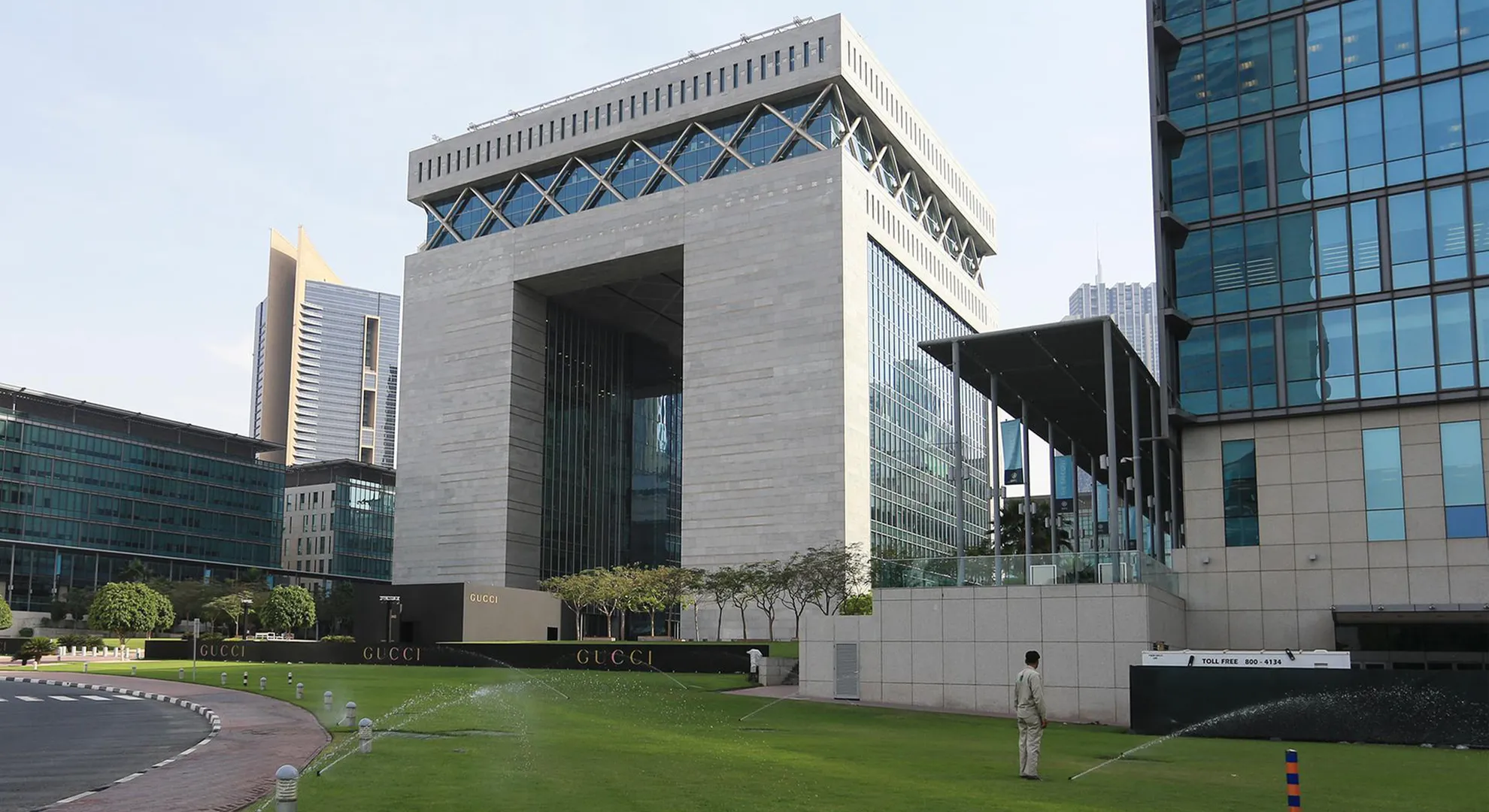
The Dubai Financial Services Authority (DFSA) has intensified its regulatory oversight within the Dubai International Financial Centre (DIFC), taking strong action against misconduct in the insurance and reinsurance industry. In one of its latest enforcement measures, the regulator imposed a ban and financial penalty on a senior reinsurance executive accused of engaging in misleading and deceptive practices. The move reflects the authority’s growing determination to strengthen transparency, accountability, and ethical conduct across Dubai’s financial services sector.
The individual at the centre of the case, Wael Abdelmohsen Abdellatif Mohamed Emara, who is also known professionally as Mohsen, was sanctioned by the DFSA following findings related to improper conduct linked to reinsurance operations. As part of the disciplinary action, the regulator prohibited him from carrying out any activities connected to financial services within the DIFC. The decision effectively prevents him from working in the financial industry under the jurisdiction of the Dubai financial free zone.
In addition to the professional ban, the DFSA imposed a monetary fine amounting to $139,722, equivalent to around Dh513,129. According to the regulator, the original penalty was significantly higher and initially stood at approximately $285,149. However, the amount was reduced after the executive reached a settlement agreement with the authority. The DFSA also considered his request for leniency, which was reportedly based on claims of financial hardship. As a result, the regulator agreed to lower the final amount payable while still maintaining the seriousness of the enforcement action.
The case highlights the DFSA’s increasingly firm stance against behaviour that could undermine confidence in Dubai’s financial ecosystem. Authorities in the DIFC have been placing greater emphasis on ensuring that companies and professionals operating within the centre maintain high standards of integrity and compliance. Misleading conduct, particularly in sectors involving financial risk and insurance arrangements, is viewed as a major concern because it can affect market stability, client trust, and the reputation of the broader financial environment.
Regulators have indicated that transparency and honesty are essential components of maintaining a secure and reliable financial marketplace. The action against the reinsurance executive serves as a warning to professionals and institutions operating within the DIFC that violations of regulatory standards will be met with significant penalties and restrictions.
The latest development also follows a series of earlier enforcement actions undertaken by the DFSA in relation to the insurance and reinsurance sector. Only a few months earlier, in February 2026, the regulator penalised Ed Broking (Mena) Limited over similar allegations involving misleading and deceptive practices tied to its reinsurance broking business. In that case, the company received a substantial fine of approximately $455,176, which is equivalent to around Dh1.67 million.
That earlier action signalled that the DFSA was increasing scrutiny over the conduct of insurance intermediaries and reinsurance firms operating within the DIFC. The regulator has been focusing on whether firms are accurately representing information, complying with disclosure obligations, and conducting operations in a manner that protects clients and maintains confidence in the market.
Industry observers believe these recent cases indicate a broader shift toward stricter regulatory enforcement in Dubai’s financial services sector. Authorities appear determined to demonstrate that misconduct, particularly behaviour involving false or misleading information, will not be tolerated regardless of the size or status of the individuals or firms involved.
The insurance and reinsurance market plays an important role in the DIFC’s position as a regional financial hub. Because these sectors involve complex financial transactions and risk-sharing arrangements, regulators often place significant importance on ethical standards and accurate reporting. Any conduct perceived as deceptive can have wider implications for investors, counterparties, and clients relying on the integrity of financial institutions.
The DFSA’s recent actions are therefore being interpreted as part of a wider effort to reinforce Dubai’s reputation as a well-regulated and internationally competitive financial centre. By pursuing disciplinary measures against both individuals and corporations, the regulator aims to encourage stronger compliance cultures within firms and deter future misconduct.
At the same time, the reduction in the fine imposed on Mohsen following settlement discussions also reflects the regulator’s willingness to consider mitigating circumstances in certain cases. While the authority maintained the ban and financial sanction, the adjustment suggests that cooperation with investigations and acknowledgment of financial difficulties may influence the outcome of enforcement proceedings.
Overall, the latest penalties underscore the DFSA’s commitment to tighter supervision and stronger accountability standards within the DIFC. The actions against both the reinsurance executive and Ed Broking (Mena) Limited demonstrate that Dubai’s financial regulators are continuing to strengthen oversight of the insurance sector and are prepared to take decisive measures against individuals or firms found to have breached regulatory expectations.


The earlier regulatory investigation revealed a series of irregularities involving reinsurance transactions handled by the brokerage firm. According to the findings, the company allegedly provided inconsistent premium information to insurers and reinsurers involved in the same placements. Regulators determined that different figures were presented to separate parties, creating discrepancies in the way premiums and related financial details were reported during the reinsurance process.
Investigators also concluded that modified or altered documents had been used in communications with stakeholders. These documents were reportedly designed in a way that concealed the true nature of premium deductions and commissions earned by the brokerage. Authorities viewed this conduct as misleading because it prevented counterparties and clients from having a clear and accurate understanding of the financial arrangements connected to the transactions.
In addition to the concerns surrounding documentation and premium reporting, the Dubai Financial Services Authority found that the brokerage failed to properly disclose commission details to clients in a significant number of cases. The investigation identified approximately 121 separate placements where commission-related information had not been transparently communicated. Regulators stressed that firms operating in financial markets are expected to provide full and accurate disclosure regarding fees, commissions, and compensation structures so that clients can make informed decisions.
The DFSA further stated that the company did not ensure that its interactions and communications with counterparties met required standards of clarity and fairness. Financial firms regulated within the Dubai International Financial Centre are expected to maintain communications that are transparent, balanced, and free from misleading representations. According to the authority, the brokerage failed to meet these obligations, raising concerns about governance and compliance standards within the organisation.
As part of the enforcement action announced in February, the regulator imposed a combination of financial penalties and repayment requirements. The measures included disgorgement of approximately $175,343 along with accrued interest. This amount represented funds the regulator believed were improperly obtained through the conduct under investigation. In addition, the company faced a further financial penalty of around $279,833. However, the final amount imposed was reduced after the firm reached a settlement agreement with the DFSA.
While the regulator did not directly confirm a formal connection between the earlier corporate enforcement action and the more recent case involving Mohsen, both matters involve alleged misconduct within the DIFC’s reinsurance broking sector. The timing and similarities between the cases have drawn attention within the financial community and reinforced perceptions that regulators are intensifying oversight of the insurance and reinsurance market in Dubai.
Industry specialists believe the consecutive enforcement actions demonstrate a tougher regulatory approach by the DFSA toward issues involving governance weaknesses, transparency failures, and misconduct risks. Experts note that Dubai’s financial sector has expanded rapidly in recent years, attracting increasing numbers of international financial institutions, brokers, insurers, and investment firms. As the ecosystem grows more complex, regulators are placing stronger emphasis on accountability and compliance standards.
The DIFC has become one of the region’s most important financial centres, serving as a hub for banking, insurance, wealth management, and capital market activities. The centre has attracted global players seeking strategic access to business opportunities across the Middle East, Africa, and South Asia. Because of its growing international importance, maintaining investor confidence and regulatory credibility has become a major priority for authorities overseeing the market.
As financial activity within the DIFC continues to expand, regulators have increased scrutiny over how firms handle disclosures, pricing structures, and client communications. Particular attention has been directed toward industries involving complicated cross-border transactions, including reinsurance and brokerage services. These sectors often involve multiple parties, layered agreements, and significant financial exposure, making transparency especially important.
Analysts say transparency within reinsurance operations has become even more critical due to rising global uncertainties. Geopolitical tensions, climate-related disasters, and disruptions to international trade routes have all contributed to increased risks for insurers and reinsurers worldwide. Regional conflicts and instability affecting shipping lanes, particularly in the Middle East and Red Sea region, have also pushed insurance costs and war-risk premiums higher.
The global reinsurance market has experienced growing pressure over the past two years as companies face higher catastrophe-related claims, tighter underwriting standards, and increased operational risks. Natural disasters, inflation, and geopolitical instability have all contributed to more challenging market conditions. In this environment, regulators are paying closer attention to how brokers and intermediaries conduct business and communicate financial arrangements to clients and counterparties.
Financial experts note that regulators around the world are increasingly focused on ensuring brokers fully disclose commissions, pricing mechanisms, and any potential conflicts of interest. Transparent disclosure practices are viewed as essential for maintaining trust in financial markets and protecting the interests of clients. Failure to meet these expectations can damage confidence in the broader financial system and create reputational risks for financial centres competing internationally.
The UAE has been strengthening oversight of its financial sector as part of wider efforts to reinforce its image as a transparent, well-regulated, and globally trusted business destination. Authorities have introduced stricter compliance measures and enhanced regulatory supervision in line with international standards and best practices. These reforms are aimed at improving market integrity and supporting Dubai’s ambition to remain a leading international financial hub.
The latest enforcement actions by the DFSA also suggest that regulators are increasingly focusing on individual accountability, not just corporate responsibility. While institutions themselves continue to face financial penalties and regulatory scrutiny, executives and senior professionals may also be held personally responsible for misconduct or governance failures occurring under their oversight. Industry observers believe this reflects a broader global trend in financial regulation, where authorities are seeking to strengthen accountability at both the organisational and individual level within regulated sectors.