
A U.S. judge has once again rejected Elon Musk’s proposed $55.8 billion compensation package from Tesla, marking another legal setback for the CEO’s record-breaking pay deal with the company.
Elon Musk’s $55.8B Tesla pay package faces another court rejection.
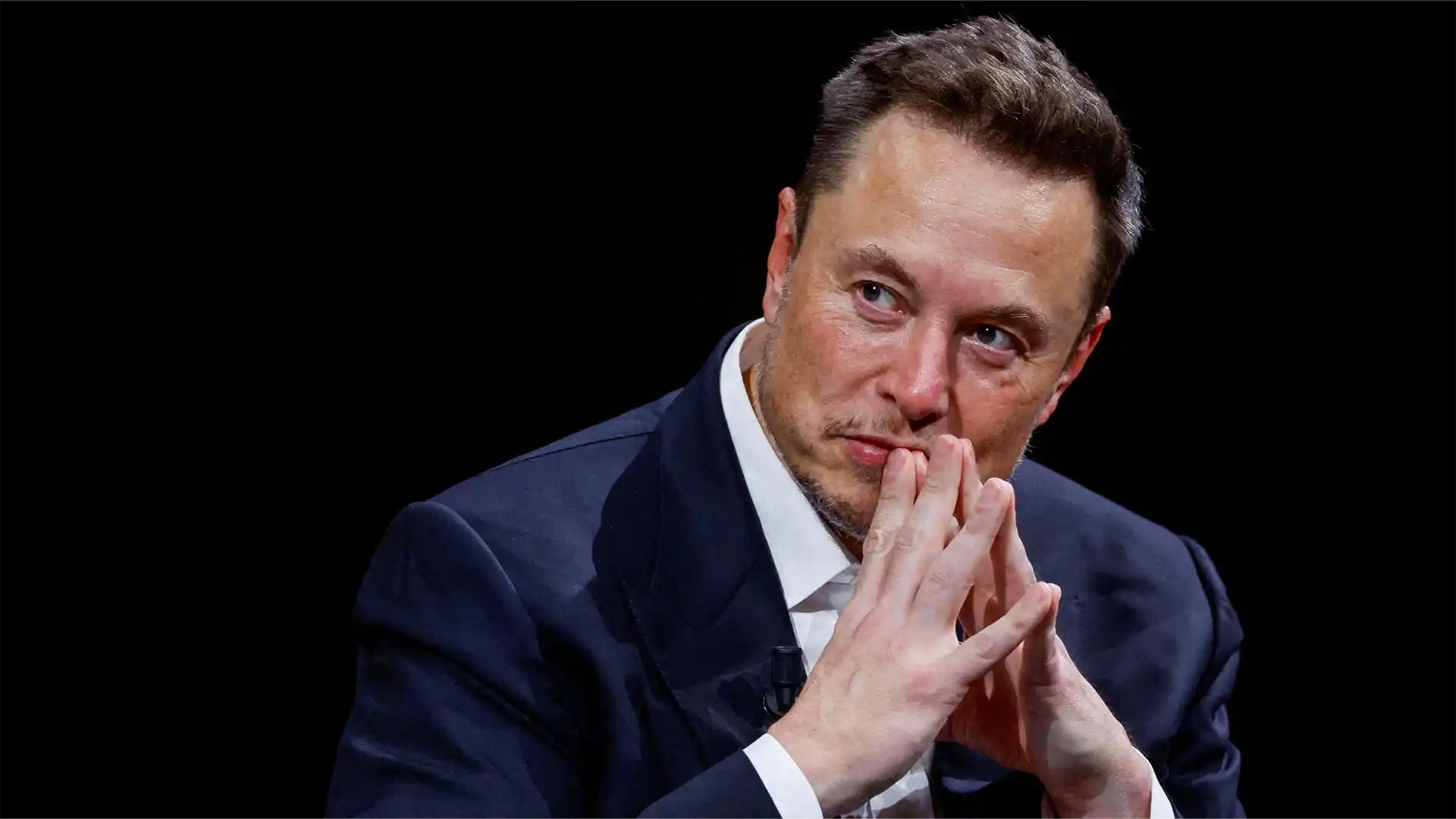
Tesla CEO Elon Musk maintained that he was not involved in creating the $55.8 billion compensation plan and did not discuss the deal with board members, according to AFP. On Monday, a U.S. judge reaffirmed her previous ruling, rejecting Musk’s enormous pay package and blocking efforts to revive it through a shareholder vote.
In a legal filing, Delaware’s Court of Chancery Chancellor Kathaleen McCormick stated that Tesla’s effort to approve Musk’s compensation package during a June shareholder vote could not overturn her January ruling, which had deemed the pay plan excessive and detrimental to shareholders.
Chancellor McCormick identified several issues with Tesla’s effort to ratify the package, citing “significant inaccuracies” in the materials given to shareholders regarding the impact of their vote.
“The request to amend is denied,” McCormick stated. “The defense teams, though highly skilled, advanced novel arguments on ratification that conflict with well-established legal principles,” she added.
Tesla announced on Musk’s X platform that it plans to appeal the court’s decision.
“Company votes should be determined by shareholders, not judges,” Musk wrote in a separate post.
The court granted $345 million in legal fees, far below the $5.6 billion sought by the attorneys representing plaintiff Richard Tornetta, a Tesla shareholder.
Although the court acknowledged that the lawyers’ calculation—based on Delaware’s law of awarding fees as a percentage of the benefit obtained—was technically correct, Chancellor McCormick ruled that awarding such a massive sum would result in an unreasonable windfall.
In March 2018, shareholders initially approved the Musk compensation package, which was structured to reward the 53-year-old CEO for Tesla’s remarkable growth.
However, in a lawsuit, plaintiff Richard Tornetta claimed that the board members failed in their fiduciary duties by approving the plan and alleged that Musk had dictated the terms to directors who lacked sufficient independence from the company’s high-profile CEO.
Tornetta also accused Musk of receiving “unjust enrichment” and sought to invalidate the pay program that contributed to making him the world’s wealthiest person.
In the 2022 trial, Musk argued that Tesla investors were among the “most sophisticated in the world” and fully capable of monitoring his leadership.
He added that Tesla had previously been ridiculed within the auto industry, and it was the huge success of the Model 3 that ultimately transformed the company’s reputation.
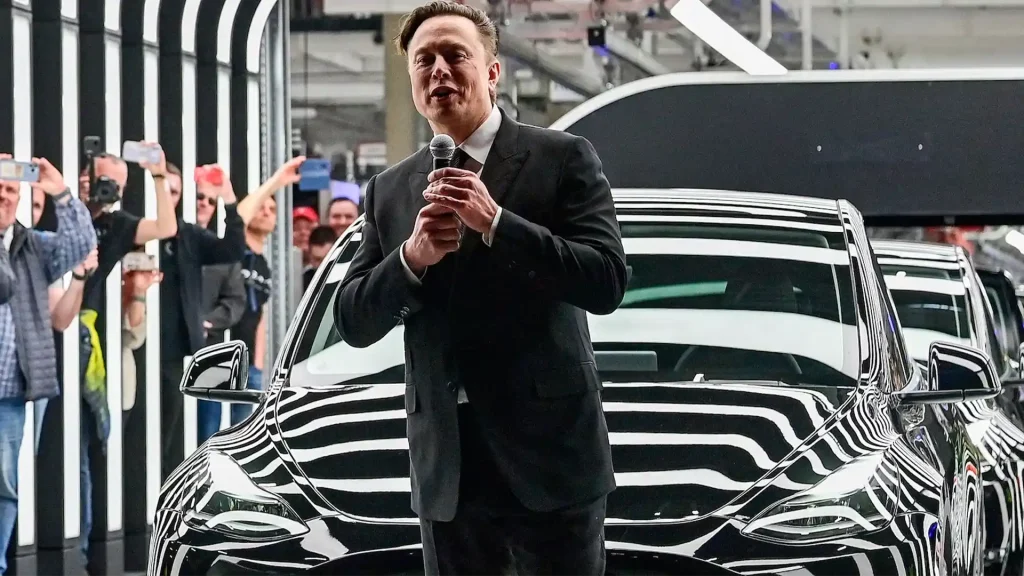
Musk maintained that he had no involvement in drafting the compensation plan and did not discuss the deal with board members, some of whom were personal friends, who eventually approved it.
The Delaware Court of Chancery, a cornerstone of American corporate law for over 100 years, serves as the legal home for about two-thirds of U.S. Fortune 500 companies.
On Monday, Musk shared posts from other X users urging businesses to relocate out of Delaware.