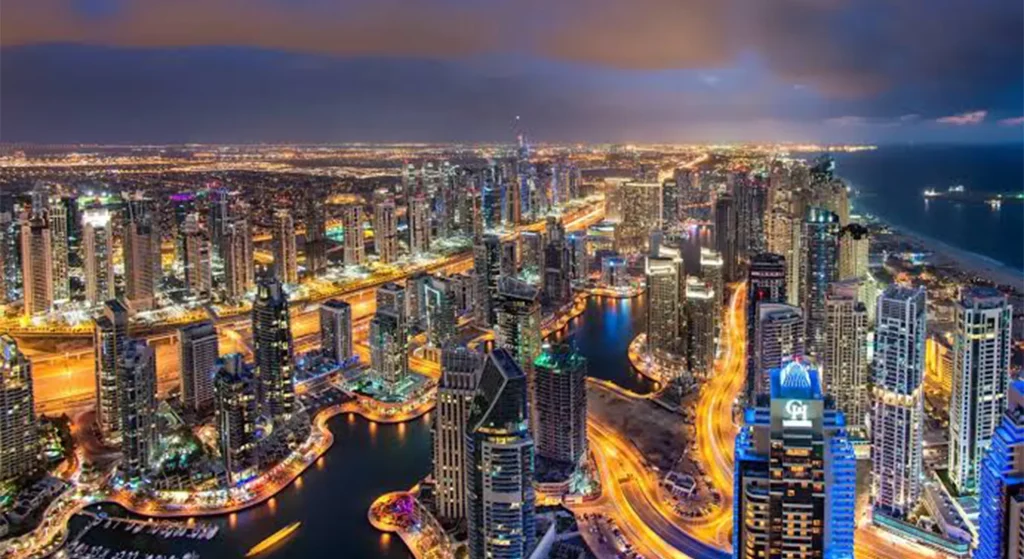
Dubai is imagining a more sustainable future by 2040, where discarded materials could become useful resources instead of ending up as waste. The city’s vision focuses on smarter waste management, recycling and innovative solutions to create a cleaner and more environmentally friendly urban lifestyle.
Dubai 2040 Vision: How Everyday Waste Could Be Transformed into Valuable Resources in the City of the Future
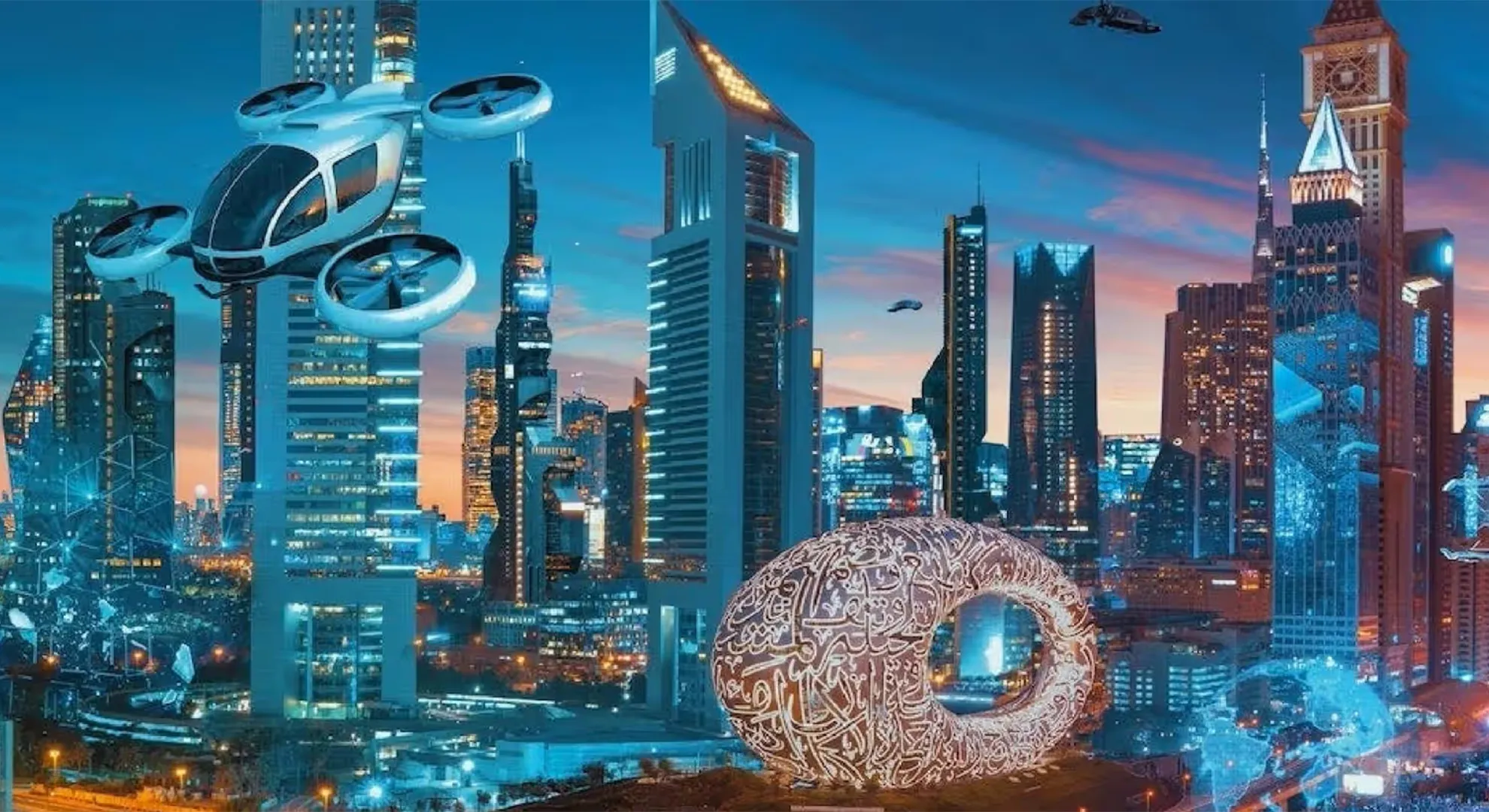
Dubai 2040: From Waste-to-Energy Homes to Smart Inspections, How the City Could Transform Daily Life
What if the rubbish collected from your home could help power the city or provide raw materials for future construction? And what if residents could digitally design their homes, monitor food safety in real time and contribute directly to the development of public services?
These are some of the possibilities Dubai Municipality is exploring as part of its vision for the city’s future.
During Dubai Future Week, six employees from Dubai Municipality presented an interactive experience titled ‘The City That Never Sleeps’, offering visitors a glimpse of what everyday life in Dubai could look like in 2040.
The presentation followed a hypothetical day in the future, beginning at 3am and ending at 8.30pm. Through six different scenarios, the team demonstrated how technology, sustainability, artificial intelligence and community participation could reshape the way residents experience the city.
The municipality also introduced two important initiatives during the event: Health and Safety Radar, a digital platform designed to help inspectors identify potential risks, and DM Disrupt, an innovation accelerator intended to give new ideas an opportunity to be tested in real urban environments.
A Day in Dubai 2040: Six Changes That Could Redefine City Life
The interactive presentation explored how activities that appear ordinary today could become more efficient, connected and sustainable in the coming years.
Rather than presenting the future only through technology, the municipality focused on how innovations could improve residents’ everyday experiences.
3am: Household Waste Could Become a Valuable Resource
The first scenario began at 3am with a different approach to waste management.
Instead of treating discarded household materials and construction waste as unwanted rubbish, Dubai’s future vision imagines a system in which these materials are collected, processed and reused.
Waste generated by homes and buildings could become a source of energy or be converted into useful materials for the construction industry.
The concept reflects a move towards a circular economy, where resources are reused instead of being discarded after a single purpose.
Such an approach could help reduce the amount of waste sent to disposal facilities while making better use of materials already available within the city.
It also highlights the potential role of sustainable waste management in supporting Dubai’s long-term environmental objectives.
6.30am: Public Spaces Designed Around Community Life
By 6.30am, the presentation shifted attention towards parks, recreational areas and other shared public facilities.
The future vision suggested moving beyond the traditional idea of public spaces being places that people simply visit occasionally.
Instead, these locations could become an integrated part of everyday community life, welcoming people of different ages and backgrounds.
Parks and outdoor areas could be designed to support social interaction, recreation and relaxation throughout the day.
The underlying idea is to make public spaces more accessible and useful for residents as well as visitors.
10am: Designing a Home Could Become a Digital Experience
At 10am, the discussion turned towards the future of housing and property ownership.
Dubai Municipality presented a scenario in which people could design their homes digitally before seeing how the proposed spaces might look in reality.
Using digital tools, residents could explore different layouts and understand how a home might change as their families grow or their requirements evolve.
The concept also considered homes that could be adapted over several years and potentially passed down through generations.
Instead of viewing a property as a fixed structure, this approach imagines housing as something that can evolve alongside the people living in it.
Digital design tools could therefore give residents greater involvement in planning their living spaces while helping them visualise changes before they are made.
1pm: Technology Could Make Food Safety Easier to Monitor
The next part of the presentation focused on food safety and public health.
At 1pm, the municipality explored how information could be collected and monitored throughout the food supply chain, from agricultural production to the consumer’s table.
The idea is to identify possible safety concerns earlier rather than waiting until a problem reaches customers.
By connecting information from different stages of food production, transportation and distribution, relevant teams could respond more quickly when potential risks are identified.
The same approach could also be applied to monitoring cleanliness in public areas.
Digital systems could help municipal teams identify locations requiring attention and take preventive action before minor concerns develop into larger problems.
This scenario highlighted how data-driven monitoring could support public health and improve confidence in the safety of everyday services.
4.30pm: Digital Replicas Could Help Prevent Infrastructure Failures
At 4.30pm, the focus moved towards infrastructure management and the use of digital twin technology.
The presentation imagined municipal teams using virtual copies of actual buildings, facilities and other physical assets to understand how they might respond to different situations.
These digital replicas could allow experts to simulate equipment failures, examine possible problems and practise repair procedures before carrying out work in real locations.
Testing different scenarios virtually could help teams identify weaknesses and prepare appropriate responses in advance.
It could also reduce the need for repeated physical testing and help improve the efficiency of maintenance operations.
The wider objective is to make municipal infrastructure more reliable by using digital technology to anticipate problems rather than responding only after something goes wrong.
8.30pm: Residents Could Help Shape the City’s Future
The final scenario took visitors to 8.30pm and focused on public participation.
The presentation explored a future in which residents would have more opportunities to contribute ideas and influence the services they use.
Rather than being passive users of municipal facilities, people could become active participants in improving their neighbourhoods and shaping the city’s development.
Through digital platforms and other engagement channels, residents could share suggestions, identify problems and contribute to the design of public services.
The concept reflects the municipality’s intention to make city development a more collaborative process involving both government teams and the wider community.
Why Dubai Municipality Has Removed Around 45 Services and Procedures
Dubai Municipality’s future plans are not limited to introducing new technologies. The authority is also reviewing existing services to determine whether they continue to meet residents’ requirements.
During the opening of the session, Dubai Municipality Director General Marwan bin Ghalita highlighted the work that takes place behind the scenes to keep the city functioning smoothly.
He referred to everyday facilities such as clean parks, well-maintained beaches and public spaces that are ready for visitors.
Although residents may not always notice the effort involved, these services depend on municipal employees working across different shifts and departments.
He explained that the municipality is increasingly relying on information and data to understand what residents need and identify potential problems before they become serious.
Another part of this process involves examining how frequently existing services are being used.
According to bin Ghalita, the municipality reviewed service usage over the previous two to three months and identified several offerings that were no longer attracting meaningful demand.
As a result, approximately 45 services and procedures were gradually discontinued.
The decision was based on usage information indicating that these services were no longer required by residents in their existing form.
This reflects a broader effort to simplify municipal operations, remove unnecessary procedures and concentrate resources on services that provide practical value.
Health and Safety Radar: A Digital Map to Help Inspectors Identify Risks
One of the major technology initiatives highlighted during Dubai Future Week was Health and Safety Radar, a platform designed to bring different types of municipal information together through a live mapping system.
Traditionally, information about customer complaints, inspection findings, laboratory results and reported incidents may be stored across separate systems.
Health and Safety Radar aims to connect these different sources so that inspectors can access a more comprehensive picture of potential health and environmental concerns.
The platform allows relevant information to be viewed geographically, helping municipal teams understand which locations may require closer attention.
Amna Abdulrahman from Dubai Municipality’s Health and Safety Department explained the purpose of the system during a conversation with INSIDER 18 at Dubai Future Week.
She said the platform brings together information from several municipal databases, including smart inspection records, public complaints, incident reports and findings from the Central Laboratory.
By presenting these records on a single live map, the system makes it easier for inspectors to identify patterns and assess locations that may require further investigation.
The objective is to make inspection planning more informed and efficient.
How Artificial Intelligence and Mapping Technology Support Inspections
Health and Safety Radar was launched at WETEX 2026 and combines artificial intelligence with Geographic Information Systems (GIS) to examine risks associated with specific locations.
The platform uses information from several sources, including business licensing records, laboratory testing and samples collected during field inspections.
These different datasets can help municipal teams understand where potential problems are developing and determine which establishments should receive attention first.
For example, if several complaints or inspection findings relate to a particular location, the system can help bring those records together for further assessment.
The interactive mapping feature allows inspectors to examine geographical patterns instead of relying exclusively on individual reports.
This could help authorities prioritise inspections based on the available risk information and direct resources towards areas requiring greater attention.
The use of artificial intelligence and location-based analysis is intended to support decision-making, rather than replace the role of municipal inspectors.
By combining digital information with on-ground inspections, the municipality aims to strengthen its ability to monitor health and safety conditions across Dubai.
DM Disrupt: Giving Innovators an Opportunity to Test New Ideas
Alongside its smart monitoring platform, Dubai Municipality also introduced DM Disrupt, an accelerator programme designed to support innovation.
The initiative is intended to provide innovators with opportunities to develop and test solutions that could address real challenges within the city.
Rather than limiting innovation to theoretical concepts or laboratory demonstrations, the programme aims to create opportunities for practical experimentation in an actual urban environment.
This could allow promising ideas to be evaluated for their usefulness, effectiveness and potential application within municipal operations.
The initiative also reflects the municipality’s interest in working with innovators and encouraging new approaches to public services.
Through programmes such as DM Disrupt, Dubai Municipality aims to identify solutions that could contribute to more efficient city management and improve the experience of residents and visitors.
Dubai’s 2040 Vision Focuses on a Smarter and More Connected City
The presentation at Dubai Future Week offered a picture of how technology could influence almost every stage of daily life in the coming years.
From turning household waste into useful resources to designing adaptable homes, improving food safety and predicting infrastructure problems, the six scenarios demonstrated the municipality’s approach to future urban planning.
The initiatives also highlighted the importance of connecting government services, digital information and community participation.
Health and Safety Radar represents the use of data and artificial intelligence to support more targeted inspections, while DM Disrupt aims to give innovative ideas a pathway towards practical testing.
At the same time, the review and removal of approximately 45 underused services demonstrates how the municipality is examining existing operations alongside developing new solutions.
Dubai’s vision for 2040 is therefore not only about introducing advanced technology. It is also about creating a city where public services are more responsive, resources are used more efficiently and residents have a greater role in shaping their surroundings.
If these concepts are successfully developed and implemented, everyday activities that appear routine today could become part of a much more connected and sustainable urban experience.