The Gulf Cooperation Council chief has revealed that member nations have faced more than 7,000 missile and drone attacks since February 28, highlighting the scale of aerial threats and security challenges confronting countries across the region.
GCC Countries Face More Than 7,000 Missile and Drone Attacks Since February 28, Says Regional Chief
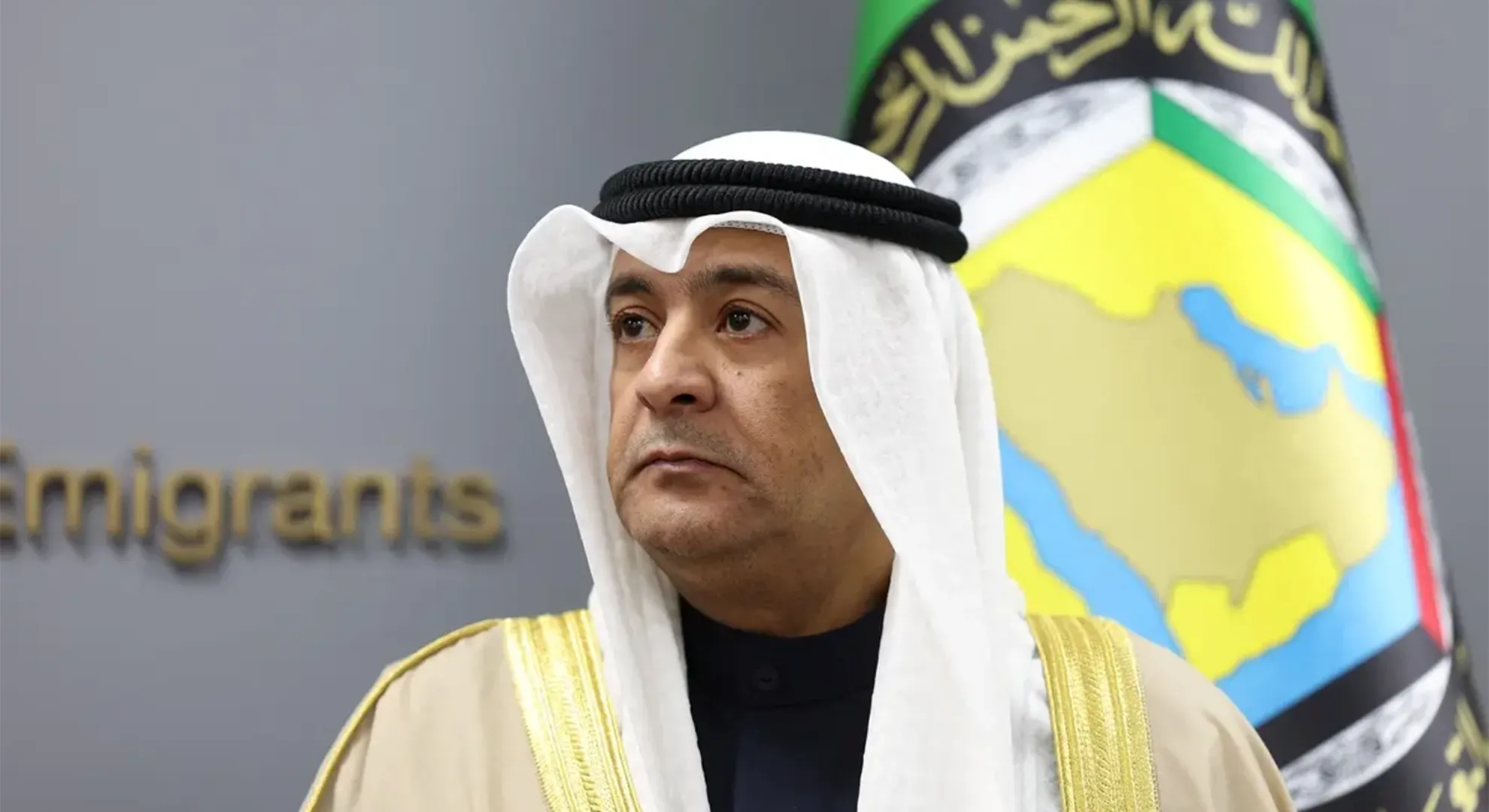
GCC Chief Urges Global Action Against Attacks on Gulf States, Calls for Security Concerns to Be Addressed
Jasem Mohamed Albudaiwi, Secretary-General of the Gulf Cooperation Council (GCC), has called for stronger international efforts to protect the security and sovereignty of Gulf nations, maintaining that any threat to the bloc’s member states must be addressed through diplomatic and international channels.
He reiterated that the GCC firmly opposes actions that undermine the territorial integrity, independence or national security of its members. He also warned that attacks against these countries represent a breach of international law and could have serious consequences for regional and global stability.
Addressing the United Nations Security Council in New York on Friday, Albudaiwi revealed that GCC countries had faced more than 7,000 missile and drone attacks since February 28, 2026.
According to his briefing, the strikes had affected important infrastructure, essential installations and civilian facilities across the region. The attacks had also resulted in fatalities and injuries, alongside considerable damage to infrastructure and the marine environment.
The GCC Secretary-General urged the Security Council to take concrete steps to stop further attacks and ensure that existing international resolutions are properly implemented. He also called for stronger enforcement of the arms embargo, accountability for those responsible and compensation for the losses and destruction caused.
Albudaiwi further emphasised the importance of protecting United Nations personnel and humanitarian workers, condemning violations targeting individuals involved in international peacekeeping and relief operations.
He also expressed support for diplomatic initiatives aimed at achieving a comprehensive political settlement based on the three established references, underlining the importance of a sustainable solution to the ongoing regional challenges.
Growing concerns over maritime security
Albudaiwi warned that the consequences of the attacks were no longer limited to the territories of GCC member states, with growing risks extending to major international shipping and commercial routes.
He strongly criticised attacks on commercial ships and vessels transporting oil and gas through strategically important waterways, including the Strait of Hormuz, the Red Sea and the Bab Al Mandab Strait.
Highlighting the importance of these maritime corridors to international trade, he rejected any efforts to shut down the waterways or restrict the free movement of commercial shipping.
He cautioned that interruptions to maritime traffic could create consequences far beyond the immediate region. Apart from financial and economic losses, restrictions on shipping could disrupt international supply networks and affect the availability of essential goods in different parts of the world.
The GCC chief also pointed out that threats to major shipping routes could develop into a serious humanitarian concern, particularly when disruptions affect the movement of essential supplies and other critical commodities.
GCC calls for diplomacy and regional cooperation
Despite the growing security challenges, Albudaiwi reaffirmed that GCC member states remained committed to resolving disputes through peaceful negotiations and diplomatic engagement.
He said the council continued to support relations built on mutual respect, recognition of national sovereignty, peaceful coexistence and non-interference in the domestic affairs of other countries.
He also underlined that any future negotiations or political agreements affecting the Gulf region must take into account the security interests and concerns of GCC countries.
According to Albudaiwi, member states should have an active role in discussions and negotiations that could directly influence their national security, regional interests and long-term stability.
He maintained that meaningful diplomatic agreements must address the concerns of all parties involved rather than overlook the security requirements of countries in the region.
Appeal for immediate halt to attacks
Concluding his address to the Security Council, Albudaiwi urged the international community to work towards an immediate and unconditional end to attacks targeting GCC countries and commercial shipping.
He called for coordinated international action to prevent further escalation, safeguard civilian infrastructure and protect the security of important maritime routes.
The GCC Secretary-General also reiterated that the member states would continue supporting diplomatic mediation and international peace initiatives in accordance with the directions of their respective leaders.
He emphasised that maintaining stability in the Arabian Gulf was not simply a regional priority but an issue with wider international implications.
Albudaiwi’s remarks highlighted the GCC’s position that protecting the security of the Gulf region is closely connected to global peace, international trade and the stability of essential supply chains.
He concluded by stressing the importance of collective international efforts to prevent further attacks, protect maritime navigation and create conditions for a lasting political solution.