Despite signs of a slowdown in the luxury real estate sector, Dubai continues to outperform other major international property markets, recording the highest activity in residential transactions valued above $10 million and strengthening its reputation as a global destination for wealthy property buyers.
Dubai Retains Its Position as the World’s Leading Hub for Homes Priced Above $10 Million Despite Market Slowdown
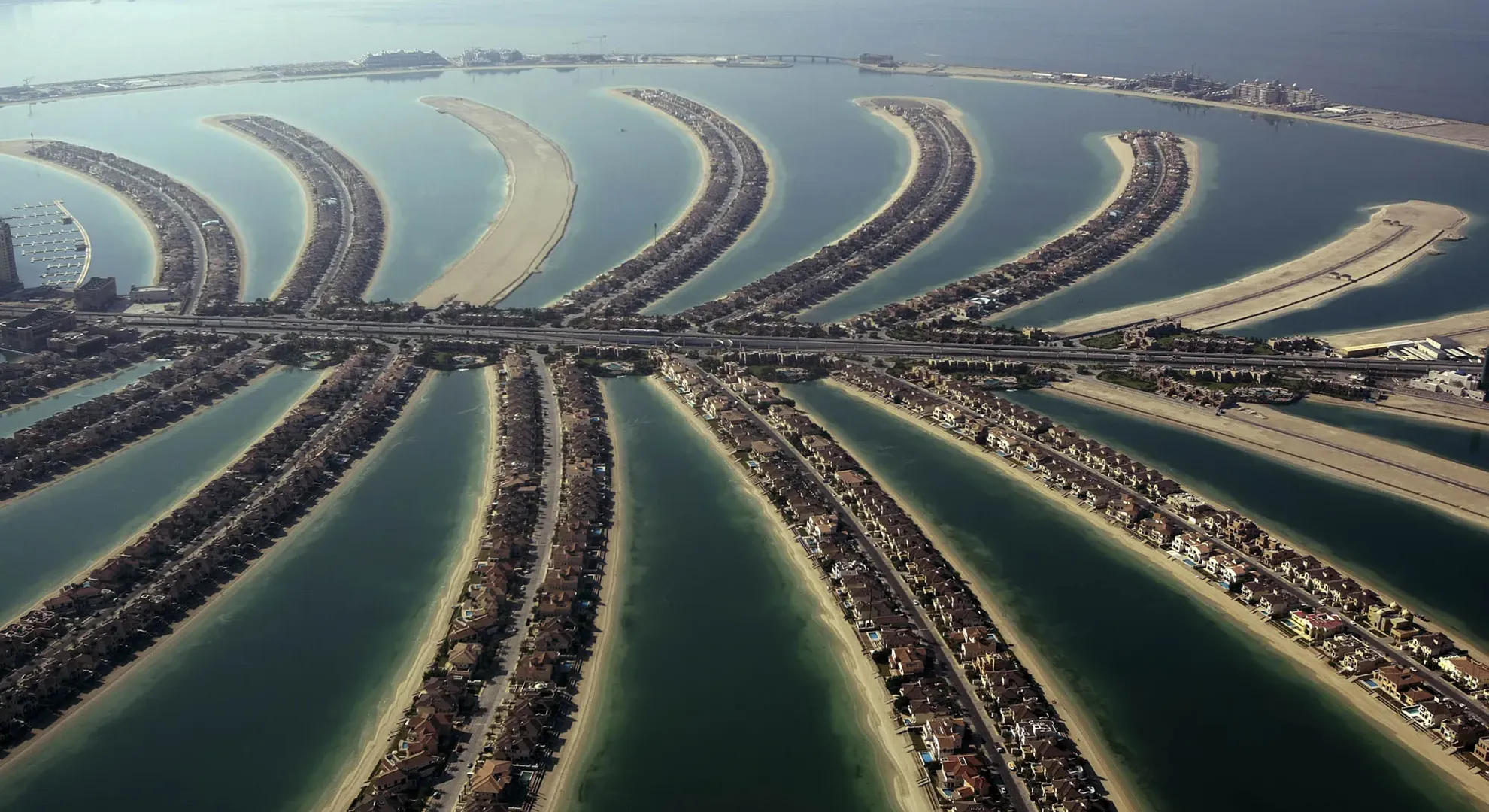
Dubai Leads Global Ultra-Luxury Property Sales Despite Decline in $10 Million-Plus Deals
Dubai continued to attract the highest number of ultra-luxury residential property buyers worldwide during the third quarter of 2026, maintaining its position at the top of the global market for homes valued above $10 million. However, the latest figures indicate that the pace of high-value transactions has slowed considerably compared with the exceptional performance recorded earlier in the year.
According to the latest Global Super-Prime Intelligence report published by international property consultancy Knight Frank, Dubai registered 86 residential transactions worth more than $10 million during the July-September period. The combined value of these deals reached approximately $1.57 billion.
Despite the quarterly decline, the emirate remained ahead of other major international property destinations, including Hong Kong and New York, in terms of the number of ultra-luxury homes sold.
The report also highlighted Dubai’s strong performance over a longer period. During the 12 months ending September 2026, the emirate recorded 525 transactions in the $10 million-plus category, representing a combined value of $9.25 billion.
Hong Kong secured second place over the same period, with 346 transactions valued at $6.65 billion.
These figures underline Dubai’s continuing appeal among wealthy international buyers, even as the global luxury housing sector experiences changes in purchasing activity.
Dubai’s Ultra-Luxury Market Experiences a Quarterly Correction
Although Dubai maintained its global leadership in the super-prime property segment, the third-quarter numbers revealed a noticeable moderation in sales.
The number of homes sold for more than $10 million declined by 34 per cent compared with the preceding quarter. The total transaction value also decreased by 28 per cent.
With only 86 qualifying transactions recorded between July and September, activity reached its weakest quarterly level since the third quarter of 2024.
The annual comparison also reflected softer market conditions. Sales volumes were 16 per cent lower than the corresponding period a year earlier, while the overall value of transactions dropped by 21 per cent.
Knight Frank noted that the latest figures represented a second successive quarterly decline, suggesting that the extraordinary momentum witnessed during the earlier part of 2026 was beginning to normalise.
Nevertheless, Dubai’s performance over the preceding 12 months remained significantly stronger than that of competing international markets.
The emirate has benefited from sustained interest among high-net-worth individuals, international investors and wealthy families seeking premium residential properties.
Its reputation as an international business destination, lifestyle hub and luxury real estate market has also helped attract buyers looking for high-end homes.
Real estate consultancy CBRE has separately highlighted the relative strength of Dubai’s luxury and premium residential neighbourhoods, noting that these locations have performed better than several lower-priced residential segments.
Hong Kong Takes the Lead in Total Transaction Value
While Dubai maintained its advantage in the number of super-prime property sales, Hong Kong narrowly moved ahead in terms of the total value of transactions during the third quarter.
The Asian financial centre recorded $1.58 billion in sales involving homes priced above $10 million, slightly exceeding Dubai’s $1.57 billion.
This marked an important development in the international luxury property market, as Hong Kong achieved the highest quarterly transaction value for the first time since the second quarter of 2022.
The city registered 78 super-prime residential transactions during Q3, compared with Dubai’s 86 and New York’s 62.
Although Hong Kong’s quarterly sales declined by 16 per cent compared with Q2, its performance was considerably stronger on an annual basis.
The number of transactions increased by 39 per cent compared with the same period last year, while their combined value climbed by 52 per cent.
Commenting on the changing dynamics of the global luxury housing sector, Liam Bailey, Global Head of Research at Knight Frank, said the third quarter had brought a shift in the balance of activity between leading markets.
He pointed out that Hong Kong had moved marginally ahead of Dubai in transaction value after several years, while Sydney had also delivered an exceptional performance during the quarter.
The latest figures suggest that competition among international luxury property destinations is becoming more noticeable, even as Dubai continues to lead in overall transaction numbers.
Sydney Records an Exceptional Quarter
Among the 12 international markets examined by Knight Frank, Sydney emerged as one of the strongest performers during the third quarter of 2026.
The Australian city recorded 57 super-prime residential transactions, more than twice its previous quarterly total.
The combined value of these transactions reached $724 million, representing a 77 per cent increase compared with the second quarter.
Sydney’s performance made it one of the standout contributors to the global luxury housing market during the period.
New York also recorded an improvement, despite the broader slowdown affecting several international destinations.
The US city registered 62 transactions worth a combined $1.08 billion. Compared with the previous quarter, the number of sales increased by 9 per cent, while their total value rose by 11 per cent.
The figures suggest that demand for ultra-premium residences remained relatively resilient in selected international markets.
Global Super-Prime Property Transactions Decline
The moderation in Dubai’s luxury property market formed part of a broader slowdown across several international destinations.
Knight Frank’s analysis of 12 major markets identified a total of 470 residential transactions above the $10 million threshold during the third quarter.
This represented a 19 per cent decline compared with the revised figure for Q2 and a 2 per cent reduction from the same quarter of the previous year.
The aggregate value of these transactions stood at approximately $8.7 billion.
Although this was 18 per cent lower than the preceding quarter, the figure remained 1 per cent higher than the corresponding period in 2025.
Looking at the wider annual picture, the 12 markets collectively recorded 2,240 super-prime property transactions worth approximately $41 billion in the 12 months to September.
The overall performance was broadly comparable with the preceding 12-month period ending June.
The figures indicate that the global market for ultra-expensive residential properties is undergoing a period of adjustment rather than experiencing a uniform decline.
London and Los Angeles Face Weaker Sales Activity
Several other major luxury housing destinations recorded weaker results during the July-September period.
London registered 42 super-prime residential transactions, although the total value of sales dropped to $722 million.
This represented a significant reduction from the previous quarter, when the British capital benefited from several exceptionally large property deals.
The absence of similarly high-value transactions contributed to the sharp fall in aggregate sales value.
Los Angeles also experienced a challenging quarter, recording just 18 transactions in the super-prime category.
This was the lowest quarterly sales total reported for the city in Knight Frank’s data series.
The contrasting performances across London, Los Angeles, New York and Sydney demonstrate how market conditions can vary considerably between international luxury property destinations.
Asia-Pacific Gains a Larger Share of Global Luxury Sales
Another important development during the third quarter was the growing contribution of Asia-Pacific cities to worldwide super-prime residential activity.
Markets across the region accounted for 38 per cent of all transactions recorded during Q3, compared with 29 per cent in the previous quarter.
The increase reflected stronger activity in locations such as Hong Kong and Sydney.
Meanwhile, transaction volumes across US markets declined by approximately 30 per cent compared with the second quarter.
This changing geographical distribution highlights the importance of monitoring regional market conditions when assessing the performance of international luxury real estate.
While the Middle East continues to attract substantial wealth and investment, Asia-Pacific markets have also demonstrated renewed strength in the ultra-premium residential category.
Dubai’s Luxury Property Market Remains a Global Attraction
Despite the reduction in quarterly sales, Dubai continues to hold a strong position in the international market for homes valued above $10 million.
The emirate’s 525 transactions over the 12 months to September placed it comfortably ahead of every other market included in Knight Frank’s research.
Its performance reflects sustained demand for exclusive residences among wealthy buyers seeking luxury lifestyles, investment opportunities and access to an internationally connected business environment.
The continued interest in premium residential communities has also helped distinguish Dubai’s high-end housing segment from other parts of the broader property market.
However, the latest quarterly figures indicate that buyers and investors may be entering a more measured phase after the exceptional transaction activity recorded earlier in 2026.
For international property investors, the changing rankings among Dubai, Hong Kong, New York and Sydney offer an indication of how demand is shifting across the world’s most expensive residential markets.
Hong Kong’s Recovery Among Key Trends to Watch in 2027
Looking ahead, Knight Frank has identified the sustainability of Hong Kong’s recovery as one of the major developments worth monitoring in 2027.
The city’s ability to maintain its recent improvement in transaction activity could influence the competitive position of major global luxury property markets.
Dubai, meanwhile, will enter the next year with a substantial lead in the annual number of super-prime home sales, despite its recent quarterly slowdown.
Sydney’s record performance and the relative resilience of New York will also remain important factors in assessing the direction of the international luxury housing sector.
The latest report ultimately presents a market in transition: Dubai remains the world’s leading destination by transaction volume, Hong Kong has gained ground in total sales value, and other established luxury property centres are experiencing varying levels of demand.
For now, Dubai’s position at the top of the global $10 million-plus residential market remains intact, even as the pace of transactions becomes more moderate.