The United Arab Emirates has strongly criticised the incident involving a liquefied natural gas carrier associated with Qatar in the Arabian Gulf, expressing its opposition to the attack and highlighting concerns over maritime security and regional stability.
UAE Denounces Assault on Qatar-Linked LNG Vessel in the Arabian Gulf
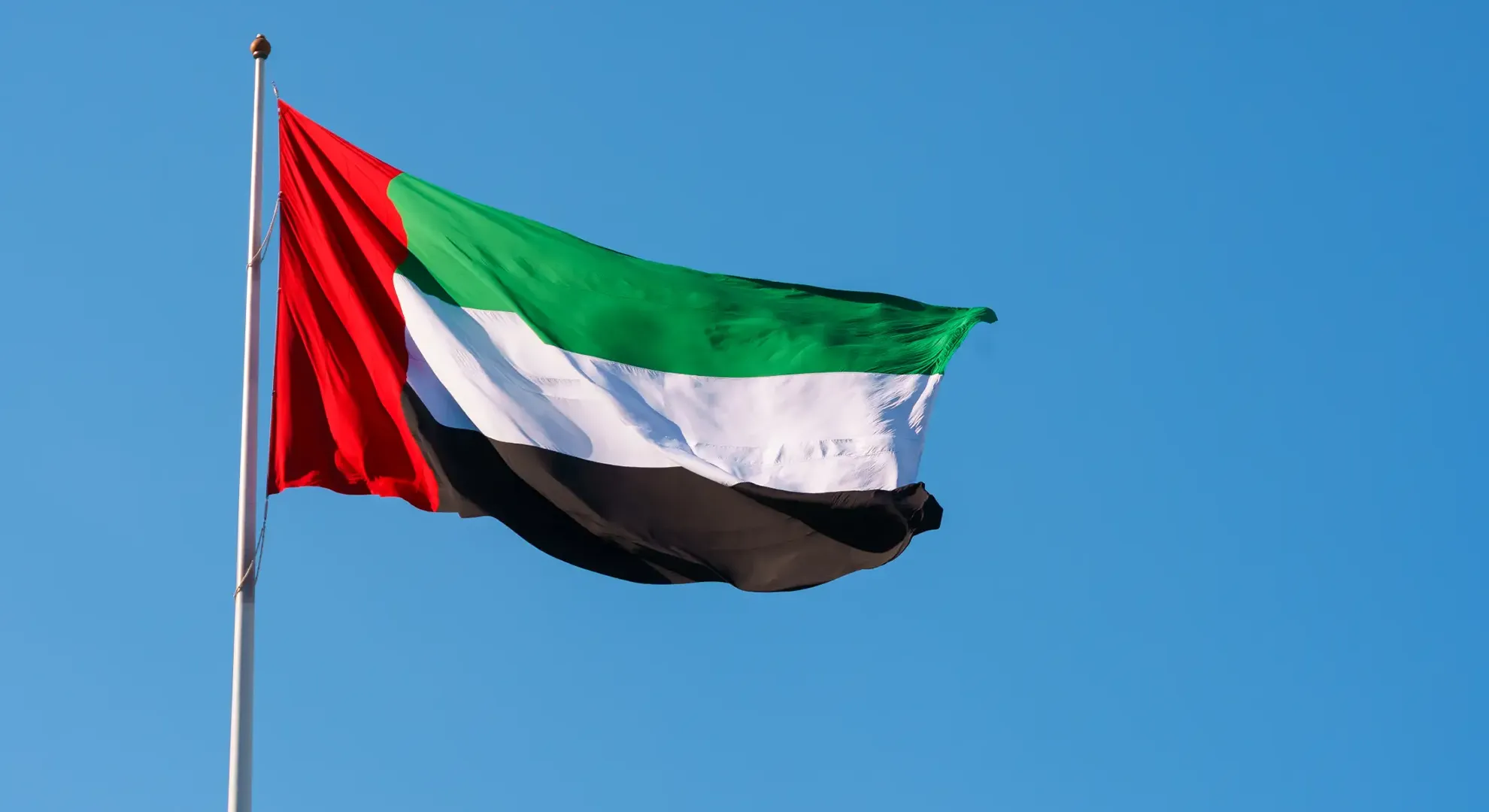
UAE Condemns Attack on Qatari LNG Carrier, Warns of Risks to Maritime Security and Energy Trade
The United Arab Emirates has expressed strong condemnation following an attack on a liquefied natural gas (LNG) tanker owned by Qatar, raising concerns about the safety of commercial shipping routes and the potential consequences for international energy transportation.
The vessel, identified as Al Maayeda and operated by Qatar Gas Transport Company, also known as Nakilat, was reportedly targeted by unidentified objects while travelling through the Arabian Gulf on Friday evening.
In an official statement, the UAE Ministry of Foreign Affairs (MoFA) denounced the incident and described it as a serious development that could threaten the security of maritime transportation and international trade.
The ministry warned that attacks against commercial vessels carrying essential energy supplies could have consequences extending beyond the countries directly involved. Such incidents can create risks for shipping crews, disrupt important trade routes and potentially affect the movement of energy resources to international markets.
The UAE also highlighted the possible environmental consequences associated with attacks on vessels transporting liquefied natural gas, stressing the importance of protecting maritime infrastructure and ensuring that commercial shipping operations can continue without interference.
Describing the incident as a dangerous escalation, the ministry said developments of this nature threaten the stability and security of strategically important waterways.
The UAE reiterated its position on protecting international maritime navigation and preventing actions that could place commercial shipping and energy transportation at risk.
It also expressed solidarity with Qatar following the incident, underlining the importance of cooperation between countries to maintain security across regional waterways.
UAE highlights threat to international shipping and energy supplies
The UAE’s response focused on the wider implications of the attack, particularly its potential impact on the safety of maritime transportation and the uninterrupted movement of energy resources.
The Arabian Gulf is an important route for international commercial shipping, including vessels transporting oil, natural gas and other essential commodities.
Any security incident involving a commercial energy carrier can raise concerns among shipping companies, energy producers, insurers and countries that depend on maritime transportation for their supplies.
In its statement, the UAE Ministry of Foreign Affairs described the attack as a serious threat to maritime safety and the stability of international energy supply networks.
The ministry also drew attention to the environmental risks that could arise from incidents involving vessels carrying energy products.
An attack on an LNG tanker can create complicated safety challenges, depending on the nature of the damage and the condition of the vessel. Protecting the ship, its cargo and the people working onboard therefore remains an important consideration following any maritime security incident.
The UAE called for international law to be respected and emphasised that commercial ships, energy carriers and their crews must be protected while operating in international waters and other recognised shipping routes.
The ministry also stressed that freedom of navigation should be maintained and that no action should be allowed to interfere with the normal movement of commercial vessels.
Its comments reflect wider regional concerns about maritime security, particularly as shipping routes in and around the Arabian Gulf remain strategically important for global energy transportation.
UAE expresses support for Qatar
Following the incident, the UAE reaffirmed its support for Qatar and highlighted the need for regional cooperation in addressing threats to maritime security.
The ministry’s statement emphasised that countries must work towards maintaining the safety of commercial vessels and ensuring that essential energy supplies can reach international destinations without disruption.
The UAE also stressed the importance of observing international legal principles governing maritime navigation.
The incident involving Al Maayeda has drawn attention to the security challenges facing vessels operating in the Arabian Gulf, particularly those transporting strategically important energy resources.
For Qatar, the safety of LNG carriers is especially significant because the country is one of the world’s major suppliers of liquefied natural gas.
Its export operations depend heavily on maritime transportation, with specialised LNG vessels carrying supplies to customers across different international markets.
Any incident affecting these ships can therefore attract attention beyond the immediate location of the event.
The UAE’s statement highlighted the importance of protecting regional shipping routes and preventing further incidents that could undermine confidence in commercial maritime operations.
Nakilat confirms incident involving Al Maayeda
Qatar Gas Transport Company, commonly known as Nakilat, confirmed that its LNG carrier Al Maayeda had been involved in an incident while sailing through the Arabian Gulf.
According to a statement released on Sunday and reported by Qatar’s state news agency, the vessel was struck by unidentified objects on Friday evening.
The company subsequently issued an announcement through the Qatar Stock Exchange, providing details about the condition of the tanker and its crew.
Nakilat confirmed that no members of the crew had suffered injuries during the incident.
The company also reported that the event had not caused any environmental damage.
These details provided an initial indication that the vessel had avoided the more serious consequences that can accompany incidents involving commercial energy carriers.
According to the company’s announcement, Al Maayeda remained safe and operational following the incident.
Its onboard systems were reported to be under control, allowing the vessel to remain in a stable operating condition.
However, the company said an assessment was still being conducted to establish the full extent of the incident’s impact.
The assessment is intended to provide a clearer understanding of the vessel’s condition and determine whether any additional action is required.
Nakilat’s announcement did not identify the objects involved in the incident or establish responsibility for what happened.
The available information therefore remains limited to the reported attack, the condition of the vessel and the company’s initial assessment.
Crew members escape injury as vessel remains operational
One of the main points highlighted in Nakilat’s announcement was that all crew members remained unharmed.
Maritime incidents involving energy carriers can create serious risks for people onboard, particularly when a vessel is exposed to external impacts or damage while travelling through busy shipping corridors.
In this case, the company confirmed that there were no reported injuries.
It also stated that the incident had not resulted in environmental consequences, an important detail given the potential risks associated with commercial energy transportation.
The vessel’s operational status was another significant aspect of the announcement.
Nakilat said Al Maayeda remained safe, with its onboard systems continuing to function under control.
The company nevertheless indicated that further checks were being carried out to determine the complete effect of the incident.
Such assessments are important for establishing whether a vessel can continue normal operations and whether any technical inspections or additional safety measures are necessary.
For shipping operators, maintaining the safety of crew members, cargo and onboard equipment remains a central priority following any unexpected incident at sea.
The latest information released by Nakilat suggests that the immediate consequences for the tanker were limited, although the full assessment remained ongoing at the time of the announcement.
Strategic importance of the Arabian Gulf shipping corridor
The incident has once again drawn attention to the importance of maritime security in the Arabian Gulf and surrounding waterways.
The region plays a major role in international energy transportation, with numerous commercial vessels using its shipping routes to transport oil, natural gas and other products to markets around the world.
Energy exporters in the Gulf rely on a network of maritime routes to connect production facilities with international customers.
For LNG producers, specialised carriers are essential because liquefied natural gas must be transported using vessels designed to maintain the cargo at extremely low temperatures.
These ships operate under strict technical and safety requirements, making the protection of their crews and cargo particularly important.
Security concerns affecting commercial shipping can also influence wider business decisions.
Shipping companies may need to review operational risks, insurers may reassess exposure, and energy businesses may monitor developments closely to determine whether their transportation arrangements could be affected.
The UAE’s condemnation of the Al Maayeda incident reflects the wider importance of maintaining secure and predictable maritime operations.
The ministry’s warning about the safety of navigation and international energy supplies highlights the potential consequences of incidents involving commercial vessels, even when the immediate physical damage is limited.
For countries dependent on energy imports, maintaining reliable access to maritime transportation routes is an important element of energy security.
Strait of Hormuz remains a major focus of regional maritime concerns
The incident involving the Qatari LNG carrier comes amid wider security concerns surrounding maritime traffic in the region, particularly around the Strait of Hormuz.
The Strait of Hormuz is one of the world’s most strategically important maritime passages because it connects the Arabian Gulf with the Gulf of Oman and the wider Indian Ocean.
A significant share of internationally traded oil and liquefied natural gas moves through this narrow shipping corridor.
As a result, any disruption affecting vessels travelling through the area can have consequences for energy transportation and international commercial activity.
According to the information provided in the original report, Iran has been targeting vessels in the Strait of Hormuz since the regional conflict began in February.
Tehran has also said that ships must obtain its permission before passing through the waterway, a position that has contributed to wider concerns over freedom of navigation and the security of commercial shipping.
These developments have increased attention on the risks facing vessels operating in and around the Arabian Gulf.
The Strait of Hormuz and the wider Gulf maritime network are essential to the movement of energy resources from major producing countries to international markets.
Any prolonged disruption could create challenges for shipping operators, energy companies and countries that rely on supplies transported through the region.
However, the incident involving Al Maayeda and the reported activities around the Strait of Hormuz should be treated as separate developments unless further information establishes a direct connection.
Nakilat’s initial statement identified the incident involving its vessel but did not publicly establish who was responsible.
Energy transportation faces growing security challenges
The safety of LNG carriers has become an increasingly important subject in discussions about regional maritime security.
Liquefied natural gas is transported in specialised vessels that are designed to carry large quantities of natural gas in liquid form.
These ships are an important part of the international energy supply chain, allowing producing countries to deliver natural gas to markets that may not be connected through pipelines.
Qatar has an established position in the international LNG industry and relies on maritime transportation to serve customers across several regions.
The country’s LNG export infrastructure is supported by a fleet of specialised vessels operated by companies including Nakilat.
For this reason, the security of commercial carriers is closely linked to the wider reliability of Qatar’s energy export operations.
Incidents involving LNG vessels can raise several concerns, including the physical safety of crew members, the condition of the cargo, potential environmental effects and possible delays to scheduled transportation.
Even when a vessel remains operational, shipping companies may need to conduct inspections and technical assessments before determining its next steps.
The UAE’s statement drew attention to these wider risks, particularly the possibility that attacks against energy carriers could undermine confidence in maritime transportation.
The ministry also emphasised the importance of preventing disruptions to global energy supplies.
This is particularly relevant at a time when international energy markets are sensitive to developments affecting major production and transportation regions.
Regional cooperation remains important for maritime safety
The incident has reinforced calls for countries in the region to maintain cooperation on maritime security and protect important commercial shipping routes.
The Arabian Gulf is surrounded by countries with significant economic interests in energy production, transportation and international trade.
Maintaining the safety of these waterways is therefore important not only for individual governments but also for the wider international economy.
Commercial vessels routinely carry essential commodities through the region, including natural gas, crude oil, refined petroleum products and other industrial materials.
Ensuring that these ships can operate safely is an important responsibility shared by maritime authorities, shipping companies and governments.
The UAE’s expression of solidarity with Qatar underlines the importance of regional coordination following incidents that affect commercial transportation.
The ministry’s comments also highlighted the need to uphold international law and protect the rights and safety of vessels operating along established maritime routes.
For shipping operators, a stable security environment allows them to plan voyages, manage insurance arrangements and maintain predictable delivery schedules.
For energy exporters, it supports the continued movement of supplies to customers.
For importing countries, secure maritime routes help reduce the risk of delays and uncertainty in energy deliveries.
Investigation and assessment of the incident continue
While Nakilat has confirmed that Al Maayeda and its crew remained safe, the company’s assessment of the incident is an important next step.
The available announcement did not provide detailed information about the nature of the objects that struck the vessel or the extent of any physical impact.
It also did not identify those responsible.
Further information from the company or relevant authorities may be needed to establish the circumstances surrounding the event.
In the meantime, the tanker has been reported as operational, with its onboard systems under control.
The absence of injuries and environmental damage represents an important aspect of the initial report, although the full assessment remains necessary to determine whether any additional consequences need to be addressed.
Maritime incidents involving commercial vessels are generally assessed with attention to vessel condition, crew safety, cargo integrity and possible effects on the surrounding environment.
The results of such assessments can help operators determine whether further inspections, repairs or operational changes are required.
For now, the information released by Nakilat provides reassurance about the immediate condition of the ship while leaving questions about the circumstances of the incident unanswered.
Maritime security remains central to regional stability
The UAE’s response to the attack on Al Maayeda highlights the importance it places on the security of regional waterways and the protection of international energy transportation.
The incident has attracted attention because it involved an LNG carrier linked to Qatar, a major participant in the global natural gas market.
Although the vessel remained operational and no injuries or environmental damage were reported, the event has renewed concerns about the safety of commercial shipping in the Arabian Gulf.
The wider regional security situation, including developments affecting the Strait of Hormuz, has added to the importance of protecting vessels travelling through strategically significant maritime corridors.
For countries across the Gulf, ensuring safe navigation is closely connected with economic stability, energy exports and international trade.
The UAE has called for international law to be respected, commercial vessels and their crews to be protected, and any actions that could disrupt maritime transportation to be prevented.
Meanwhile, Nakilat continues to assess the incident involving Al Maayeda following its confirmation that the vessel remains safe and operational.
The coming developments will be important in establishing further details about what happened and whether additional measures are necessary to protect commercial shipping.
For the international energy sector, the incident serves as another reminder of the importance of secure maritime routes in maintaining reliable supplies and supporting global trade.