Companies across the UAE are joining ongoing efforts to address the coastal oil spill, providing support and resources to help minimise environmental damage, protect marine ecosystems and assist authorities with cleanup activities in the affected coastal areas.
UAE Businesses Launch Coordinated Efforts to Limit Oil Spill Impact on Coastlines
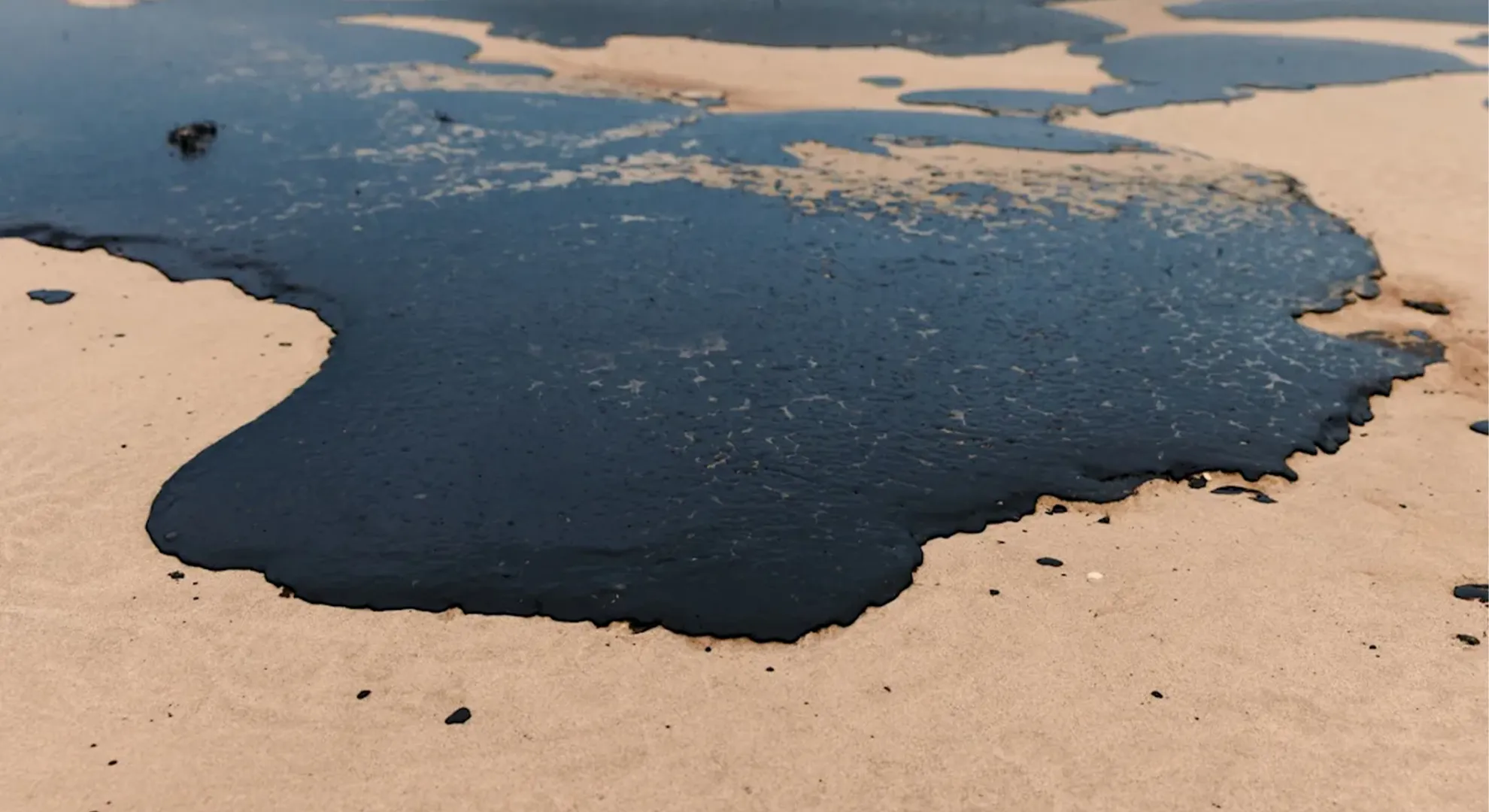
UAE Companies Step Up Production and Emergency Response to Protect Coastlines From Oil Spill
Businesses, manufacturers and environmental experts across the UAE have joined efforts to minimise the impact of a recent oil spill, with local factories increasing production of specialised equipment to protect beaches, marine habitats and other vulnerable coastal locations.
Since the incident in waters near Umm Al Quwain and Sharjah, companies have been providing technical support, equipment and trained personnel to assist with the ongoing response. Their efforts are focused on containing the spread of oil and reducing the potential damage to the country’s marine environment.
One of the companies playing an active role is Ecocoast, a marine equipment manufacturer with a production facility in Umm Al Quwain. The company has increased its manufacturing operations to meet the growing requirement for oil containment barriers.
Joachim De Jenlis, chief executive officer of Ecocoast, said the factory had been operating continuously since the incident, with employees working in shifts to manufacture the equipment needed for the emergency response.
He explained that production teams were concentrating on different varieties of oil containment booms, which are used to prevent floating oil from spreading across the water.
The company currently has nearly 10 kilometres of these barriers being manufactured. The production includes fence-style oil booms and solid flotation models available in different dimensions.
De Jenlis added that the company had also received further enquiries and requests for additional supplies.
Ecocoast deployed its boats on October 28, while its technical personnel began preparing equipment and installation arrangements at the affected locations.
Describing the scale of the response, De Jenlis said employees and operational teams were working together to ensure that the necessary equipment could be made available as quickly as possible.
The increased activity comes as the UAE Ministry of Climate Change and Environment (MoCCAE) reported a noticeable reduction in the intensity of pollution observed in the affected waters.
However, specialised teams continue to carry out cleanup and monitoring operations as part of the wider response.
First 48 Hours Considered Crucial in Oil Spill Response
Environmental specialists say the initial period following an oil spill is particularly important because delays can make the contamination more difficult to manage.
Dr Ivan Eremin, a UAE-based environmental scientist and oil spill expert, said the ability to mobilise response teams and specialised equipment quickly could significantly influence the effectiveness of containment operations.
He explained that the first 24 to 48 hours following an incident are especially important for limiting the spread of oil.
As time passes, oil undergoes natural changes due to exposure to sunlight, water and weather conditions. These processes can alter its physical and chemical properties, making it harder to collect and treat through conventional cleanup techniques.
According to Eremin, having trained personnel and the necessary equipment ready in advance allows authorities and response companies to act without unnecessary delays.
De Jenlis also highlighted the importance of installing floating barriers before oil reaches environmentally sensitive locations.
Oil booms are designed to create a physical barrier on the water’s surface, helping prevent floating oil from moving into beaches, mangrove forests and water intake areas.
He explained that placing these barriers in strategic locations at an early stage can reduce the size of the area affected by contamination and make subsequent recovery operations more manageable.
Sea Currents and Weather Add to Cleanup Challenges
Responding to an oil spill is not simply a matter of placing barriers around the affected area. Specialists must also understand the movement of seawater, tides, waves and wind to determine where oil could travel.
De Jenlis explained that water movement in the affected region is influenced by several factors.
The main coastal current generally moves northwards, but conditions closer to the shoreline can be considerably different. Smaller currents, changing tides and wind patterns may alter the direction in which floating oil travels.
These variations make it necessary for response teams to continuously monitor local marine conditions before positioning containment equipment.
Ecocoast uses specialised data buoys and its own software systems to study the forces generated by waves and currents.
This information helps the company assess how containment barriers may behave in different water conditions and supports decisions about their positioning and installation.
Understanding these environmental factors is particularly important when protecting sensitive coastal locations, where even a limited amount of contamination could have lasting consequences.
Marine Wildlife and Mangroves Among Key Environmental Concerns
The coastal environment around Umm Al Quwain supports a wide range of marine and bird species, making the protection of these habitats an important part of the ongoing response.
Green sea turtles, sea snakes and dolphins are among the marine animals found in the region.
The surrounding coastal areas also provide habitats for several bird species, including flamingos, terns, herons and Socotra cormorants.
Oil contamination can create serious problems for wildlife by affecting animals that come into contact with polluted water or contaminated surfaces.
Mangrove forests are another important environmental feature along the coast. Their root systems provide shelter and breeding grounds for various marine organisms while helping maintain the health of coastal ecosystems.
Oil reaching these areas could affect mangrove roots and disrupt the habitats of species that depend on them.
Under certain weather conditions, contamination could also pose risks to coral formations near the outer barrier island.
Environmental specialists therefore stress that protecting these locations should remain a priority while containment and recovery activities continue.
Local Manufacturing Strengthens Emergency Preparedness
The current response has also highlighted the importance of maintaining emergency equipment and manufacturing capabilities within the country.
De Jenlis said having production facilities locally allows companies to manufacture and deliver specialised equipment much faster than relying entirely on overseas suppliers.
He explained that maintaining sufficient emergency supplies and trained teams can make a significant difference during environmental incidents.
When equipment is available locally, response organisations can avoid waiting for international shipments, allowing barriers and other protective systems to be produced and installed more quickly.
He also pointed to Kalba, where emergency oil containment booms are kept ready for potential incidents.
According to De Jenlis, maintaining such equipment in advance provides an important advantage because response teams can begin protective operations without having to arrange every supply after an emergency occurs.
He said preparedness should involve not only the availability of equipment but also coordination between manufacturers, technical specialists, authorities and emergency response organisations.
Experts Call for Greater International Cooperation
Eremin said protecting marine environments requires cooperation between countries because pollution incidents can have consequences beyond the waters where they initially occur.
Oil spills and other forms of marine contamination can move across maritime boundaries, making communication and coordinated action essential.
He emphasised the need for continued investment in emergency planning, specialised response equipment and professional training.
Regular joint exercises involving government authorities, environmental specialists and private companies can also improve readiness and ensure that different organisations understand their responsibilities during an emergency.
According to the expert, strengthening these arrangements would help reduce response times and improve the ability to protect sensitive coastal ecosystems.
Preparedness is particularly important in regions where commercial shipping, marine industries and environmentally valuable coastal habitats exist close to one another.
Containment Efforts Remain the Main Priority
Despite the reduction in pollution intensity reported by the UAE authorities, companies involved in the response say maintaining sufficient equipment and operational capacity remains essential.
De Jenlis said cooperation between government departments, emergency personnel, suppliers and technical specialists has been an important part of the ongoing effort.
He noted that demand for oil containment barriers has increased across the industry as organisations work to support the response.
The availability of additional equipment and manufacturing capacity can help ensure that protective barriers are deployed where they are most needed.
For Ecocoast and other companies involved in the operation, the immediate objective remains supporting containment activities and helping protect vulnerable coastal locations.
As cleanup work continues, authorities and environmental specialists are maintaining their focus on monitoring pollution, limiting its spread and reducing the potential impact on marine life and coastal habitats.
The incident has also underlined the importance of local manufacturing, emergency planning and cooperation between the public and private sectors in responding to environmental emergencies.